
Things to do in Toledo, Ohio for sightseeing

A Toledo sightseeing trip can center on downtown architecture, the Maumee River, art, science, animal exhibits, gardens and battlefield history. The Central District is downtown's business heart and has historic buildings of architectural significance. From there, visitors can spend time along the river, walk the Old West End, visit the Toledo Museum of Art, or branch out to Ottawa Park, Toledo Botanical Garden and the Fallen Timbers and Fort Miamis site. For broader context, see our Ohio sightseeing guide.
Key facts
- Downtown Toledo's Central District is the heart of the downtown business community and has historic buildings of architectural significance.
- Most Old West End construction took place between 1875 and 1915.
- Ottawa Park is Toledo's largest city park and has Toledo's only disc golf course.
- Fallen Timbers is three sites, two of which are open to the public.
Own a house in Toledo you are thinking of selling? See how our cash offer works.
Downtown and the Maumee riverfront
Begin in the Central District, downtown's business heart, where historic buildings of architectural significance give a visitor plenty to study at street level. The area works well as a first Toledo walk because it puts business blocks, older architecture and the riverfront close together. Destination Toledo also points visitors toward the Museum and Old West End for rich history and architecture, so downtown can lead naturally into nearby neighborhood sightseeing.
Old West End historic architecture
The Old West End is the neighborhood to choose when you want architecture at a walking pace. Most of its construction took place between 1875 and 1915, a span that gives the district its historic depth. The district was designated a Preserve America Community in November 2008, a federal recognition tied to preservation and community heritage.
The Museum and Old West End area is described for rich history and glorious architecture, which makes it a natural companion to a Toledo Museum of Art visit. Treat the district as a slow exterior architecture walk, with time to look at building forms and decorative details rather than rushing from point to point. It is one of the clearest places in Toledo to connect neighborhood character with the city's older building stock.

Art, Great Lakes history and science museums
Toledo's museum stops cover art, Great Lakes history and science. The Toledo Museum of Art is a natural pairing with the Museum and Old West End area, which is described for rich history and architecture. That gives a first museum day an easy link between an art stop and a nearby architecture walk.
The National Museum of the Great Lakes brings regional water history into the sightseeing mix. Imagination Station adds science, with exhibits framed around curiosity and creativity. Together, these stops let a visitor balance visual art, Great Lakes history and hands on science.
| Place | What a visitor finds |
|---|---|
| Toledo Museum of Art | An art museum stop that pairs with the Museum and Old West End area |
| National Museum of the Great Lakes | Great Lakes history |
| Imagination Station | Science exhibits framed around curiosity, creativity and "Science with a bang!" |
Zoo and family science stops
Toledo Zoo and Aquarium adds animal exhibits to a sightseeing route that might otherwise lean toward architecture, parks and museums. Its exhibit spaces range from open savannas to historic WPA era buildings, so the attraction combines animal areas with older built spaces. That range gives visitors more than one kind of place to move through during the same outing.
Imagination Station also belongs in this family friendly part of the itinerary because its subject is science and its exhibit language leans into curiosity and creativity. The museum uses the phrase "Science with a bang!" for its exhibits, which signals an active, demonstration oriented approach. Pairing the zoo with a science stop creates a day built around animals, experiments and discovery rather than a single indoor museum visit.
Parks, gardens and outdoor landmarks
Outdoor sightseeing in Toledo can be formal or recreational. Ottawa Park is the largest of Toledo's city parks, and the city lists a concert series and Toledo's only disc golf course there. That makes it a useful stop for open space within the city park system.
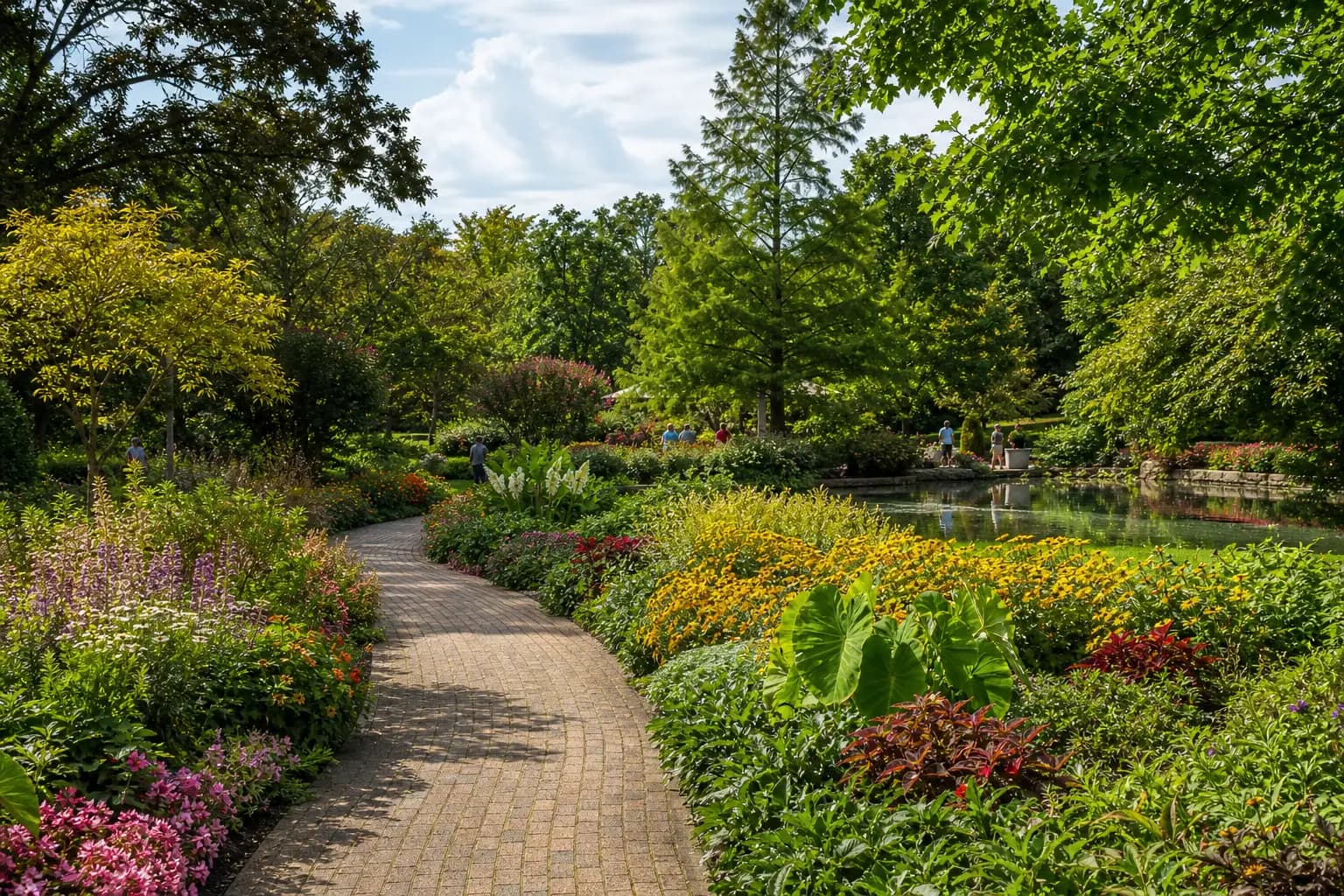
Toledo Botanical Garden gives garden focused sightseeing its own place in a Toledo itinerary. It offers a different pace from a city park built around recreation, concerts and disc golf. Metroparks Toledo also adds park system options around the city, so outdoor time can sit comfortably beside museum, zoo and neighborhood architecture stops.
Fallen Timbers and Fort Miamis
Fallen Timbers Battlefield and Fort Miamis National Historic Site adds a national history stop near the Toledo sightseeing circuit. The National Park Service lists it as a National Historic Site and on the National Register of Historic Places. For a visitor, the key point is simple: it is not a single stop with one entrance, because Fallen Timbers is actually three sites.
Two of those three sites are open to the public, so plan the visit as a small set of related places rather than one building. The name itself signals the subject matter: battlefield ground and Fort Miamis history. It pairs naturally with Toledo's museums and riverfront when you want the trip to include regional history beyond downtown architecture.
Frequently asked questions
What should I do first in Toledo for sightseeing?
Start downtown if you want architecture and river context in the same outing. The Central District is downtown's business heart, and it has historic buildings of architectural significance. From there, the Maumee riverfront and nearby neighborhood sightseeing can shape the rest of the day.
Is the Old West End a good place to walk?
Yes, especially if you like historic architecture. Most construction in the Old West End took place between 1875 and 1915, and the district was designated a Preserve America Community in November 2008. It works well as a slow exterior architecture walk.
Which Toledo museums fit a first sightseeing visit?
A balanced museum day can include the Toledo Museum of Art, the National Museum of the Great Lakes and Imagination Station. The art museum pairs naturally with the Museum and Old West End area, while the Great Lakes museum adds regional water history. Imagination Station centers its exhibits on science, curiosity and creativity.
What outdoor places can I visit in Toledo?
Ottawa Park is Toledo's largest city park and includes Toledo's only disc golf course. Toledo Botanical Garden gives garden focused sightseeing a separate stop from the city's recreational park spaces. Metroparks Toledo also adds park system options around the city.
Can I see battlefield history near Toledo?
Yes. Fallen Timbers Battlefield and Fort Miamis National Historic Site is listed by the National Park Service as a National Historic Site and on the National Register of Historic Places. Fallen Timbers is actually three sites, two of which are open to the public.
Sources
Checked against each source on November 19, 2026. Opening hours, prices and event dates change, so check with the venue before you go. The illustrations are AI generated and do not show real places.
- Downtown Toledo: The Heart of the Glass City (Destination Toledo)
- Old West End Historic District, Toledo, Ohio (Advisory Council on Historic Preservation)
- City of Toledo, Ottawa and Jermain Parks (City of Toledo)
- Exhibits, Toledo Zoo & Aquarium (Toledo Zoo & Aquarium)
- Imagination Station Exhibits (Imagination Station Toledo)
- Fallen Timbers Battlefield and Fort Miamis National Historic Site (U.S. National Park Service)
More guides in Ohio
Food Cincinnati
What Is Findlay Market in Cincinnati Known For?Learn Findlay Market history, its 1850s market house, weekend Farmers Market, and the foods and merchants visitors find today.
Food Ohio
What food is Ohio known for across the state?Learn what food Ohio is known for, from Buckeye candy and Cincinnati chili to Polish Boys, Barberton chicken, markets and festivals.
Sightseeing Ohio
What is Ohio known for? A sightseeing guideLearn what Ohio is known for, including Hocking Hills parks and trails, Cuyahoga canal trails, ancient earthworks, riverfronts, aviation and music museums.