
What Is Tennessee Known For Across the State?
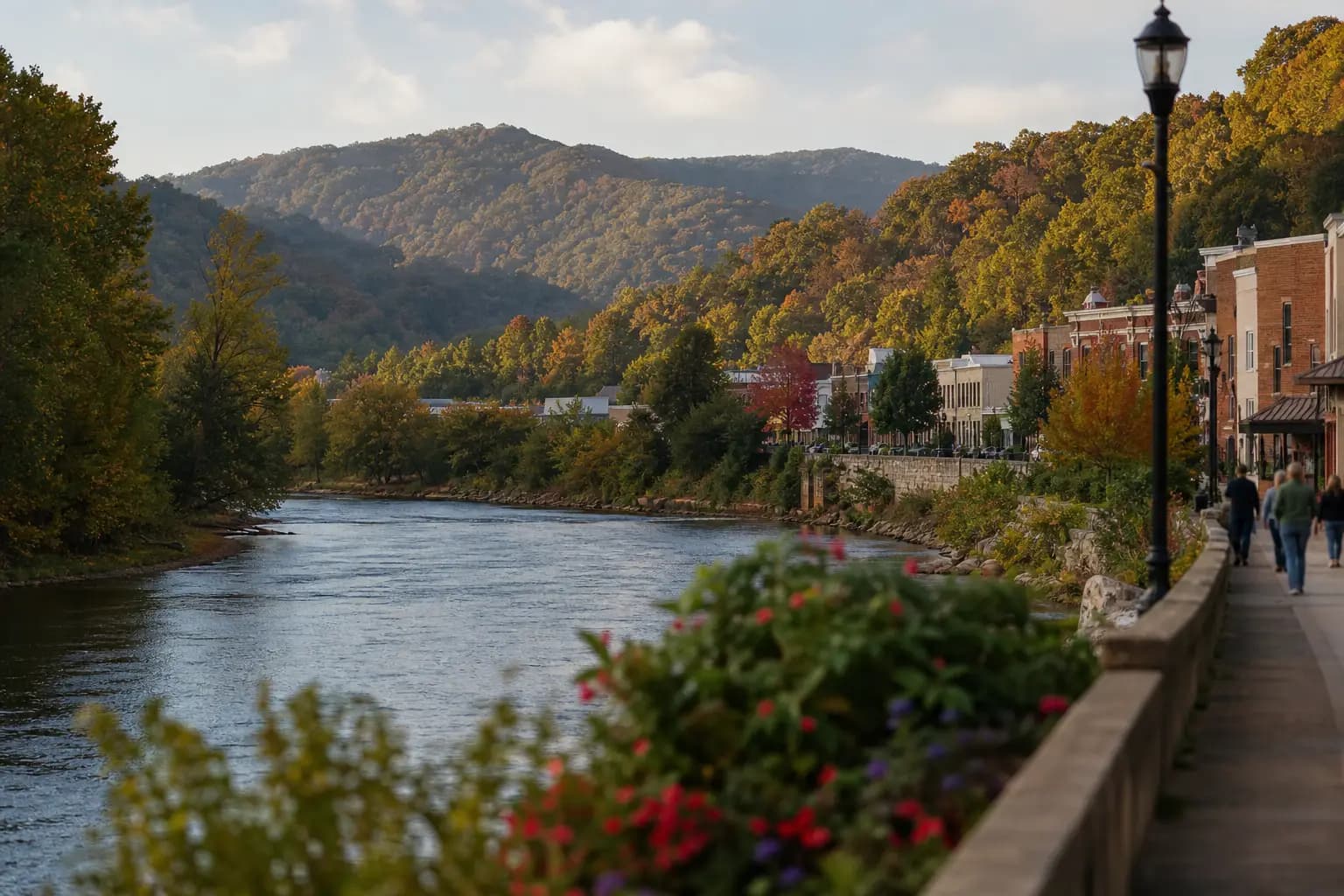
Tennessee is known for Memphis landmarks, mountain scenery and historic places. Visitors also look to Graceland, Great Smoky Mountains National Park, Shiloh National Military Park, the Tennessee Riverpark in Chattanooga and Lynchburg's Jack Daniel Distillery.
Key facts
- Graceland opened for tours on June 7, 1982.
- Great Smoky Mountains National Park covers 800 square miles in Tennessee and North Carolina.
Own a house in Tennessee you are thinking of selling? See how our cash offer works.
Memphis: Elvis and Graceland
Memphis is central to what Tennessee is known for because Graceland connects the city with Elvis Presley. Graceland opened for tours on June 7, 1982. The house was placed on the National Register of Historic Places in 1991 and designated a National Historic Landmark in 2006. For many visitors, the house tour is the clearest Tennessee stop connected to Elvis Presley.
The Smokies and Tennessee mountain scenery
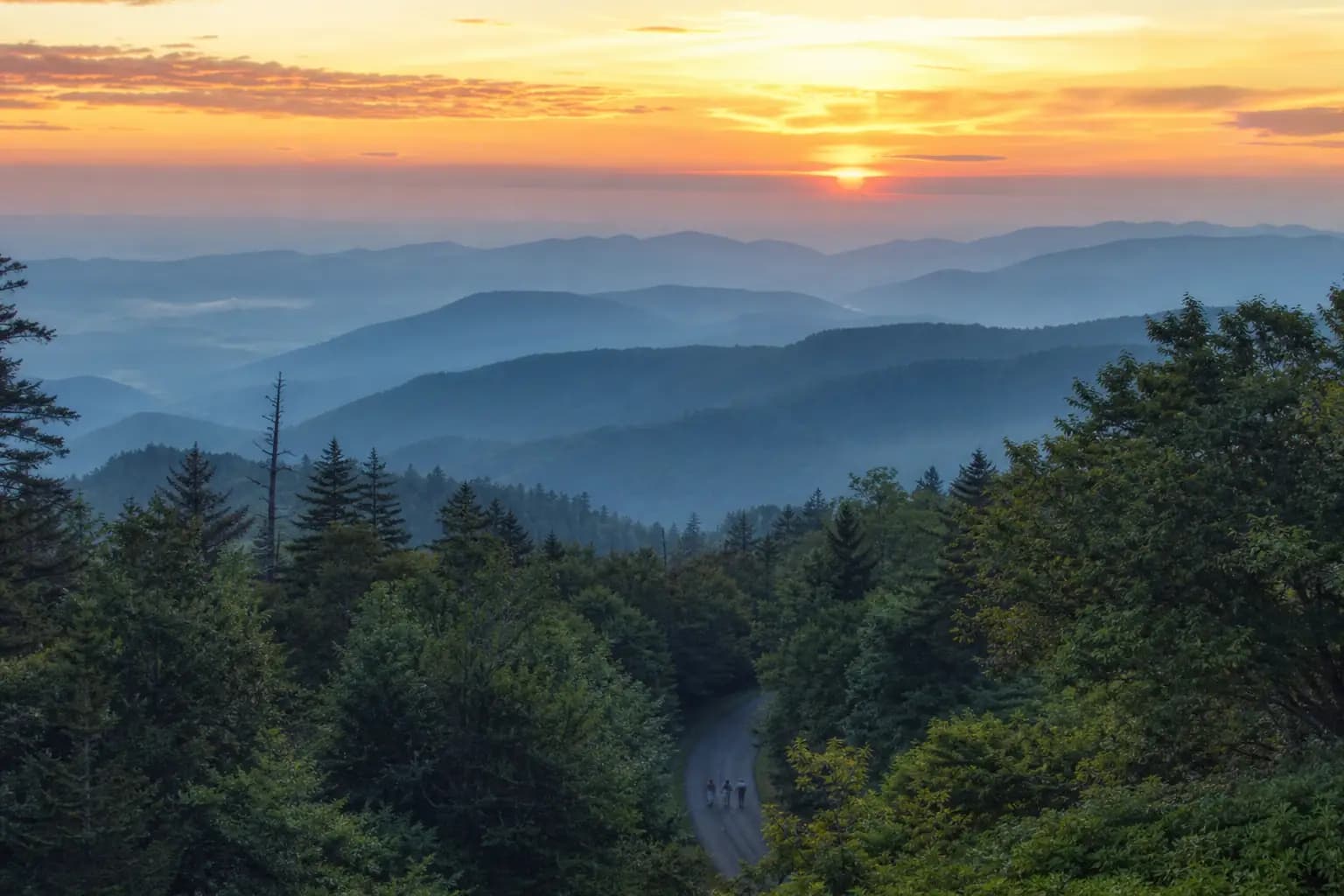
Great Smoky Mountains National Park is one of Tennessee's signature sightseeing places and lies in Tennessee and North Carolina. The park covers 800 square miles of mountainous land and is designated as both an International Biosphere Reserve and a World Heritage Site. It protects more than 100 tree species, 1,500 flowering plants, dozens of native fish, over 200 species of birds and 60 mammals.
The Smokies are also known for human history. American Indians, explorers, settlers, the Civilian Conservation Corps, loggers, miners and mountain people all figure into the park's story. The park has nearly 80 historic buildings and structures, so visitors see more than overlooks and trails.
Cades Cove is a National Register of Historic Places Historic District within the park. The valley is surrounded by mountains and is associated with Cherokee hunting grounds, followed by small white settler communities. Europeans arrived between 1818 and 1821, leaving churches, a working grist mill, barns, log houses and other restored 18th and 19th century buildings along the loop road.
Civil War and Native American historic landscapes
Shiloh National Military Park is one of the Tennessee places where different eras sit close together. The park interprets its Civil War battlefield role and also preserves pre-Columbian remains left by American Indians who lived in the Tennessee Valley. Visitors see a landscape shaped by both military history and Native American settlement.
The park includes seven Indian mounds and a dozen houses that help explain life before European contact changed the region. A 1934 excavation uncovered a dozen houses that visitors can see at Shiloh today. Those remains make the park more than a battlefield stop.
Shiloh also preserves the sites of the significant battles of Pittsburg Landing and Corinth. Across the park, visitors can view more than 180 monuments and historic structures. Named stops include Shiloh's National Cemetery, the War Cabin, the Sunken Road, Earthworks and the Indian mounds.
Riverfronts and Lynchburg distillery touring
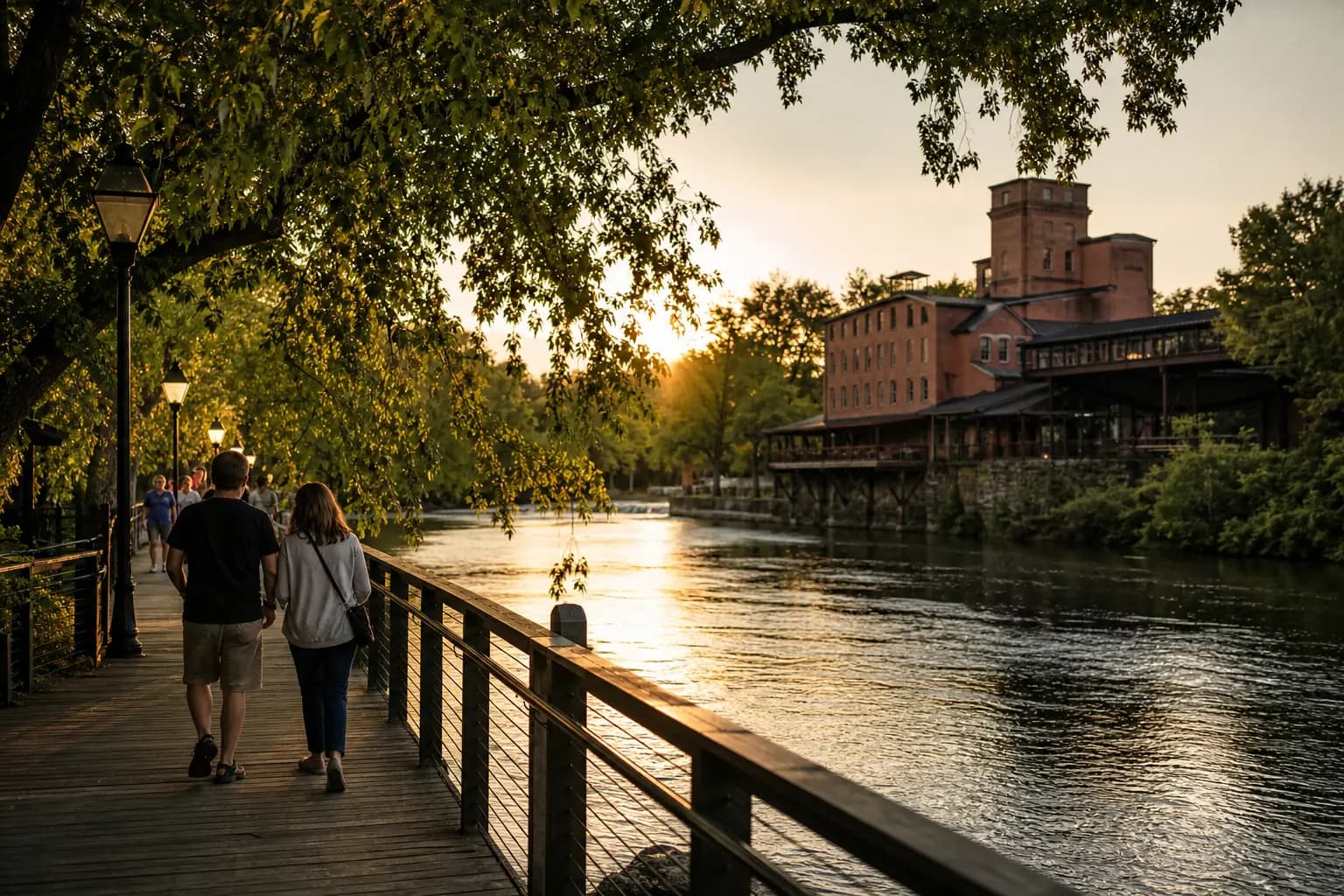
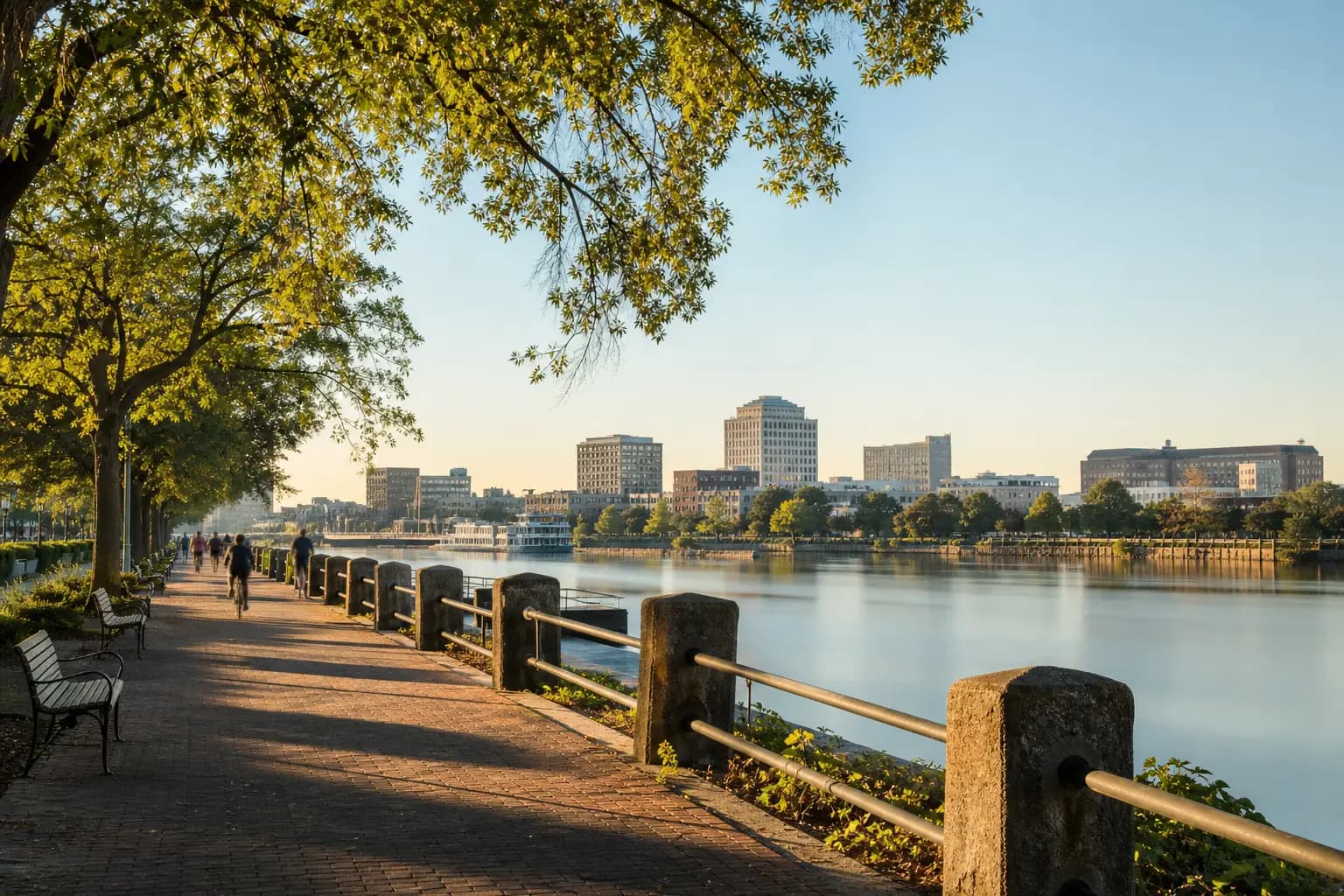
Chattanooga adds a riverfront version of Tennessee sightseeing. The Tennessee Riverpark is a 13 mile paved urban greenway connecting downtown Chattanooga to Chickamauga Dam, 8 miles to the east, and Historic St. Elmo, 4 miles to the south. The Riverwalk is open to cyclists, runners, skaters and walkers, links neighborhoods and business districts, and also connects paddlers to access points for the Tennessee River Blueway.
South of Nashville, Lynchburg is known for the Jack Daniel Distillery. The distillery was established in the 1830s, registered in 1866 by Jack Daniel and listed on the National Register of Historic Places. Visitor sights connected to the distillery include the rickyard, where hard sugar maple wood is burned to make charcoal for mellowing whiskey, and the White Rabbit Bottle Shop, a reconstruction of a saloon Jack Daniel operated before Prohibition.
Frequently asked questions
What is Tennessee best known for?
Tennessee is known for the Great Smoky Mountains, Memphis landmarks such as Graceland, historic sites such as Shiloh, Chattanooga's Tennessee Riverpark and Lynchburg's Jack Daniel Distillery.
What natural sights is Tennessee known for?
Great Smoky Mountains National Park covers 800 square miles across Tennessee and North Carolina. It protects more than 100 tree species, 1,500 flowering plants, dozens of native fish, over 200 species of birds and 60 mammals.
Is Tennessee known for walkable riverfronts?
Yes. Chattanooga's Tennessee Riverpark is a 13 mile paved urban greenway that connects downtown Chattanooga with Chickamauga Dam and Historic St. Elmo, and the Riverwalk is open to cyclists, runners, skaters and walkers.
Sources
Checked against each source on November 19, 2026. Opening hours, prices and event dates change, so check with the venue before you go. The illustrations are AI generated and do not show real places.
- About Graceland (Graceland)
- Great Smoky Mountains National Park (National Park Service)
- Shiloh National Military Park (National Park Service)
- Tennessee Riverpark (City of Chattanooga)
- Background (Jack Daniel's Press Room)
More guides in Tennessee
Sightseeing Chattanooga
Things to Do in Chattanooga, TennesseePlan things to do in Chattanooga with riverfront walks, Lookout Mountain, museums, art districts, parks and historic neighborhoods.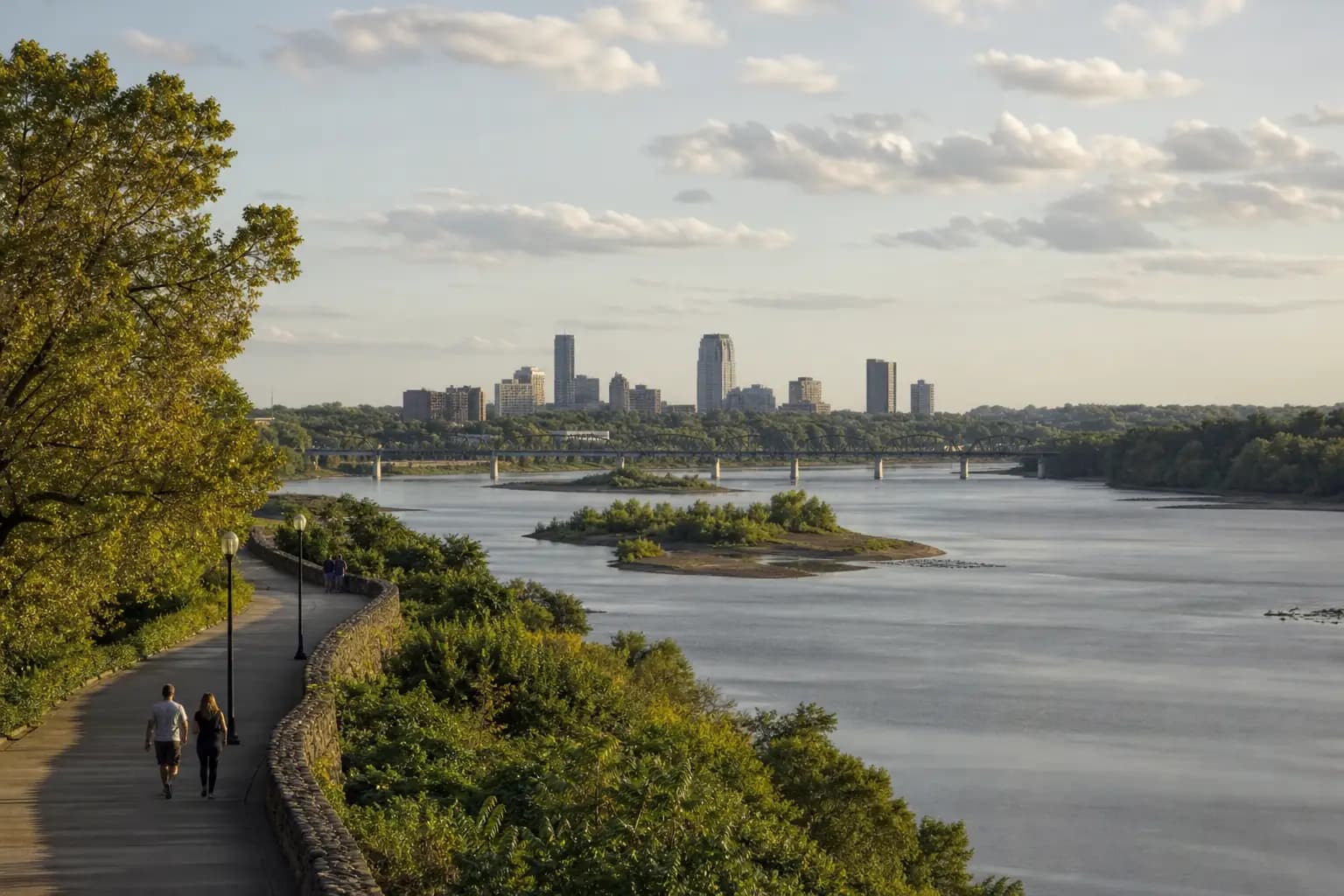
Sightseeing Memphis
What is Memphis, Tennessee Known For?Learn what Memphis is known for, from Beale Street and Civil Rights history to Elvis sites, Sun Studio, Stax, parks and Big River Crossing.