
Can you sell a condemned house in Ohio?
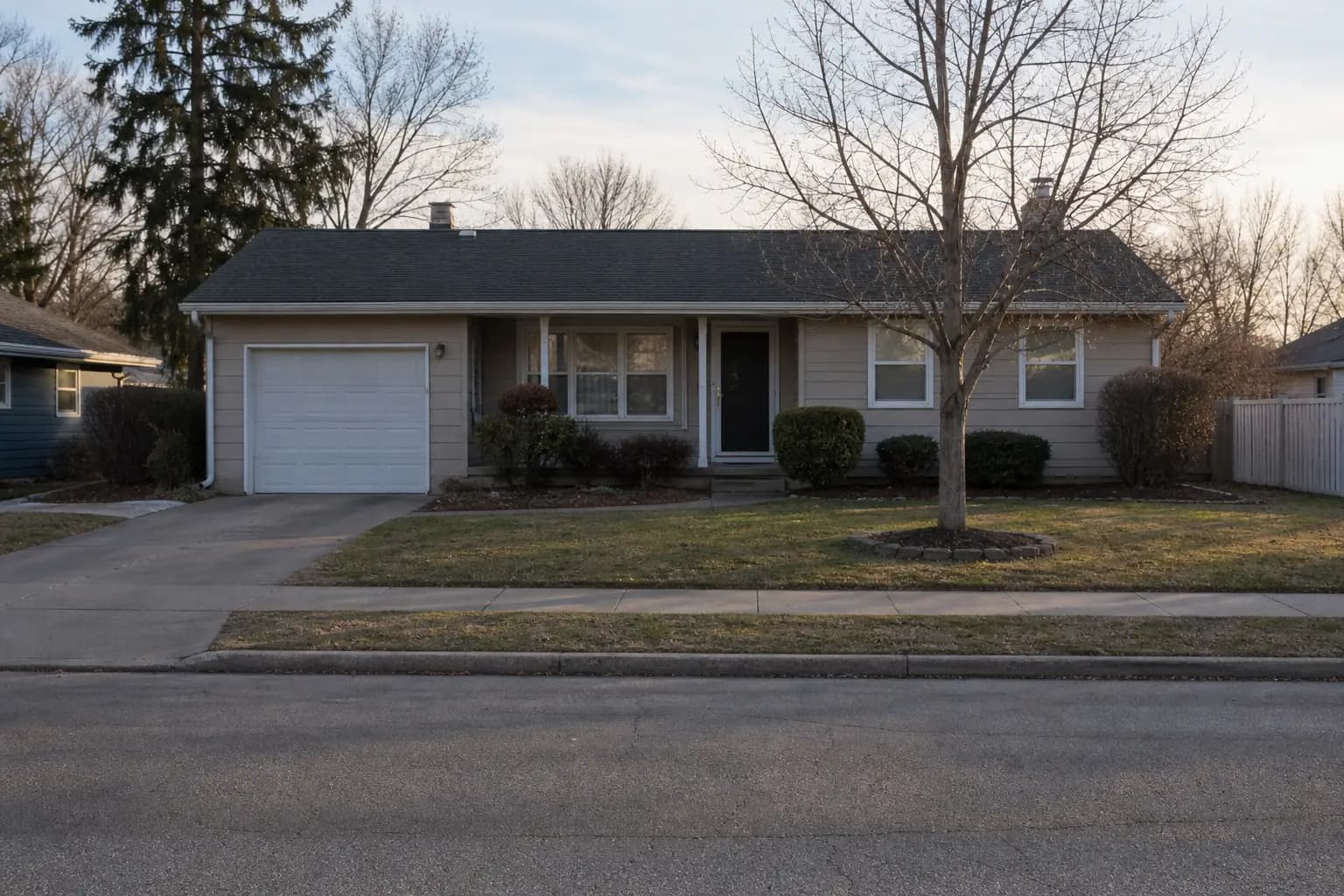
Yes, a condemned house in Ohio may still be sold, but the buyer takes the property with the problems that remain. Code orders, demolition notices, municipal charges, tax list charges, liens, permits and occupancy limits can change the price and closing. A title company or buyer may check county recorder records, city records, permits and local transfer forms. Do not assume the condemnation ends just because the deed changes hands.
Key facts
- Ohio Revised Code 5301.253 addresses written notice of code violations before entering into an agreement for the transfer of title.
- Ohio building rules say an unsafe condition must be eliminated or the residential building must be vacated.
- Ohio law allows certain correction or abatement costs to be placed on the tax list and duplicate or filed as a lien.
- Cleveland building records include permits and outstanding building and housing violations, condemnations, or zoning violations.
- Franklin County Recorder records include deeds, mortgages, releases and liens, but the recorder cannot perform a title search for you.
Selling in Indiana, Ohio, Wisconsin, Tennessee or Georgia? Get a written cash offer in 24 hours, no obligation.
Get my cash offerA condemned sale is possible, but it is not a clean slate
A condemned house in Ohio may still be transferable. Ohio Revised Code 5301.253 uses the phrase "prior to entering into an agreement for the transfer of title," which shows that Ohio law deals with transfers even when code violation notice rules matter. The problem is not always whether a deed can be signed. The problem is what follows the house into the sale.
A condemnation order, unsafe building order, repair order, lien, or occupancy limit can affect the buyer pool and the closing. A buyer may ask for a lower price because the buyer may be taking on repair work, city paperwork, permit problems, or a house that cannot be lived in right away. A title company may also need to decide whether a recorded item must be paid, released, excepted from title coverage, or handled in the contract.
Do not treat a sale as a way to erase the city order. Ohio Revised Code 5301.253 says certain code violation matters can be "enforced against their interest in the real property without further notice or order to them." In plain English, a buyer can get the deed and still face the old code problem.
What condemned can mean in Ohio
Condemned does not always mean the same thing in every Ohio city. It may mean the house is unsafe, unfit, structurally defective, vacant by order, or under an order to repair or remove. Cleveland's code enforcement page gives a direct example. It says a condemned property has been inspected and determined to be uninhabitable.
Ohio building rules also connect unsafe conditions with occupancy. Rule 4101:8-1-01 says an unsafe condition "shall be eliminated or the residential building shall be vacated." The same rule says a person shall only use the structure in compliance with the certificate of occupancy and any stated conditions.
That matters in a sale because a buyer may not be able to move in until the local department allows it. The buyer may need repairs, inspections and permits before the house can be used again. Cleveland's code enforcement page says an owner can obtain necessary permits to bring the property into compliance.
Notice and disclosure before signing
Ohio has a specific code violation notice statute. Ohio Revised Code 5301.253 refers to action taken "prior to entering into an agreement for the transfer of title." It also warns that covered matters may be enforced against a later owner's interest without more notice or order.
The State of Ohio Residential Property Disclosure Form also points sellers toward code issues. Section L asks about "violations of building or housing codes, zoning ordinances affecting the property." The same section asks about "any recent or proposed assessments, fees or abatements." This is why a condemned house is not just a normal cosmetic repair issue. It can also be a disclosure and assessment issue. For related disclosure problems, see seller disclosure when selling as is.
Cleveland has its own local transfer paperwork. Its Certificate of Disclosure Application for Transferring Real Property uses the words "prior to transfer" and refers to "violations and/or a condemnation history." It also says certain items are "attachments to the purchase agreement" and refers to issues "after property has transferred." Cleveland is a city example, so an owner in another Ohio city should expect local paperwork to be different.
Liens, tax charges and removal orders can affect closing
What many owners call a demolition notice may be a legal notice about removal or repair. Ohio Revised Code 715.26 says that at least thirty days prior to the removal or repair, notice shall be given by certified mail. The same section refers to holders of legal or equitable liens of record.
Costs can also become title and closing problems. Ohio Revised Code 715.261 says correction or abatement costs can be placed as a charge upon the tax list and duplicate. It also says a lien may be filed on a parcel of land. If a cost is on the tax list or filed as a lien, a title company may require a plan for it before closing.
Ohio Revised Code 505.86 uses words many owners see in condemnation papers, including "declared insecure, unsafe, or structurally defective" and "unfit for human habitation." That section says the costs are a lien upon the lands from and after the date of entry. For a broader look at title problems, see how to find liens on a property.
What buyers and title companies may review
A condemned sale often turns into a records search. The buyer wants to know what the city has ordered. The title company wants to know what has been recorded against the property and what must be cleared or listed in the title work.
Franklin County Recorder says its records include "deeds, mortgages, releases, liens." It also says the recorder "cannot perform a title search for you" and points people to a "title company or attorney." A county recorder search is useful, but it is not the same thing as full title work.
City records can matter too. Cleveland's Division of Records Administration says it handles, stores and maintains all building and commercial permits. It also refers to outstanding building and housing violations, condemnations, or zoning violations. If the house has permit issues as well as condemnation issues, see selling a house with open permits.
| Record or issue | Where it may show up | Why it matters |
|---|---|---|
| Deeds, mortgages, releases and liens | County recorder records | They can affect who must sign and what must be paid or released. |
| Outstanding violations, condemnations or zoning violations | Local building or housing records | They can show the buyer what orders still affect the property. |
| Building and commercial permits | Local building records | They can show whether repair work has permit history. |
| Certificate of disclosure or local transfer forms | City transfer process, where used | They can add violation or condemnation history to the sale file. |

Common ways owners handle a condemned sale
Some owners repair the house before selling. That can mean getting permits, doing the ordered work and waiting for the local department to update its records. This route may help with ordinary buyers, but it can require money and time before closing.
Other owners sell with the order still open. In that case, the contract should be clear about the condemnation, code violations, liens, tax charges, occupancy limits and permits. The buyer may ask for a price that reflects those issues. A cash buyer is one possible buyer type for a property that needs major work, but the same local orders and title issues still need to be addressed in the sale papers. For a neutral comparison, see cash offer vs listing agent.
The main point is to separate title transfer from code compliance. A deed can move ownership, but the unsafe condition, uninhabitable status, recorded lien, tax list charge or permit requirement may still need attention. No Ohio source in this record says a local government must lift a condemnation just because the house is sold.
- Collect every notice, order, violation letter, permit record and city transfer form you have.
- Check county recorder records for recorded liens and other recorded documents.
- Check local building or housing records for open violations, condemnations and permits.
- Disclose known code, zoning, assessment, fee and abatement issues in the sale paperwork.
Frequently asked questions
Will the condemnation go away after I sell the house?
Do not assume that. Ohio Revised Code 5301.253 says covered code violation matters can be enforced against a later owner's interest without further notice or order. A sale may change ownership, but it does not automatically prove the unsafe condition has been fixed.
Can someone live in a condemned house in Ohio?
Often, no. Cleveland says a condemned property has been inspected and determined to be uninhabitable. Ohio building rules also say an unsafe condition must be eliminated or the residential building must be vacated, and use must match the certificate of occupancy and stated conditions.
Do I have to tell the buyer about code violations?
Ohio Revised Code 5301.253 addresses written notice of code violations before entering into an agreement for the transfer of title. The Ohio Residential Property Disclosure Form also asks about violations of building or housing codes and zoning ordinances affecting the property. If assessments, fees or abatements are involved, the form asks about those too.
Can demolition or cleanup costs become a lien in Ohio?
Yes, Ohio law allows some correction or abatement costs to become charges or liens. Ohio Revised Code 715.261 says costs can be placed on the tax list and duplicate and that a lien may be filed on a parcel of land. Ohio Revised Code 505.86 also says certain costs are a lien upon the lands from and after the date of entry.
What will a title company look for on a condemned house?
A title company may review recorded deeds, mortgages, releases and liens. Franklin County Recorder says those items are part of its records, but it also says it cannot perform a title search for you. Local violation and permit records may also matter because they can show condemnation history and open code issues.
Can I sell without fixing the condemned house first?
It may be possible if the buyer accepts the open issues and the sale papers handle them clearly. The buyer still may face permits, repair orders, liens, tax charges or occupancy restrictions after closing. Cleveland's code enforcement page says permits can be obtained to bring a property into compliance, but that does not mean the order is lifted automatically after a sale.
Are Cleveland condemnation rules the same everywhere in Ohio?
Cleveland's records and certificate forms are local examples. They show the kinds of records a city may keep, including permits, violations and condemnation history. Other Ohio cities may use different forms or procedures, while the Ohio Revised Code sections listed here are statewide laws.
Sources
Checked against each source on November 20, 2026. This page is general information, not legal or tax advice. The illustrations are AI generated and do not show real people or places.
- Ohio Rev. Code 5301.253 (Ohio Laws / State of Ohio)
- State of Ohio Residential Property Disclosure Form (Ohio Department of Commerce, Division of Real Estate & Professional Licensing)
- Ohio Admin. Code Rule 4101:8-1-01 (Ohio Laws / State of Ohio)
- Ohio Rev. Code 715.26 (Ohio Laws / State of Ohio)
- Ohio Rev. Code 715.261 (Ohio Laws / State of Ohio)
- Ohio Rev. Code 505.86 (Ohio Laws / State of Ohio)
- Division of Code Enforcement (City of Cleveland, Department of Building and Housing)
- Division of Records Administration (City of Cleveland, Department of Building and Housing)
- Public Records Search (Franklin County Recorder)
- City of Cleveland Certificate of Disclosure Application for Transferring Real Property (City of Cleveland, Department of Building and Housing)
Related seller questions
- Can you sell a house with code violations?
- Can you sell a house with open permits?
- How do you find out if there is a lien on a property?
- How do you sell a house with a lien?
- What are squatters rights in Ohio?