
How does the Hamilton County Probate Court handle selling a house?
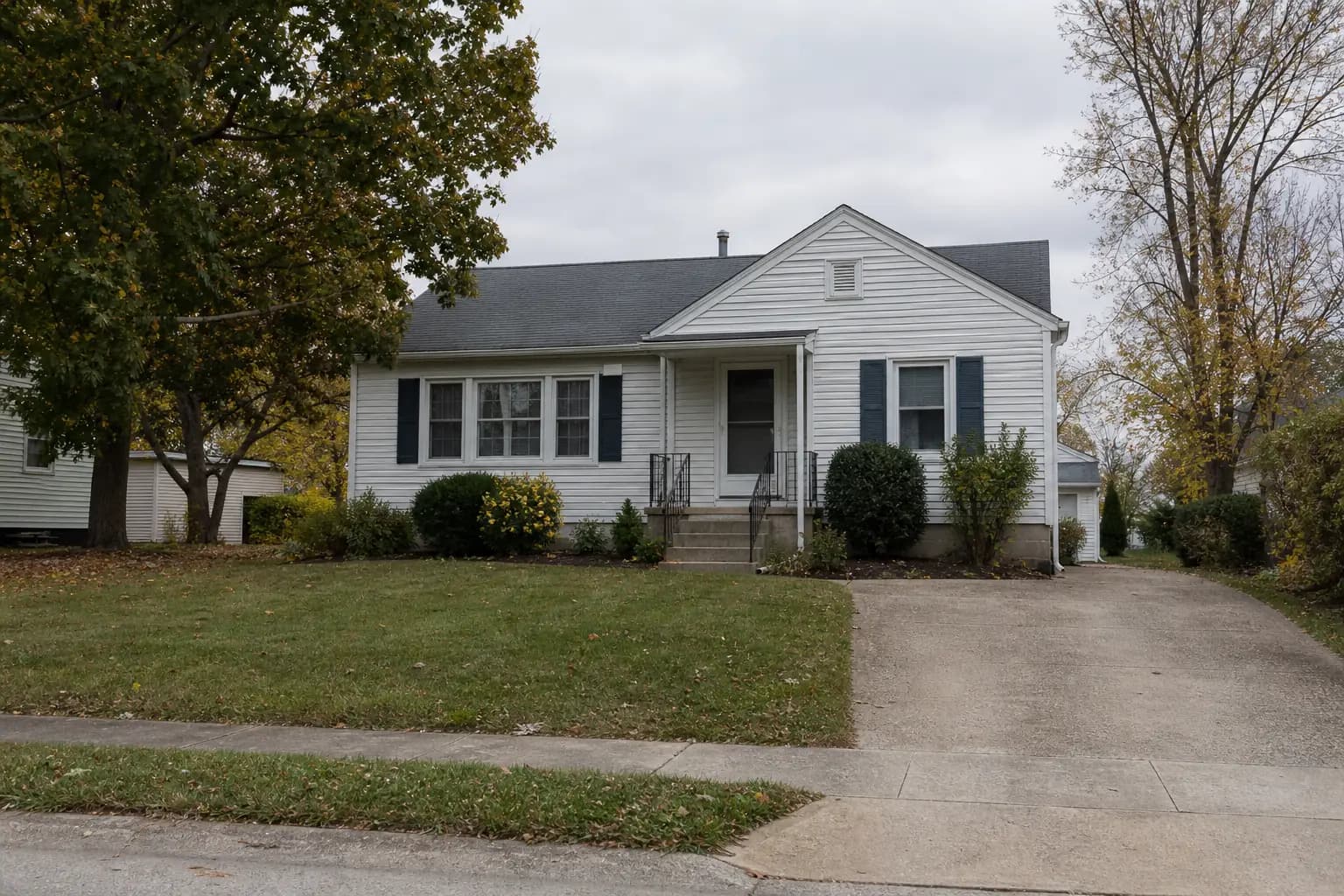
The Hamilton County Probate Court usually handles selling a house by opening an Ohio estate, appointing an executor or administrator, and then using the will, written consents, or a land sale case to authorize the sale. The seller usually signs only after Letters of Authority are issued. If the heirs keep the house instead of selling it, the estate uses a Certificate of Transfer to record the new ownership interests.
Key facts
- A fiduciary act is not valid before Letters of Authority are issued.
- Creditor claims under R.C. 2117.06 must be presented within six months after death.
- A Certificate of Transfer is used when real estate passes to heirs or devisees instead of being sold by the estate.
Selling in Indiana, Ohio, Wisconsin, Tennessee or Georgia? Get a written cash offer in 24 hours, no obligation.
Get my cash offerStart with the right Ohio probate court
Make sure the estate is in the right Ohio probate court. A house sale usually starts with authority from the probate case.
The court first opens the estate, then appoints a fiduciary, which is usually an executor under a will or an administrator when there is no will. For a broader overview, see what is a probate sale.
How the estate is opened
A house sale usually starts with an estate case. The probate court appoints the person who can act for the estate.
That person is the fiduciary. The fiduciary may later need court authority, authority in the will, or the right written consents before signing sale papers for estate real estate.

Who can sign the deed or sale papers
The person who signs for the estate is usually the fiduciary after the court issues Letters of Authority. Ohio Revised Code 2109.02 says every fiduciary must receive letters of appointment before entering on the trust, and that no act or transaction by a fiduciary is valid before the letters are issued.
If the will gives the executor a testamentary power of sale, Ohio Revised Code Chapter 2127 says the executor may proceed under the will or under the land sale statutes. If there is no will power, written consent may be another route if the right people sign and the court accepts that route. For more on timing, see can an executor sell a house before probate closes.
This consent route depends on the right people signing. If family members disagree, the written consent route may not fit, and the estate may need a land sale case. For the bigger heir consent issue, see do all heirs have to agree to sell inherited property.

The main paths for a Hamilton County estate house
The right path depends on the will, the heirs, debts, and what the estate plans to do with the house. Selling to a cash buyer is one possible private sale route, but it does not replace the court authority needed for the fiduciary to sign.
| Path | When it fits | What it does |
|---|---|---|
| Will power of sale | The will gives the executor power to sell | The executor may proceed under the will or under R.C. Chapter 2127 |
| Written consent to power of sale | The people whose consent is needed sign the consent | May give the fiduciary power to sell and sign deeds |
| Land sale case | The estate needs court authority to sell the land | A complaint asks the Probate Court for authority to sell the real estate |
| Certificate of Transfer | The heirs or devisees keep the house instead of the estate selling it | The certificate records the new ownership interests |
When a land sale proceeding is needed
A land sale proceeding under R.C. Chapter 2127 is a probate civil case asking the court for authority to sell real estate.
Ohio Revised Code Chapter 2127 says that when the executor or administrator finds that personal property is insufficient to pay debts, the family allowance described in the statute, and the costs of administration, the fiduciary shall commence a civil action in the probate court for authority to sell the real property. The same chapter says that action begins by filing a complaint with the probate court.
R.C. Chapter 2127 also says the court confirms the sale and orders the executor, administrator, or guardian to make a deed to the purchaser if the sale was legally made.
When heirs keep the house: Certificate of Transfer
If the heirs or devisees keep the house instead of the estate selling it, the estate normally uses a Certificate of Transfer. Ohio Revised Code 2113.61 says the executor or administrator files the application after the inventory that includes the real property is filed, but before the final account is filed. It also says real property sold by an executor or administrator is excepted from that application requirement.
Supreme Court of Ohio Probate Form 12.0 is the Application for Certificate of Transfer. The form says the decedent died owning the real property described in the accompanying certificate, and asks the court to issue a certificate so new ownership interests may be recorded. The form also lets the applicant show whether the transfer is under the will or under the statutes of descent and distribution.
R.C. 2113.61 says the certificate recites the names and places of residence of the devisees or heirs and the interests passing to them.
Creditor claims and debts can affect the sale
Ohio Revised Code 2117.06 says creditor claims must be presented within six months after the decedent's death. It also says a claim not presented within six months after death is forever barred as to all parties, subject to the statutory exception in R.C. 2117.061.
This matters when the estate is deciding whether the house must be sold to pay debts. R.C. Chapter 2127 says a sale action is required when personal property is insufficient to pay the debts, the statutory family allowance, and administration costs. If a mortgage or other lien affects the property, R.C. Chapter 2127 says mortgagees and other lienholders whose claims affect the real property must be made parties in the sale action.
A mortgage on an inherited house is a separate closing issue from probate authority. The fiduciary may still need the court authority described above, and the mortgage usually has to be handled before or at closing. See inherited house with a mortgage for that related issue.
Frequently asked questions
Can an executor sell a Hamilton County house before Letters of Authority?
Usually no. Ohio Revised Code 2109.02 says no act or transaction by a fiduciary is valid before Letters of Authority are issued. The court appointment is what lets the executor or administrator act for the estate.
Does every Hamilton County probate house sale need a land sale case?
No. If the will gives the executor a power of sale, the executor may be able to proceed under the will. Written consents to a power of sale may also work when the required people sign. A land sale case is used when court authority to sell the real estate is needed.
What happens if the heirs keep the house?
The estate uses a Certificate of Transfer rather than a sale deed to a buyer. The certificate records the new ownership interests of the heirs or devisees after the inventory and before the final account.
How long do creditors have to make claims in an Ohio estate?
Ohio Revised Code 2117.06 says claims must be presented within six months after death. Claims not presented within six months are forever barred, subject to the statutory exception in R.C. 2117.061.
Sources
Checked against each source on November 20, 2026. This page is general information, not legal or tax advice. The illustrations are AI generated and do not show real people or places.
- Probate Form 12.0: Application for Certificate of Transfer (Supreme Court of Ohio)
- Ohio Rev. Code 2109.02 (Ohio Laws)
- Ohio Rev. Code 2113.61 (Ohio Laws)
- Ohio Rev. Code Chapter 2127 (Ohio Laws)
- Ohio Rev. Code 2117.06 (Ohio Laws)
Related seller questions
- Can an executor sell a house before probate closes?
- Do all heirs have to agree to sell inherited property?
- What is a probate sale?
- What happens when you inherit a house with a mortgage?