
How does the eviction process work in Ohio?
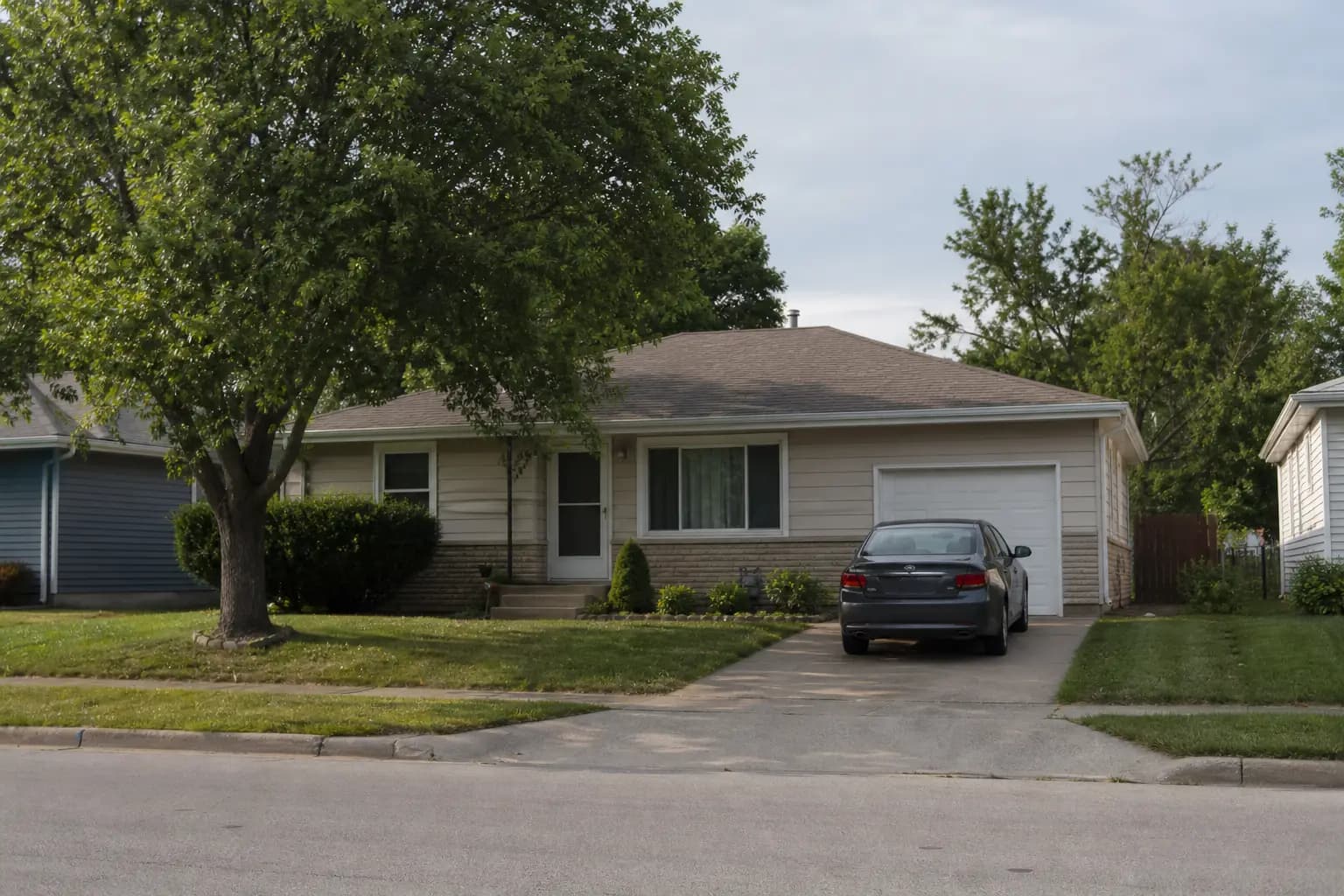
The court part of the Ohio eviction process starts with a three day notice, then a written court complaint, a possession hearing, and, if the landlord wins, a writ that restores possession. The hearing cannot be set sooner than the seventh day after service is complete. A sale with the tenant still there is different because Ohio Legal Help says the lease likely will carry over.
Key facts
- R.C. 1923.04 requires notice three or more days before the eviction action begins.
- The possession hearing cannot be set sooner than the seventh day after service is complete.
- After judgment, R.C. 1923.13 says the court shall issue a writ of execution on the judgment.
- If the owner sells with the tenant in place, Ohio Legal Help says the lease likely will carry over.
Selling in Indiana, Ohio, Wisconsin, Tennessee or Georgia? Get a written cash offer in 24 hours, no obligation.
Get my cash offerOhio eviction is a court case for possession
R.C. 1923.01 says a county court, municipal court, or court of common pleas judge may hear an action under that chapter and restore possession of the land or rental unit.
For a landlord or inherited rental owner preparing to sell, the main question is possession. The court case is about who has possession of the property. If you are still weighing the rental against a sale, this overview pairs well with should I sell or rent my house.
- Notice comes before the court case.
- The written complaint starts the court case.
- The hearing addresses possession.
- The writ is the post judgment step that restores possession.
Step 1: serve the three day notice
Under R.C. 1923.04, the notice must be given three or more days before the eviction action begins. The statute also gives the warning language: "If you do not leave, an eviction action may be initiated against you."
The statute lists service by certified mail, return receipt requested, or by handing a written copy of the notice to the defendant in person. If the tenant does not leave after the notice, the next court step is the written complaint.

Step 2: file the complaint and get service
After the notice period, the landlord files a written complaint with the court. R.C. 1923.05 says the complaint must particularly describe the premises that are being detained. This is the court filing that starts the possession case.
R.C. 1923.01 names county court, municipal court, and common pleas court judges as judges who may hear actions under the chapter. In many Ohio cities, the municipal court has an eviction docket.
R.C. 1923.06 covers summons and service. It includes ordinary mail, along with a copy of the complaint. It also says the hearing cannot be set sooner than the seventh day from the date service is complete.
Step 3: go to the possession hearing
At the hearing, the court hears evidence. If the owner needs the house empty before selling, the case still must follow the court process for possession.
If the landlord wins, R.C. 1923.09 says the result can be restitution of the premises and costs of suit. The statute uses the phrase "After hearing the evidence," which is why the hearing matters.

Step 4: use the writ
Winning possession in court leads to the writ stage. R.C. 1923.13 says the court shall issue a writ of execution on the judgment. The writ is the court paper that causes the defendant to be removed from the premises and the plaintiff to have restitution of them.
R.C. 1923.14 says the writ is enforced within ten days after receiving it by restoring the plaintiff to possession of the premises. That does not give one simple statewide move day for every case. The court handling the case controls the local mechanics.
Selling with a tenant in place is different
Selling with the tenant still living there is not the same thing as evicting the tenant first. Ohio Legal Help says, "Your lease likely will carry over." It also says the tenant must be notified before a buyer enters. For more on the sale side, see selling a house with tenants.
For a month to month lease, Ohio Legal Help says the landlord usually has to give notice at least 30 days. That is separate from the three day eviction notice used before the court action. For showing access issues, see how much notice a landlord must give before showing a house for sale.
For an inherited rental, the practical choice is usually possession before sale or sale with the tenant still there. Selling to a buyer who will accept the tenant, including a cash buyer, is one option. If the owner needs the house empty before closing, the court eviction path is the possession path.
| Path | Rule from the Ohio sources |
|---|---|
| Evict before sale | Use the Ohio court process: notice, written complaint, hearing, judgment, and writ. |
| Sell with tenant in place | Ohio Legal Help says: Your lease likely will carry over. |
| Buyer entry before sale | Ohio Legal Help says the tenant must be notified before a buyer enters. |
| Month to month lease | Ohio Legal Help says the landlord usually has to give notice at least 30 days. |
Frequently asked questions
What is the first step in an Ohio eviction?
The court eviction path starts with the notice required by R.C. 1923.04. The notice must be given three or more days before beginning the action and warns, "If you do not leave, an eviction action may be initiated against you."
Where is an Ohio eviction filed?
R.C. 1923.01 says a county court, municipal court, or court of common pleas judge may hear actions under the chapter. R.C. 1923.05 says the plaintiff files a written complaint with the court.
How soon can the Ohio eviction hearing be set?
R.C. 1923.06 says the hearing cannot be set sooner than the seventh day from the date service is complete. That rule is about the earliest hearing date after service is complete, not a full timeline for every case.
What happens after an Ohio landlord wins possession?
R.C. 1923.13 says the court shall issue a writ of execution on the judgment. R.C. 1923.14 says the writ is enforced within ten days after receiving it by restoring the plaintiff to possession of the premises.
Can I sell an Ohio rental without evicting the tenant first?
A sale with the tenant still in place is a separate path from eviction. Ohio Legal Help says the lease likely will carry over, and the tenant must be notified before a buyer enters.
Does a month to month tenant get notice before the eviction path?
Ohio Legal Help says a landlord usually has to give at least 30 days notice for a month to month lease. If the owner later uses the court eviction path, the R.C. Chapter 1923 notice, complaint, hearing, and writ steps still matter.
Sources
Checked against each source on November 23, 2026. This page is general information, not legal or tax advice. The illustrations are AI generated and do not show real people or places.
- Ohio Rev. Code 1923.01 (Ohio Laws / Ohio Revised Code)
- Ohio Rev. Code 1923.04 (Ohio Laws / Ohio Revised Code)
- Ohio Rev. Code 1923.05 (Ohio Laws / Ohio Revised Code)
- Ohio Rev. Code 1923.06 (Ohio Laws / Ohio Revised Code)
- Ohio Rev. Code 1923.09 (Ohio Laws / Ohio Revised Code)
- Ohio Rev. Code 1923.13 (Ohio Laws / Ohio Revised Code)
- Ohio Rev. Code 1923.14 (Ohio Laws / Ohio Revised Code)
- Ohio Legal Help Month to Month Leases (Ohio Legal Help)
Related seller questions
- How much notice does a landlord have to give before showing a house for sale?
- What are squatters rights in Ohio?
- Should I sell or rent my house?
- How long does an eviction take?