
What are squatters rights in Georgia?
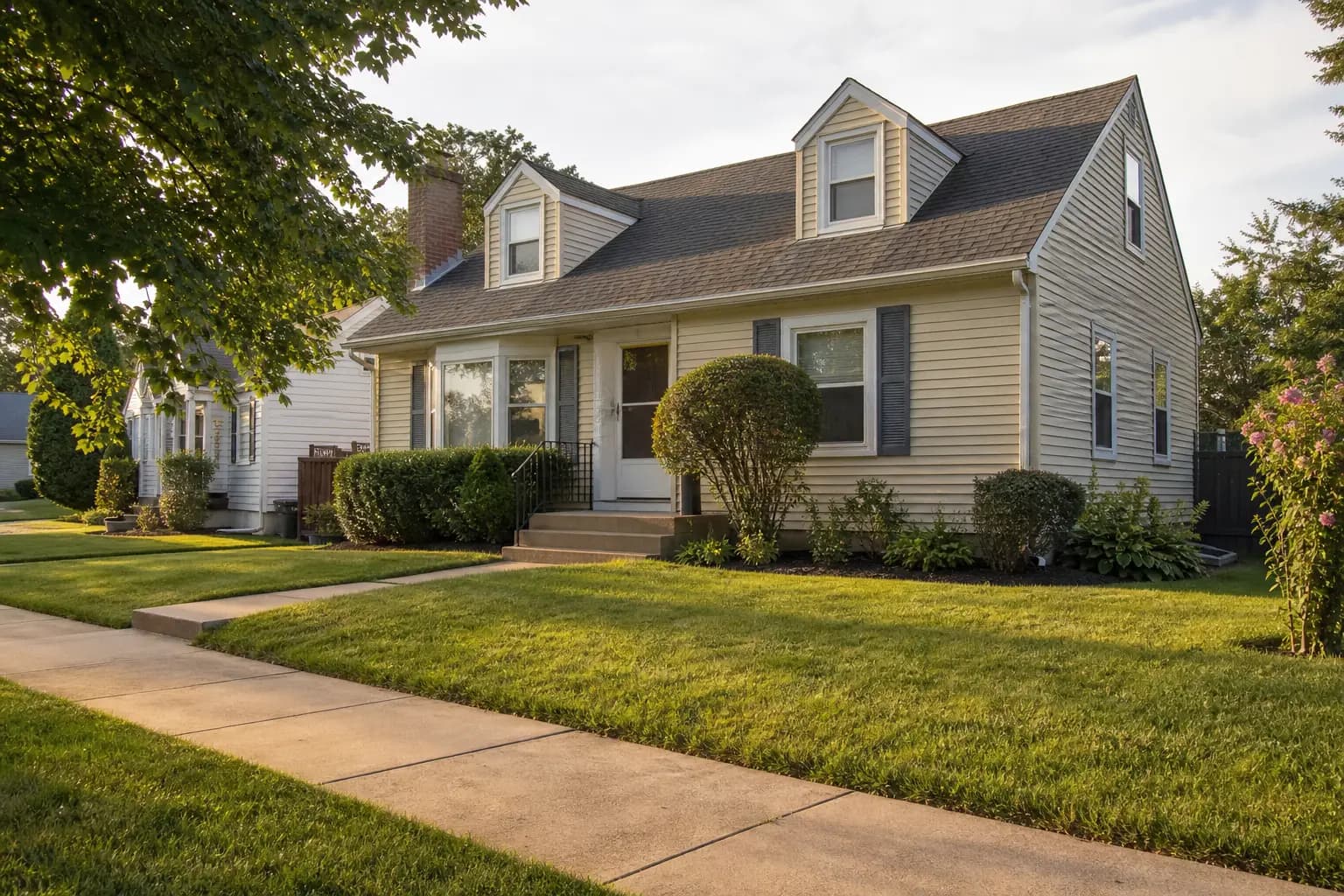
Squatters rights in Georgia are limited: an unauthorized occupant does not get ownership unless they prove adverse possession, generally for 20 years or as few as seven years with color of title. Georgia law also has an unlawful squatting offense under O.C.G.A. 16-7-21.1. Removal depends on the facts. A tenant usually goes through dispossessory court. An intruder may go through the Georgia intruder affidavit process and magistrate court if a counteraffidavit is filed.
Key facts
- Georgia law defines unlawful squatting as entering and residing on another person’s property without the owner’s knowledge or consent.
- A person accused of unlawful squatting must receive a citation giving three business days to present proper entry documents.
- An intruder affidavit must be shown at least three days before an officer turns out the person, unless the person tenders a counteraffidavit.
- Adverse possession in Georgia generally requires 20 years, or as few as seven years with color of title.
- A Georgia tenant is removed through a dispossessory proceeding, and the tenant generally has seven days from actual service to answer.
Selling in Indiana, Ohio, Wisconsin, Tennessee or Georgia? Get a written cash offer in 24 hours, no obligation.
Get my cash offerWhat squatter rights mean in Georgia
Georgia law defines unlawful squatting as entering on another person’s land or premises and residing there for any period of time while knowingly acting without the knowledge or consent of the owner, rightful occupant, or authorized representative. That rule is about an unauthorized person living on land or inside a house.
Squatters rights georgia searches often mix two separate issues. One issue is removal of someone who should not be there, and the other is the rare claim called adverse possession or title by prescription.
A squatter is not the same as a tenant
Georgia Courts says eviction is the removal of a tenant from rental property and the eviction lawsuit is also called a dispossessory proceeding. Georgia Courts says a landlord cannot evict a tenant without a proper court action and an eviction warrant.
For a tenant, O.C.G.A. 44-7-50 allows the owner to demand possession when the tenant stays beyond the rented or leased term or occupies as a tenant at will or tenant at sufferance. This is why an owner should look at what the person claims before assuming the right process.
| Occupant situation | Georgia process | What it means for the owner |
|---|---|---|
| Person living there without owner knowledge or consent | Unlawful squatting citation and possible intruder affidavit process | The person may have to show proper documents that authorize entry. |
| Person in possession who claims a legal right | Counteraffidavit can send the dispute to magistrate court for a nonjury trial | The officer does not simply turn out the person while the counteraffidavit is pending. |
| Tenant, tenant at will, or tenant at sufferance | Dispossessory process under O.C.G.A. 44-7-50 | The case is treated as a landlord tenant matter, not just as squatting. |
| Person claiming ownership by long possession | Adverse possession or title by prescription | The claim must meet Georgia’s possession rules and time periods. |
Adverse possession is not instant ownership
Under O.C.G.A. 44-5-161, possession used for prescriptive title must be in the right of the possessor, must not have originated in fraud except as provided in O.C.G.A. 44-5-162, must be public, continuous, exclusive, uninterrupted, and peaceable, and must be accompanied by a claim of right. Those words matter because living in a house for a short time is not enough by itself.
The Supreme Court of Georgia says title by prescription generally requires adverse possession for 20 years under O.C.G.A. 44-5-163. The Supreme Court of Georgia says title by prescription may be acquired in as few as seven years if the claimant possesses adversely under written evidence of title under O.C.G.A. 44-5-164.
- The Supreme Court of Georgia says written evidence of title under O.C.G.A. 44-5-164 means color of title.
- The Supreme Court of Georgia says a recorded deed by itself cannot establish both the notice and land possession requirements of adverse possession by color of title.
- A person who just moved into a vacant house has not met the 20 year period or the seven year color of title period.

The 2024 Georgia Squatter Reform Act
The Georgia General Assembly summary calls the 2024 law the Georgia Squatter Reform Act and says it created the offense of unlawful squatting. O.C.G.A. 16-7-21.1 was enacted by HB 1017 effective April 24, 2024.
The 2024 Georgia General Assembly summary says the Act expanded magistrate court jurisdiction to include trial and sentencing of unlawful squatting violations and proceedings against intruders and unlawful squatting. That matters because the law connects the new offense with magistrate court and the intruder process.
- A person accused of unlawful squatting must receive a citation saying they have three business days to present properly executed documentation that authorizes entry.
- If the person cannot provide that documentation, O.C.G.A. 16-7-21.1 says the person is subject to arrest for unlawful squatting and, upon conviction, misdemeanor punishment.
- If the person provides documentation, a hearing must be set within seven days of the submission of that documentation.
How the Georgia intruder affidavit process works
An intruder affidavit is a written sworn statement claiming in good faith the right of possession to the described land or tenement and saying the named person in possession does not in good faith claim that right yet refuses to leave. After receiving that affidavit, the sheriff, deputy sheriff, constable, marshal, or other POST certified individual must exhibit the affidavit to the person in possession at least three days before turning that person out unless a counteraffidavit is tendered.
If no counteraffidavit is tendered, the officer shall turn out the person once three days have elapsed from the day the affidavit was exhibited. If a counteraffidavit is submitted, the officer does not turn out the person and returns both affidavits to the magistrate court clerk for a nonjury trial.
- If the magistrate determines the affidavit is not meritorious based on the preponderance of the evidence, the person is turned out as soon as practicable pursuant to a writ of possession.
- The court may award fair market value rent for the duration of the occupancy and other monetary relief found appropriate by the court.
- When the trial finds for the plaintiff, the clerk issues a writ of possession instanter and a fi. fa. for costs and any other monetary relief awarded by the court.

If the person is a tenant or claims to be one
In a dispossessory case, the summons requires the tenant to answer within seven days from actual service, with extra time to the next nonholiday weekday if the seventh day is a Saturday, Sunday, or legal holiday. For unpaid rent, late fees, utilities, or other charges, O.C.G.A. 44-7-50 uses a notice to vacate or pay within three business days before the owner may make the dispossessory affidavit.
A vacant or inherited house can also have estate or title questions before someone can truthfully sign papers claiming the right of possession. If the house came through an estate, this page on how long probate takes in Georgia may help with the sale side, and this page on Georgia year’s support and inherited houses explains another estate issue.
After possession is resolved, some owners keep the property, list it, rent it, or sell it as is. Selling to a cash buyer is one option, but the possession rules above are separate from a sale process, and this Georgia seller guide gives broader selling information.
Frequently asked questions
Can a squatter take ownership of my house in Georgia?
Only if the person proves adverse possession under Georgia law. The usual period is 20 years, or as few as seven years with color of title, and the possession must meet the O.C.G.A. 44-5-161 requirements.
Does a fake lease make someone a tenant in Georgia?
Georgia’s unlawful squatting law lets an accused person present documentation such as a lease, rental agreement, or proof of rental payments. If documentation is submitted, a hearing must be set within seven days, and the court can decide whether the documentation is properly executed or meritorious.
Can police remove a squatter right away in Georgia?
The Georgia sources do not give one instant removal rule for every case. O.C.G.A. 16-7-21.1 has a citation process, and O.C.G.A. 44-11-30 has an intruder affidavit process with a three day exhibit period unless a counteraffidavit is tendered.
What happens if the occupant files a counteraffidavit?
The officer does not turn out the person at that point. The affidavits go to the magistrate court clerk for a nonjury trial, and the court can issue a writ of possession if the counteraffidavit is not meritorious.
Is removing a tenant different from removing a squatter in Georgia?
Yes. A tenant is handled through the dispossessory process, which Georgia Courts describes as the eviction lawsuit. A landlord cannot evict a tenant without a proper court action and an eviction warrant.
How long does the Georgia squatter process take?
The official rules give several pieces of timing, not one total timeline. The unlawful squatting citation gives three business days to present documents, a documentation hearing must be set within seven days, and the intruder affidavit must be exhibited at least three days before turn out unless a counteraffidavit is tendered.
Sources
Checked against each source on November 21, 2026. This page is general information, not legal or tax advice. The illustrations are AI generated and do not show real people or places.
- S24G0864. Brownphil, LLC v. Cudjoe (Supreme Court of Georgia)
- O.C.G.A. 16-7-21.1 Unlawful squatting (State of Georgia Code Revision Commission and Office of Legislative Counsel)
- 2024 Summary of General Statutes, Georgia Squatter Reform Act (Georgia Legislative Services Committee, Office of Legislative Counsel)
- O.C.G.A. 44-11-30 through 44-11-33 Intruder proceedings (State of Georgia Code Revision Commission and Office of Legislative Counsel)
- O.C.G.A. 44-7-50 Dispossessory procedure (State of Georgia Code Revision Commission and Office of Legislative Counsel)
- Landlord Tenant Self Help Resources (Judicial Council of Georgia Administrative Office of the Courts and Georgia Legal Aid)
Related seller questions
- How long does an eviction take?
- How long does probate take in Georgia?
- Can Georgia year's support affect selling an inherited house?
- What is a quiet title action?