
What are squatters rights in Indiana?
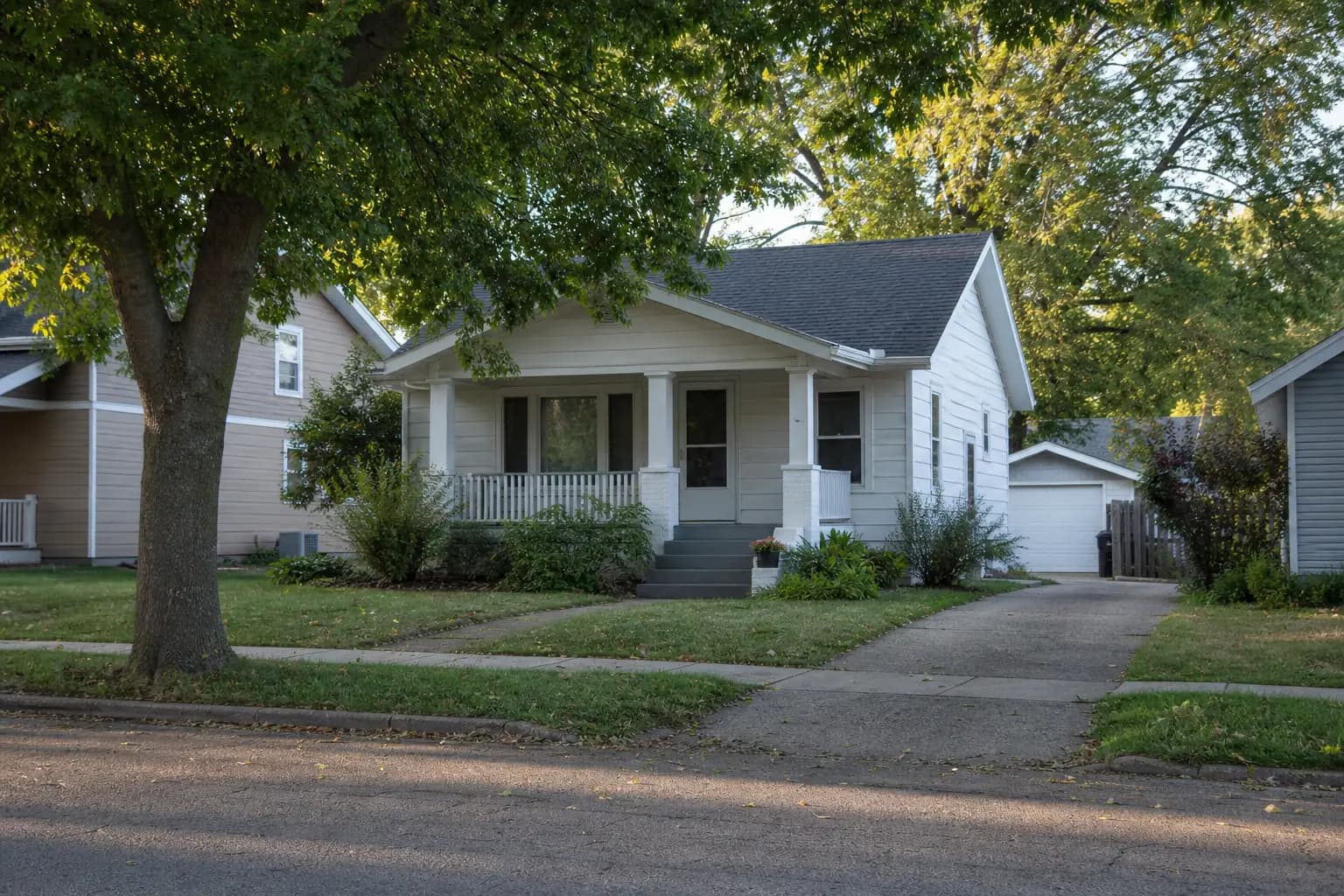
Squatters rights in Indiana depend on who is in the house: a tenant or former tenant is not the same as a stranger with no permission. If the occupant is a tenant, removal generally goes through court. Indiana court guidance says oral leases can be enforceable, and lockouts are not permitted unless the tenant has abandoned the premises. Adverse possession is a separate title issue, not an immediate right for someone to stay in a house.
Key facts
- A tenant or former tenant should not be treated the same as a stranger who never had permission to be there.
- Indiana's Small Claims Manual says oral lease agreements are enforceable.
- Indiana Judicial Branch guidance says removing someone from rental property generally requires a formal court process.
- Indiana's Small Claims Manual says actual eviction with the sheriff's participation will require a prior court order.
- Indiana's Small Claims Manual says lockouts are not permitted unless the tenant has abandoned the premises.
Selling in Indiana, Ohio, Wisconsin, Tennessee or Georgia? Get a written cash offer in 24 hours, no obligation.
Get my cash offerWhat counts as a squatter in Indiana
Indiana separates rental issues from other possession disputes. If the person had a lease, paid rent, or was allowed to stay, the issue may be a rental property removal matter.
The difference matters because the removal path can change. A person with a tenant issue is usually handled through a court process, not by changing locks or removing belongings without a court order.
| Occupant situation | Why it matters | General removal path |
|---|---|---|
| Person had a lease, paid rent, or was allowed to stay | May involve tenant rights | Formal court process for rental property removal |
| Person says there was an oral lease | Indiana's Small Claims Manual says oral lease agreements are enforceable | Do not assume there is no tenant issue just because nothing was signed |
| Facts are unclear or permission is disputed | The right category may depend on the facts | A court process may be needed |
Adverse possession is not an immediate right to stay
People often use the phrase squatters rights to mean adverse possession. In Indiana, that is a separate title issue.
A person who just moved into a vacant house does not become the owner just by being there. Adverse possession is not the same thing as a short term dispute over who can stay in the house.
This page does not cover the full adverse possession test. It focuses on the common seller question: what to do when someone is occupying a house and the owner wants the person out.

What if the occupant is a tenant or former tenant
A tenant is handled differently from a stranger with no permission. Indiana's Small Claims Manual says oral lease agreements are enforceable. That means a person may have rental rights even if there is no written lease in the owner's file.
Indiana Judicial Branch guidance says removing someone from rental property requires a formal court process. It also says an eviction is usually filed in Small Claims Court, and a Notice of Claim form starts the formal eviction process in Small Claims Court. For a broader timing overview, see our page on how long an eviction can take.
Indiana's Small Claims Manual says actual eviction with the sheriff's participation will require a prior court order. It also says lockouts are not permitted unless the tenant has abandoned the premises. So an expired lease or unpaid rent should be handled as a rental issue.
Other court paths may still exist
Some possession disputes are not simple rental cases. They may involve unclear permission, a claim of ownership, or another dispute about who has the right to possess the property.
For non rental possession disputes, Indiana records also refer to ejectment and recovery of possession actions. In ejectment or recovery of possession actions, the plaintiff may file an affidavit with the clerk and the clerk shall issue an order for a hearing to show cause.
Which path fits depends on the facts, such as whether there was permission, rent, an expired lease, or a claimed ownership interest. This page gives the general Indiana categories. It does not decide a specific dispute.
- Use the rental property court process when the person is a tenant or former tenant.
- Do not assume a lockout is allowed if the person may be a tenant.
- Consider court options when the dispute is not a rental case and the facts are unclear.
What this means before selling the house
If the house is vacant, inherited, or used as a rental, first sort out what type of occupant you are dealing with. The fastest sounding label is not always the correct one. Indiana law treats a tenant, a former tenant, and an unclear possession dispute in different ways.
Avoid a lockout if the person may be a tenant, because Indiana's Small Claims Manual says lockouts are not permitted unless the tenant has abandoned the premises. If the house is inherited, you may also need to look at title and estate issues. Our page on whether an Indiana small estate affidavit can transfer real estate covers a separate inheritance topic.
After the possession issue is being handled, the sale plan is a separate choice. Listing the house, keeping it as a rental, or selling to a cash buyer are possible paths depending on your goals and the condition of the property. You can compare a cash offer and a listing agent without assuming one route fits every owner.
Frequently asked questions
Can a squatter become the owner of a house in Indiana?
Adverse possession is a separate title issue. This page does not give the full test. A person does not become the owner just because they moved into a house or stayed there without permission.
Is a tenant with an expired lease a squatter in Indiana?
Do not assume that. If someone had a rental agreement, paid rent, or was allowed to stay, the issue may need to be handled as a rental property removal matter. Indiana Judicial Branch guidance says removing someone from rental property generally requires a formal court process.
What if the occupant says there was an oral lease?
Indiana's Small Claims Manual says oral lease agreements are enforceable. That does not prove the person has a valid lease in a specific case, but it means an owner should not assume there is no tenant issue just because nothing was signed.
Can I change the locks on an Indiana rental house to remove someone?
Indiana's Small Claims Manual says lockouts are not permitted unless the tenant has abandoned the premises. It also says actual eviction with the sheriff's participation will require a prior court order.
Sources
Checked against each source on November 21, 2026. This page is general information, not legal or tax advice. The illustrations are AI generated and do not show real people or places.
- Small Claims Manual (2026) (Indiana Office of Court Services)
- Legal information guide (Indiana Judicial Branch)
- Resource Library: Clerk of the Circuit Court (Indiana State Board of Accounts)
Related seller questions
- How long does an eviction take?
- Can an Indiana small estate affidavit transfer real estate?
- Should I sell or rent my house?
- How can I sell my house fast?