What is Indiana known for?
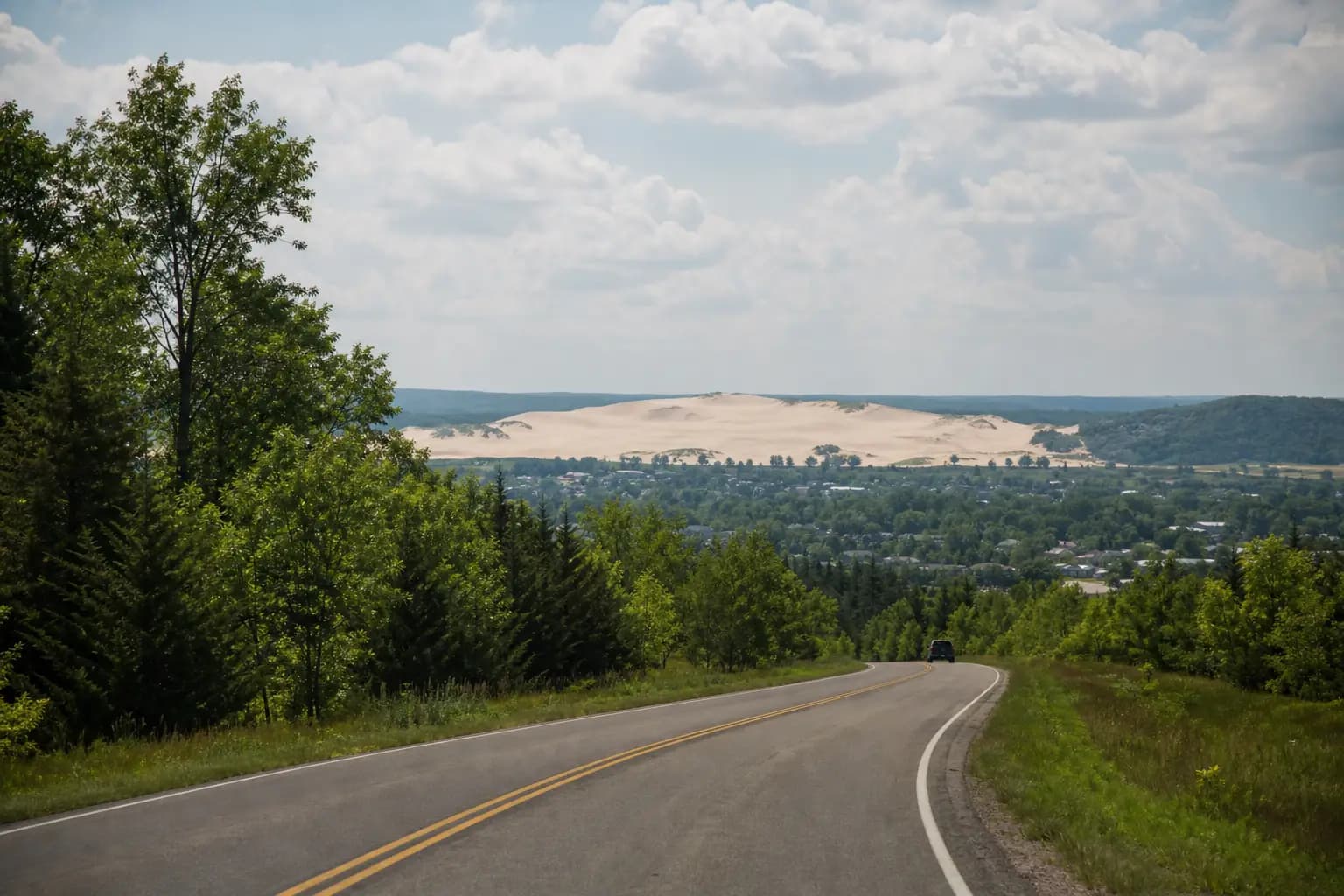
Indiana is known for Lake Michigan dunes, wooded hill country, Indianapolis racing culture, architecture in Columbus, covered bridges, riverfronts and museums. A statewide trip can move from Indiana Dunes National Park to Indianapolis, then on to New Harmony or Lincoln Boyhood National Memorial. Many of its signature places are parks, downtown walks, historic districts and museum campuses that are easy to build into a road trip across Indiana.
Key facts
- Indiana Dunes National Park offers outdoor recreation in every season.
- Visit Indy says, "Indy has more monuments and memorials than any U.S. city outside of Washington DC."
- White River State Park has 250 acres, a scenic canal and multiple attractions in downtown Indianapolis.
- Parke County has 31 historic covered bridges.
- Lincoln Boyhood National Memorial interprets Abraham Lincoln's years on southern Indiana soil.
Own a house in Indiana you are thinking of selling? See how our cash offer works.
Lake Michigan dunes and Brown County hills
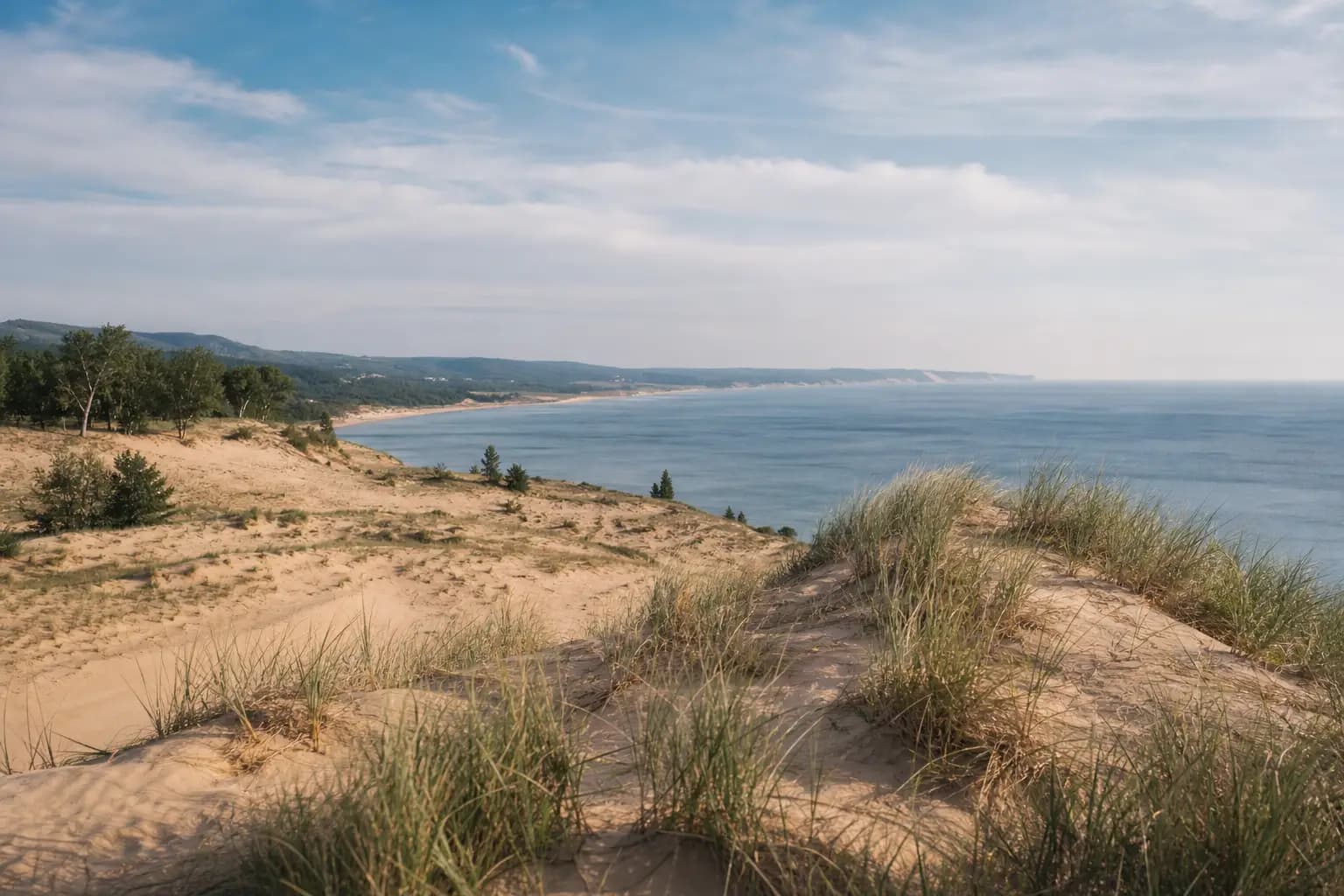
Indiana's outdoor image starts at Indiana Dunes National Park, where the National Park Service invites visitors to enjoy the outdoors in every season. The park is associated with the state's Lake Michigan shoreline, dunes, beaches, hiking, birding and camping. It gives Indiana a lakefront national park experience in a state that also has strong inland park traditions.
Farther south, Brown County State Park is the hill country counterpoint. Visitors can climb the park's Fire Tower for a view of the hills o' Brown, and the park also points people toward vistas for sunrise or sunset.
Indianapolis icons, racing and the downtown park district
Indianapolis is the state's central sightseeing hub for motorsports, monuments and downtown walking. Visit Indy says "Indy has more monuments and memorials than any U.S. city outside of Washington DC." The racing side includes Indianapolis 500 heritage, Indianapolis Motor Speedway and the Indianapolis Motor Speedway Museum, which represents more than a century of Speedway history.
White River State Park gives visitors a cluster of walkable stops in the heart of downtown Indianapolis, with 250 acres, a scenic canal and multiple attractions. It also connects with Cultural Trail sightseeing and the Central Canal, so a city day can mix museums, water views and public spaces.
Architecture and walkable downtowns
Columbus adds a different kind of Indiana sightseeing: architecture you can experience on foot. The city has a guided downtown walking tour focused on architecture. The tour makes architecture part of a downtown walk rather than a single stop.
Indianapolis also has walkable cultural districts, including Mass Ave, Fountain Square and Indiana Avenue. The Cultural Trail and Central Canal help connect outdoor walking with museums and neighborhoods. These areas are useful for visitors who want a city day built around streets, canal edges and architecture rather than a single attraction.
Historic towns, Lincoln country and covered bridges
New Harmony is one of Indiana's most distinctive historic towns, with a layered story tied to preservation and community life. Its history is connected with the Harmonist and Owenite communities, along with education, science and social reform. Visitors encounter it as a living town and historic district rather than only as a single museum site.
Lincoln Boyhood National Memorial tells another southern Indiana story. Abraham Lincoln grew from youth to manhood on this soil, and park rangers depict pioneer life in the 1820s. The memorial experience includes a memorial building, a cabin site and the gravesite of Nancy Hanks Lincoln.
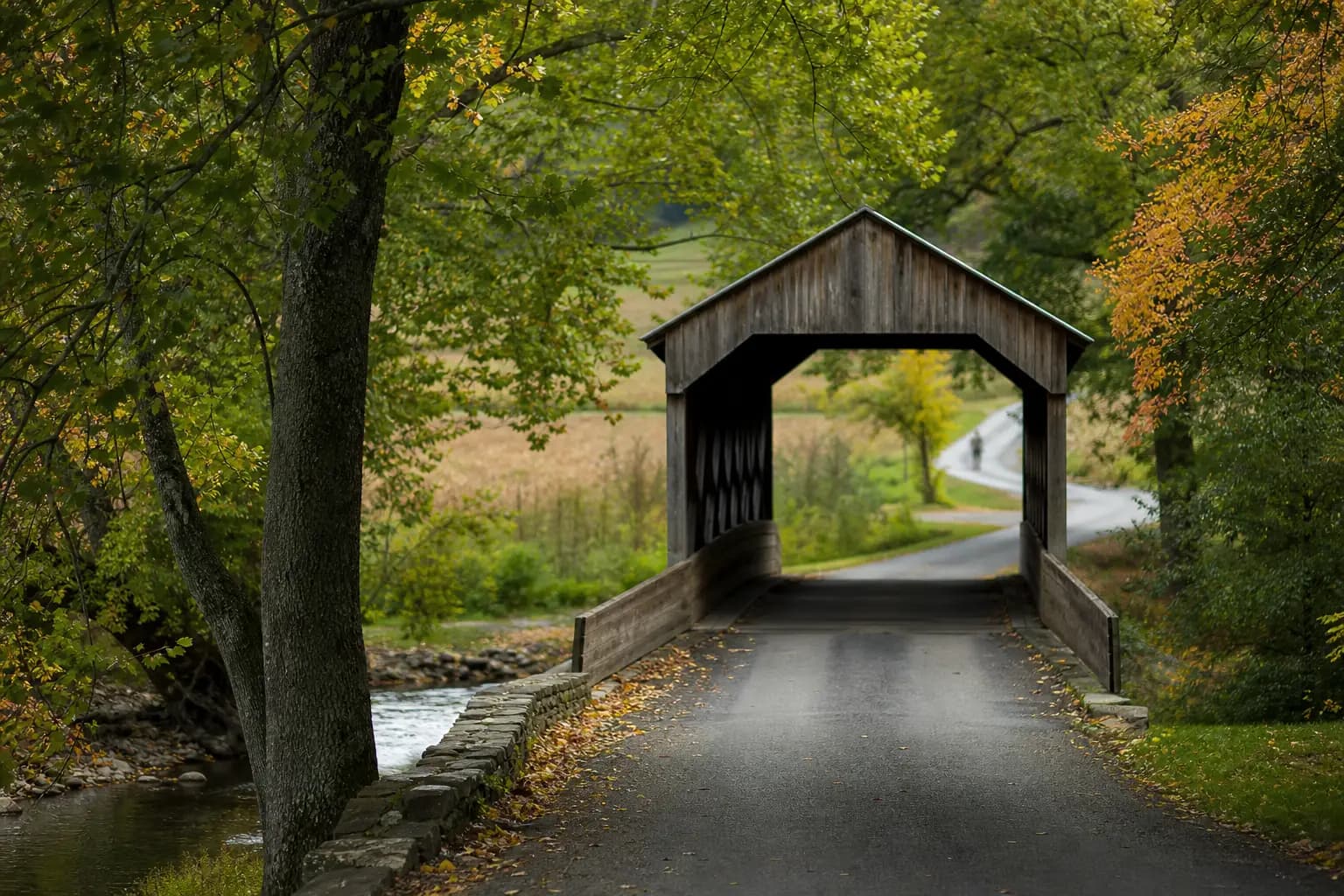
Parke County adds a covered bridge theme to the trip. The county has 31 historic covered bridges. That concentration gives covered bridges a clear place in Indiana's historic sightseeing story.
Riverfront walks and museum anchors
Fort Wayne adds a downtown riverfront note to Indiana sightseeing through Riverfront Fort Wayne. It broadens the trip beyond Indianapolis and the lakefront into another Indiana city. For travelers building a route across the state, it is part of the same pattern of downtown places, water edges and public spaces.
Museums also shape Indiana's sightseeing identity, especially in Indianapolis. White River State Park gives visitors a downtown base with 250 acres, a scenic canal and multiple attractions. The Indianapolis Motor Speedway Museum adds auto racing history through more than a century of Speedway heritage.
Frequently asked questions
What is Indiana most known for in sightseeing?
Indiana is known for Indiana Dunes National Park, Indianapolis racing history, Brown County hill scenery, Columbus architecture, New Harmony, Lincoln Boyhood National Memorial, Parke County covered bridges and riverfronts. The strongest sightseeing themes are parks, historic places, architecture, museums and walkable city districts.
Where should a first time visitor start in Indianapolis?
White River State Park is an easy starting point because it has 250 acres, a scenic canal and multiple downtown attractions. Visitors can also pair a downtown park visit with the city's motorsports history.
Is Indiana known for natural scenery?
Yes. Indiana Dunes National Park is tied to Lake Michigan shoreline scenery, dunes, beaches, hiking, birding and camping. Brown County State Park adds hill country views and vistas for sunrise or sunset.
What historic places is Indiana known for?
New Harmony is known as a living town with a layered history connected to the Harmonist and Owenite communities. Lincoln Boyhood National Memorial interprets Abraham Lincoln's Indiana years and pioneer life in the 1820s, while Parke County is known for its 31 historic covered bridges.
Which Indiana towns or districts are good for walking?
Columbus has a guided downtown walking tour focused on architecture. Indianapolis has walkable districts such as Mass Ave, Fountain Square and Indiana Avenue, with the Cultural Trail and Central Canal helping connect outdoor walking, museums and neighborhoods.
Sources
Checked against each source on November 19, 2026. Opening hours, prices and event dates change, so check with the venue before you go. The illustrations are AI generated and do not show real places.
- Things To Do, Indiana Dunes National Park (National Park Service)
- Brown County State Park (Indiana Department of Natural Resources)
- Things to Do IN West Central Indiana (Indiana Destination Development Corporation, Visit Indiana)
- Things To Do in Indianapolis (Visit Indy)
- White River State Park Guide (Visit Indy)
- About Us (Indianapolis Motor Speedway Museum)
- Our History (University of Southern Indiana, Historic New Harmony)
- Lincoln Boyhood National Memorial (National Park Service)
- Visit Riverfront Fort Wayne (Riverfront Fort Wayne, Fort Wayne Parks & Recreation)