
A Short History Of Cincinnati, Ohio
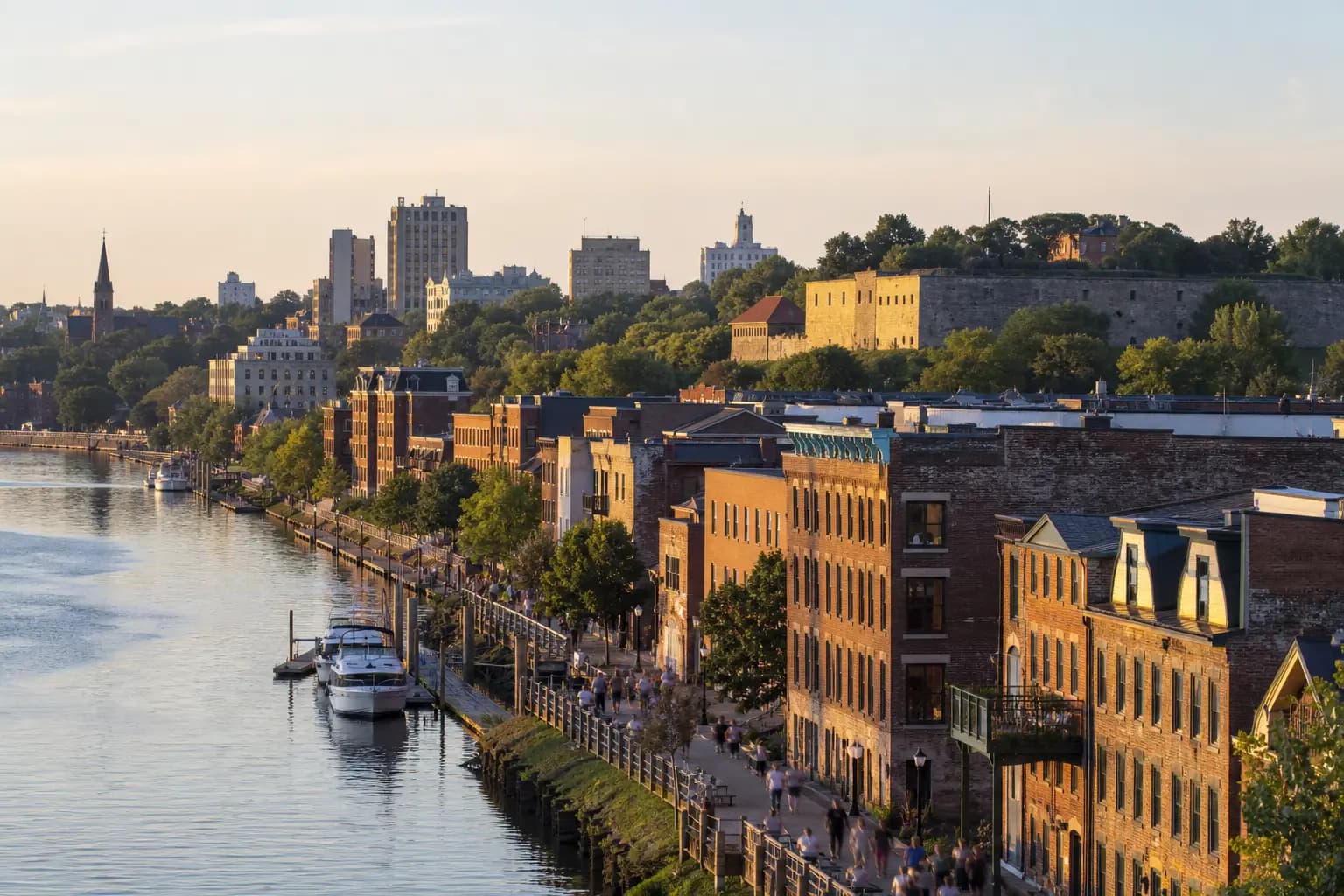
Cincinnati history starts long before the city name, with Indigenous peoples in Ohio and Adena, Hopewell and Shawnee presence noted by Cincinnati Parks. The European American town began at Yeatman's Cove in 1788, grew around Fort Washington and canal trade, then became a major nineteenth century city shaped by German immigration, public markets, industry and abolition. Today, visitors can follow that story in Over-the-Rhine, Findlay Market, the Freedom Center and the Harriet Beecher Stowe House.
Key facts
- The early European American settlement was named Losantiville at Yeatman's Cove in 1788.
- Fort Washington was central to the early town.
- Cincinnati's river economy included steamboats, sawmills, pork packing, shipyards and later barge traffic.
- Over-the-Rhine reflects successive waves of German immigration and exceptional nineteenth century architecture.
Own a house in Cincinnati you are thinking of selling? See how our cash offer works.
Before Losantiville: Indigenous Ohio
Cincinnati history begins before Losantiville or the city grid. Cincinnati Parks notes that Indigenous people already called Ohio home, including the prehistoric Adena and Hopewell cultures, and that the Shawnee came into Southern Ohio. That long history can be approached in local parks as well as in formal history exhibits. City materials connect Indigenous history with places such as Alms Park, California Woods, Ault Park, French Park, Caldwell Preserve, McFarlan Woods and Thornton Park.
1788: Losantiville, Fort Washington And A New Name
European American Cincinnati began at Yeatman's Cove in 1788. The settlement was named Losantiville, and the early town was tied to Fort Washington and General Arthur St. Clair's renaming. The fort gives the founding story a military landmark. A downtown walk around Yeatman's Cove connects the settlement name, the fort and the later Cincinnati name in the same part of the city.
River Town To Boomtown
City transportation history says the Ohio River has always been important to Cincinnati, and the city became a large hub for the pork trade. Federal preservation history also connects the city's growth with the Miami and Erie Canal. The river economy included steamboats, sawmills, pork packing, shipyards and later barge traffic. Cincinnati later rose to the sixth largest city in the nation, a scale that helps explain the number of historic districts and landmarks still associated with the city.
German Immigration And Over-the-Rhine
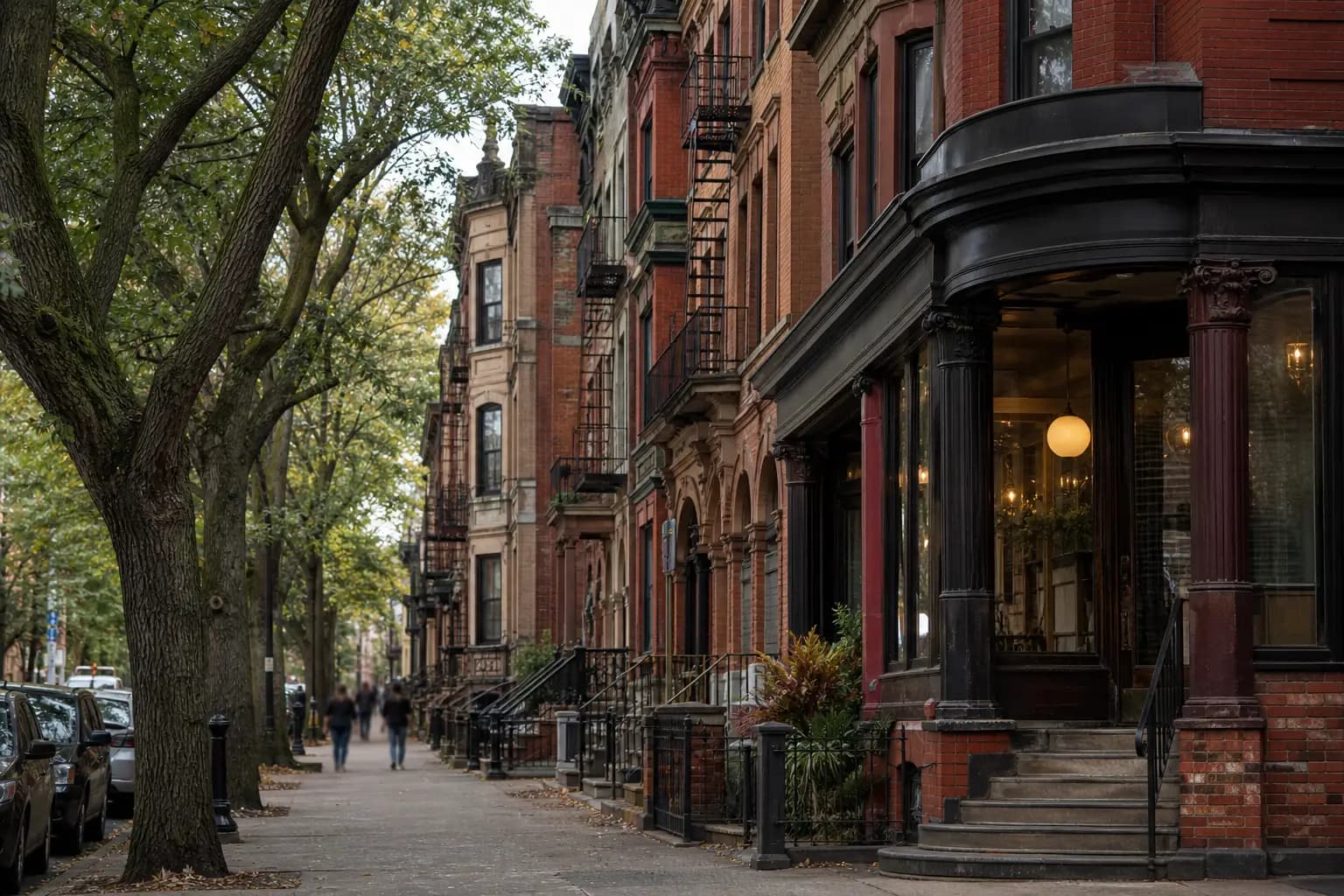
Over-the-Rhine gives visitors a direct way to read immigration history in Cincinnati. City preservation guidelines describe the district through the National Register of Historic Places, successive waves of German immigration and exceptional nineteenth century architecture. The neighborhood's brick streetscapes, storefront housing, brick buildings and dense walking city development carry that history in ordinary blocks, not only in landmark buildings. A visitor can understand the scale of German settlement by noticing how much of the district survives as a connected urban place rather than as isolated remnants.
Borderland Freedom Struggles
Cincinnati's freedom struggle history is part of the city's public history today. The National Underground Railroad Freedom Center is one place where visitors encounter Underground Railroad history in Cincinnati. The Harriet Beecher Stowe House adds another stop for understanding abolition era Cincinnati. Together, those places help place the city's nineteenth century story alongside debates over slavery, freedom and citizenship.
Findlay Market And Neighborhood Life
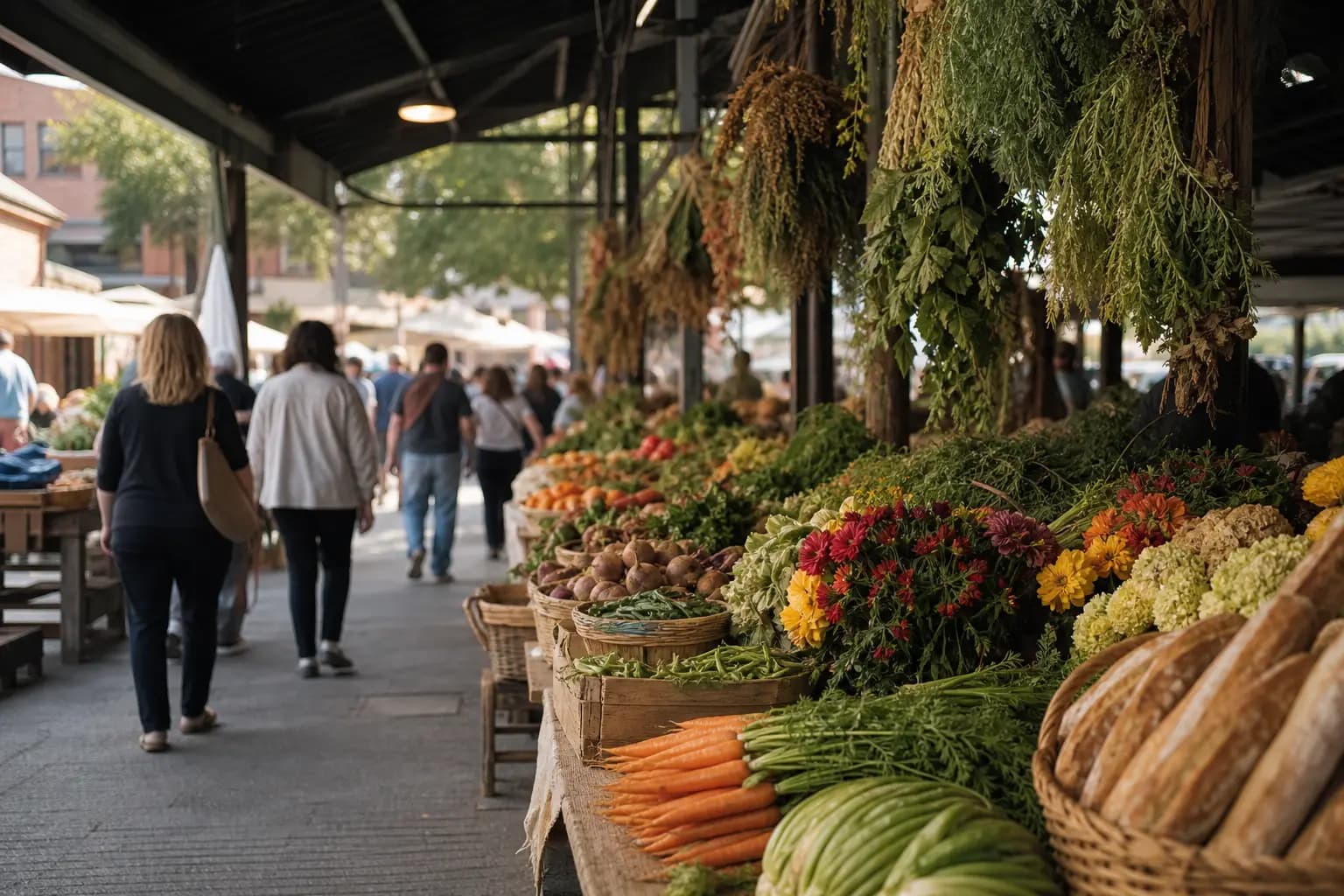
Findlay Market shows how neighborhood food buying became part of Cincinnati's civic structure. The market's own history identifies it as the only surviving municipal market house in the city and as Ohio's oldest surviving municipal market house. The market house was erected in 1852. For visitors, Findlay Market is a present day way to connect nineteenth century city planning with everyday food culture.
Frequently asked questions
When did Cincinnati start?
The European American settlement began at Yeatman's Cove in 1788. It was first named Losantiville, then became Cincinnati through General Arthur St. Clair's renaming.
Who lived in the area before Losantiville?
Indigenous people already called Ohio home before European American settlement. Cincinnati Parks names the prehistoric Adena and Hopewell cultures and notes Shawnee presence in Southern Ohio.
Why did Cincinnati grow so quickly in the nineteenth century?
Cincinnati became a large hub for the pork trade. The Miami and Erie Canal and river industries such as steamboats, sawmills, pork packing and shipyards also belong to that growth story.
Where can visitors see German immigration history?
Over-the-Rhine is a direct place to see that story. City preservation materials connect the district with successive waves of German immigration, National Register status and exceptional nineteenth century architecture.
How does the Underground Railroad fit into Cincinnati history?
The National Underground Railroad Freedom Center interprets Underground Railroad history in Cincinnati, and the Harriet Beecher Stowe House adds another stop for understanding abolition era Cincinnati.
What historic market should history minded visitors know?
Findlay Market was erected in 1852 and is described as Ohio's oldest surviving municipal market house.
Sources
Checked against each source on November 20, 2026. Opening hours, prices and event dates change, so check with the venue before you go. The illustrations are AI generated and do not show real places.
- Celebrating Indigenous People's Day (Cincinnati Parks, City of Cincinnati)
- ABOUT CINCINNATI (City of Cincinnati)
- Cincinnati, Ohio (Advisory Council on Historic Preservation)
- By River (City of Cincinnati Department of Transportation & Engineering)
- Over-the-Rhine Historic District / Historic Conservation Guidelines for New Construction (City of Cincinnati City Planning / Historic Conservation Office)
- History (Findlay Market)
More guides in Ohio
Sightseeing Cincinnati
Things to Do in Cincinnati, OhioExplore things to do in Cincinnati, from riverfront parks and Over-the-Rhine to Findlay Market, Eden Park and the Cincinnati Zoo.
Food Cincinnati
What Food Is Cincinnati Known For?Learn what food Cincinnati is known for, from chili over spaghetti and goetta to Findlay Market, Graeter's and food festivals.
Food Cincinnati
What Is Findlay Market in Cincinnati Known For?Learn Findlay Market history, its 1850s market house, weekend Farmers Market, and the foods and merchants visitors find today.
Sightseeing Cincinnati
What Is Cincinnati Known For?See what Cincinnati is known for, from Ohio River landmarks and Over-the-Rhine to Union Terminal, museums, parks and the zoo.
Food Cincinnati
What is goetta, Cincinnati's breakfast sausage?Learn how goetta blends ground meat and oats, why it became a Cincinnati breakfast staple, and where it appears at markets and Goettafest.
History Ohio
Cedar Point HistoryExplore cedar point history from the 1870 beach and steamboat era to Hotel Breakers, record coasters, the lighthouse and Sandusky museum.