
What Is Cincinnati Known For in Sightseeing?
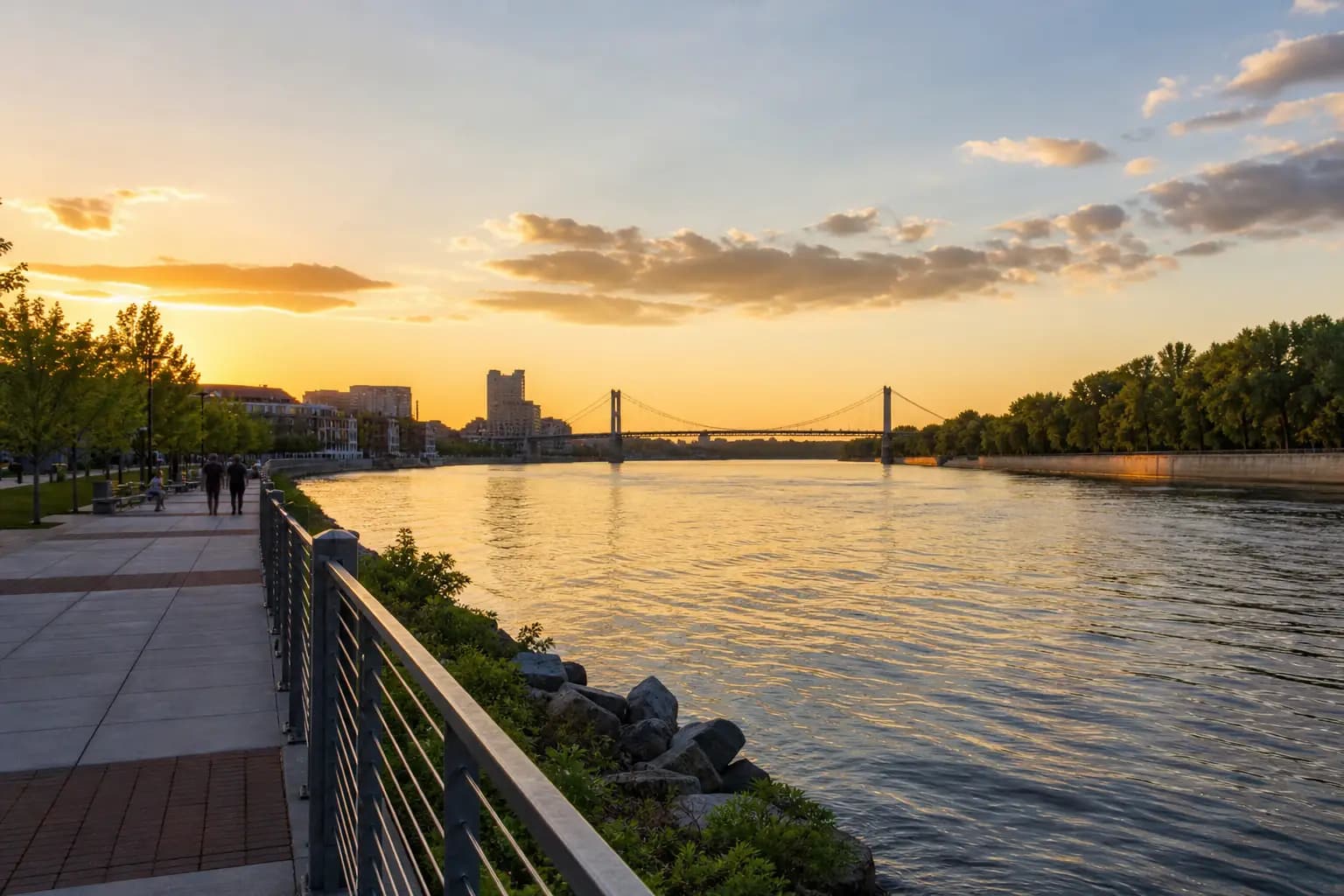
Cincinnati is known for Ohio River sights, landmark architecture and neighborhoods where the city's public life is easy to see on foot. The riverfront has The Banks and the Covington and Cincinnati Suspension Bridge. Over-the-Rhine brings together Findlay Market, Music Hall, historic streetscapes and long-running public life. The National Underground Railroad Freedom Center, Union Terminal, Spring Grove Cemetery & Arboretum and the Cincinnati Zoo and Botanical Garden round out the city's main sightseeing circuit.
Key facts
- The Covington and Cincinnati Suspension Bridge spans the Ohio River between Covington, Kentucky, and Cincinnati, Ohio.
- Findlay Market was listed on the National Register of Historic Places in 1972.
- Union Terminal's Rotunda interior dome spans 180 feet.
Own a house in Cincinnati you are thinking of selling? See how our cash offer works.
Ohio River landmarks and The Banks
Cincinnati's riverfront is one of the clearest answers to what Cincinnati is known for. The Banks sits along the Cincinnati riverfront, with scenic riverfront views and places to dine and shop. From there, the Ohio River is the organizing feature, tying downtown sightseeing to the bridge and the Kentucky side of the water.
The Covington and Cincinnati Suspension Bridge is the landmark crossing here. Its National Register record lists John A. Roebling as architect and identifies engineering as an area of significance. It spans the Ohio River between Covington, Kentucky, and Cincinnati, Ohio, so even a short riverfront walk gives visitors a strong sense of the city as a river city.
Over-the-Rhine, Findlay Market and Music Hall
Over-the-Rhine is a natural place to understand Cincinnati on foot. Its documented architectural styles include Greek Revival and Late Victorian. Its areas of significance include industry, commerce, European architecture, religion, social history and performing arts, which helps explain why the neighborhood has markets, churches, streetscapes and performance landmarks in the same historic setting.
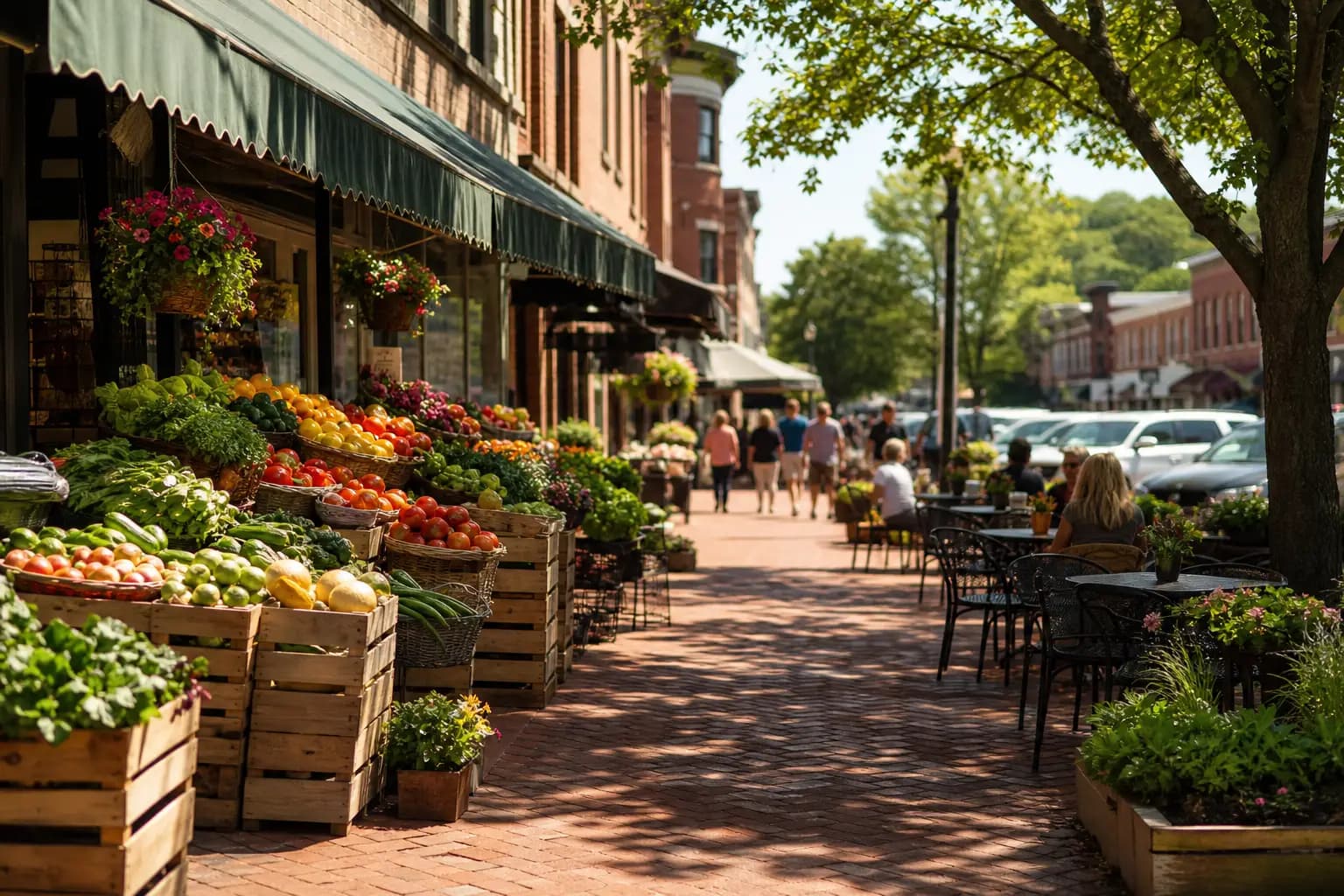
Findlay Market gives the district its public market anchor. Findlay Market describes itself as "Ohio's oldest surviving municipal market house." It was listed on the National Register of Historic Places in 1972, and its center masonry tower was added in 1902. For more on that story, see Findlay Market's Cincinnati history and food.
Music Hall adds a performance landmark to the same sightseeing area. In a compact visit, the market, streetscapes and performance landmark give the neighborhood a clear mix of food, architecture and public life. That mix is a big part of why Over-the-Rhine remains one of Cincinnati's most recognizable sightseeing areas.
Union Terminal and the museum landmark
At Union Terminal, Cincinnati Museum Center presents one of the city's signature civic buildings. Cincinnati Museum Center calls Union Terminal "one of the last great American train stations built" and a significant development in Cincinnati transportation. Sightseeing here begins with the building itself, rather than only the exhibitions inside.
The reason is architectural scale. Union Terminal is described as one of the most widely regarded examples of the Art Deco style, and the Rotunda's interior dome spans 180 feet. A historic restoration was completed in 2018, so visitors encounter a restored civic landmark with the scale and form of a major train station.
Freedom Center and Underground Railroad history
The National Underground Railroad Freedom Center gives Cincinnati sightseeing a history stop focused on the Underground Railroad. Its history describes the Ohio River as "the great natural barrier." That phrase points to Cincinnati's borderland setting and the way the river shaped stories of slavery and freedom.
The museum adds a serious historical thread to a sightseeing route often built around architecture, markets and river views. It also helps connect Cincinnati's local story to a larger American history. For visitors planning a first pass through the city, the Freedom Center is one of the central cultural stops.
Spring Grove Cemetery & Arboretum and the Cincinnati Zoo
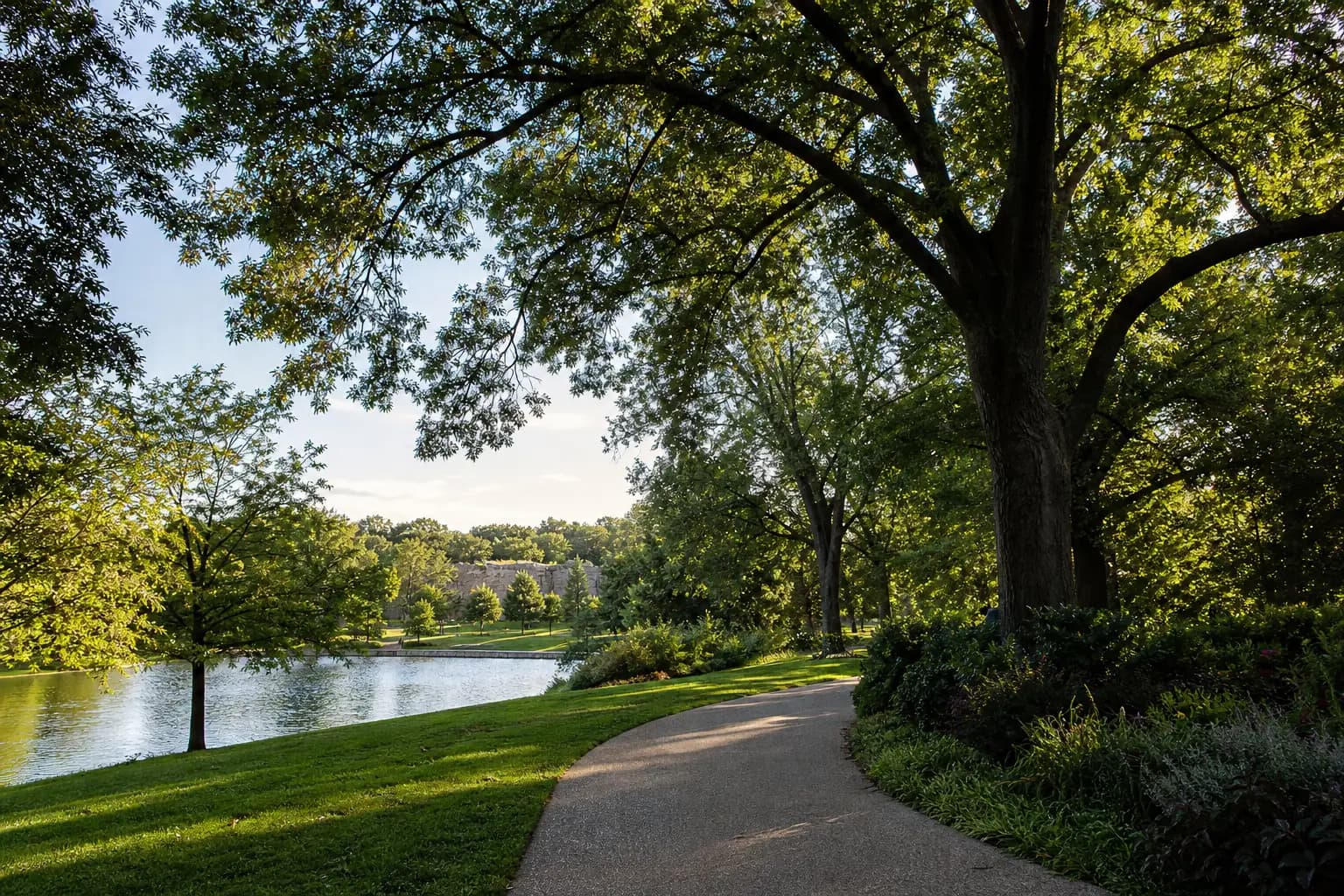
Cincinnati's sightseeing reputation also includes large landscaped places with long histories. Spring Grove's visitor guide identifies it as a National Historic Landmark. Its name tells part of the experience: it is both a cemetery and an arboretum, which places memorial grounds and cultivated trees in the same setting.
The Cincinnati Zoo and Botanical Garden adds another long-running outdoor institution and is listed as a National Historic Landmark. Together, these places broaden a sightseeing trip beyond downtown buildings and the riverfront. One stop centers on cemetery and arboretum grounds, while the other centers on a zoo and botanical garden.
Frequently asked questions
What is Cincinnati known for in sightseeing?
Cincinnati is known for its Ohio River setting, Over-the-Rhine, Union Terminal, the National Underground Railroad Freedom Center, Spring Grove Cemetery & Arboretum and the Cincinnati Zoo and Botanical Garden. The main pattern is riverfront history plus landmark architecture and large cultural landscapes.
What Cincinnati neighborhood is good for a walk?
Over-the-Rhine is a strong neighborhood walk for visitors. Its documented architecture includes Greek Revival and Late Victorian styles, and it includes anchors such as Findlay Market and Music Hall.
What is special about Findlay Market?
Findlay Market describes itself as "Ohio's oldest surviving municipal market house." It was listed on the National Register of Historic Places in 1972, and its center masonry tower was added in 1902.
Which Cincinnati landmark is in an old train station?
Union Terminal is Cincinnati's great train station landmark. Cincinnati Museum Center describes it as "one of the last great American train stations built" and one of the most widely regarded examples of the Art Deco style.
What green places is Cincinnati known for?
Spring Grove Cemetery & Arboretum is identified as a National Historic Landmark. The Cincinnati Zoo and Botanical Garden is also listed as a National Historic Landmark.
Sources
Checked against each source on November 19, 2026. Opening hours, prices and event dates change, so check with the venue before you go. The illustrations are AI generated and do not show real places.
- NPGallery Asset Detail, Over-the-Rhine Historic District (National Park Service / National Register of Historic Places)
- History, Findlay Market (Findlay Market)
- About Union Terminal (Cincinnati Museum Center)
- Our History, National Underground Railroad Freedom Center (National Underground Railroad Freedom Center)
- The Banks Cincinnati (The Banks Cincinnati)
- NPGallery Asset Detail, Covington and Cincinnati Suspension Bridge (National Park Service / National Register of Historic Places)
More guides in Ohio
Food Cincinnati
What Is Findlay Market in Cincinnati Known For?Learn Findlay Market history, its 1850s market house, weekend Farmers Market, and the foods and merchants visitors find today.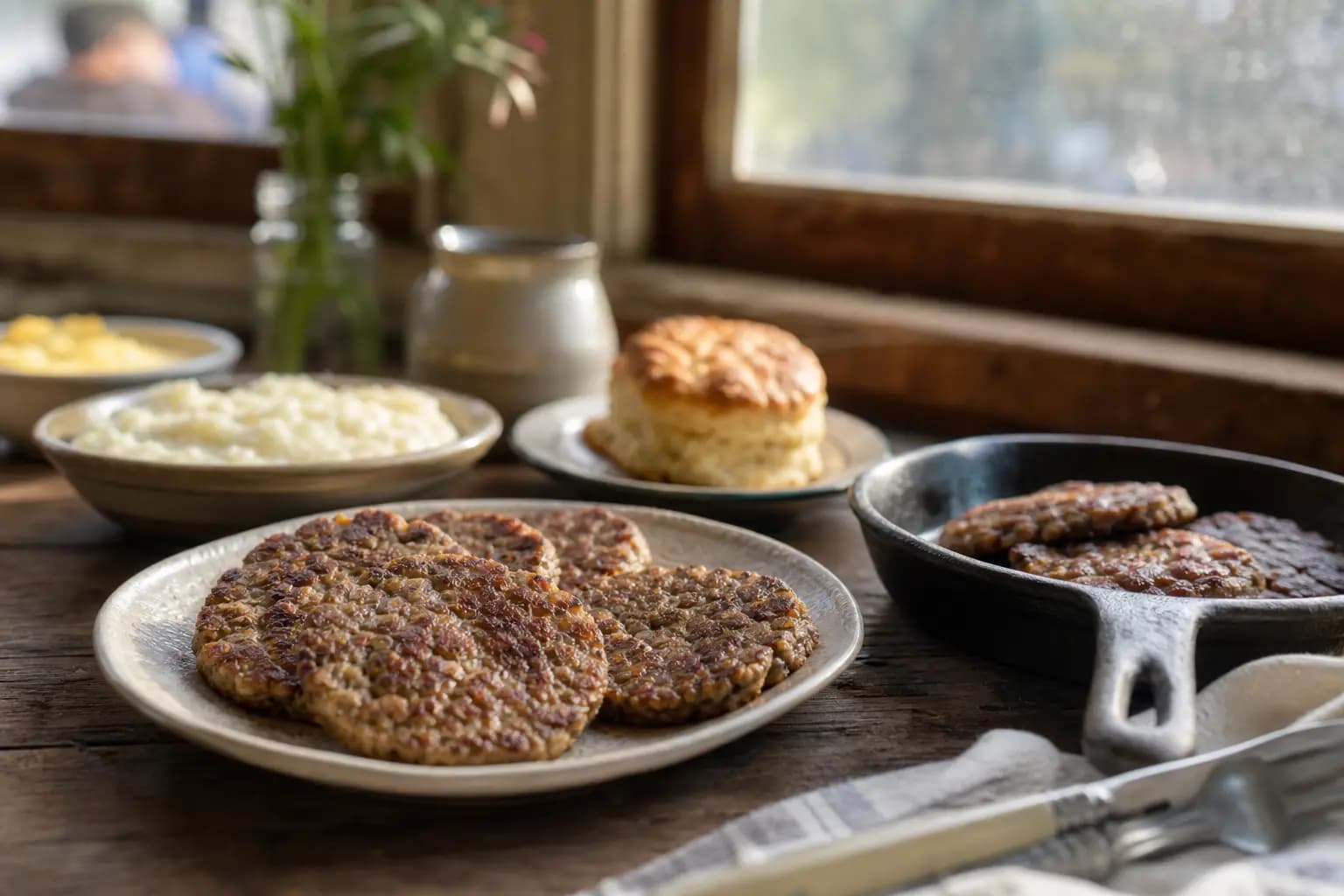
Food Cincinnati
What is goetta, Cincinnati's breakfast sausage?Learn how goetta blends ground meat and oats, why it became a Cincinnati breakfast staple, and where it appears at markets and Goettafest.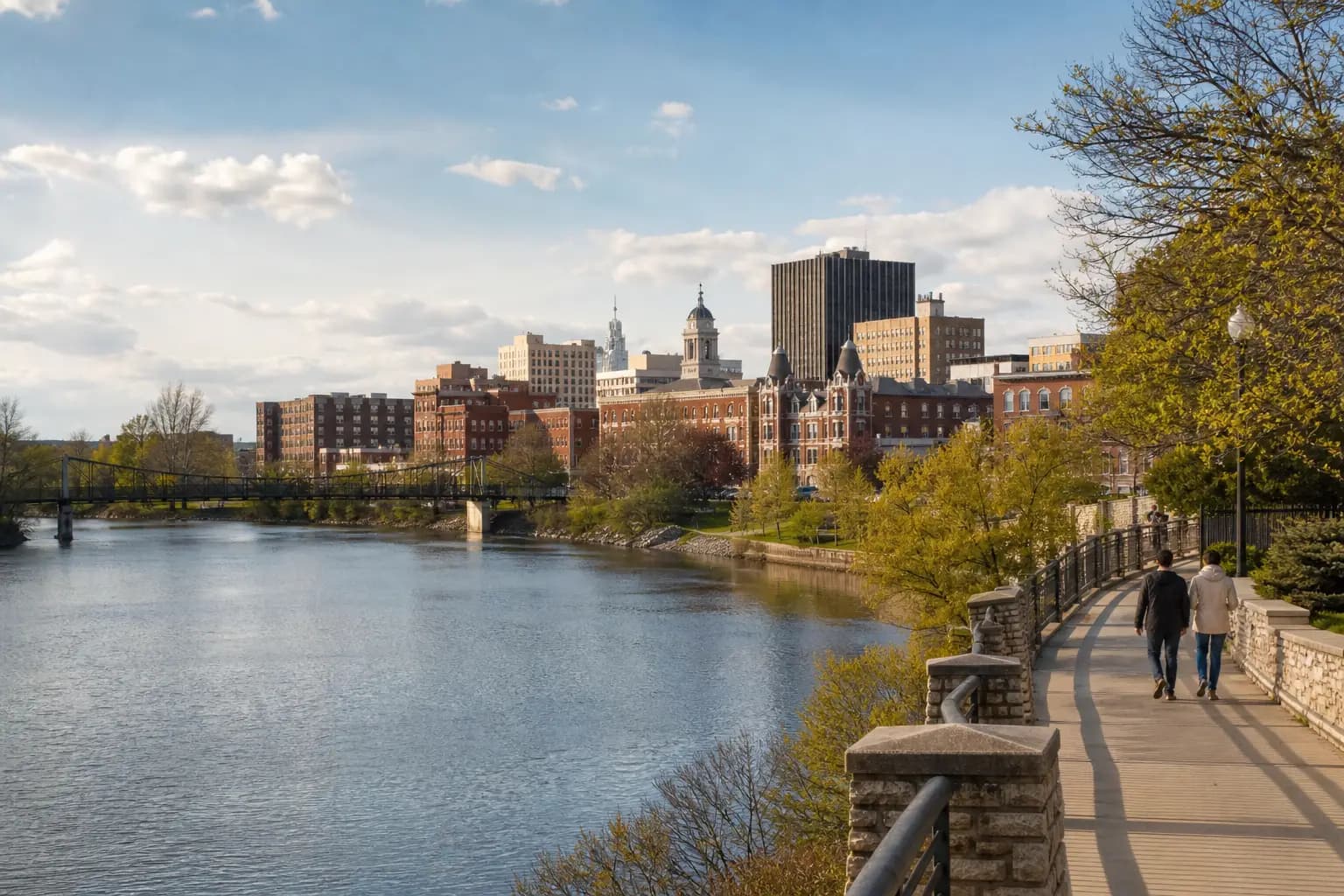
Sightseeing Toledo
Things to do in Toledo, Ohio for sightseeingPlan things to do in Toledo with downtown walks, Old West End architecture, museums, parks, gardens, zoo exhibits and nearby history.
Food Ohio
What food is Ohio known for across the state?Learn what food Ohio is known for, from Buckeye candy and Cincinnati chili to Polish Boys, Barberton chicken, markets and festivals.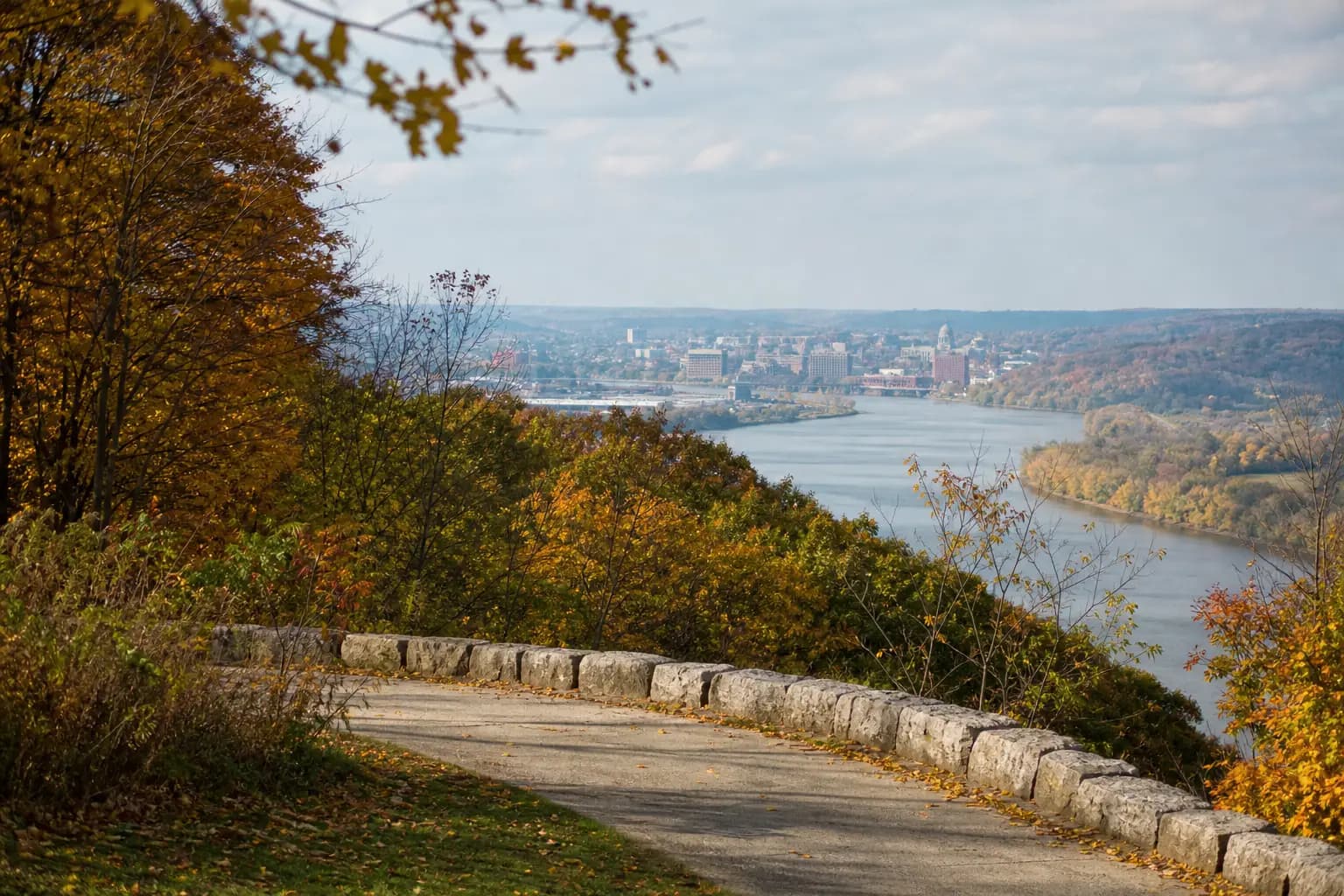
Sightseeing Ohio
What is Ohio known for? A sightseeing guideLearn what Ohio is known for, including Hocking Hills parks and trails, Cuyahoga canal trails, ancient earthworks, riverfronts, aviation and music museums.