
Dayton History: The Wright Brothers And More
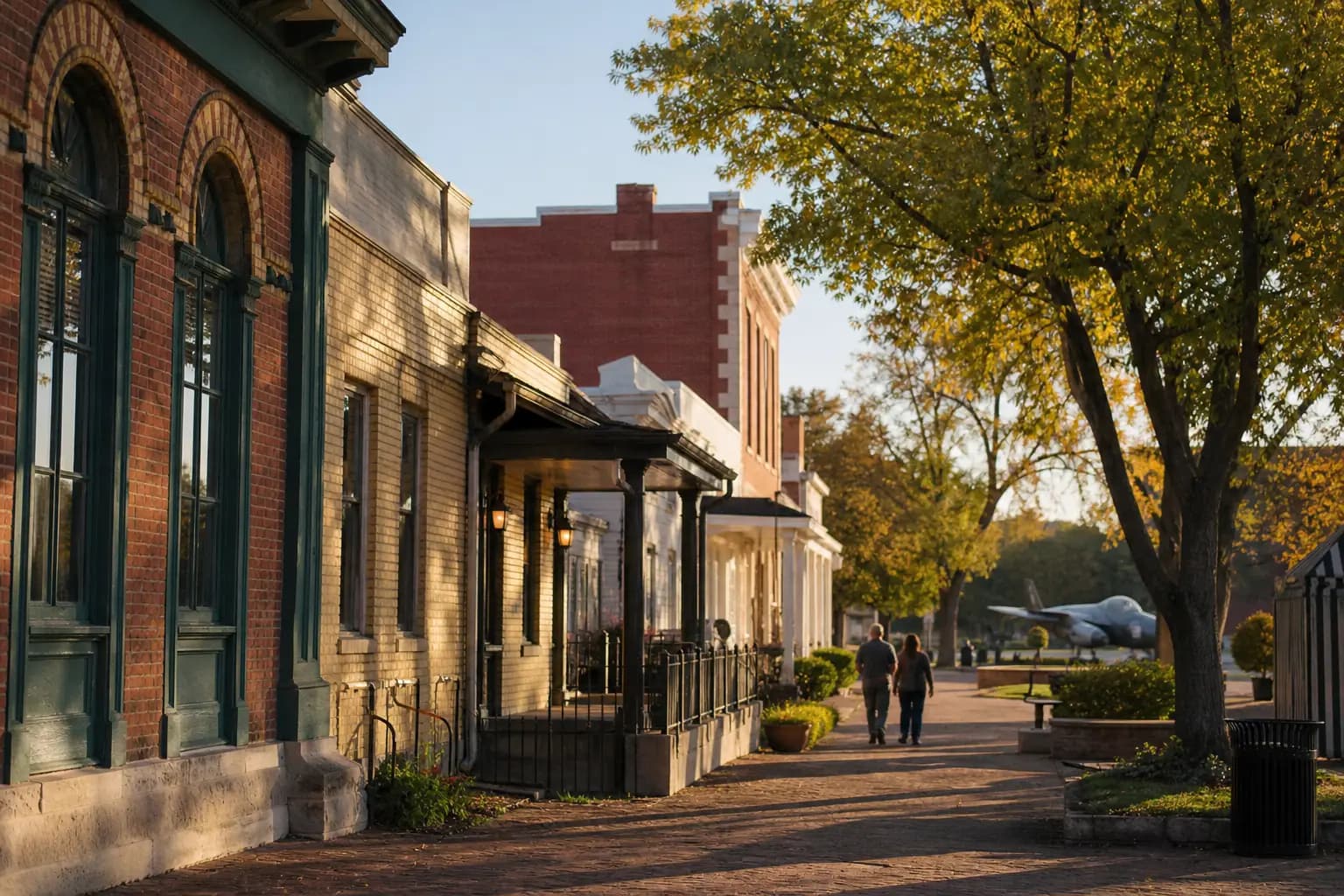
Dayton history is usually told through the Wright brothers, but the city’s story also runs through Black literary history, manufacturing entrepreneurship, the Great 1913 Flood and the 1995 Dayton Accords. Visitors can still build a history day around aviation sites, the Dunbar House, downtown landmarks and exhibits on manufacturing and flood history.
Key facts
- Huffman Prairie Flying Field served as the world’s first aerodrome.
- Paul Laurence Dunbar’s house has been open to the public since 1938.
- The 1995 Dayton Accords negotiations lasted 21 days at Wright-Patterson Air Force Base.
Own a house in Dayton you are thinking of selling? See how our cash offer works.
The Wright Brothers In Their Dayton Places
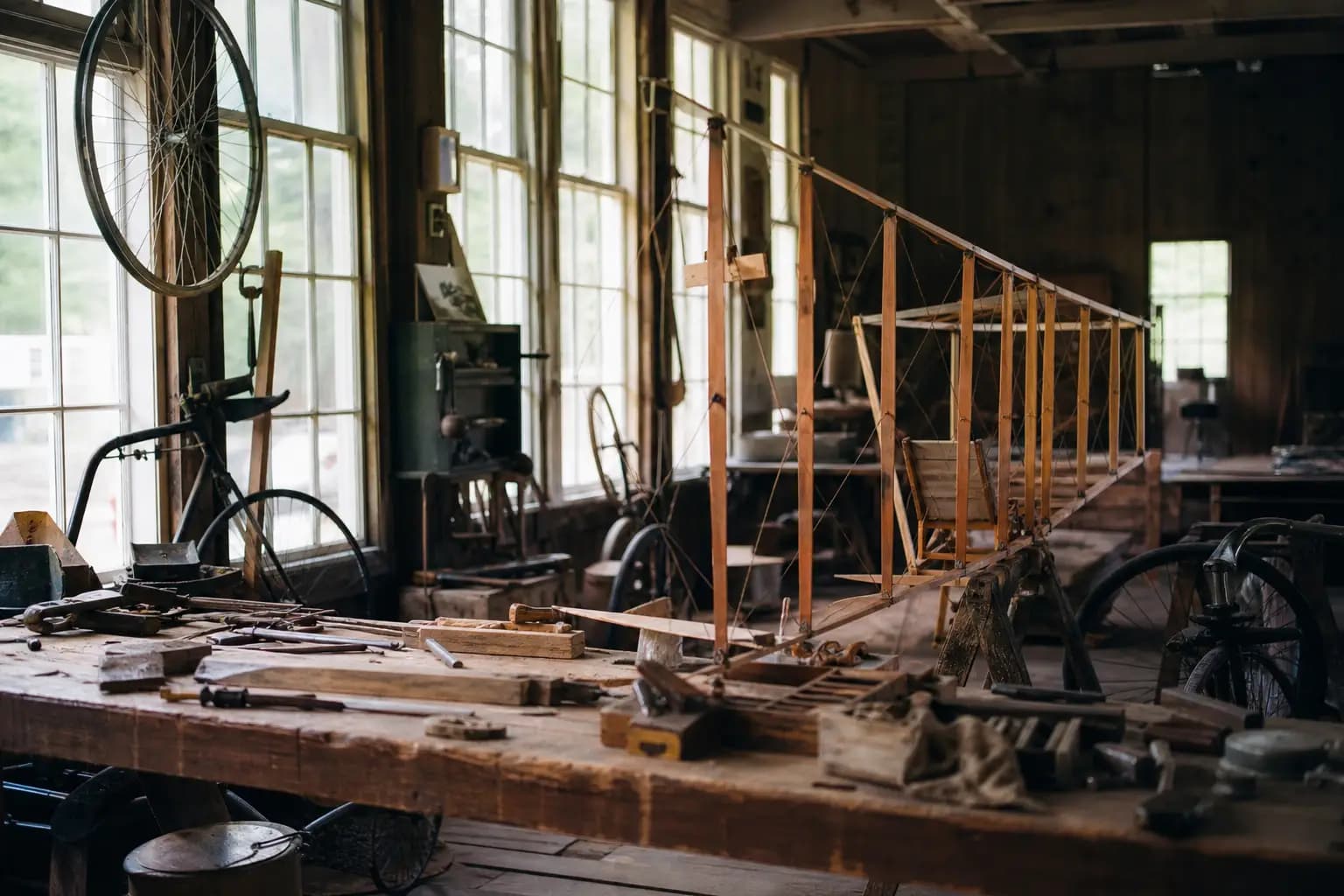
Dayton’s aviation history is unusually place specific. The main local aviation places include the Wright Cycle Company building, the Hoover Block and Huffman Prairie Flying Field. Together they point from the brothers’ business life in the city to the field where their flying experiments became an aviation landscape visitors can still recognize.
Huffman Prairie Flying Field is still mostly pasture, as it was in 1904. It served as the world’s first aerodrome, and a replica model exists on the site, so the visit is more about scale, distance and open ground than a single building. The park also connects Dayton to the Wright Flyer III, described as the world’s first practical airplane, and to Hawthorn Hill, where Orville lived until his death in 1948.
Paul Laurence Dunbar And Wright-Dunbar Village
Dayton history also runs through Wright-Dunbar Village. The neighborhood was annexed to the city in 1869, and it had a diverse urban population. It later became the cultural and commercial center of Dayton’s African American community, which gives the area a history far beyond its aviation associations.
Paul Laurence Dunbar is the literary figure at the heart of that story. His house is identified as the Home of Poet Paul Laurence Dunbar, and Dunbar became the first African American to support himself financially through writing. The house has been open to the public since 1938, making it one of the clearest places in Dayton to connect a famous name with neighborhood context.
Manufacturing, Cash Registers And Downtown Landmarks
Industry is another reason Dayton history feels compact and tangible. At the Heritage Center of Dayton Manufacturing & Entrepreneurship, the story is framed plainly: Dayton rose as a hub of manufacturing and entrepreneurship. The same exhibit context names NCR and the Barney & Smith Car Company, and its NCR Cash Register Room keeps attention on cash registers as part of the city’s industrial identity.
Downtown landmarks carry that commercial story into architecture. The Old Courthouse was completed in 1850, while the Dayton Arcade was constructed in 1902 and 1904 and was developed as a mixed use complex. The Victoria Theatre adds another 19th century marker, with a construction date of 1871, giving downtown a layered timeline of courts, commerce and performance.
The Great 1913 Flood
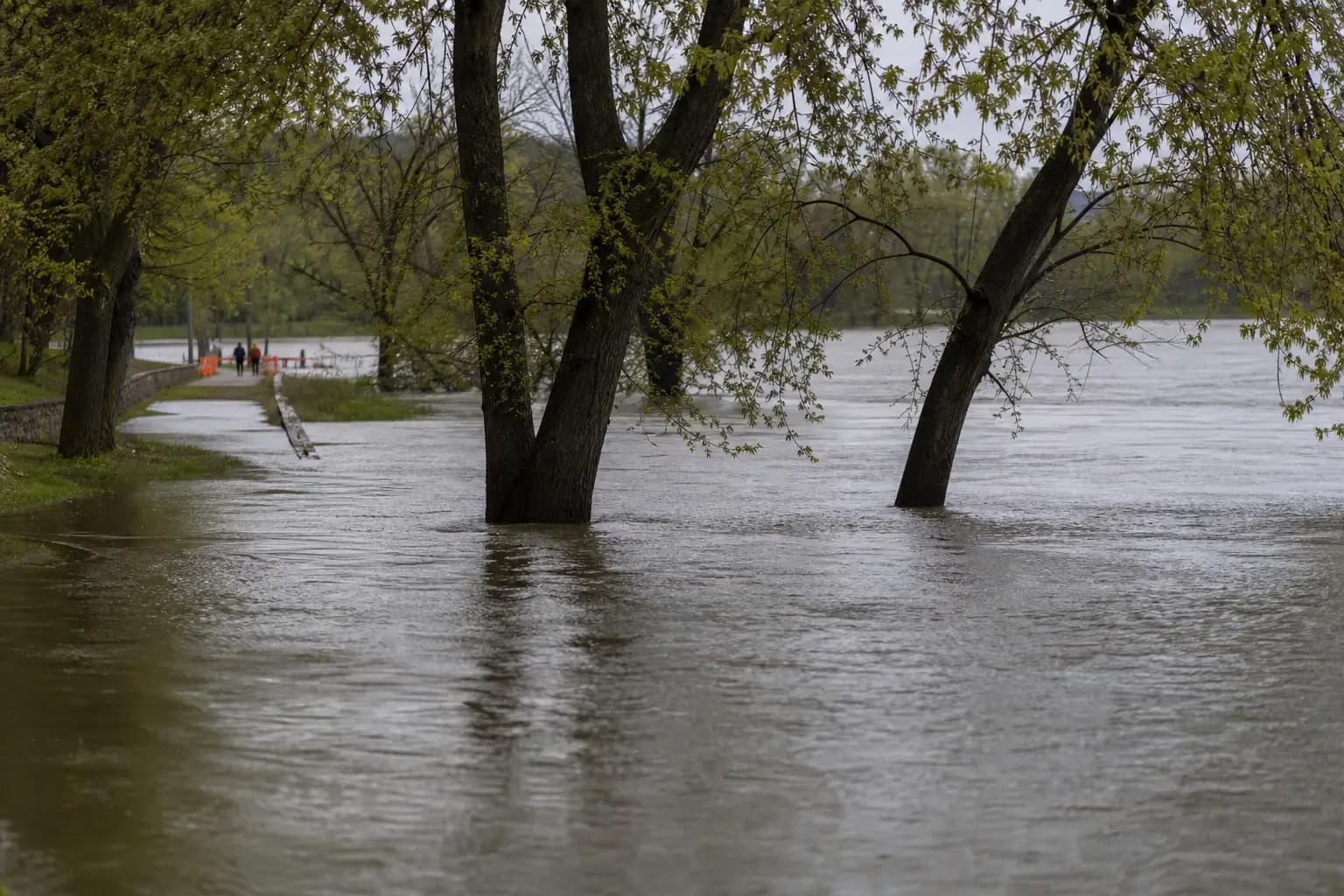
The Great 1913 Flood interrupts Dayton history with a sharp before and after. The flood was Ohio’s worst natural disaster, and floodwaters rose 20 feet in low areas. That scale helps explain why the event still has its own focused exhibit rather than appearing as a small footnote in a general city display.
Dayton’s response is part of the story. More than 200 flat bottomed johnboats were involved, and more than $2 million was privately raised. The water height, boat numbers and fundraising total give visitors concrete details to remember about one of the defining events in the city’s modern history.
The Dayton Accords And A History Route Today
In the 20th century, Dayton’s name also entered diplomatic history. On November 1, 1995, negotiations began at Wright-Patterson Air Force Base in Dayton. Those negotiations lasted 21 days and are remembered by the name 1995 Dayton Accords.
That modern chapter sits comfortably beside the older city story because Dayton history is often tied to working places: a cycle company building, a prairie airfield, a cash register room, a flood exhibit and an air force base. A good history route can pair the aviation and Dunbar sites with downtown landmarks and the Heritage Center. For a broader visitor plan, use Things to Do in Dayton, Ohio alongside these history stops.
Frequently asked questions
Why is Dayton important to aviation history?
Dayton is tied to the Wright brothers through places such as the Wright Cycle Company building, the Hoover Block and Huffman Prairie Flying Field. Huffman Prairie served as the world’s first aerodrome, and the Dayton aviation story also includes the Wright Flyer III, described as the world’s first practical airplane.
Where can visitors connect Dayton history with Paul Laurence Dunbar?
The Paul Laurence Dunbar House is the key place to start. Dunbar became the first African American to support himself financially through writing, and his house has been open to the public since 1938.
What happened during the Great 1913 Flood in Dayton?
The Great 1913 Flood was Ohio’s worst natural disaster. In Dayton, waters rose 20 feet in low areas, more than 200 flat bottomed johnboats were involved, and more than $2 million was privately raised.
What downtown buildings help tell Dayton history?
The Old Courthouse, completed in 1850, is one major civic landmark. The Dayton Arcade was constructed in 1902 and 1904 as a mixed use complex, and the Victoria Theatre has a construction date of 1871.
What are the Dayton Accords?
The 1995 Dayton Accords are tied to negotiations held at Wright-Patterson Air Force Base in Dayton. The talks began on November 1, 1995, and lasted 21 days.
Sources
Checked against each source on November 20, 2026. Opening hours, prices and event dates change, so check with the venue before you go. The illustrations are AI generated and do not show real places.
- History & Culture: Dayton Aviation Heritage National Historical Park (National Park Service)
- Huffman Prairie Flying Field Cultural Landscape (National Park Service)
- Wright-Dunbar Village (National Park Service)
- Paul Laurence Dunbar House Historic Site (National Park Service)
- Heritage Center of Dayton Manufacturing & Entrepreneurship (Dayton History, Carillon Historical Park)
- The Great 1913 Flood Exhibit (Dayton History, Carillon Historical Park)
- Downtown Dayton Historic District (Ohio History Connection)
- November 1995: The Dayton Accords (National Museum of American Diplomacy, U.S. Department of State)
More guides in Ohio
Sightseeing Dayton
Things to Do in Dayton, OhioPlan sightseeing in Dayton, from aviation landmarks and downtown architecture to museums, art, prehistoric sites and cemetery walks.
History Ohio
Cedar Point HistoryExplore cedar point history from the 1870 beach and steamboat era to Hotel Breakers, record coasters, the lighthouse and Sandusky museum.
Food Cleveland
What Is The Polish Boy In Cleveland?Learn what goes into Cleveland's Polish Boy, the Polish neighborhood context around kielbasa, and where its food story continues.
Food Cincinnati
What Food Is Cincinnati Known For?Learn what food Cincinnati is known for, from chili over spaghetti and goetta to Findlay Market, Graeter's and food festivals.
Food Cincinnati
What Is Findlay Market in Cincinnati Known For?Learn Findlay Market history, its 1850s market house, weekend Farmers Market, and the foods and merchants visitors find today.
Food Columbus
What Is North Market Columbus Known For?Learn North Market Columbus history, from its 1876 roots to today's prepared foods, produce, sweets, Somali dishes and ice cream.