
What Is The Polish Boy In Cleveland?
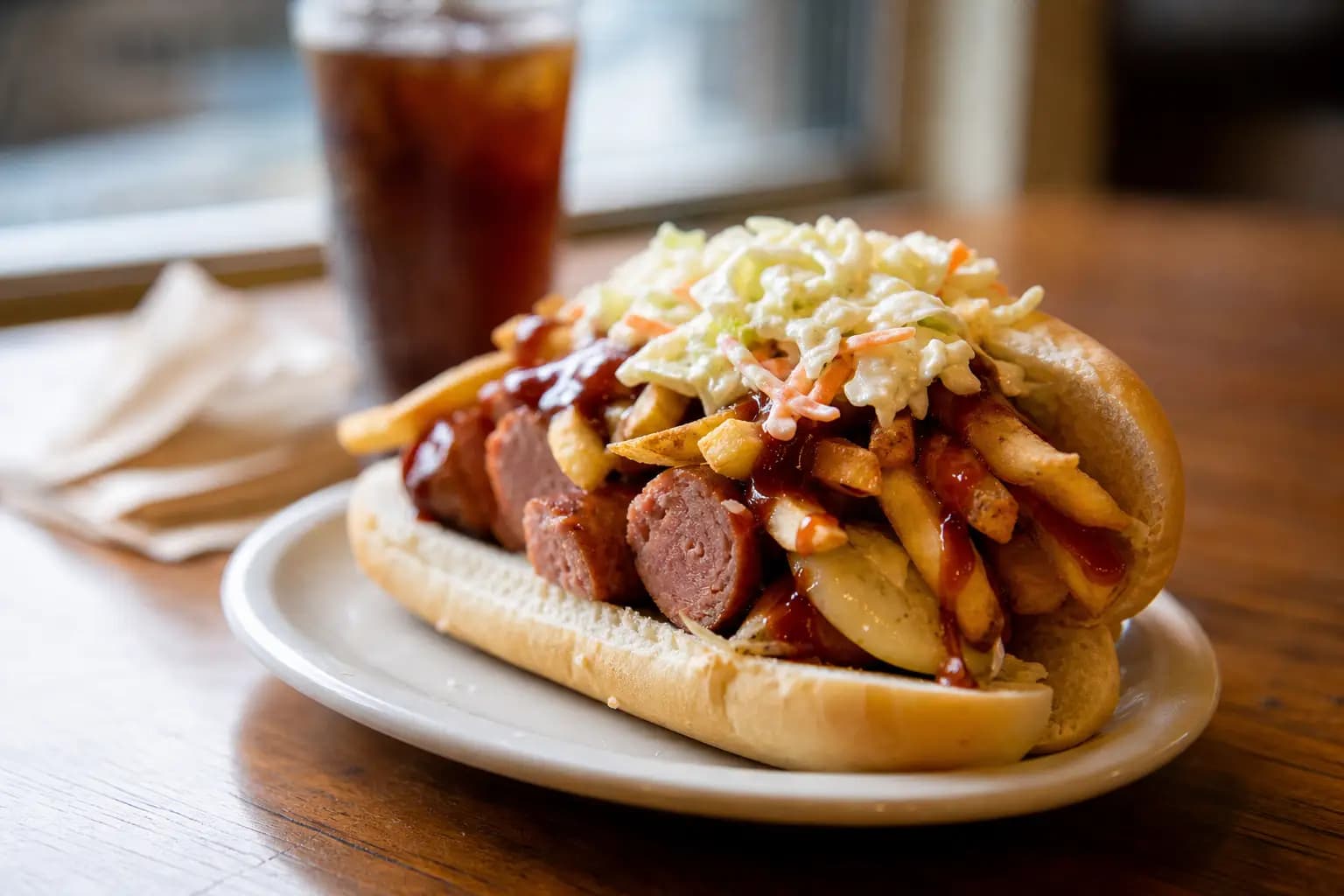
The Polish Boy is a Cleveland original: a link of kielbasa in a bun with french fries, barbecue sauce and coleslaw. It reflects several Cleveland food traditions at once. Polish immigrants helped build large neighborhoods tied to industry, while barbecue sauce became part of the sandwich's standard build.
Key facts
- A Polish Boy is a link of kielbasa in a bun topped with french fries, barbecue sauce and coleslaw.
- The sandwich is native to Cleveland, Ohio, and remains a true Cleveland original.
- Polish Boy Week Cleveland celebrates the sandwich with traditional versions and twists on the classic.
- West Side Market is Cleveland's oldest continuously operating municipally owned market and served the city's growing immigrant population.
Own a house in Cleveland you are thinking of selling? See how our cash offer works.
What Goes On A Polish Boy
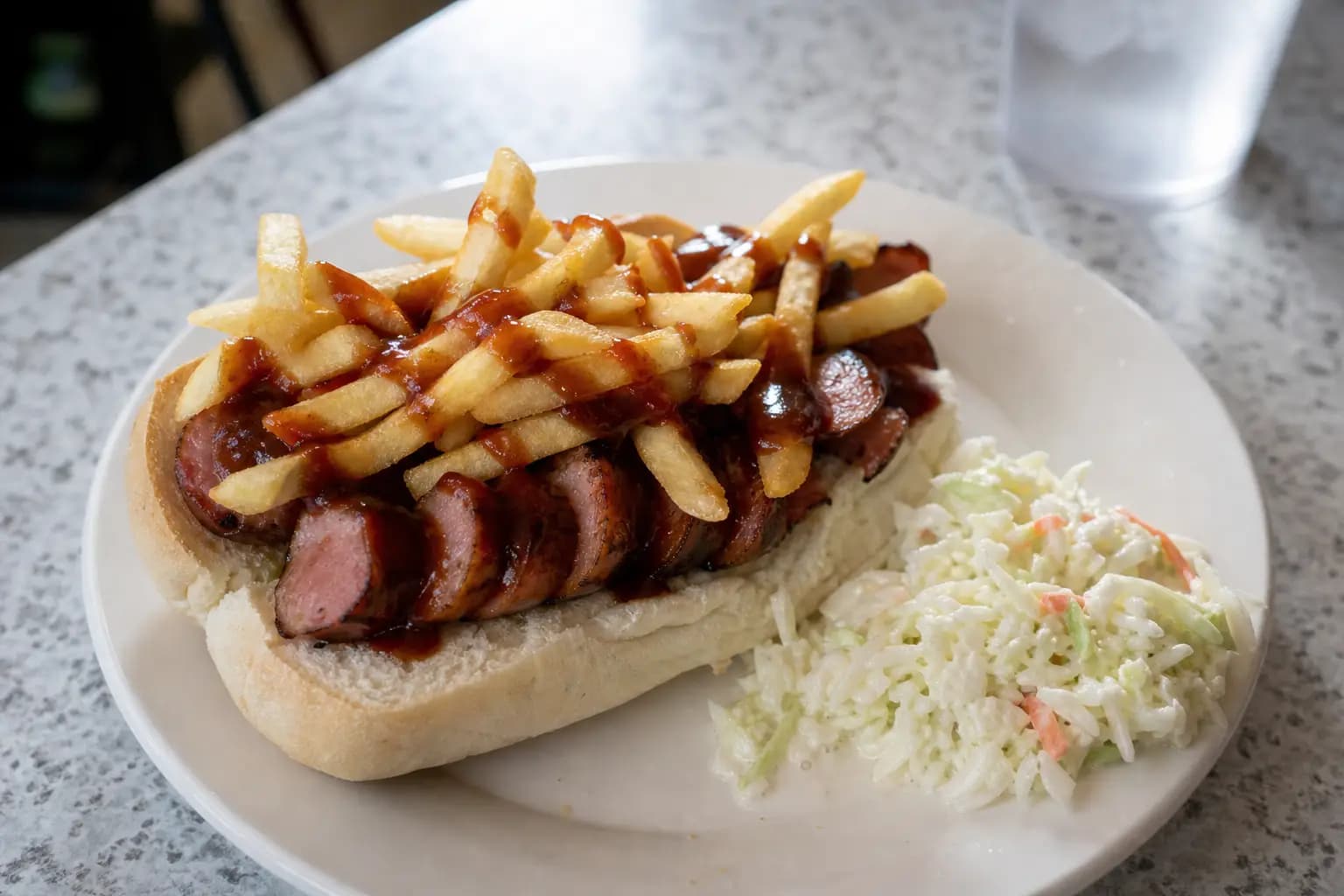
At its simplest, the Polish Boy is a sausage sandwich native to Cleveland, Ohio. The build starts with a link of kielbasa set in a bun, then adds french fries, barbecue sauce and a layer of coleslaw. The standard order is the full combination, so a sausage in a bun alone is only the starting point.
The Polish Boy remains a true Cleveland original, a phrase that fits how closely the sandwich is tied to the city. The name points to kielbasa, but the finished sandwich also depends on sauce, slaw and fries. In Cleveland, those ingredients are understood as one dish.
| Part | Role In The Sandwich |
|---|---|
| Kielbasa | A link of kielbasa sausage placed in a bun |
| French fries | A topping in the Cleveland sandwich |
| Barbecue sauce | One of the standard toppings |
| Coleslaw | A layer added over the sandwich |
The Polish Neighborhood Roots
Cleveland's Polish history gives the sandwich a clear neighborhood backdrop. Poles became one of the city's largest nationality groups, with 35,024 Polish residents by 1920. Distinct Polish neighborhoods began forming, and Polish Cleveland was strongly linked to heavy industry and labor.
South Broadway, often referred to as Slavic Village, was one of those important places. Its eastern section was the Polish "Warszawa," and the area around Fleet Avenue and E. 71st Street became a prosperous Polish commercial district. That setting helps explain why kielbasa feels at home in a sandwich so closely tied to Cleveland.
Barbecue, Soul Food And A Reputed Pioneer
Barbecue sauce is not an extra detail on the Polish Boy; it is one of the standard toppings in the sandwich's definition. Virgil Whitmore is remembered as a reputed Polish Boy pioneer. Cleveland's longer barbecue story also includes Eugene Williams, a prominent African American restaurateur who joined the Great Migration northward in 1919, learned barbecue from his father and opened a small barbecue stand.
That history gives the sandwich more than one Cleveland thread. The kielbasa points toward Polish neighborhood life, while the sauce connects the sandwich to barbecue traditions in the city. Together with fries and coleslaw, those parts make the Polish Boy recognizable as its own Cleveland dish.
The Market Context Around The Sandwich
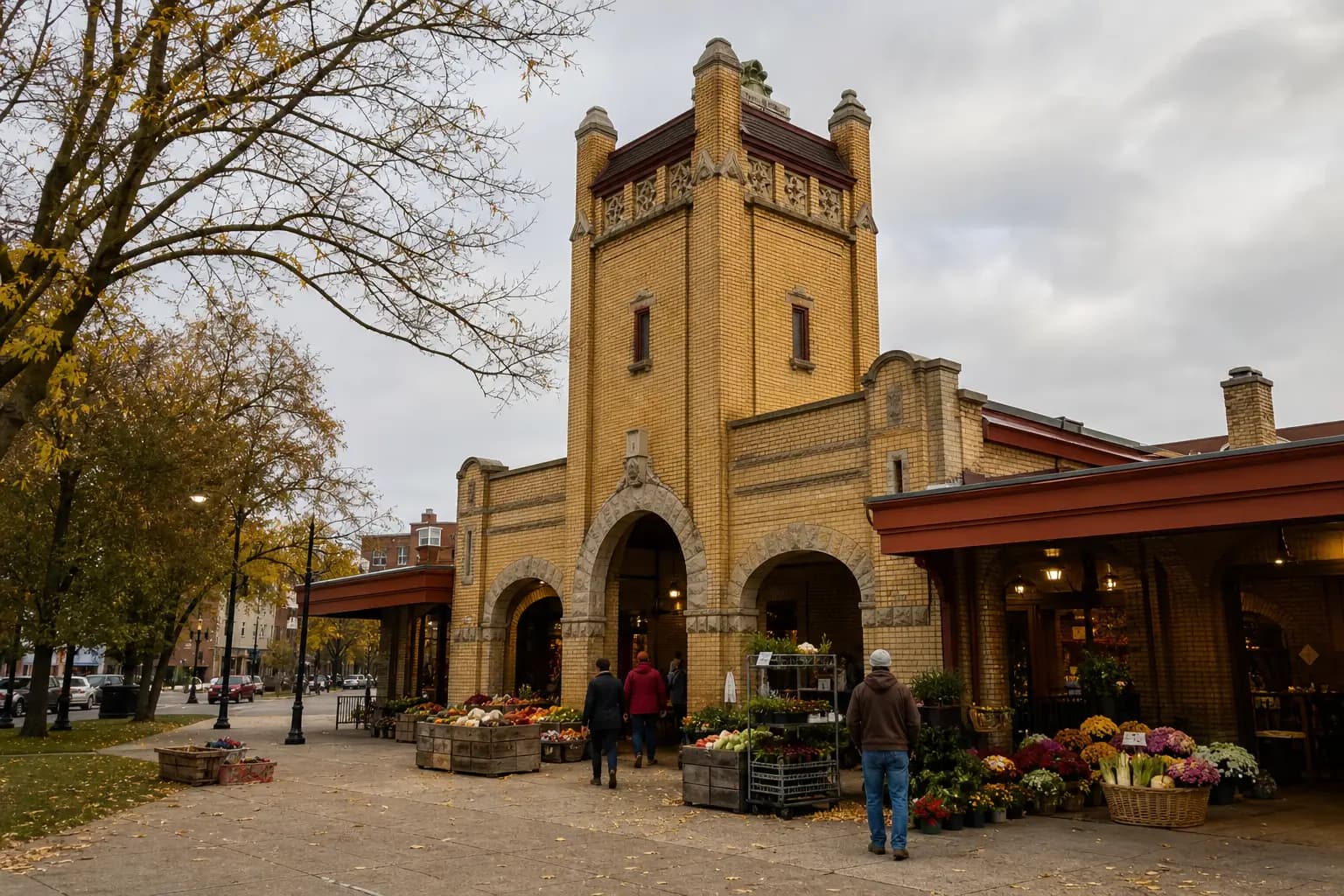
To understand the food city around the Polish Boy, spend time with the West Side Market story. The market is Cleveland's oldest continuously operating municipally owned market, and it served the city's growing immigrant population. Its history includes ethnic specialty foods and a culturally diverse shopping experience.
The market belongs in the same conversation as Slavic Village and Fleet Avenue because each points to immigrant foodways in daily life. Slavic Village and the Fleet Avenue area help frame the Polish neighborhood story, while the market served a broader immigrant city. For a deeper stop on that part of the city, read the West Side Market Cleveland history.
Polish Boy Week In April
Polish Boy Week Cleveland gives the sandwich a modern event of its own. Usually held in April, the event celebrates Cleveland's iconic Polish Boy sandwich and is connected with Dyngus Day. Its language leaves room for both a traditional interpretation and a twist on the classic Polish Boy.
That mix says a lot about how the sandwich works. The definition stays steady: kielbasa in a bun with fries, barbecue sauce and coleslaw. Around that definition, the event's twists show how Cleveland can keep the classic form while still making room for variation.
Frequently asked questions
What is on a Cleveland Polish Boy?
A Cleveland Polish Boy starts with a link of kielbasa sausage placed in a bun. The standard toppings are french fries, barbecue sauce and a layer of coleslaw.
Is the Polish Boy really from Cleveland?
Yes. It is described as a sausage sandwich native to Cleveland, Ohio, and Destination Cleveland calls it a true Cleveland original. Its identity is tied closely to the city rather than to a statewide style.
How do Polish neighborhoods connect to the sandwich?
Poles were one of Cleveland's largest nationality groups, and the city had 35,024 Polish residents by 1920. South Broadway, Slavic Village, the Polish "Warszawa" and the area around Fleet Avenue and E. 71st Street give the sandwich's kielbasa base a Cleveland neighborhood setting.
Where can visitors see broader Cleveland food history?
West Side Market is the main market context for this story. It is Cleveland's oldest continuously operating municipally owned market, and it served the city's growing immigrant population with ethnic specialty foods.
Is there a Polish Boy event in Cleveland?
Polish Boy Week Cleveland is the sandwich specific event usually held in April. It celebrates Cleveland's iconic Polish Boy sandwich through traditional interpretations and twists on the classic.
Sources
Checked against each source on November 20, 2026. Opening hours, prices and event dates change, so check with the venue before you go. The illustrations are AI generated and do not show real places.
- Polish Boy (Wikipedia / Wikimedia Foundation)
- POLES (Encyclopedia of Cleveland History, Case Western Reserve University)
- SOUTH BROADWAY (Encyclopedia of Cleveland History, Case Western Reserve University)
- WILLIAMS, EUGENE (Encyclopedia of Cleveland History, Case Western Reserve University)
- Market History (West Side Market)
- Polish Boy Week Cleveland (Polish Boy Week Cleveland)
- Where to Eat Cleveland's Polish Boy Sandwich (Destination Cleveland / This Is Cleveland)
More guides in Ohio
Food Cleveland
What Is The West Side Market In Cleveland?Learn why Cleveland's West Side Market matters, from its 1840 roots and 1912 hall to immigrant food traditions and vendors.
Sightseeing Cleveland
What Is Cleveland Known For?Explore what Cleveland is known for, from Lake Erie and the Cuyahoga River to downtown landmarks, museums, markets, parks and walks.
History Ohio
Cedar Point HistoryExplore cedar point history from the 1870 beach and steamboat era to Hotel Breakers, record coasters, the lighthouse and Sandusky museum.
Food Cincinnati
What Food Is Cincinnati Known For?Learn what food Cincinnati is known for, from chili over spaghetti and goetta to Findlay Market, Graeter's and food festivals.
Food Cincinnati
What Is Findlay Market in Cincinnati Known For?Learn Findlay Market history, its 1850s market house, weekend Farmers Market, and the foods and merchants visitors find today.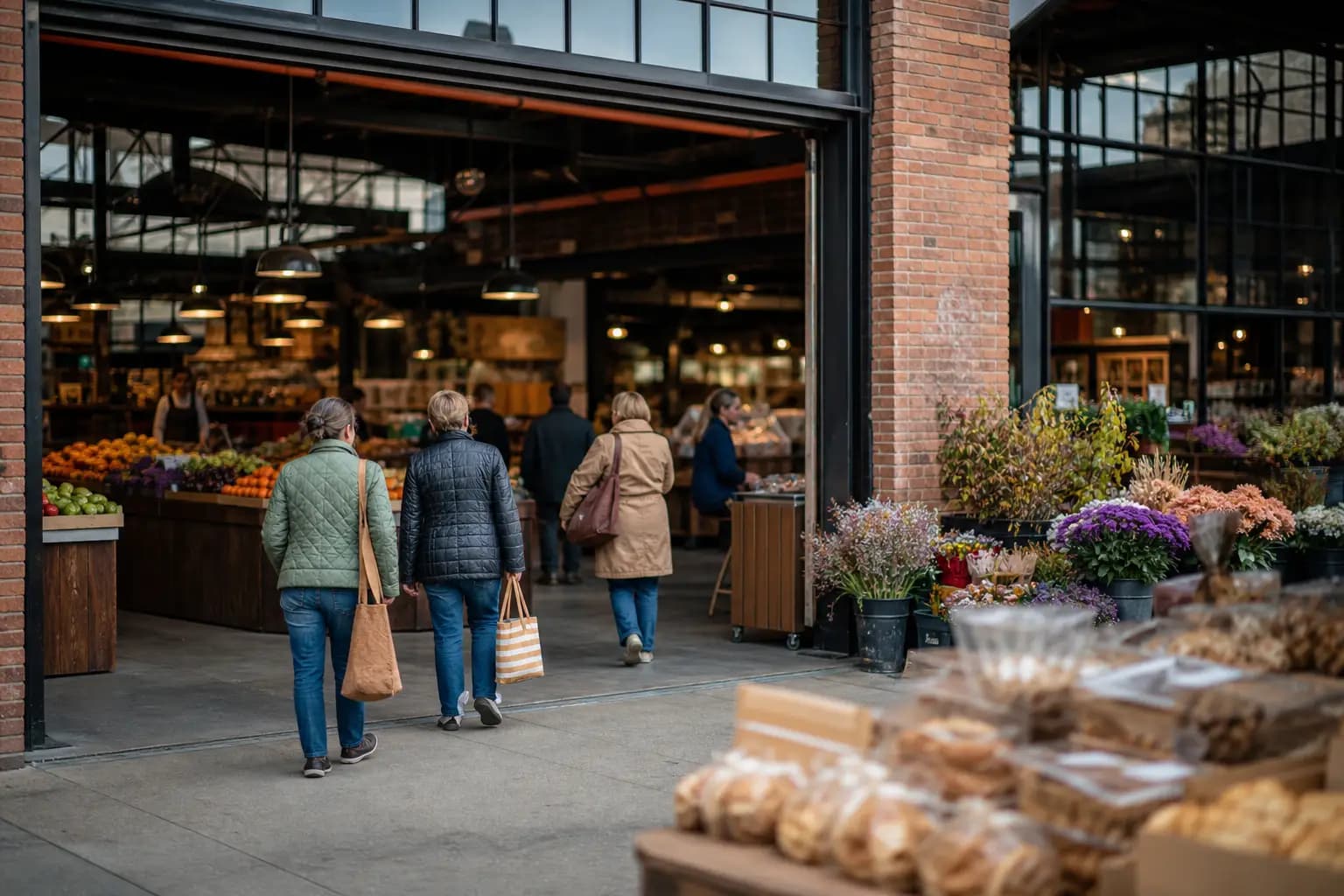
Food Columbus
What Is North Market Columbus Known For?Learn North Market Columbus history, from its 1876 roots to today's prepared foods, produce, sweets, Somali dishes and ice cream.