
What Is Columbus, Ohio Known For?
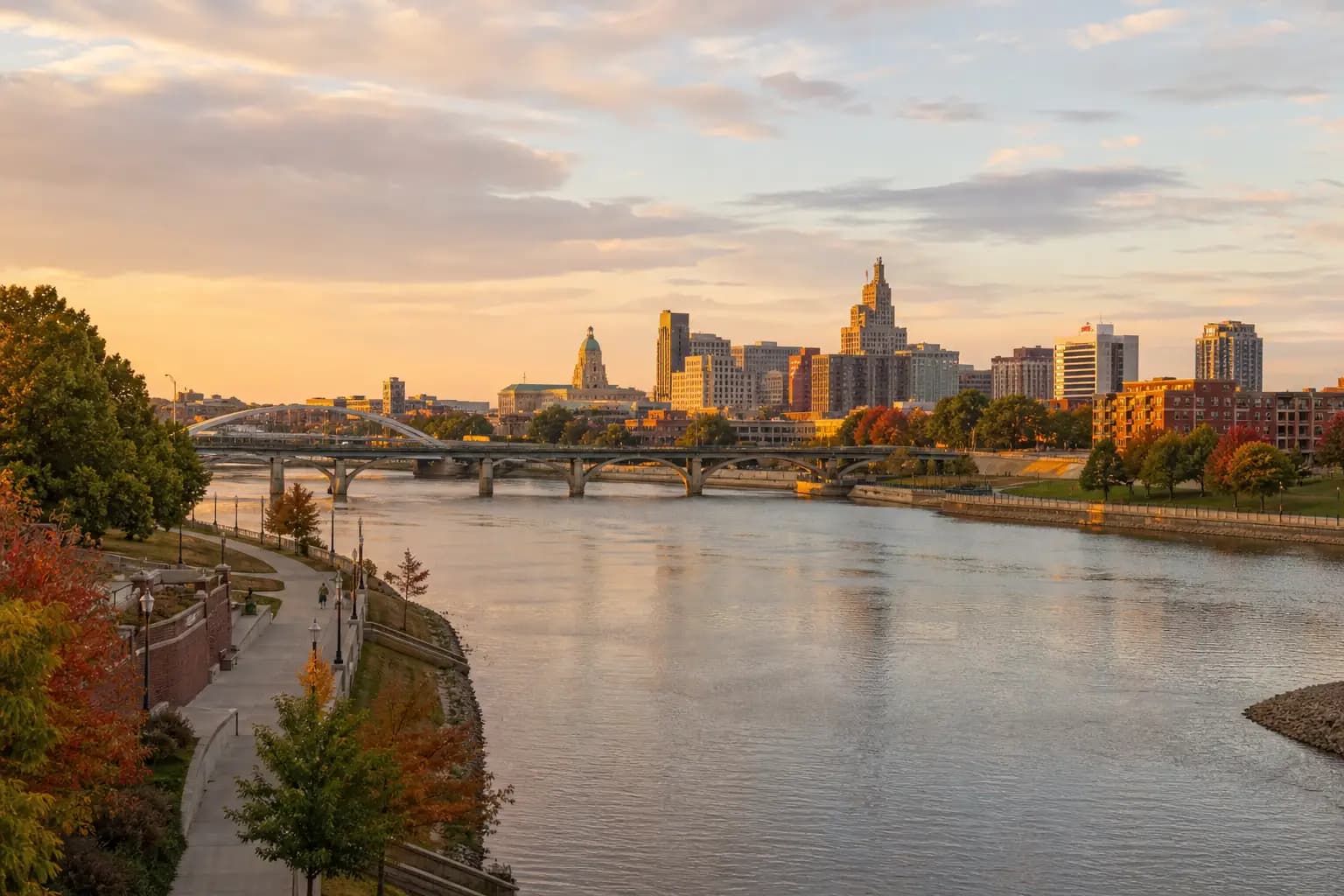
Columbus is known as Ohio's capital city, a river city, and a place with civic landmarks, neighborhoods, museums and campus sights. Founded in 1812 at the confluence of the Scioto and Olentangy rivers, it became Ohio's permanent capital in 1816. A sightseeing route can focus on the Ohio Statehouse, the Scioto Mile riverfront, German Village, the Short North, COSI, Franklin Park Conservatory, the Columbus Zoo and the Ohio State University campus.
Key facts
- Columbus was founded in 1812 and became Ohio's permanent capital in 1816.
- The city sits at the confluence of the Scioto and Olentangy rivers.
- The Scioto Mile includes more than 175 acres of parkland along the downtown riverfront.
- The Columbus Zoo and Aquarium opened in 1927 and has more than 10,000 animals spanning 600 species.
Own a house in Columbus you are thinking of selling? See how our cash offer works.
A Capital City Where Two Rivers Meet
Columbus is known first as the capital city that grew where two rivers meet. Founded in 1812 at the confluence of the Scioto and Olentangy rivers, it became Ohio's permanent capital in 1816. Those facts are more than a timeline; they explain why downtown combines government landmarks, riverfront parks and public places in one sightseeing story.
That civic role is only part of the city's appeal. The City of Columbus describes it through historic neighborhoods and booming downtown arts and sporting districts, and those are the kinds of places a visitor notices after leaving the formal landmarks. A good Columbus itinerary can move from a Statehouse tour mindset to neighborhood walks, museum time, greenhouses, zoo paths and a campus stroll without changing the basic theme: the city is built around public places.
The Ohio Statehouse
The Ohio Statehouse is the landmark that makes Columbus's capital identity visible. Columbus became Ohio's permanent capital in 1816, and the Statehouse keeps that government role at the center of a downtown visit. Look at it as both architecture and civic marker, especially if your route also includes the Scioto Mile, COSI and nearby neighborhood districts. In a city associated with many districts and attractions, it remains the place that most directly answers why Columbus matters to Ohio government.
The Scioto Mile And Downtown Riverfront
The Scioto Mile is the downtown riverfront piece of Columbus's sightseeing identity. It extends along downtown Columbus' riverfront and connects the city to the Scioto River. The park system includes more than 175 acres of parkland, so it reads as a chain of outdoor spaces rather than a single small plaza.
Visitors come here for the elements named in the riverfront itself: fountains, scenic overlooks and a riverfront promenade. Those features make the Scioto Mile a practical place to understand the city's river setting after hearing that Columbus began at the Scioto and Olentangy confluence. It is a straightforward Columbus experience to picture before a trip: water, parkland, overlooks and a promenade running through downtown.
German Village And The Short North
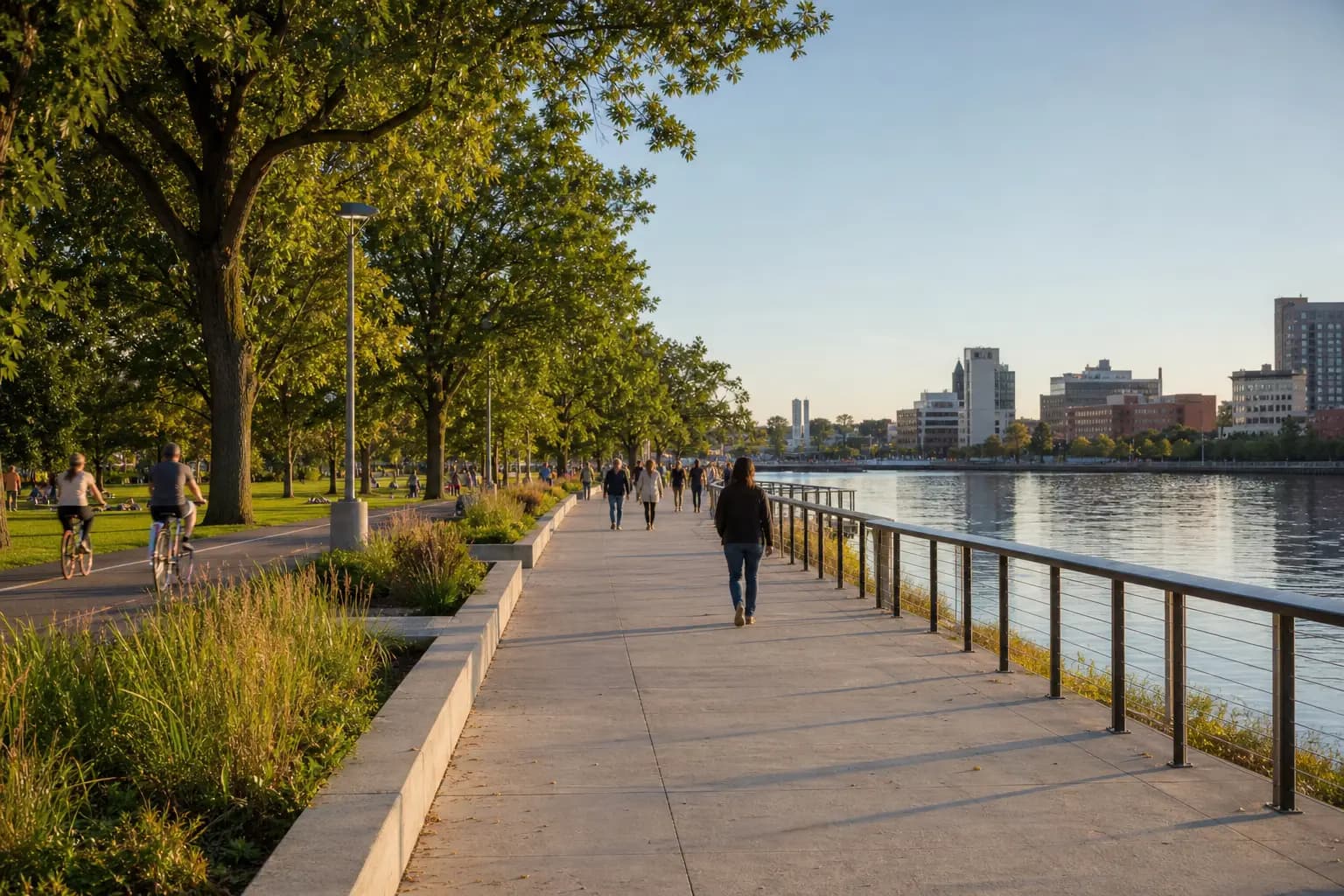
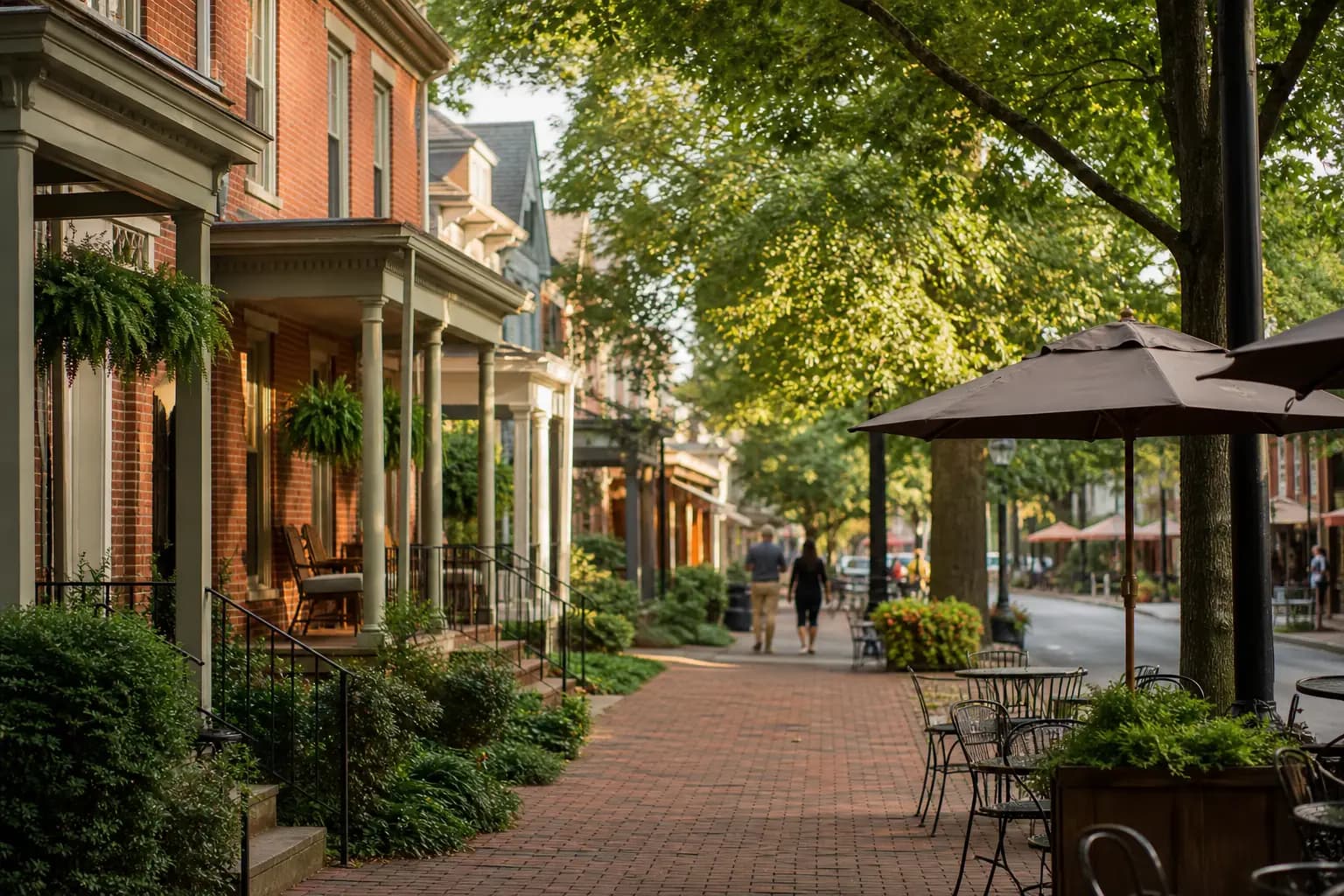
German Village and the Short North give Columbus neighborhood stops beyond the Statehouse, museums and riverfront. German Village brings a history focused district into a trip that might otherwise stay downtown, while the Short North gives the city a different kind of neighborhood identity. The Short North is called the region's primary entertainment and arts district, which is why this part of Columbus is known less for one monument than for the experience of moving through an arts district.
COSI And The National Veterans Memorial And Museum
COSI brings science themed sightseeing indoors. At COSI, visitors can see the American Museum of Natural History Dinosaur Gallery and get up close to dinosaurs. COSI lists the COSI Planetarium as the largest in Ohio and offers an exhibit experience to ride in a space capsule.
The National Veterans Memorial and Museum gives the museum circuit a civic and personal focus. Together, these two stops show how Columbus sightseeing can shift from dinosaurs, planetarium and space themes to national memory. They also broaden the city itinerary beyond outdoor landmarks, giving a visitor indoor places tied to science, service and public storytelling.
Gardens, Zoo Paths And Ohio State
Franklin Park Conservatory and Botanical Gardens gives Columbus a garden landmark inside a city park. Franklin Park Conservatory and Botanical Gardens describes itself as Central Ohio's premier botanical garden, and its named features include the iconic John F. Wolfe Palm House and Dale Chihuly. It is located within an 88 acre City of Columbus park, so the visit belongs as much to the city's green spaces as to its museum and attraction list.
The Columbus Zoo and Aquarium adds a large animal attraction to the picture. It opened in 1927, draws more than 2.2 million visitors annually, and includes more than 10,000 animals spanning 600 species, along with more than 75 conservation initiatives. Ohio State University adds another signature place to walk: its campus visit page points people toward the Oval, the "Shoe" and Thompson Library. These places round out what Columbus is known for beyond the Statehouse and riverfront: gardens, animals, conservation work and a university campus with named landmarks.
Frequently asked questions
What is Columbus, Ohio known for?
Columbus is known for being Ohio's capital city, founded in 1812 and made the state's permanent capital in 1816. It is also known for the Scioto Mile riverfront, the Ohio Statehouse, German Village, the Short North, COSI, Franklin Park Conservatory, the Columbus Zoo and the Ohio State University campus.
Is Columbus known for the Scioto River?
Yes. Columbus was founded at the confluence of the Scioto and Olentangy rivers, and the Scioto Mile now extends along downtown Columbus' riverfront. The area includes parkland, fountains, scenic overlooks and a riverfront promenade.
What museums is Columbus known for?
COSI is known here for dinosaur, planetarium and space capsule experiences. The National Veterans Memorial and Museum gives the city's museum circuit a civic and personal focus.
What outdoor attractions is Columbus known for?
The Scioto Mile is the main downtown riverfront park experience, with more than 175 acres of parkland. Franklin Park Conservatory and Botanical Gardens sits within an 88 acre City of Columbus park, and the Columbus Zoo and Aquarium has more than 10,000 animals spanning 600 species.
Is Ohio State University part of Columbus sightseeing?
Yes. Ohio State University's Columbus campus visit page points people toward the Oval, the "Shoe" and Thompson Library. Those named campus landmarks make the university part of the city's sightseeing identity.
Sources
Checked against each source on November 19, 2026. Opening hours, prices and event dates change, so check with the venue before you go. The illustrations are AI generated and do not show real places.
- Community Profile (City of Columbus)
- Short North Design Guidelines (City of Columbus Department of Development)
- About Us | Scioto Mile (Scioto Mile / Columbus Recreation and Parks Department)
- Exhibits (COSI)
- About Us | Franklin Park Conservatory and Botanical Gardens (Franklin Park Conservatory and Botanical Gardens)
- Our Story (Columbus Zoo and Aquarium)
- Visit our Columbus campus (The Ohio State University)
More guides in Ohio

Food Columbus
What Is North Market Columbus Known For?Learn North Market Columbus history, from its 1876 roots to today's prepared foods, produce, sweets, Somali dishes and ice cream.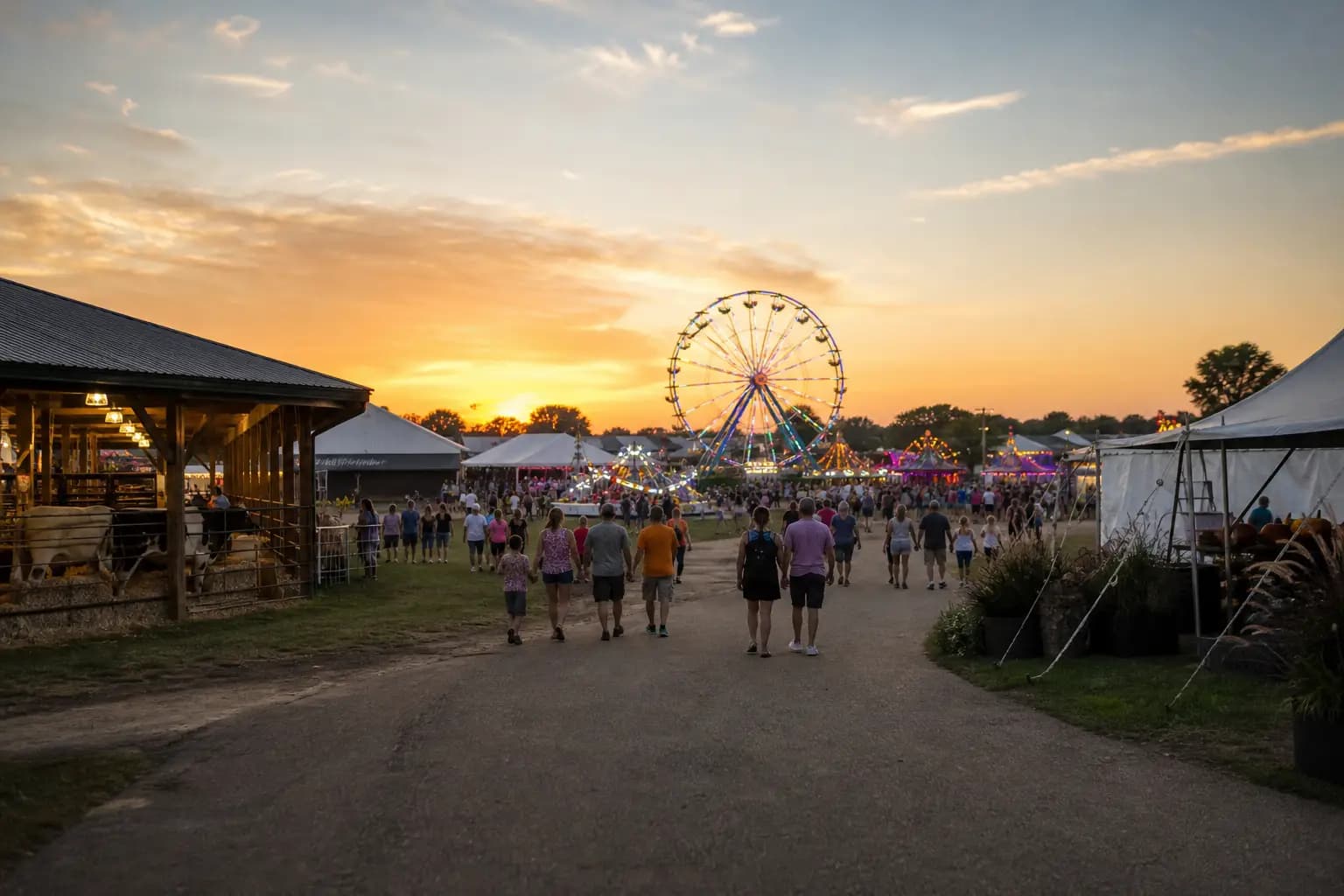
Events Columbus
What to Know About the Ohio State Fair in ColumbusLearn the Ohio State Fair story in Columbus, from its 1850 beginning to the butter cow, rides, concerts and planning basics.
Food Cleveland
What Is The Polish Boy In Cleveland?Learn what goes into Cleveland's Polish Boy, the Polish neighborhood context around kielbasa, and where its food story continues.
Food Cincinnati
What Food Is Cincinnati Known For?Learn what food Cincinnati is known for, from chili over spaghetti and goetta to Findlay Market, Graeter's and food festivals.
Food Cincinnati
What Is Findlay Market in Cincinnati Known For?Learn Findlay Market history, its 1850s market house, weekend Farmers Market, and the foods and merchants visitors find today.
Sightseeing Dayton
Things to Do in Dayton, OhioPlan sightseeing in Dayton, from aviation landmarks and downtown architecture to museums, art, prehistoric sites and cemetery walks.