
A Short History of Chattanooga
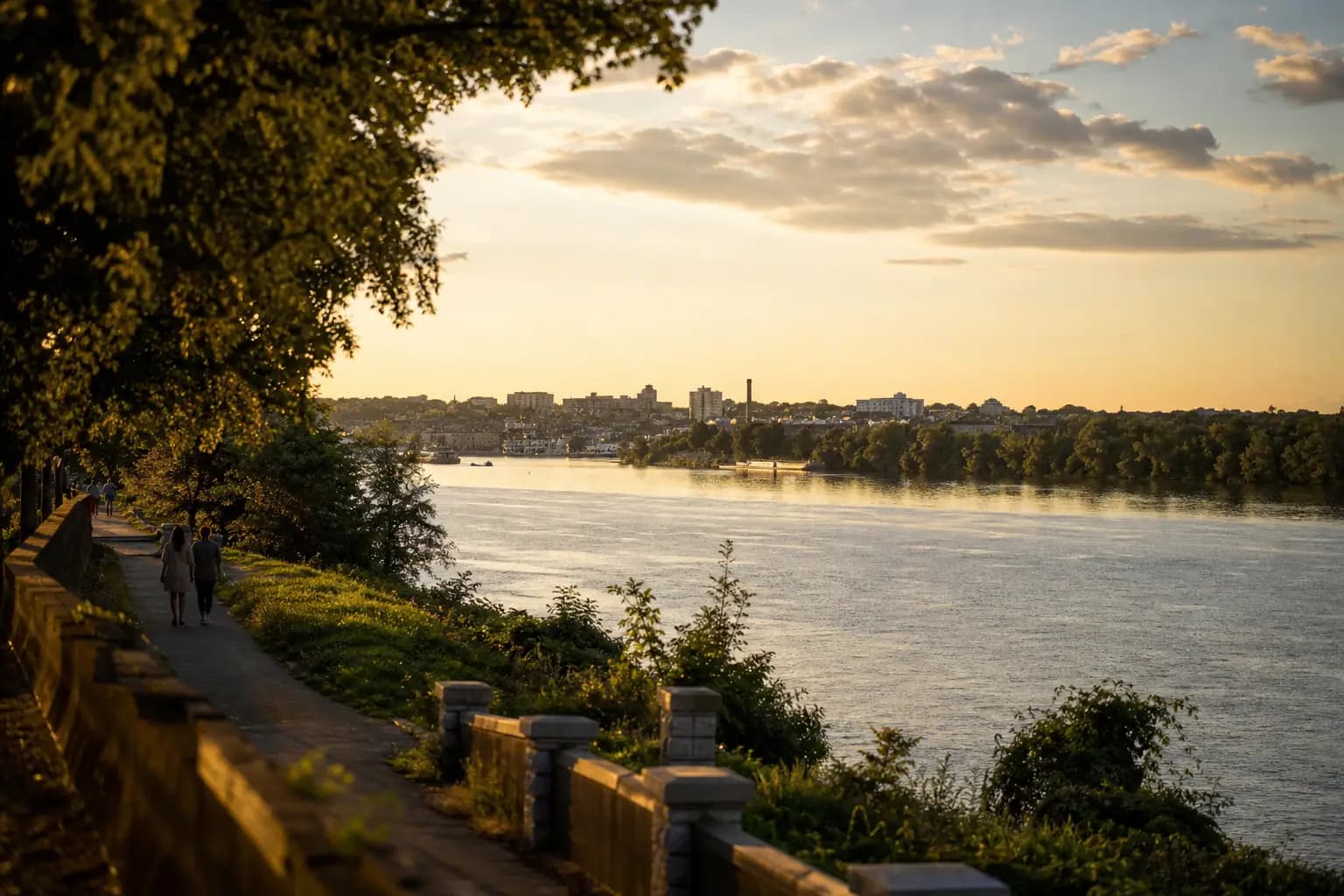
Chattanooga history is a river story first. Moccasin Bend gives the city an older human frame, Ross's Landing became the civic starting point in 1816, and railroads later turned Chattanooga into a regional connector. Civil War memory, industrial growth, TVA projects, Ed Johnson's appeal, air cleanup, and the renewed riverfront all shaped the Chattanooga visitors see today. Pair the background with things to do in Chattanooga if you are planning stops around town.
Key facts
- Chattanooga was established as Ross's Landing in 1816 and incorporated as Chattanooga in 1839.
- Ross's Landing was the site of Cherokee businessman John Ross's ferry operation.
- The name Chattanooga is often translated as 'rock coming to a point.'
- At Chickamauga, 35,000 men were killed, wounded, missing, or captured.
- The Supreme Court agreed to hear Ed Johnson's appeal.
Own a house in Chattanooga you are thinking of selling? See how our cash offer works.
Native Homelands and the Tennessee River
Chattanooga history begins on the bends of the Tennessee River rather than on a city street grid. Moccasin Bend National Archeological District keeps that older human story in view. The city's formal dates are recent beside the long Indigenous history associated with the river bend. For a visitor, it helps shift the frame from downtown streets to the river curves that shaped life before incorporation.
Ross's Landing and John Ross
The city's civic story starts at Ross's Landing. Chattanooga was established as Ross's Landing in 1816 and officially incorporated as Chattanooga in 1839. The name Chattanooga is often translated as 'rock coming to a point,' a phrase that still follows the city in local history.
Ross's Landing was the site of Cherokee businessman John Ross's ferry operation. That origin gives downtown Chattanooga a riverfront starting point rather than a purely courthouse or rail station beginning. Today, Ross's Landing remains one of the places where visitors can connect the modern riverfront with the city's early civic story.
Railroads, River Commerce and Terminal Station
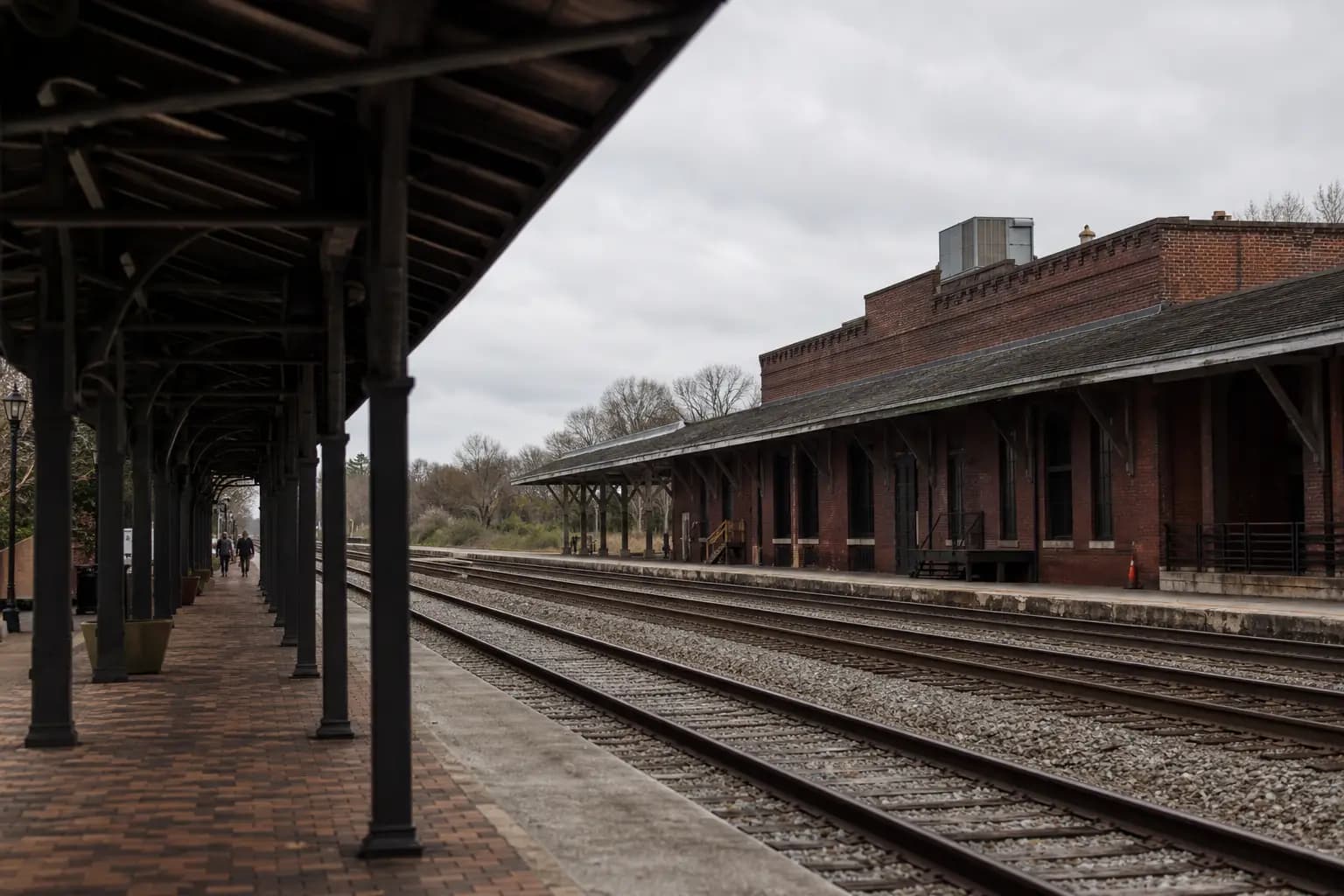
River commerce gave early Chattanooga an orientation toward movement, and railroads deepened that role. By the railroad age, Chattanooga's location helped tie the city to travel and trade through the wider region. Terminal Station remains part of that railroad memory through the Chattanooga Choo Choo Terminal Train Station Complex. Iron and steel production also point to the city's industrial growth, giving the rail story a practical connection to freight, factories, and work.
Civil War Chattanooga
Civil War Chattanooga is anchored by preserved battlefield landscapes near the city. At Chickamauga, the cost was severe: 35,000 men were killed, wounded, missing, or captured. Chickamauga and Chattanooga National Military Park is where visitors can place this chapter on preserved ground rather than in dates alone. The park keeps the war close to the city's public memory, alongside the river, rail, and industrial stories that followed.
Industry, Coca-Cola and TVA
After the war era, Chattanooga's industrial identity hardened. Iron and steel production belonged to the city's industrial story, tying the city to manufacturing as well as transportation. The city's business history also reaches into the story of Coca-Cola. The TVA era added a federal layer to Chattanooga's growth, and Chickamauga Dam became one of its major markers. Together, those layers put factories, business history, and federal river projects in the same Chattanooga chapter.
Ed Johnson and Civic Memory
Ed Johnson's case is one of Chattanooga's most serious legal and civic memories. The Supreme Court agreed to hear Ed Johnson's appeal. That fact places a local injustice inside a national legal frame rather than leaving it only as a city story. Remembering Johnson keeps this chapter visible alongside Chattanooga's more familiar river, railroad, and battlefield history.
Pollution Cleanup and Riverfront Renewal
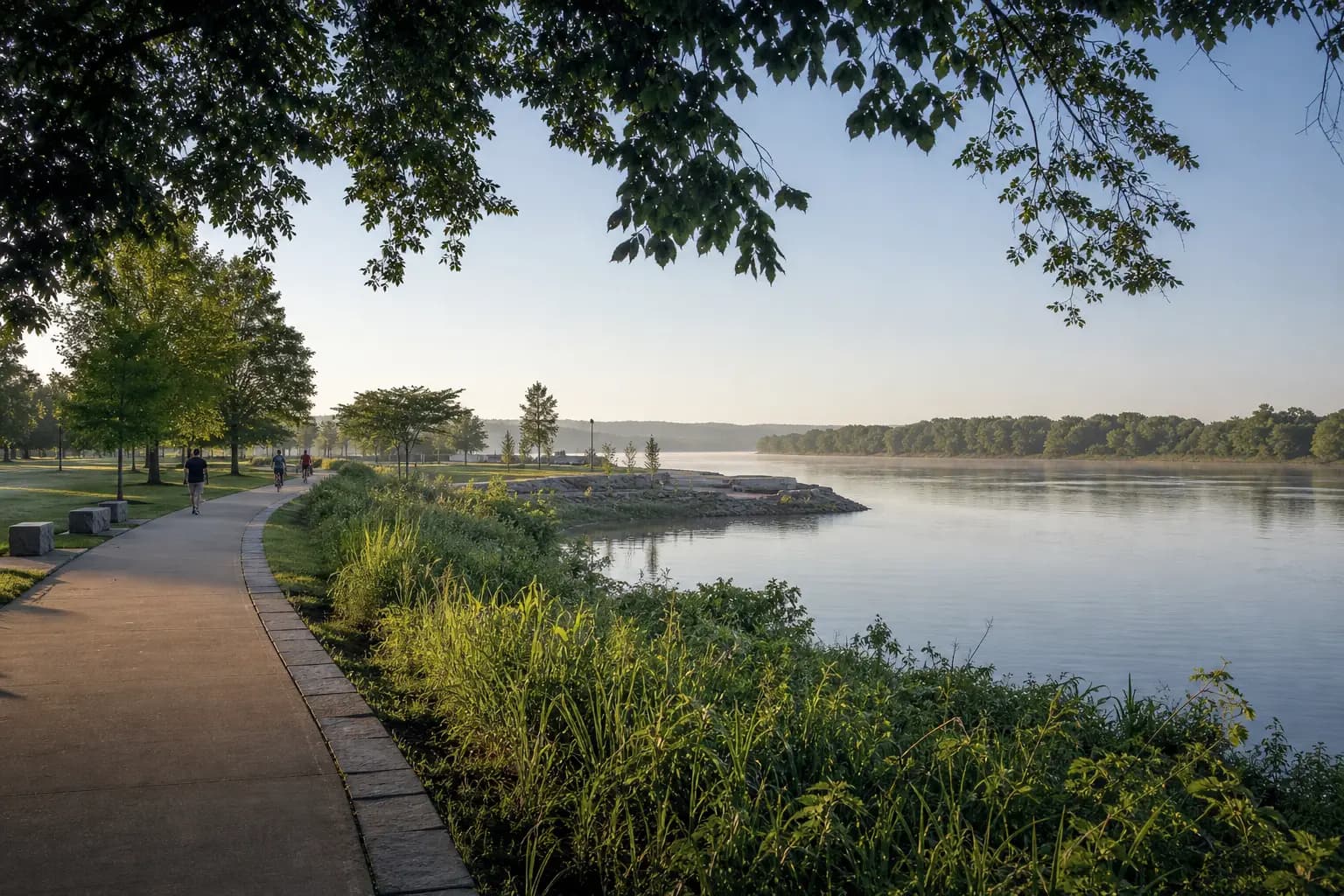
Late twentieth century Chattanooga had a reputation it had to confront, and air quality became part of the city's civic history. The cleanup chapter matters because it shows modern Chattanooga changing through public decisions, not only through older forces such as river commerce, railroads, and war. Riverfront renewal belongs to the same modern turn, giving visitors a different way to understand downtown's relationship with the Tennessee River. The present day experience along the river sits on top of that newer history as well as the older landing, rail, and war stories.
Frequently asked questions
When did Chattanooga begin?
The civic origin date is 1816, when Chattanooga was established as Ross's Landing. It was officially incorporated as Chattanooga in 1839.
What does Chattanooga mean?
The name Chattanooga is often translated as 'rock coming to a point.' That phrase is the common shorthand attached to the city's place name in local history.
Why were railroads important to Chattanooga?
Railroads made Chattanooga a regional connector and tied the city to movement through the wider region. The old rail story remains visible through the Chattanooga Choo Choo Terminal Train Station Complex.
Why was Chattanooga important in the Civil War?
Chattanooga's Civil War history is closely tied to Chickamauga and Chattanooga National Military Park. At Chickamauga, 35,000 men were killed, wounded, missing, or captured.
Sources
Checked against each source on November 20, 2026. Opening hours, prices and event dates change, so check with the venue before you go. The illustrations are AI generated and do not show real places.
- Our History (City of Chattanooga)
- Ross's Landing (National Park Service)
- Chickamauga Battlefield (National Park Service)
- Ed Johnson (University of Tennessee at Chattanooga Library, Special Collections)
More guides in Tennessee
Events Chattanooga
What Is Riverbend Festival In Chattanooga?Learn Riverbend Festival's June tradition, Ross's Landing setting, riverfront history and practical notes for a Chattanooga visit.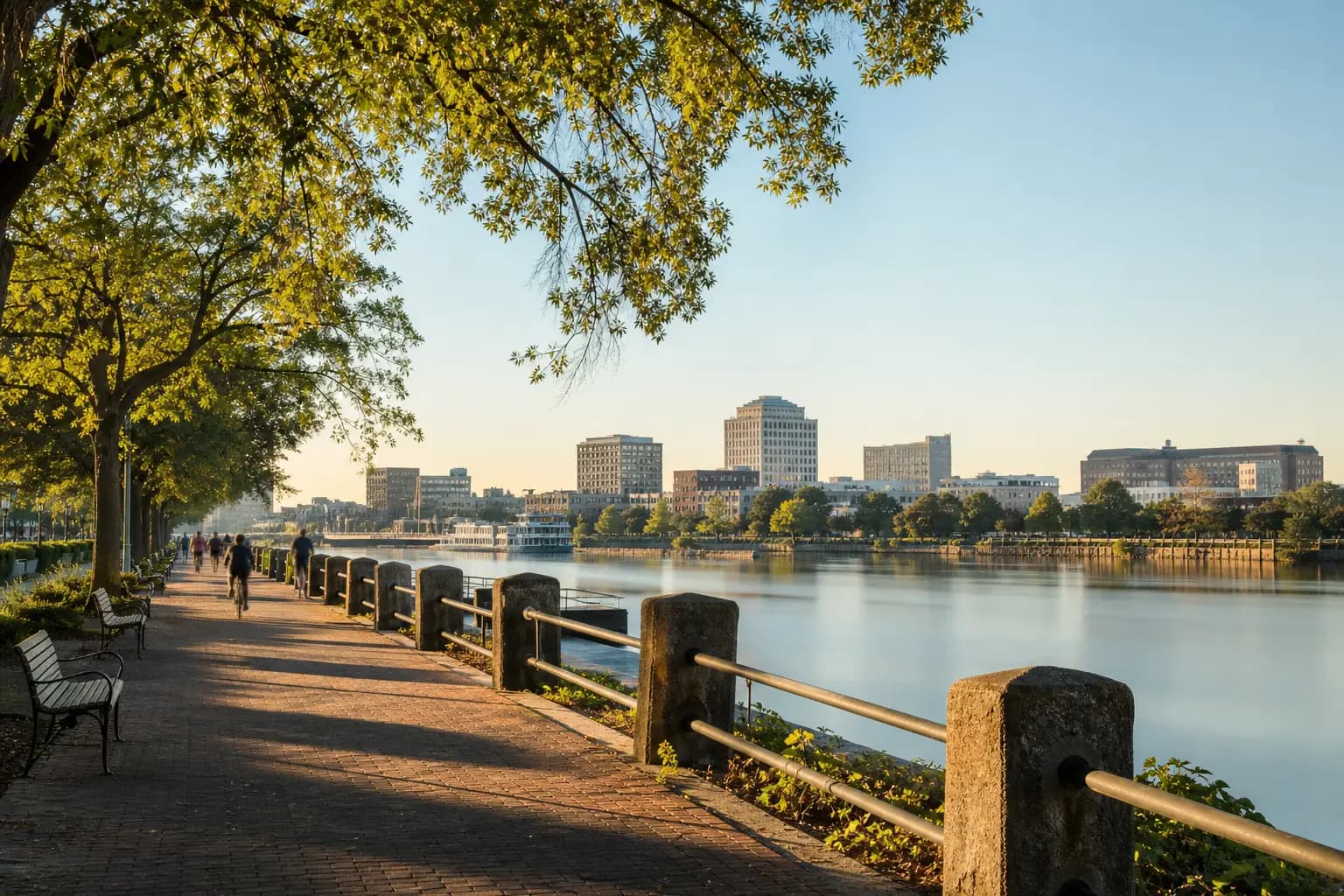
Sightseeing Chattanooga
Things to Do in Chattanooga, TennesseePlan things to do in Chattanooga with riverfront walks, Lookout Mountain, museums, art districts, parks and historic neighborhoods.
History Memphis
Civil Rights Museum Memphis: What To KnowLearn the story behind Memphis's National Civil Rights Museum, from the Lorraine Motel and 1968 sanitation strike to the exhibits visitors see.
Sightseeing Franklin
Things to Do in Franklin TNPlan things to do in Franklin TN with the Franklin Historic District, Civil War sites, house museums and the Double Arch Bridge near town.
Sightseeing Johnson City
Things To Do In Johnson City, TennesseeStroll downtown and the Tree Streets, then visit museums on railroading, Appalachian culture and Pliocene fossils in Johnson City.
Sightseeing Knoxville
Things To Do In KnoxvilleExplore Knoxville through Market Square, Gay Street, the McClung Museum of Natural History and Culture, and Ijams Nature Center.