
Civil Rights Museum Memphis: What To Know
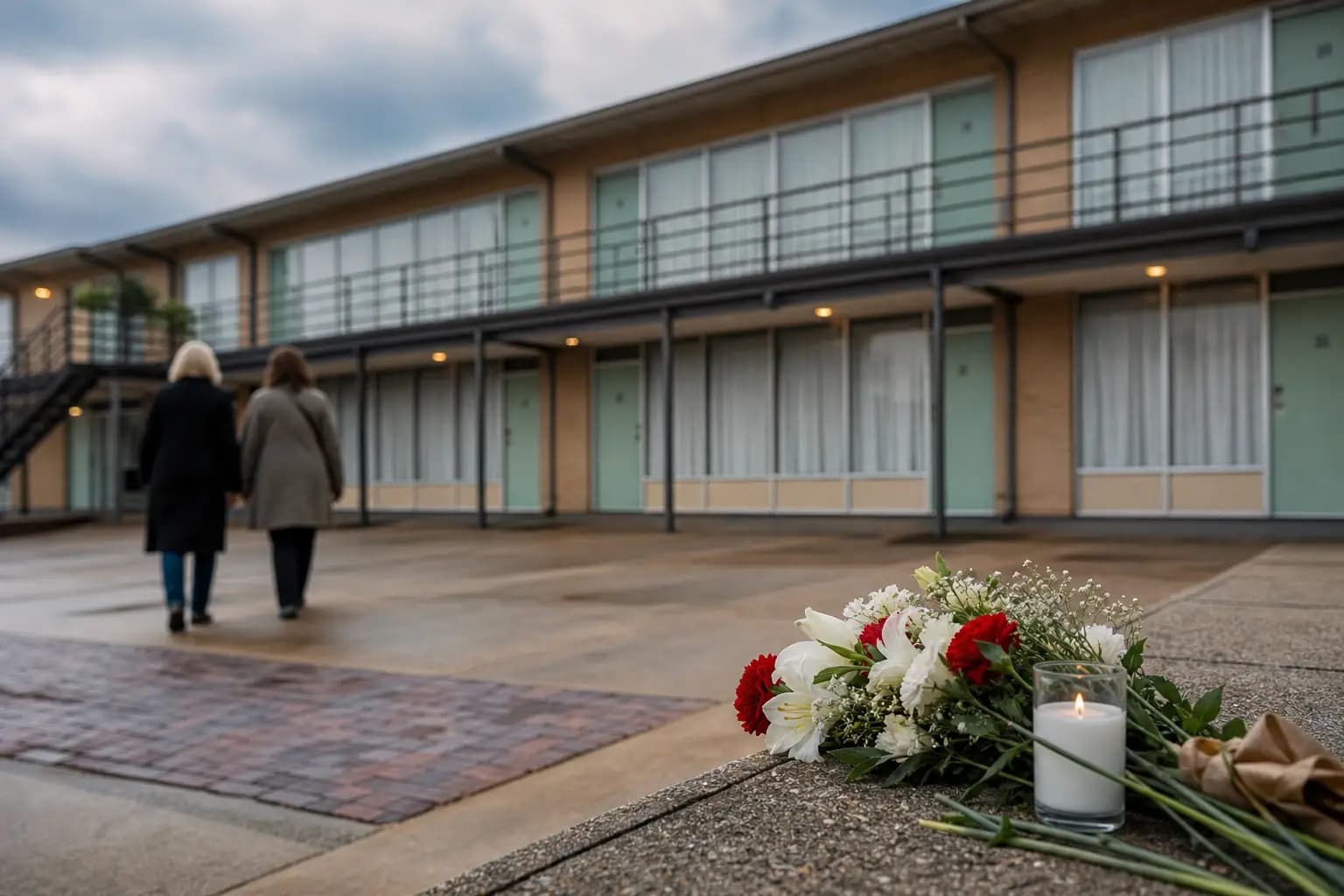
The civil rights museum Memphis travelers mean is the National Civil Rights Museum at the former Lorraine Motel. The Lorraine itself is central because Dr. Martin Luther King Jr. stayed there while in Memphis and was assassinated there on April 4, 1968. The museum connects the former motel, the 1968 sanitation workers strike, and related Memphis landmarks.
Key facts
- The museum is inside the former Lorraine Motel.
- The property was originally named the Windsor Hotel around 1925 and was purchased by Walter Bailey in 1945.
- The 1968 Memphis sanitation workers strike was part of King's final campaign before his death.
- More than 1,100 of a possible 1,300 sanitation workers were involved, and union recognition was one of the demands.
- A later $28 million renovation added more than 40 new films and oral histories.
Own a house in Memphis you are thinking of selling? See how our cash offer works.
The Lorraine Before The Museum
The setting is plain and powerful. The National Civil Rights Museum stands inside the former Lorraine Motel, a building with a life before it became a memorial and museum. The property was originally named the Windsor Hotel around 1925, giving the site a history that reaches back decades before 1968.
Walter Bailey purchased the property in 1945. By 1968, it was the Lorraine Motel, the place where Dr. King stayed while in Memphis during the sanitation workers strike. Because the museum remains in that motel, the building is part of the story visitors are reading, not only the container for exhibits.
Why The 1968 Sanitation Strike Matters
The museum's 1968 story cannot be separated from the Memphis sanitation workers strike. More than 1,100 of a possible 1,300 sanitation workers were involved, and union recognition was one of the demands. The campaign brought labor rights and civil rights into the same Memphis story. The National Archives calls it King's final campaign before his death.
April 3 And 4, 1968
On April 3, 1968, King spoke at Mason Temple, at 938 Mason Street in Memphis. The site is remembered for his final speech, often called Mountaintop, during a campaign connected to 1,300 striking sanitation workers. That location matters because it places the final public address in the same city story as the Lorraine.
The next day, April 4, 1968, the story returned to the Lorraine Motel. King had stayed at the Lorraine, and his assassination there made the motel the place where that final Memphis story is centered. A visit to the civil rights museum in Memphis is therefore anchored in a tight geography: Mason Street for the final speech, the Lorraine for the assassination, and the sanitation strike that drew the campaign together.
How The Site Became A Museum
The Lorraine did not become a museum immediately. Its founding gave the former motel a public role beyond commemoration, because the building now introduces visitors to the broader movement as well as to the events of April 1968.
Later, a $28 million renovation added more than 40 new films and oral histories. That change matters for visitors because the story is carried by recorded voices and film as well as by the building. The result is a museum shaped by both place and testimony, with the Lorraine at its center.
What Visitors See Inside
The setting shapes the visit. You move through a museum that is also the former Lorraine Motel, so the building's earlier life stays present as the exhibits move through civil rights history. The newer films and oral histories from the renovation give many of those stories in voices and images rather than labels alone. The Lorraine remains the center of the experience because it is both the place King stayed in Memphis and the place where he was assassinated on April 4, 1968.
Frequently asked questions
Is the civil rights museum in Memphis the National Civil Rights Museum?
Yes. The National Civil Rights Museum is the civil rights museum in Memphis most visitors mean, and it is in the former Lorraine Motel.
Why is the Lorraine Motel important?
Dr. Martin Luther King Jr. stayed at the Lorraine Motel while in Memphis during the 1968 sanitation workers strike. He was assassinated there on April 4, 1968.
Why was King in Memphis in 1968?
King's Memphis work was tied to the sanitation workers strike, which involved more than 1,100 of a possible 1,300 sanitation workers. The National Archives calls it King's final campaign before his death.
What nearby places connect to the museum's story?
Mason Temple, at 938 Mason Street, is tied to King's final speech on April 3, 1968. Historic Clayborn Temple dates to 1892, is tied to the 1968 Sanitation Workers' Strike, and is connected to the I AM A MAN signs printed in its basement.
Sources
Checked against each source on November 20, 2026. Opening hours, prices and event dates change, so check with the venue before you go. The illustrations are AI generated and do not show real places.
- About Us (National Civil Rights Museum)
- Tennessee: The Lorraine Motel (U.S. National Park Service)
- Martin Luther King, Jr., and Memphis Sanitation Workers (National Archives and Records Administration)
- Renovated National Civil Rights Museum Reopens (National Endowment for the Humanities)
- Tennessee: Mason Temple Memphis (U.S. National Park Service)
- The History of Historic Clayborn Temple (Historic Clayborn Temple)
More guides in Tennessee
Food Memphis
What makes Memphis BBQ different?Learn about Memphis barbecue traditions, from downtown rib history and local dishes to the May cooking contest in Tennessee.
Events Memphis
Memphis In May: The City's Month Long FestivalLearn what Memphis in May includes, from the barbecue contest and international salute to the river run and festival history.
Sightseeing Memphis
What is Memphis, Tennessee Known For?Learn what Memphis is known for, from Beale Street and Civil Rights history to Elvis sites, Sun Studio, Stax, parks and Big River Crossing.
History Chattanooga
A Short History of ChattanoogaExplore Chattanooga history from Moccasin Bend and Ross's Landing to railroads, Civil War sites, TVA, air cleanup and riverfront renewal.
Events Chattanooga
What Is Riverbend Festival In Chattanooga?Learn Riverbend Festival's June tradition, Ross's Landing setting, riverfront history and practical notes for a Chattanooga visit.
Sightseeing Franklin
Things to Do in Franklin TNPlan things to do in Franklin TN with the Franklin Historic District, Civil War sites, house museums and the Double Arch Bridge near town.