
Sheboygan Brats and Bratwurst Traditions
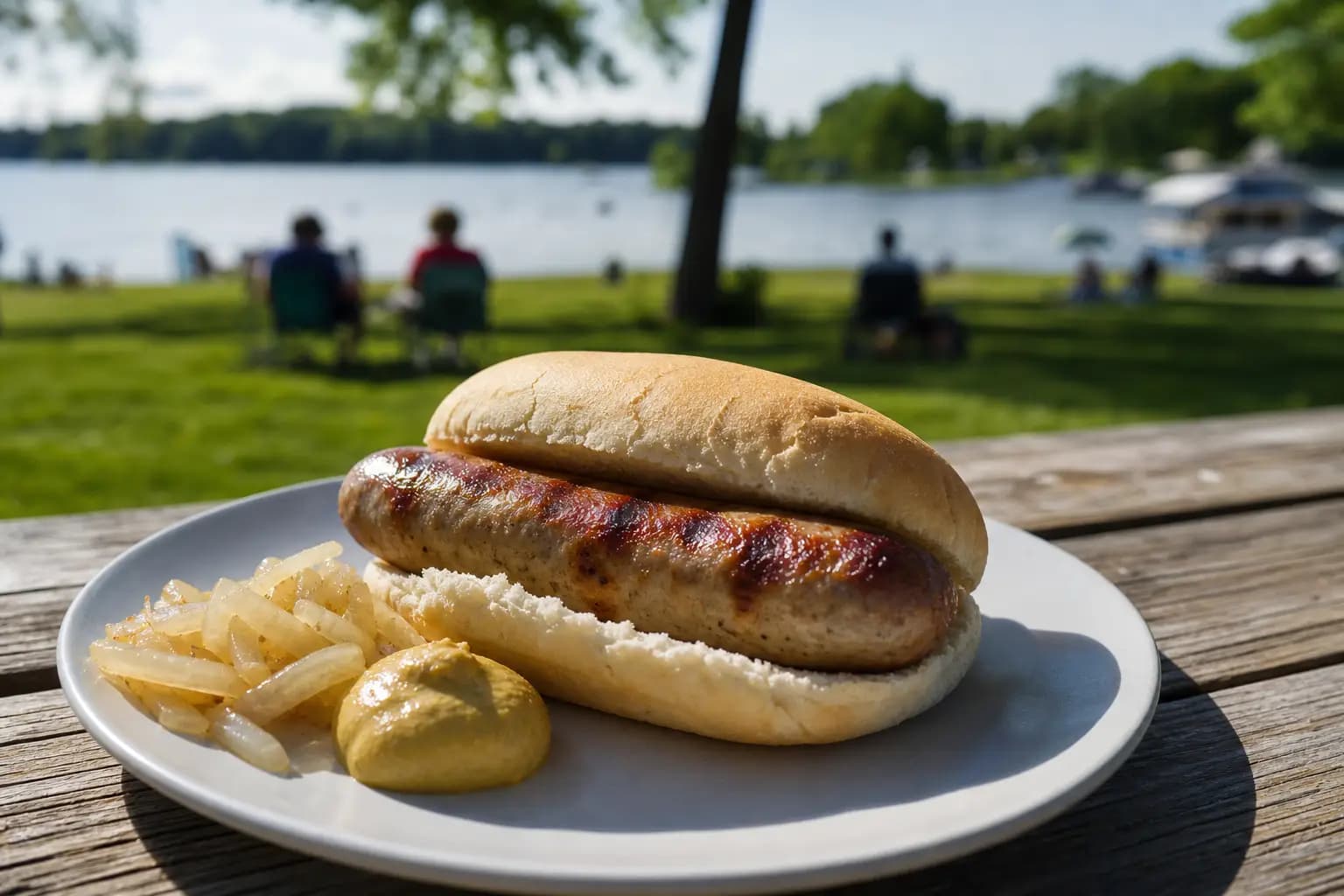
Sheboygan brats are the city's bratwurst tradition, seen in Brat Days history, local meat markets, and the festival language of a single or double on a hard roll. Bratwurst Day began on Thursday, August 13, 1953, with Bratwurst Boulevard and 7,000 pounds of brats. The tradition is easy to trace through Brat Days history, butcher cases, and the long local habit of making bratwurst part of public celebration.
Key facts
- Bratwurst Day was born on Thursday, August 13, 1953.
- The Brat Days origin story includes Bratwurst Boulevard and 7,000 pounds of brats.
- Brat Days lists a single or double on a hard roll.
- Miesfeld's Triangle Market says it offers over 25 varieties of bratwurst.
- Brockman's Meat Market dates itself to 1951 and lists homemade sausages and homemade brats.
Own a house in Sheboygan you are thinking of selling? See how our cash offer works.
Sheboygan's Bratwurst Identity
Sheboygan's bratwurst identity is easy to see in the way local festivals and markets keep the sausage at the center of public life. Brat Days calls Sheboygan the "Home of the Brat" and keeps the menu language direct, with a single or double on a hard roll. The city's brat story is also practical, with local meat markets making and selling bratwurst for everyday meals and community events. Together, the festival history and butcher case give the tradition a civic feel that reaches beyond a single event.
How to Eat a Sheboygan Brat
At Brat Days, the basic brat order is listed as a single or a double on a hard roll. That wording is part of the local shorthand for the sandwich, and it keeps the focus on the sausage and the roll rather than a long list of toppings. Miesfeld's Triangle Market also points back to the serving style by naming the Sheboygan hard roll with its bratwurst.
The single and double language makes the order easy to understand at a festival stand. A single means one bratwurst, while a double places the emphasis on a larger brat order served on the same kind of roll. For visitors, the hard roll is the clearest detail to watch for when following Sheboygan's brat tradition from festival menus to meat markets.
Brat Days and Bratwurst Day
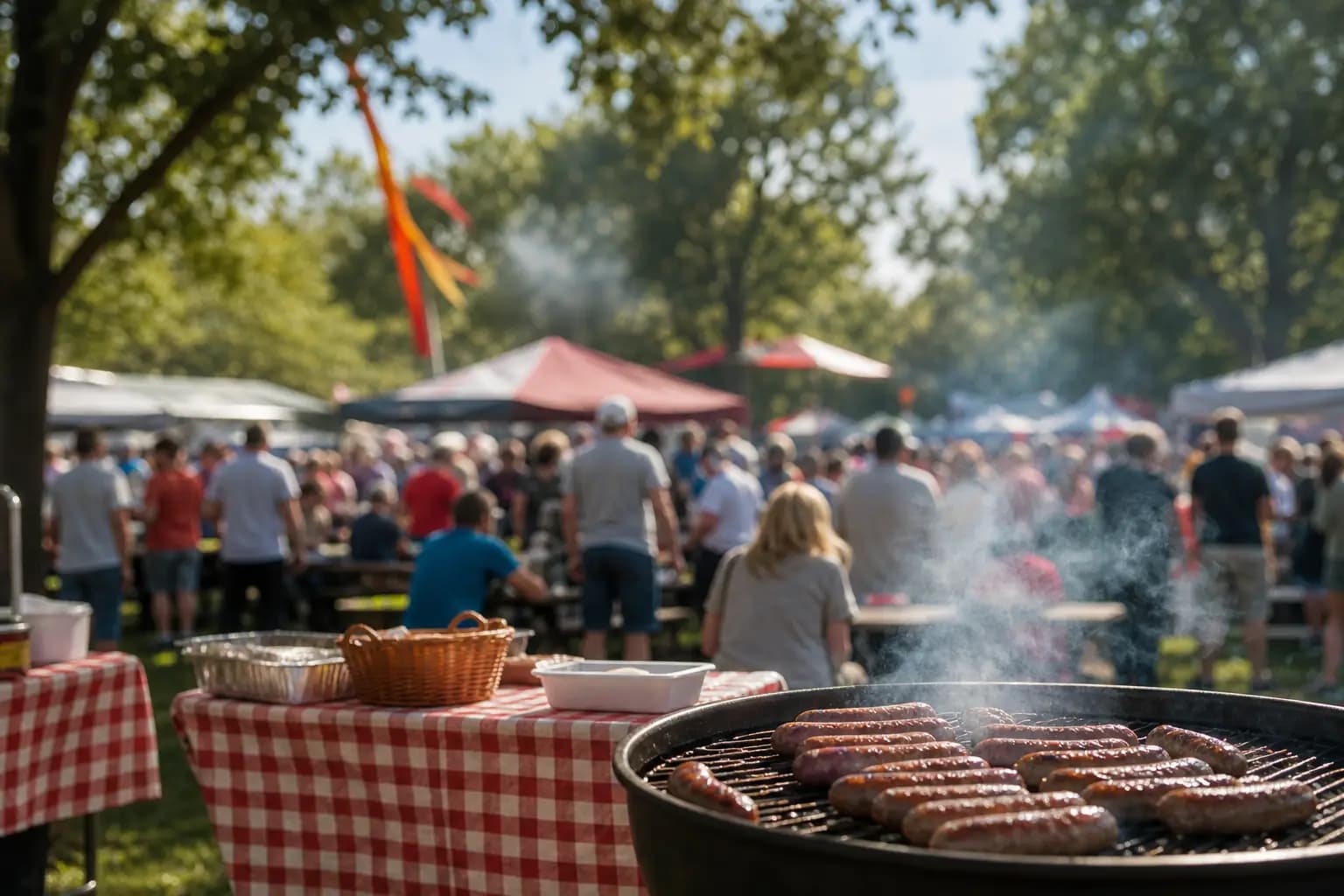
Brat Days grew from Bratwurst Day, which the festival history says was born on Thursday, August 13, 1953. The origin story includes a Bratwurst Boulevard and 7,000 pounds of brats. Its early entertainment list included a brat eating contest, a parade, square dancing, polka music and fireworks.
The festival's food language still centers the brat. The Brat Days food page calls Sheboygan the "Home of the Brat" and lists a single or double on a hard roll. That simple format keeps the festival tied to the same bratwurst identity that appears in local markets and community food events.
Meat Markets That Keep the Tradition Going
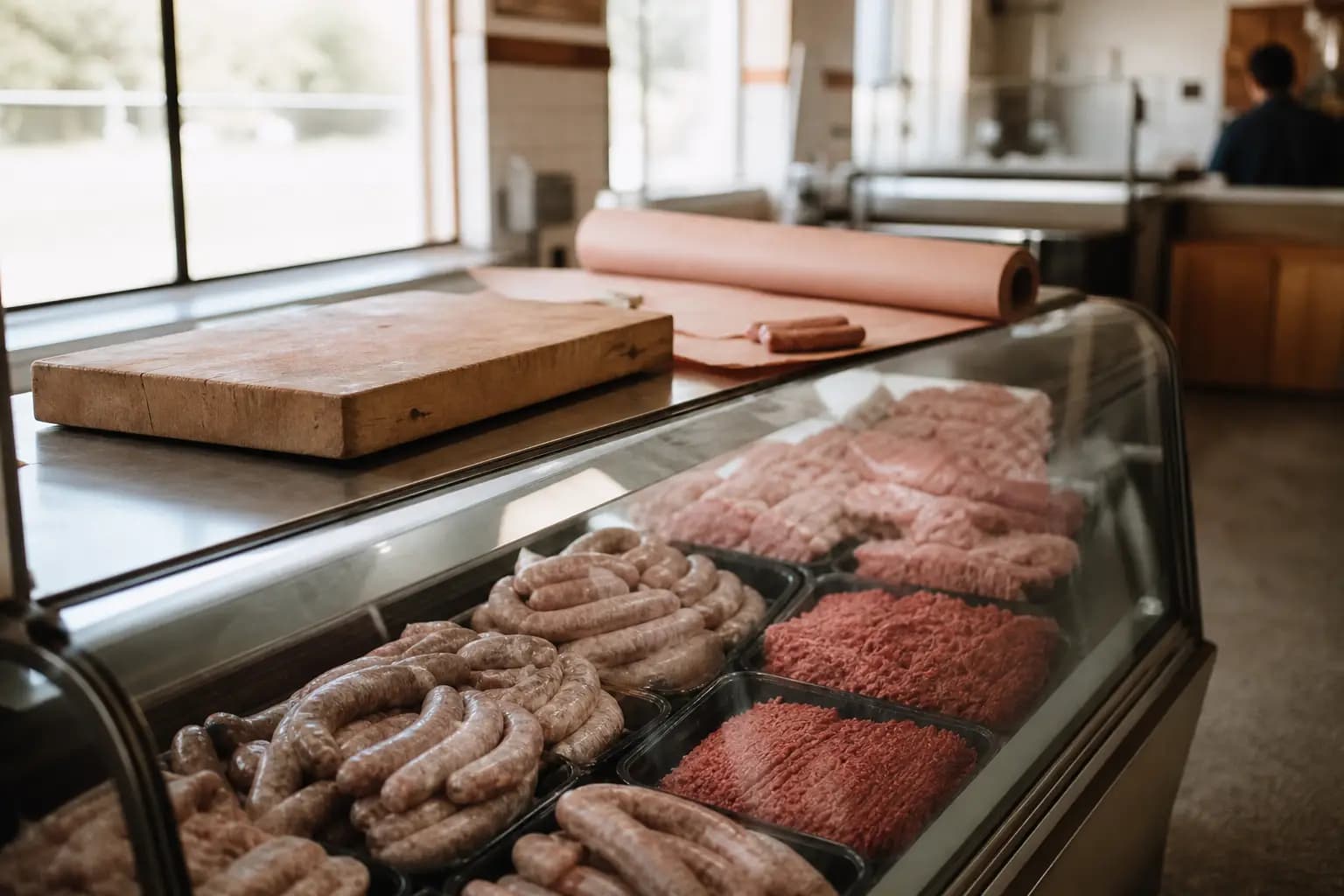
Local meat markets keep the tradition practical. Miesfeld's Triangle Market says it offers over 25 varieties of bratwurst and describes its brat as made from fresh lean pork. The market also points back to the serving style by naming the Sheboygan hard roll.
Travel Wisconsin dates Miesfeld's to 1941 and describes the market as a place along the shores of Lake Michigan. It also says the market carries more than 400 meat items. For a visitor following the brat trail, that places bratwurst inside a broader butcher case rather than only at a festival stand.
Brockman's Meat Market is another long running name in the local brat story. Its site dates the business to 1951 and lists homemade sausages and homemade brats. It also names Kransky sausages, potato salad and brats, along with brat frys and events.
A Brat Centered Visit
Start with what is still visible on festival and market lists: hard rolls and single or double brats. Those details give Sheboygan bratwurst its local shape without making the order complicated. A visitor can follow that format from Brat Days food language to the meat cases at Miesfeld's and Brockman's.
Then connect the sandwich to place. The festival story leads back to Bratwurst Day in 1953, while the market story adds the practical work of making and selling brats year after year. Together, those pieces show why bratwurst remains such a recognizable part of Sheboygan food culture.
For more state food context, continue through the site's Wisconsin food traditions. Sheboygan's brat story fits especially well beside Wisconsin's other community food traditions. The local details are what make it distinct: the hard roll, the single or double order, Brat Days history and long running meat markets.
Frequently asked questions
What makes Sheboygan brats different?
The local festival and market language puts attention on the hard roll and the single or double brat order. Brat Days lists a single or double on a hard roll, and Miesfeld's Triangle Market also names the Sheboygan hard roll with its bratwurst.
What is Brat Days?
Brat Days grew from Bratwurst Day, born on Thursday, August 13, 1953. The festival history includes Bratwurst Boulevard, 7,000 pounds of brats, a brat eating contest, a parade, square dancing, polka music and fireworks.
Where does the meat market tradition show up in Sheboygan?
Miesfeld's Triangle Market says it offers over 25 varieties of bratwurst and names fresh lean pork and the Sheboygan hard roll. Brockman's Meat Market dates itself to 1951 and lists homemade sausages, homemade brats, brat frys and events.
Sources
Checked against each source on November 20, 2026. Opening hours, prices and event dates change, so check with the venue before you go. The illustrations are AI generated and do not show real places.
- History (Brat Days / Sheboygan Jaycees)
- Brat-tastic Foods & Beverages (Brat Days / Sheboygan Jaycees)
- Miesfeld's Award-Winning Bratwurst / Fresh & Frozen Bratwurst (Miesfeld's Triangle Market)
- Miesfeld's Market (Travel Wisconsin)
- Brockman's Home (Brockman's Meat Market)
More guides in Wisconsin
Food Milwaukee
Milwaukee Food: Dishes the City Is Known ForLearn the Milwaukee food traditions behind brats, cheese curds, frozen custard, Friday fish fry and Wisconsin State Fair cream puffs.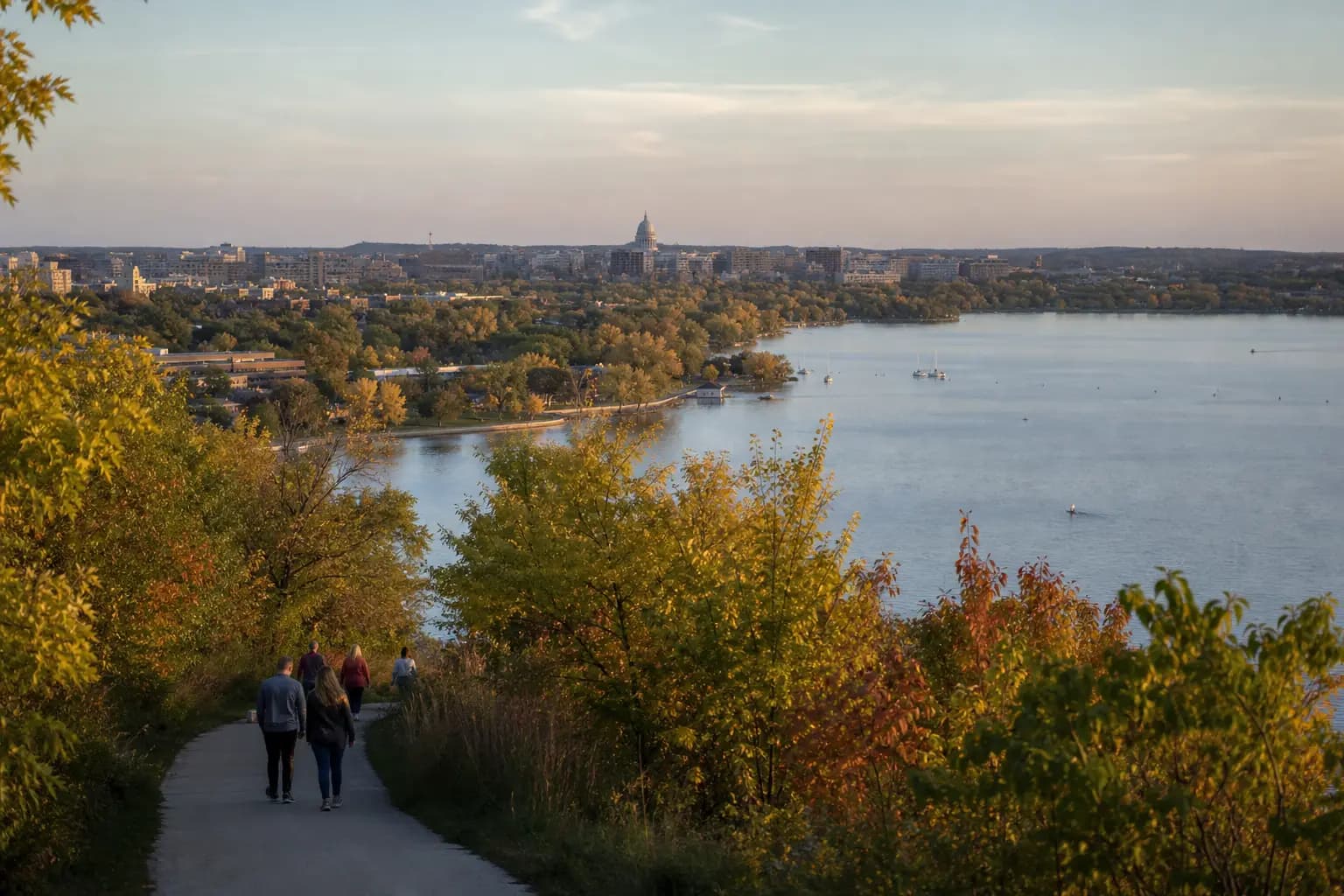
Sightseeing Madison
What Is Madison, Wisconsin Known For?Learn what Madison, Wisconsin is known for, from its isthmus and lakes to the Capitol, campus views, museums, trails and historic districts.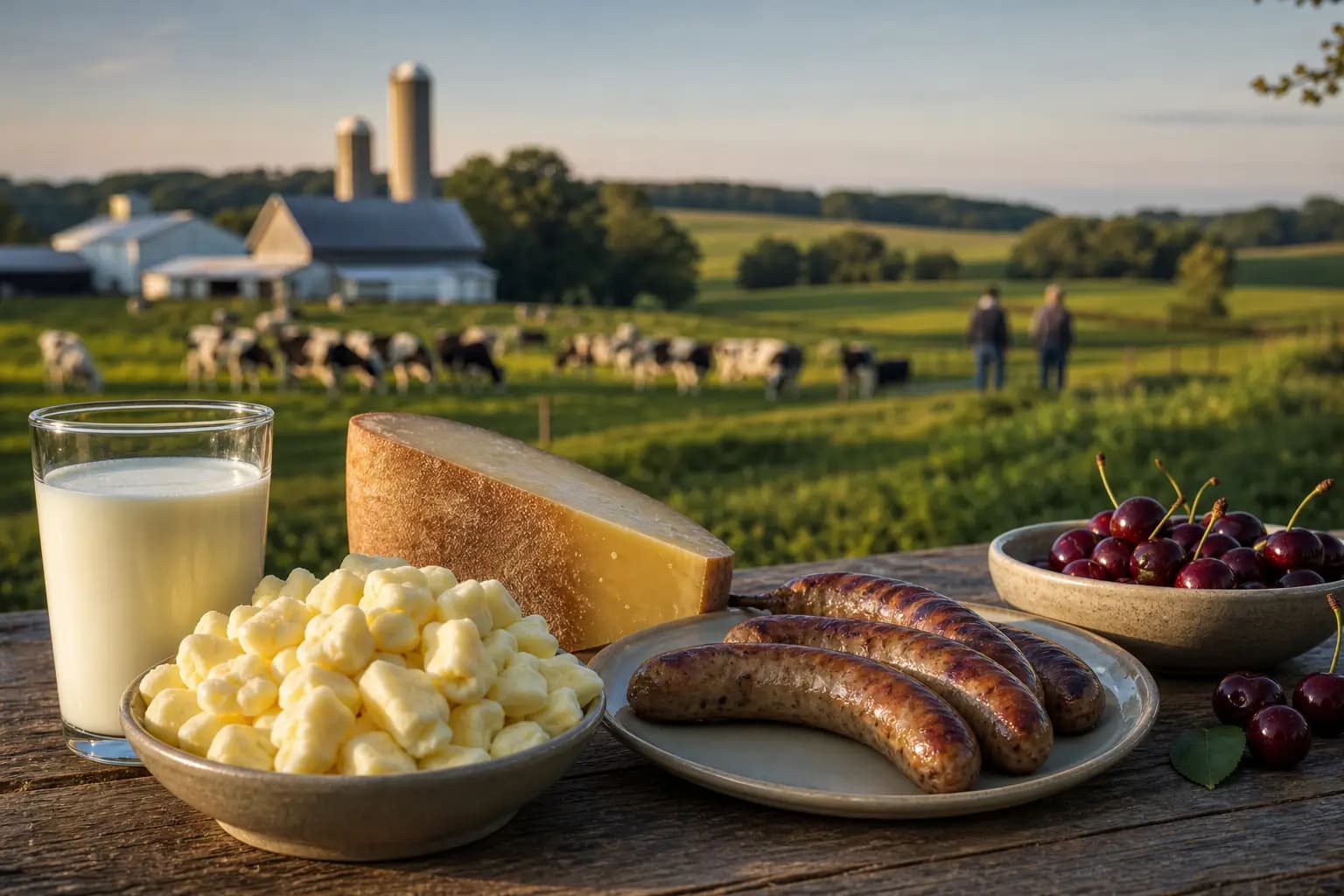
Food Wisconsin
What Food Is Wisconsin Known For?Learn the Wisconsin food traditions behind cheese, brats, supper clubs, Door County fish boils, Racine kringle, custard and markets.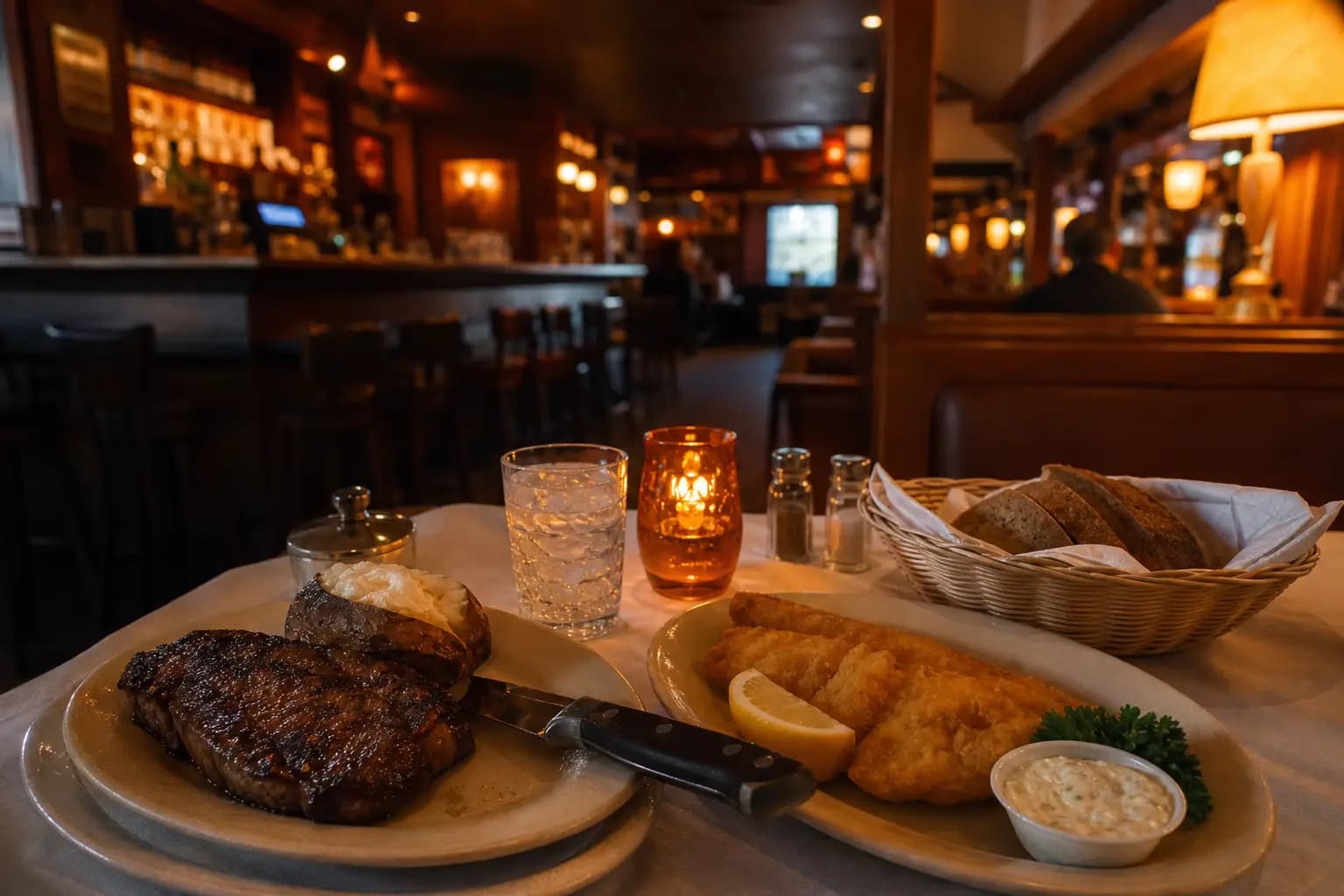
Food Wisconsin
Wisconsin Supper Club Tradition ExplainedLearn what defines a Wisconsin supper club: fish fry, prime rib nights, relish trays, brandy Old Fashioneds, ice cream drinks and social dining customs.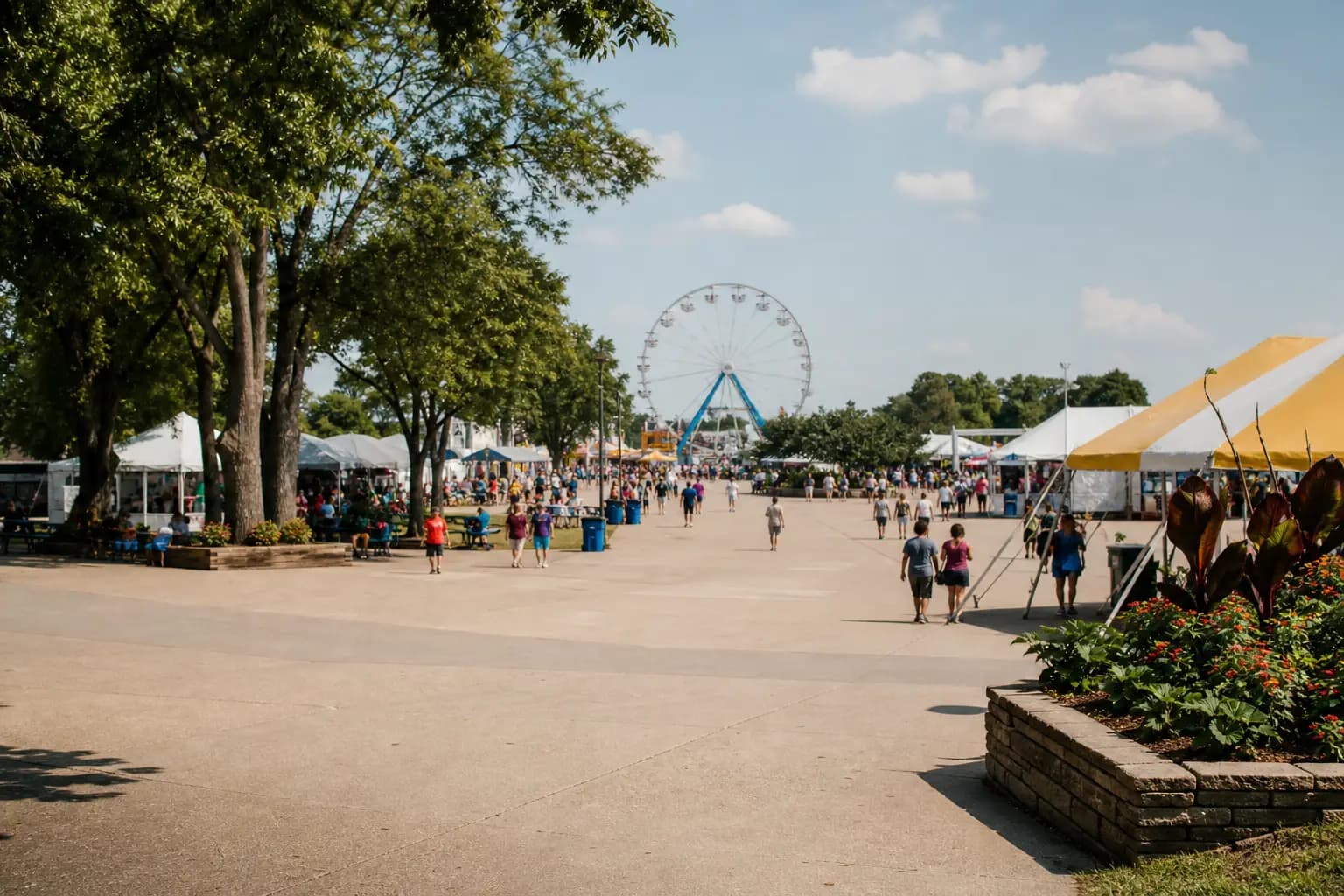
Events Milwaukee
Wisconsin State Fair: History and What to ExpectLearn the Wisconsin State Fair's 1851 origins, West Allis fairgrounds, August timing, cream puffs, agriculture and food traditions.
Sightseeing Kenosha
Things to Do in Kenosha, WisconsinExplore Kenosha's lakefront, museums, historic districts, HarborPark, lighthouses and parks with visitor friendly detail.