
What Is Madison, Wisconsin Known For?
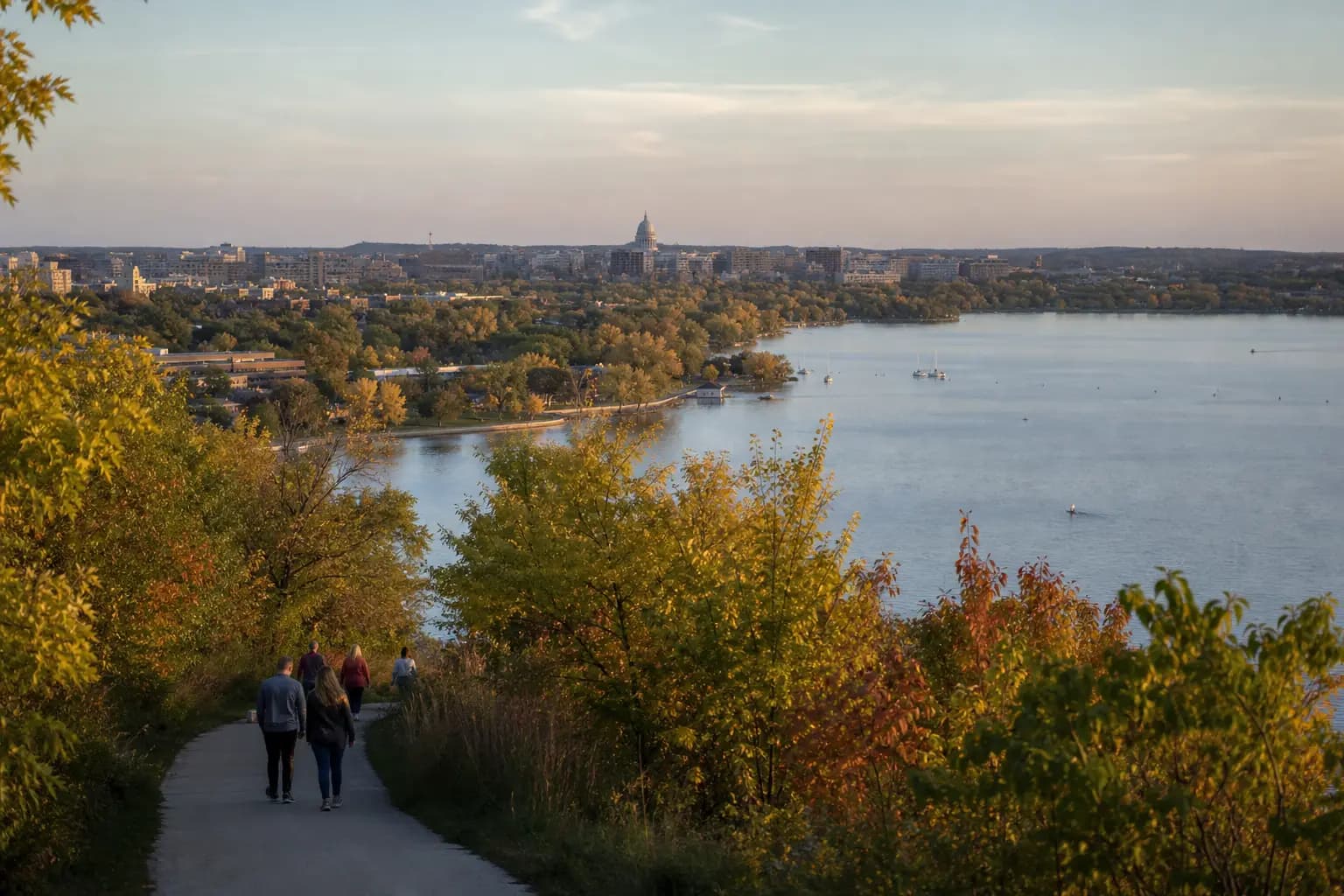
Madison, Wisconsin is known for its rare isthmus setting, five surrounding lakes, the Wisconsin State Capitol, the University of Wisconsin Madison campus and a strong mix of markets, museums, trails and historic neighborhoods. The city’s signature sightseeing has a civic and lakefront rhythm: Capitol grounds, campus views over Lake Mendota, Monona Terrace architecture and Arboretum trails all shape the way visitors remember it.
Key facts
- Madison is one of only two major U.S. cities built on an isthmus.
- Five lakes surround Madison: Mendota, Monona, Wingra, Waubesa and Kegonsa.
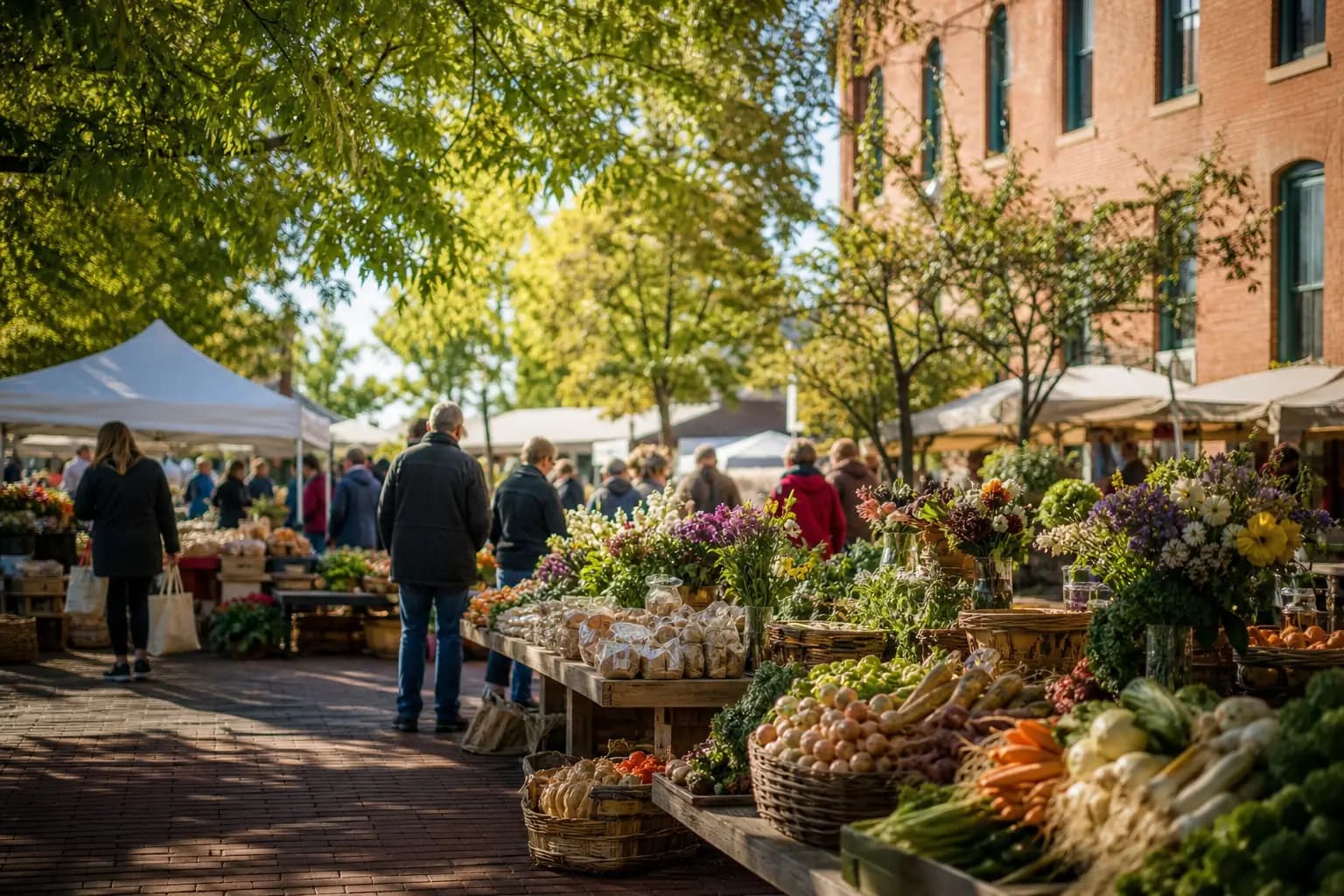
- Dane County Farmers' Market members line the sidewalk of the state capitol grounds.
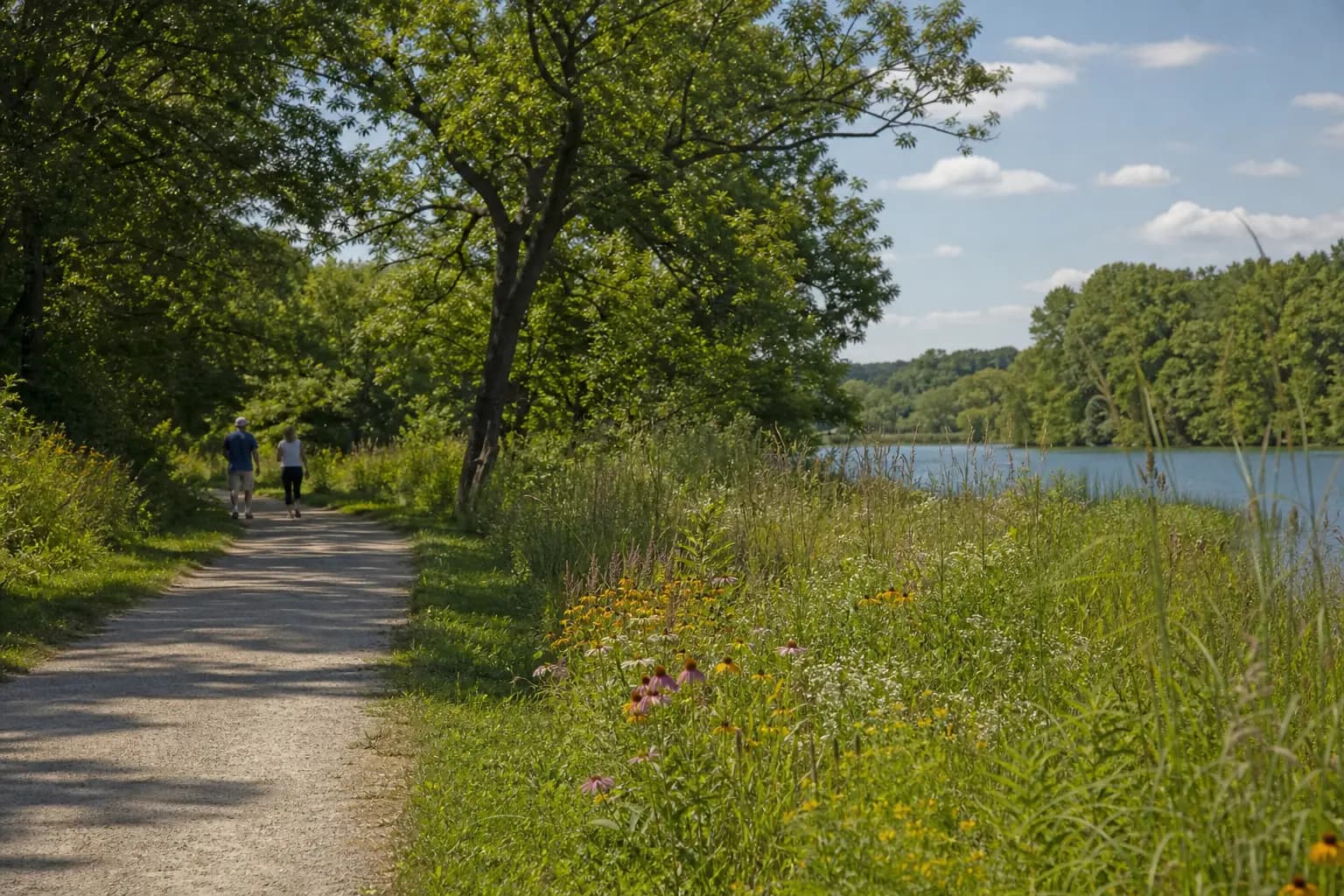
- The UW Arboretum maintains more than 17 miles of trails through restored prairies, savannas, woodlands and wetlands.
Own a house in Madison you are thinking of selling? See how our cash offer works.
An Isthmus City With Five Lakes
Madison is known first for its geography. Destination Madison describes it as one of only two major U.S. cities built on an isthmus, and the city is surrounded by five lakes: Mendota, Monona, Wingra, Waubesa and Kegonsa. That setting gives a visit a clear local pattern, with civic landmarks, campus lake views and restored natural areas all close to the water story.
For a first pass through the city, many of the most recognizable stops fit into a simple sightseeing arc: the Capitol area, the University of Wisconsin Madison campus, Memorial Union Terrace and the city’s major trail destinations. Madison is better understood as a lake city than as a riverfront city, with Lake Mendota and the other named lakes doing much of the visual work.
The Wisconsin State Capitol And Capitol Grounds
The Wisconsin State Capitol is one of Madison’s defining landmarks. Its role is both architectural and civic, with the building standing at the center of the city’s public life. The Capitol grounds also anchor one of Madison’s familiar outdoor scenes, since Dane County Farmers' Market members line the sidewalk of the state capitol grounds.
Together, the building and its surroundings help explain why Madison is so strongly associated with public life at the center of town. A Capitol area walk can connect government buildings, open civic space and local food culture in a compact part of the city. It is one of the clearest places to see how Madison’s capital city identity shapes everyday life.
Dane County Farmers' Market Culture
The Dane County Farmers' Market is a major part of Madison’s public identity. The market is reported to be the largest producer only farmers’ market in the country, and its own rules state that resale is not allowed. That means the market is built around producers bringing what they grow, raise or make.
For visitors, the setting matters as much as the shopping. Market members line the sidewalks of the state capitol grounds, so the experience ties local food directly to one of Madison’s main landmarks. It is a good example of how the city blends sightseeing with everyday Wisconsin food culture, without separating the civic square from the people who use it.
UW Madison, Lake Mendota And The Chazen Museum
The University of Wisconsin Madison campus is central to Madison sightseeing, especially along Lake Mendota. Memorial Union Terrace is located on the shore of Lake Mendota and is described by the Wisconsin Union as one of the most iconic spots on campus. The Union also frames its campus presence as “Two Buildings, One Union,” with Memorial Union as the lakefront name many visitors recognize.
Art is part of the campus experience too. The Chazen Museum of Art makes its home between two lakes on the University of Wisconsin Madison campus. In practical visitor terms, that places a museum stop within the same campus corridor as lake views, student landmarks and the broader civic walk from the Capitol side of the city toward the university.
Monona Terrace And The Wright Architecture Story
Monona Terrace adds another layer to Madison’s civic sightseeing. The venue offers public tours in Madison, and its architecture tour is built around the 60 year journey of Wright’s “dream civic center.” That phrase captures why the site belongs in a sightseeing plan even for visitors who are not attending an event there.
The appeal here is the connection between public architecture and the city’s lakeside identity. A stop at Monona Terrace pairs well with the Capitol area because both places present Madison as a capital city with formal civic spaces. It also gives architecture minded visitors a named Wright story to follow while staying within the central sightseeing loop.
Trails And Restored Landscapes
Madison’s outdoor identity is not limited to shoreline views. The University of Wisconsin Madison Arboretum maintains more than 17 miles of trails through restored prairies, savannas, woodlands and wetlands. Those ecosystem names are a useful guide for visitors because a walk there is about moving through different restored habitats, not simply circling a lawn or lake path.
In winter, the Arboretum remains part of the outdoor picture because skiing and snowshoeing are allowed on designated routes. That keeps the Arboretum in Madison’s sightseeing mix beyond warm weather walks. It also adds another way to understand the city’s relationship with restored natural areas close to the urban core.
Historic Districts Worth A Slow Walk
Madison is also known for local historic districts that put residential streets into the sightseeing mix. These districts give visitors a way to look beyond single landmarks and spend time with older neighborhood patterns. They are best approached slowly, with attention to streets, scale and the way the neighborhoods sit near the city center.
Mansion Hill and First Settlement are two names tied to Madison’s local historic district map. Together, these districts show that Madison’s history is visible not only in official buildings, but also in neighborhoods where people have lived close to the civic core. They add a quieter counterpoint to the Capitol, campus and lakefront parts of a visit.
Frequently asked questions
What is Madison, Wisconsin best known for?
Madison is best known for its isthmus geography, five surrounding lakes, the Wisconsin State Capitol, the University of Wisconsin Madison campus, Memorial Union Terrace, Monona Terrace, the Dane County Farmers' Market and major outdoor places such as the Arboretum.
Is Madison known for lakes?
Yes. Madison is surrounded by five lakes: Mendota, Monona, Wingra, Waubesa and Kegonsa. Lake Mendota is especially visible to visitors at Memorial Union Terrace on the University of Wisconsin Madison campus.
Can visitors tour the Wisconsin State Capitol?
Yes. Wisconsin State Capitol tour information is available for visitors, and the Capitol remains one of Madison’s defining civic landmarks.
What is a good first sightseeing walk in Madison?
A useful first walk centers on the Capitol area and then continues toward the University of Wisconsin Madison campus and Memorial Union Terrace. That route connects the city’s civic identity with its Lake Mendota campus setting.
What parks or gardens is Madison known for?
The UW Arboretum is known for more than 17 miles of trails through restored prairies, savannas, woodlands and wetlands. In winter, skiing and snowshoeing are allowed on designated routes.
Does Madison have historic neighborhoods to visit?
Yes. Madison has local historic districts, including Mansion Hill and First Settlement. They give visitors a way to look beyond single landmarks and spend time with older neighborhood patterns.
Sources
Checked against each source on November 20, 2026. Opening hours, prices and event dates change, so check with the venue before you go. The illustrations are AI generated and do not show real places.
- Mad Facts: Get to Know Madison, WI (Destination Madison)
- About (Dane County Farmers' Market)
- Visit (Wisconsin Union)
- Tours and Education (Monona Terrace Community and Convention Center)
- Trails (University of Wisconsin Madison Arboretum)
- About (Chazen Museum of Art)
More guides in Wisconsin

Food Milwaukee
Milwaukee Food: Dishes the City Is Known ForLearn the Milwaukee food traditions behind brats, cheese curds, frozen custard, Friday fish fry and Wisconsin State Fair cream puffs.
Food Sheboygan
Sheboygan Brats and Bratwurst TraditionsTrace Sheboygan's bratwurst history from Bratwurst Day in 1953 to Brat Days, local meat markets, and the classic single or double on a hard roll.
Food Wisconsin
What Food Is Wisconsin Known For?Learn the Wisconsin food traditions behind cheese, brats, supper clubs, Door County fish boils, Racine kringle, custard and markets.
Food Wisconsin
Wisconsin Supper Club Tradition ExplainedLearn what defines a Wisconsin supper club: fish fry, prime rib nights, relish trays, brandy Old Fashioneds, ice cream drinks and social dining customs.
Events Milwaukee
Wisconsin State Fair: History and What to ExpectLearn the Wisconsin State Fair's 1851 origins, West Allis fairgrounds, August timing, cream puffs, agriculture and food traditions.
Sightseeing Kenosha
Things to Do in Kenosha, WisconsinExplore Kenosha's lakefront, museums, historic districts, HarborPark, lighthouses and parks with visitor friendly detail.