
What Is Milwaukee Known For?
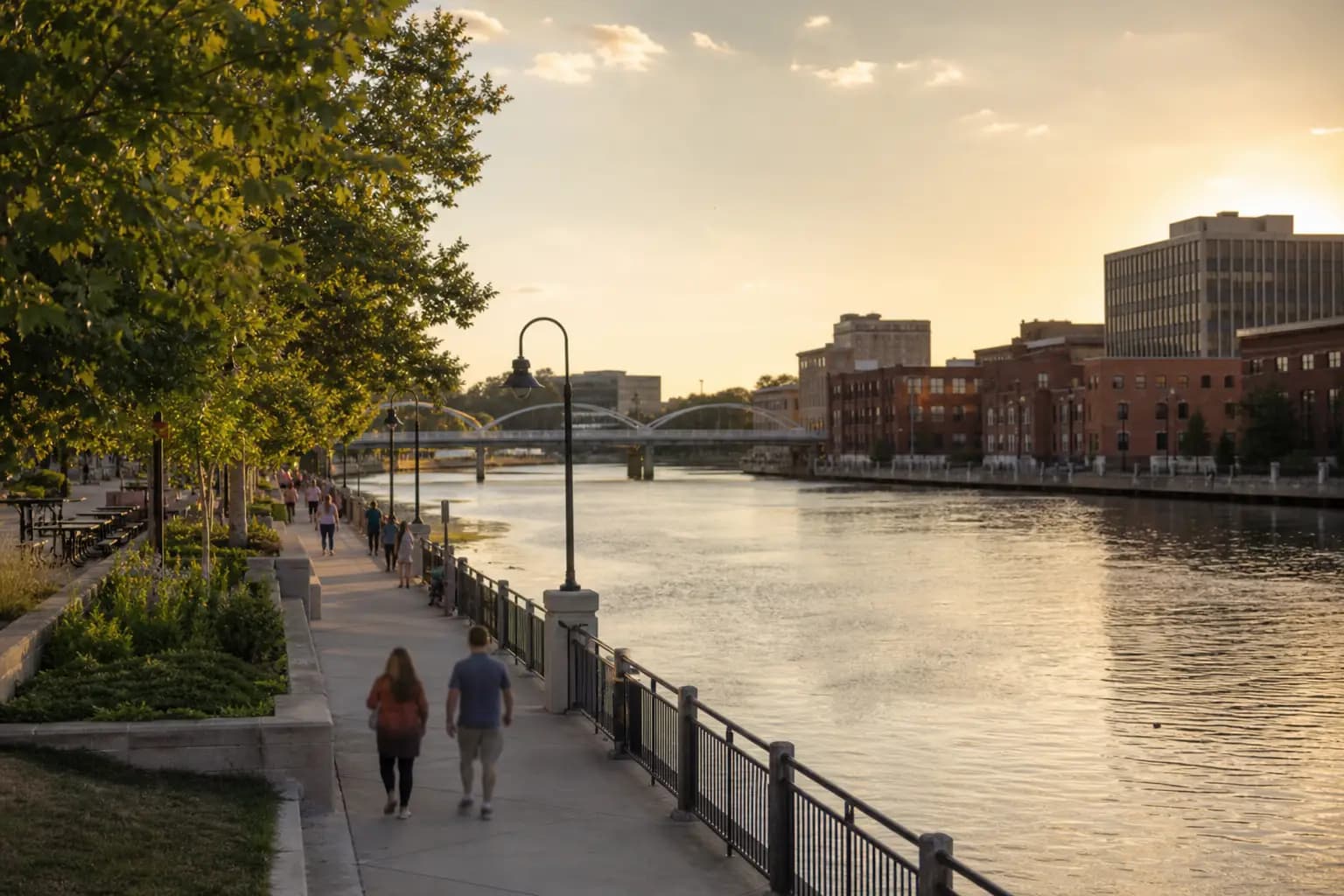
Milwaukee is known for riverfront walks, distinctive Cream City brick, major museums and civic landmarks. A first visit can move from the Historic Third Ward RiverWalk to City Hall and museum spaces that tell the city's art, industry and street level history. For more state context, see what Wisconsin is known for.
Key facts
- The Historic Third Ward has a public RiverWalk boardwalk tied to one of Milwaukee's named historic neighborhoods.
- Milwaukee City Hall is described as German Renaissance Revival architecture and as "One of the largest city halls in the country."
- The Milwaukee Art Museum lists more than 34,000 artworks and more than forty galleries.
- Harley-Davidson was born in Milwaukee in 1903.
- The Milwaukee Public Museum's Streets of Old Milwaukee includes darkened, gaslit lanes and the Watson Family Home.
Own a house in Milwaukee you are thinking of selling? See how our cash offer works.
The Historic Third Ward RiverWalk
Milwaukee's riverfront reputation starts easily in the Historic Third Ward, where a public RiverWalk boardwalk runs through one of the city's named historic neighborhoods. For a visitor, the appeal is straightforward: a walk here puts the city at pedestrian speed, with a public path tied directly to the neighborhood rather than a drive by view. It is a practical starting point for seeing Milwaukee as a city of river edges, older districts and short urban walks.
The Third Ward piece also helps explain why Milwaukee is known for walkable water edges rather than only for stand alone landmarks. The route gives structure to a first sightseeing day because it can sit naturally between neighborhood wandering and museum visits elsewhere in the city. It is a clear example of a Milwaukee landmark that is experienced by walking, stopping and looking, not simply by standing in front of a single facade.
Cream City Brick And City Hall
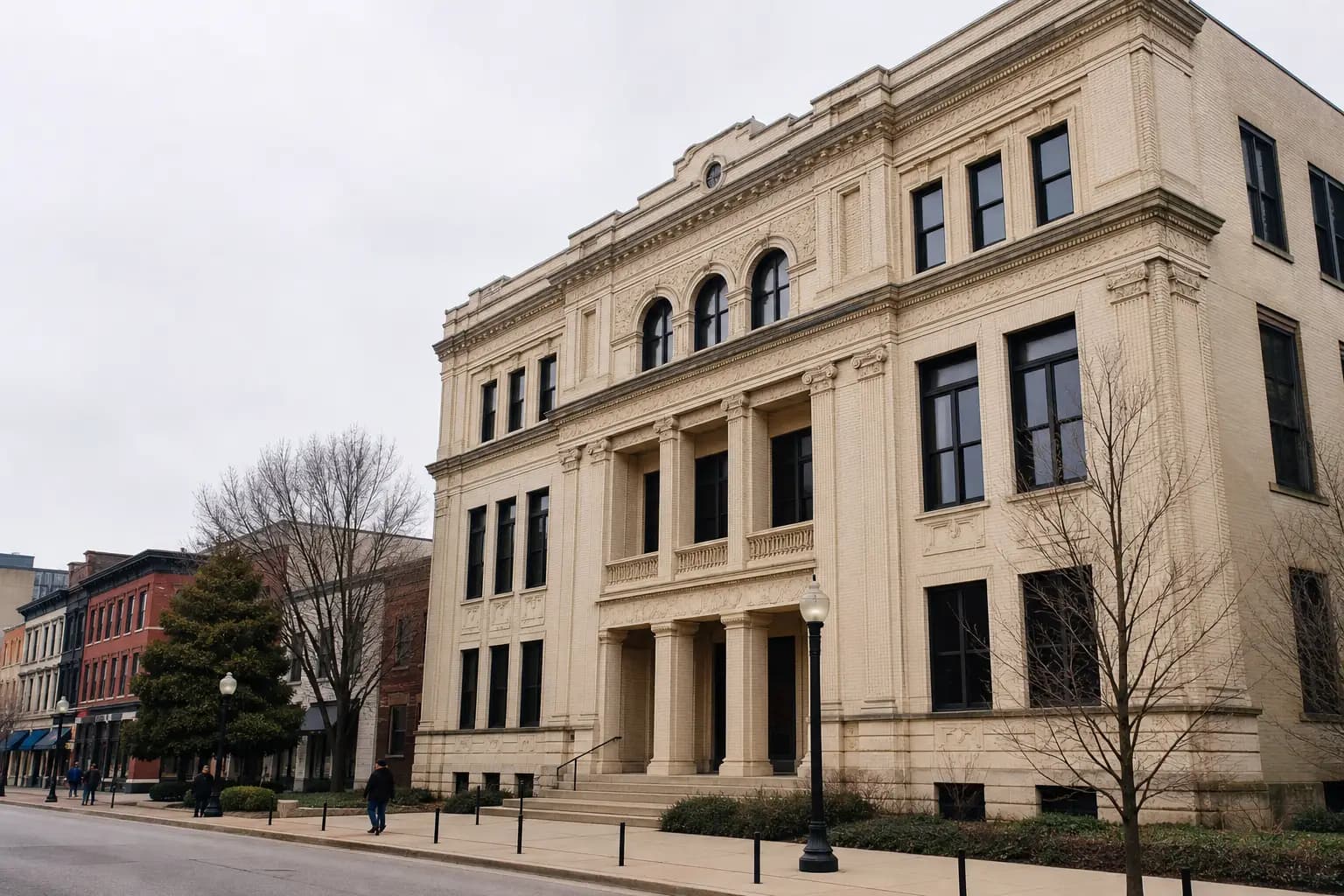
Milwaukee's Cream City brick belongs to the city's architecture story. It gives local sightseeing a material thread, so a walk through the city can be about surfaces and buildings as much as about individual attractions. The Wisconsin Historical Society includes cream brick in its architecture material, placing it within the broader building history that helps shape how Milwaukee looks.
City Hall is the landmark to know on an architecture walk. The National Park Service calls it "One of the largest city halls in the country" and describes its architecture as German Renaissance Revival. Seen together, Cream City brick and City Hall point to a city whose sightseeing is often about materials, civic buildings and the visible marks left by earlier periods of growth.
Major Museums With City Stories
The Milwaukee Art Museum identifies itself as "Wisconsin's largest art institution." It holds more than 34,000 artworks from antiquity to today, and visitors encounter four floors with over forty galleries of art. Those numbers make the museum one of the clearest indoor answers to what Milwaukee is known for: art presented at large civic scale.
The Harley-Davidson Museum brings a different Milwaukee story. Harley-Davidson was born in Milwaukee in 1903, and the museum sets that origin in the city where the company began. The central point for a general visitor is simple: the company began here, and the attraction turns that origin into a Milwaukee landmark.
Streets Of Old Milwaukee
At the Milwaukee Public Museum, Streets of Old Milwaukee turns city history into a walk through a museum setting. The Milwaukee Public Museum calls it "the most visited spot in the Museum," and the exhibit text points visitors to "darkened, gaslit lanes." The Watson Family Home is part of that exhibit world, giving the old street scene a domestic stop as well as a public street scene.
That exhibit matters because it puts Milwaukee's past at human scale. After seeing real neighborhoods outside, visitors can compare them with a museum version built around lanes and a home. It is also a reminder that Milwaukee's sightseeing identity is not only grand civic architecture; it includes everyday street life as the city chooses to display it.
Lakeshore State Park And Public Space
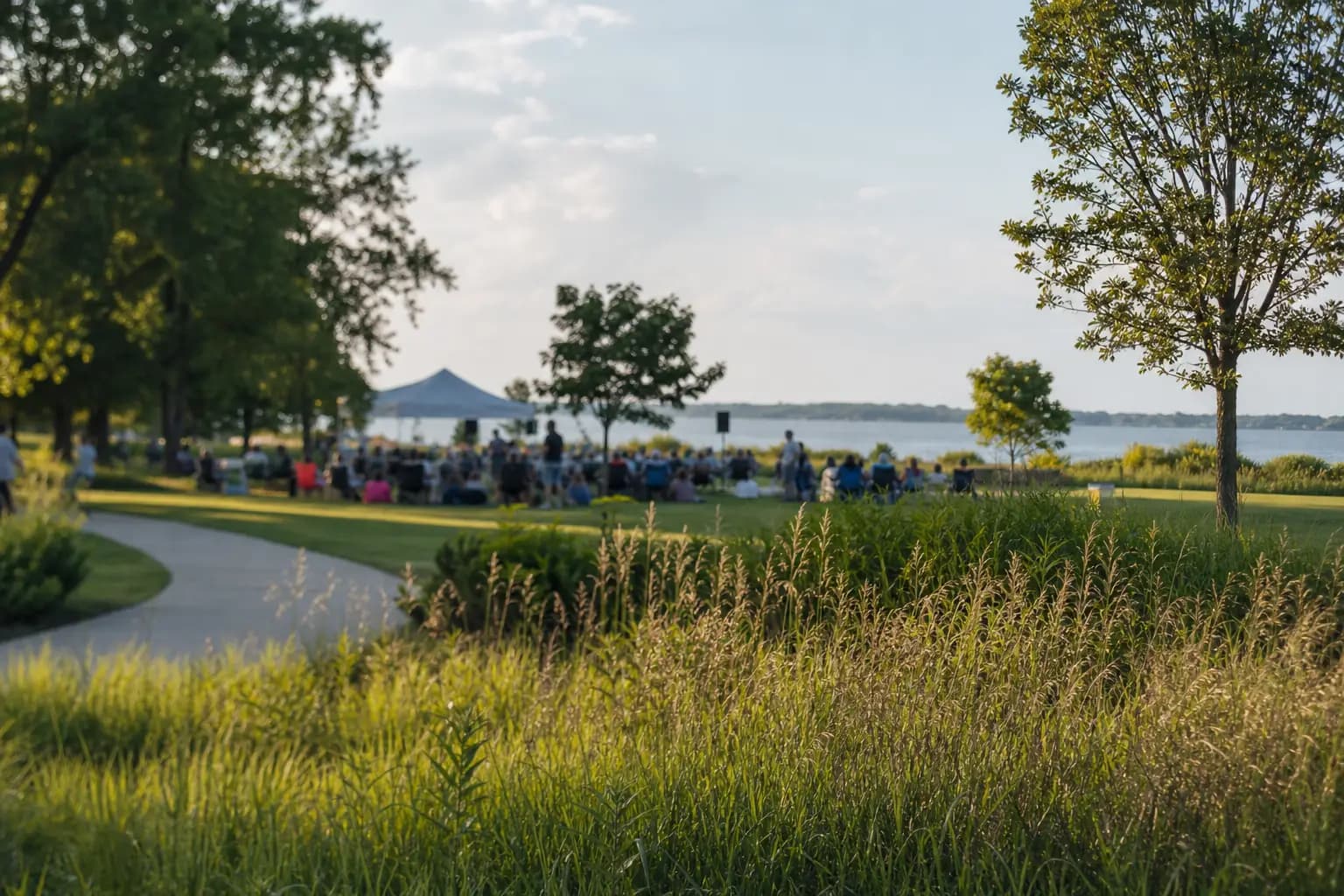
Public space rounds out the sightseeing picture. Lakeshore State Park gives the city a state park name within a Milwaukee sightseeing plan, and the Wisconsin Department of Natural Resources states that a vehicle admission sticker is not required at Lakeshore State Park. For a visitor, the practical point is that Milwaukee's known sights are not only museums, architecture and historic streets; the city's map also includes public park space.
Frequently asked questions
What is Milwaukee most known for?
Milwaukee is known for the Historic Third Ward RiverWalk, Cream City brick, Milwaukee City Hall, major museums and the Streets of Old Milwaukee exhibit. The city's sightseeing appeal comes from combining walks, architecture, museums and public space in a compact urban setting.
What museums show Milwaukee's identity?
The Milwaukee Art Museum shows the city through a collection of more than 34,000 artworks and more than forty galleries. The Harley-Davidson Museum connects Milwaukee to the company born there in 1903, while the Milwaukee Public Museum's Streets of Old Milwaukee presents darkened, gaslit lanes and the Watson Family Home.
What is notable about Milwaukee City Hall?
Milwaukee City Hall is described as German Renaissance Revival architecture and as "One of the largest city halls in the country." It is a key civic landmark for visitors interested in Milwaukee architecture.
What park can fit into a Milwaukee sightseeing day?
Lakeshore State Park is the key park name from the Milwaukee sightseeing dossier. The Wisconsin Department of Natural Resources states that a vehicle admission sticker is not required at Lakeshore State Park.
Sources
Checked against each source on November 19, 2026. Opening hours, prices and event dates change, so check with the venue before you go. The illustrations are AI generated and do not show real places.
- Lakeshore State Park (Wisconsin Department of Natural Resources)
- National Historic Landmarks Guide (National Park Service)
- Museum Info (Milwaukee Art Museum)
- Harley-Davidson Museum | Milwaukee, WI | Harley-Davidson USA (Harley-Davidson)
- Streets of Old Milwaukee (Milwaukee Public Museum)
More guides in Wisconsin
Events Milwaukee
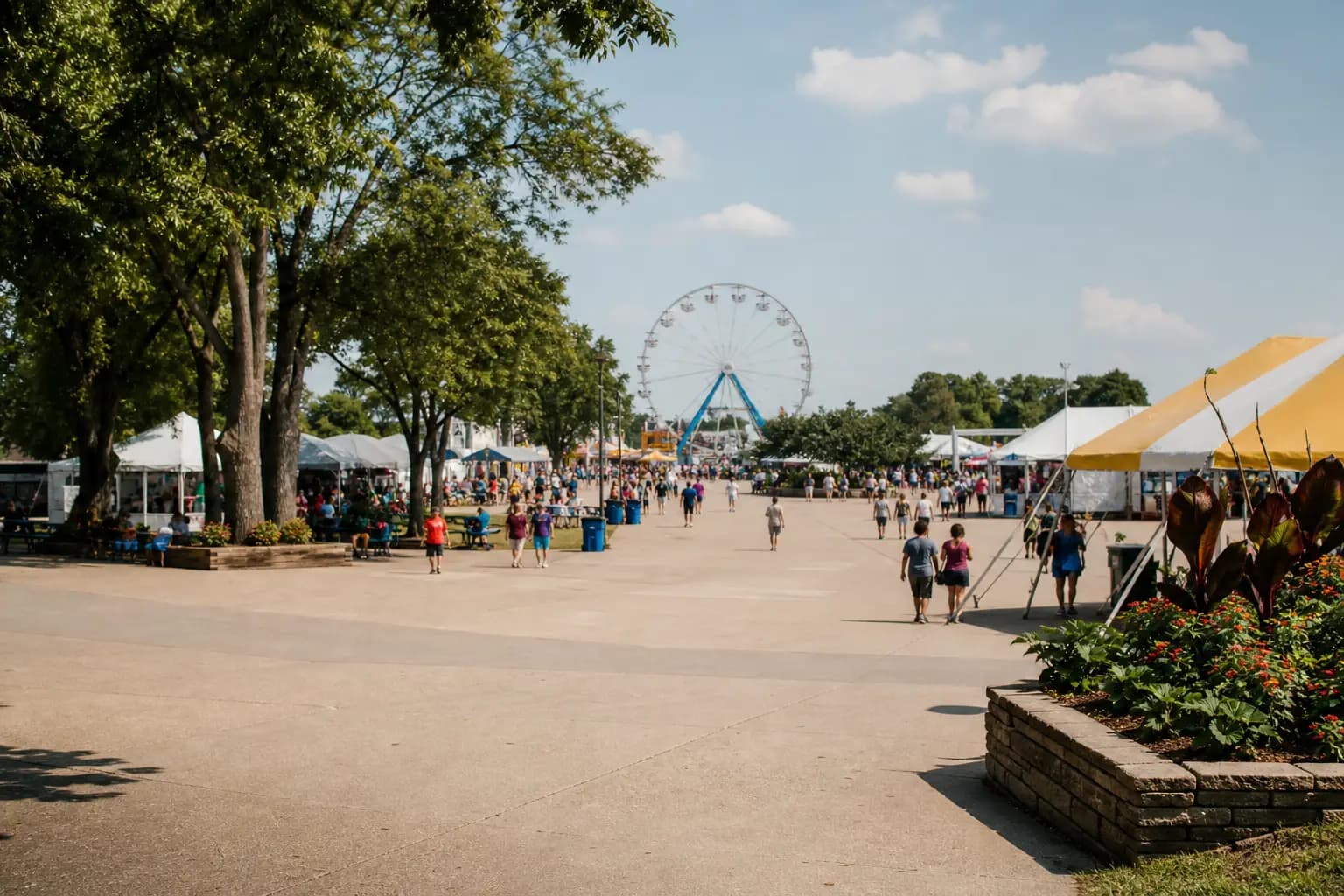
Wisconsin State Fair: History and What to ExpectLearn the Wisconsin State Fair's 1851 origins, West Allis fairgrounds, August timing, cream puffs, agriculture and food traditions.
Food Green Bay
What is booyah, the Green Bay chicken stew?Learn what booyah is, why Green Bay claims it, how Belgian roots shaped it, and how big kettles became local tradition.Sightseeing Wisconsin
What Is Wisconsin Known For?Learn what Wisconsin is known for, from Lake Superior islands and state parks to Frank Lloyd Wright architecture, river walks and museums.
Food Wisconsin
What Is the Wisconsin Butter Burger?See how the Wisconsin butter burger took shape through Solly's, Kroll's West and Culver's, from Milwaukee coffee shops to toasted buns.