
Things to Do in Savannah, Georgia
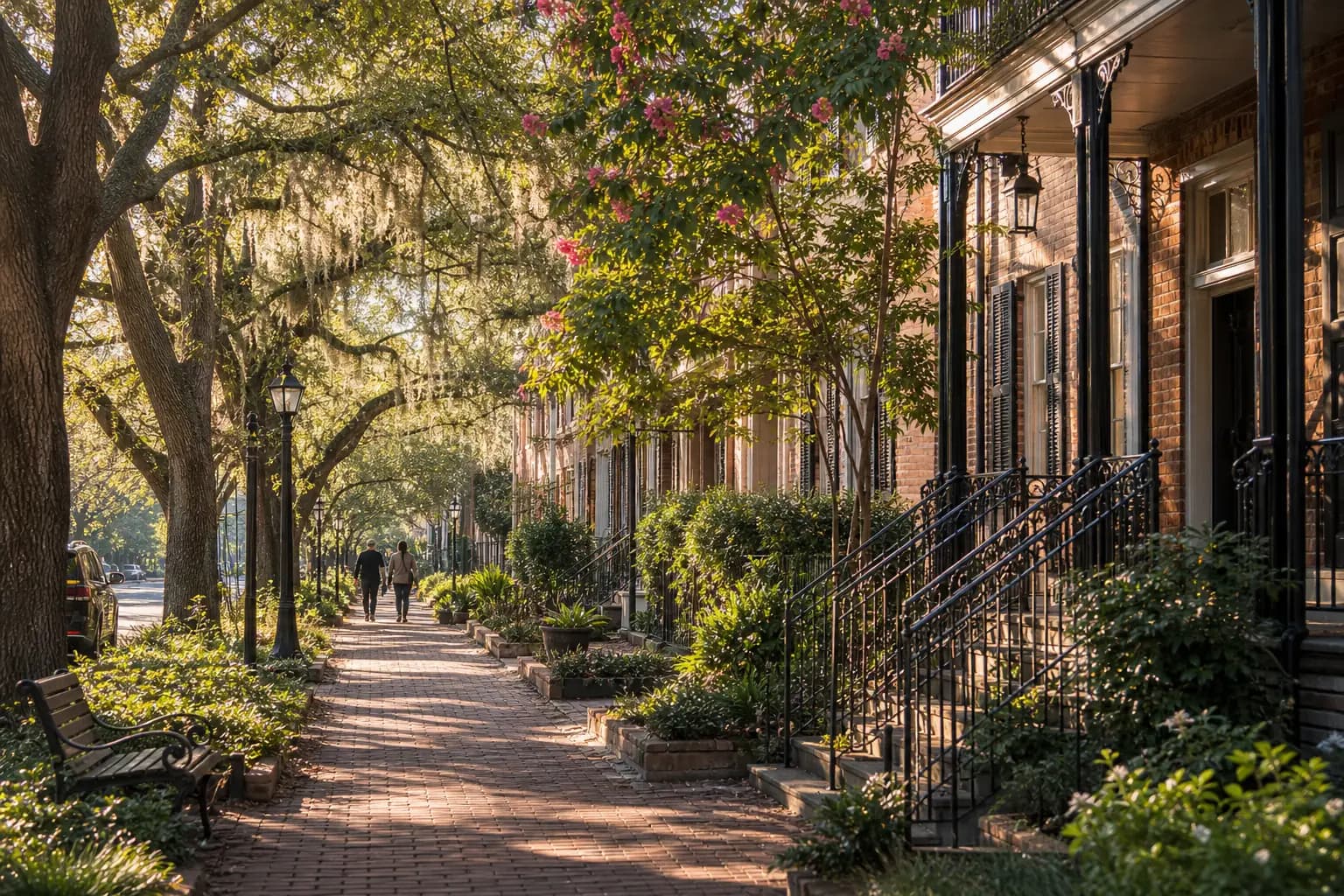
Savannah rewards slow sightseeing: its planned squares, riverfront, public parks and museums make the city feel like a sequence of outdoor rooms. The classic things to do in Savannah start in the Historic Landmark District, continue through Forsyth Park and River Street, and stretch to Bonaventure Cemetery, Pin Point Heritage Museum, Fort Pulaski and Wormsloe State Historic Site. The appeal is concrete: 22 surviving squares, a former port waterfront, fort walls, and museums tied to the city's art and history.
Key facts
- Savannah's city plan still includes 22 squares, each approximately one acre in size.
- Savannah's waterfront is where the colony of Georgia began and the location of the original Port of Savannah.
- Fort Pulaski was built to protect the port of Savannah, while Wormsloe preserves tabby ruins tied to the colonial estate of Noble Jones.
Own a house in Savannah you are thinking of selling? See how our cash offer works.
Historic District Squares And Walkable Neighborhoods
Start with Savannah's Historic Landmark District, the part of the city most closely associated with its square pattern. The plan still has 22 squares, each approximately one acre in size, and it received National Historic Landmark District designation in 1966. Because the squares repeat through the older city plan, a walk here feels connected even when you are simply moving from one square to the next.
River Street, Factor's Walk And The Waterfront
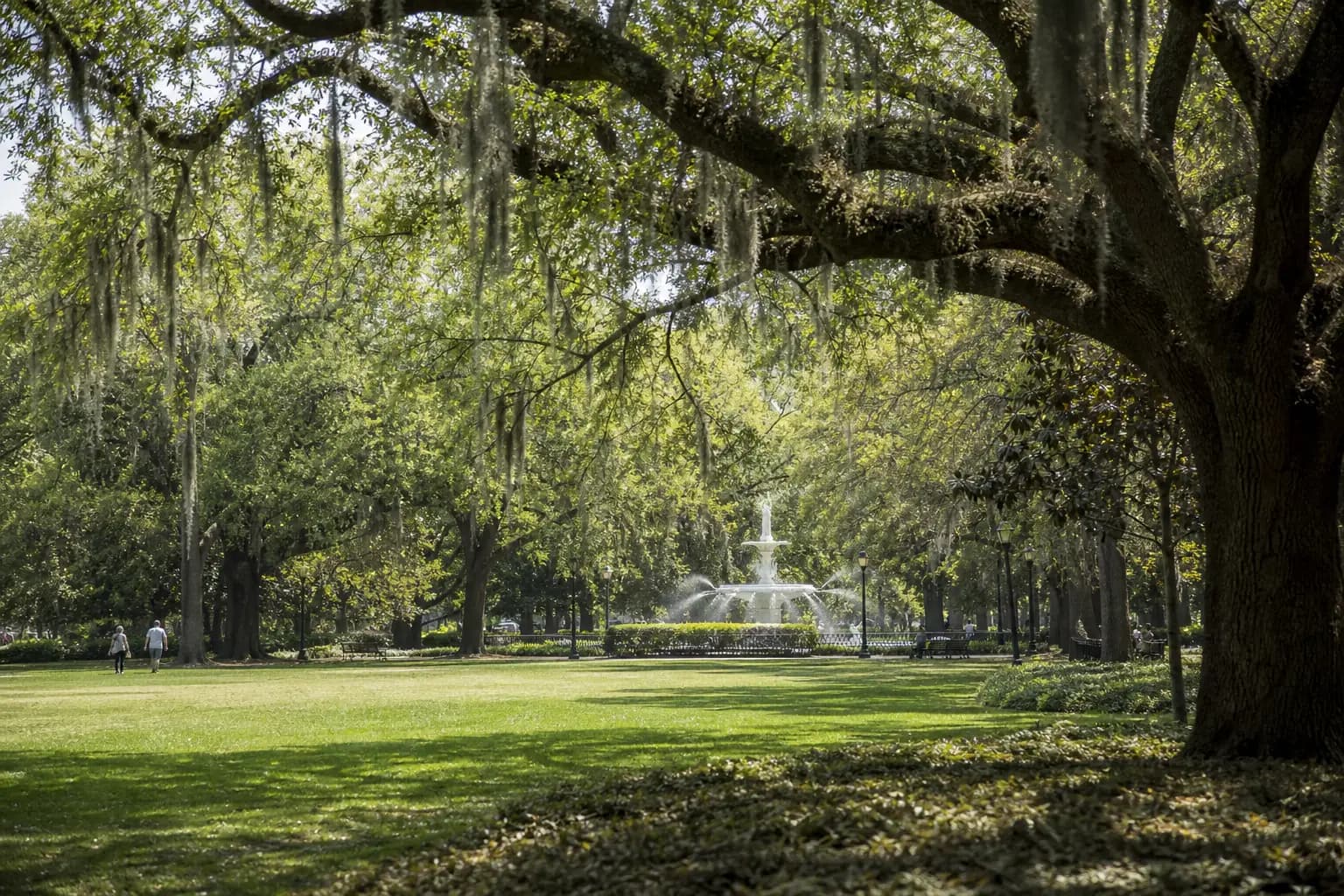
On Savannah's waterfront, history sits at bluff and river level. The waterfront is where the colony of Georgia began and the location of the original Port of Savannah. River Street is the visitor's most direct way to follow that older port story while staying close to the riverfront setting.
Former cotton warehouses give the waterfront its commercial history. Factor's Walk is a passageway between the bluff and warehouses, tying the upper city to the working river edge. The paving story is practical and global: waterfront materials include discarded ballast stones from trade ships.
Museums, Art And Revolutionary War History
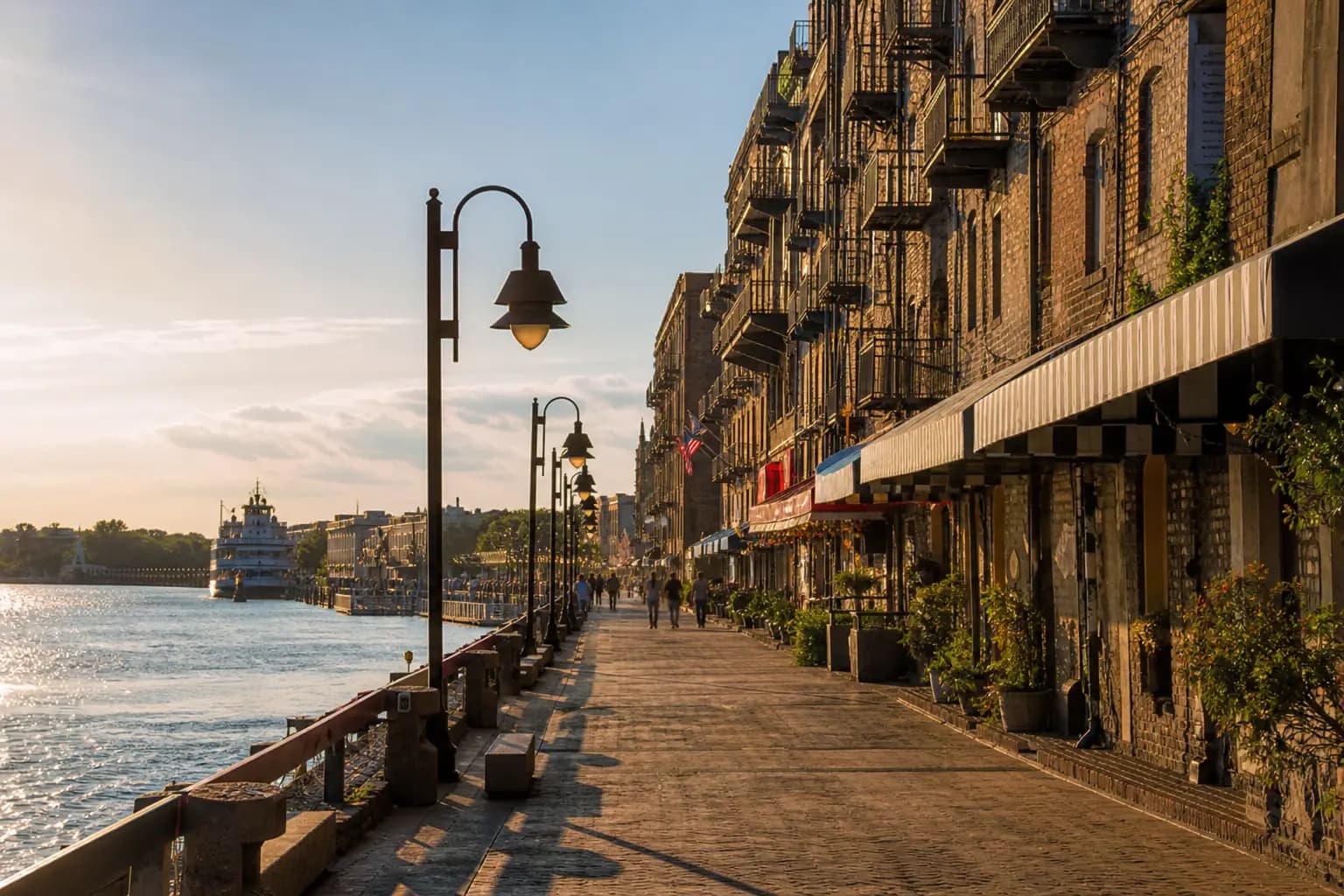
Telfair Museums gives art and architecture a central role in a Savannah sightseeing day. It works well for visitors who want museum time between outdoor stops in the Historic District and along the riverfront. Savannah History Museum adds a city history focus, making the two museum stops a useful pairing for understanding Savannah beyond its squares and waterfront.
Fort Pulaski And Wormsloe State Historic Site
Fort Pulaski is a strong addition for visitors interested in military history near Savannah. It was built to protect the port of Savannah and saw its heaviest use during the Civil War. Much of the original fort remains, and the site offers an interpretive program for the stories connected to the fort.
Wormsloe State Historic Site offers a different kind of Savannah area outing. Visitors encounter a live oak lined avenue sheltered by live oaks and Spanish moss, then continue into the tabby ruins of Wormsloe. The site interprets the colonial estate of Noble Jones and includes a museum with artifacts unearthed at Wormsloe.
Frequently asked questions
What should I do first in Savannah?
Start with the Historic Landmark District and its squares. The city plan still includes 22 squares, each approximately one acre in size, so walking from square to square is the clearest introduction to Savannah's layout.
What is on Savannah's waterfront?
Savannah's waterfront is where the colony of Georgia began and the location of the original Port of Savannah. Visitors encounter the port story through River Street, former cotton warehouses, Factor's Walk and ballast stones from trade ships.
Which museums help explain Savannah history?
Telfair Museums gives art and architecture a central role in a Savannah sightseeing day, while Savannah History Museum adds a city history focus. Pairing them gives visitors a museum based way to understand Savannah beyond its squares and waterfront.
Are Fort Pulaski and Wormsloe worth adding to a Savannah visit?
Fort Pulaski adds Civil War and port defense history, with much of the original fort remaining. Wormsloe State Historic Site adds colonial Georgia history through a live oak lined avenue, tabby ruins and artifacts unearthed at Wormsloe.
Sources
Checked against each source on November 20, 2026. Opening hours, prices and event dates change, so check with the venue before you go. The illustrations are AI generated and do not show real places.
- Savannah City Plan (New Georgia Encyclopedia)
- About (Savannah's Waterfront)
- Explore Fort Pulaski (National Park Service)
- Wormsloe State Historic Site (Georgia State Parks & Historic Sites / Georgia Department of Natural Resources)
More guides in Georgia
History Savannah
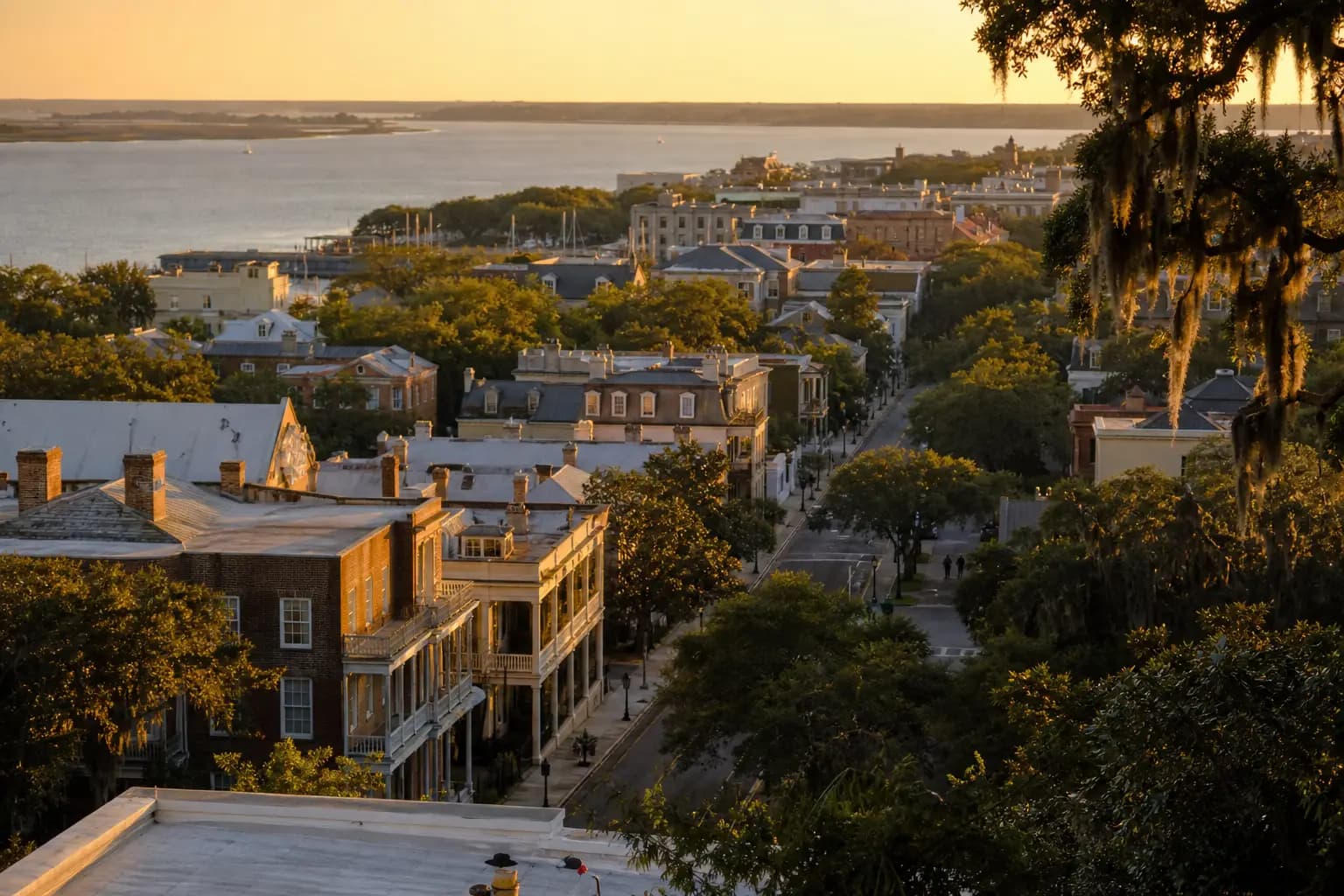
A Short History of Savannah, GeorgiaTrace Savannah history from its 1733 founding and city plan to cotton, preservation, civil rights and places to see today.
Outdoors Georgia
Georgia State Parks Worth KnowingExplore Georgia state parks for waterfalls, canyons, swamp nights, coastal marsh walks, long trail days and seasonal outdoor ideas.
Sightseeing Alpharetta
Things To Do In AlpharettaPlan things to do in Alpharetta, from downtown and local history to Avalon, parks, veterans memorials and nearby river outings.
Sightseeing Athens
Things to Do in Athens GAPlan a visit to Athens with UGA landmarks, historic districts, art stops, the Morton Theatre, gardens and Oconee River trails.
Sightseeing Columbus
Things To Do In Columbus GAPlan Columbus sightseeing with the Chattahoochee RiverWalk, Broadway historic districts, museums, Black heritage landmarks, gardens and trails.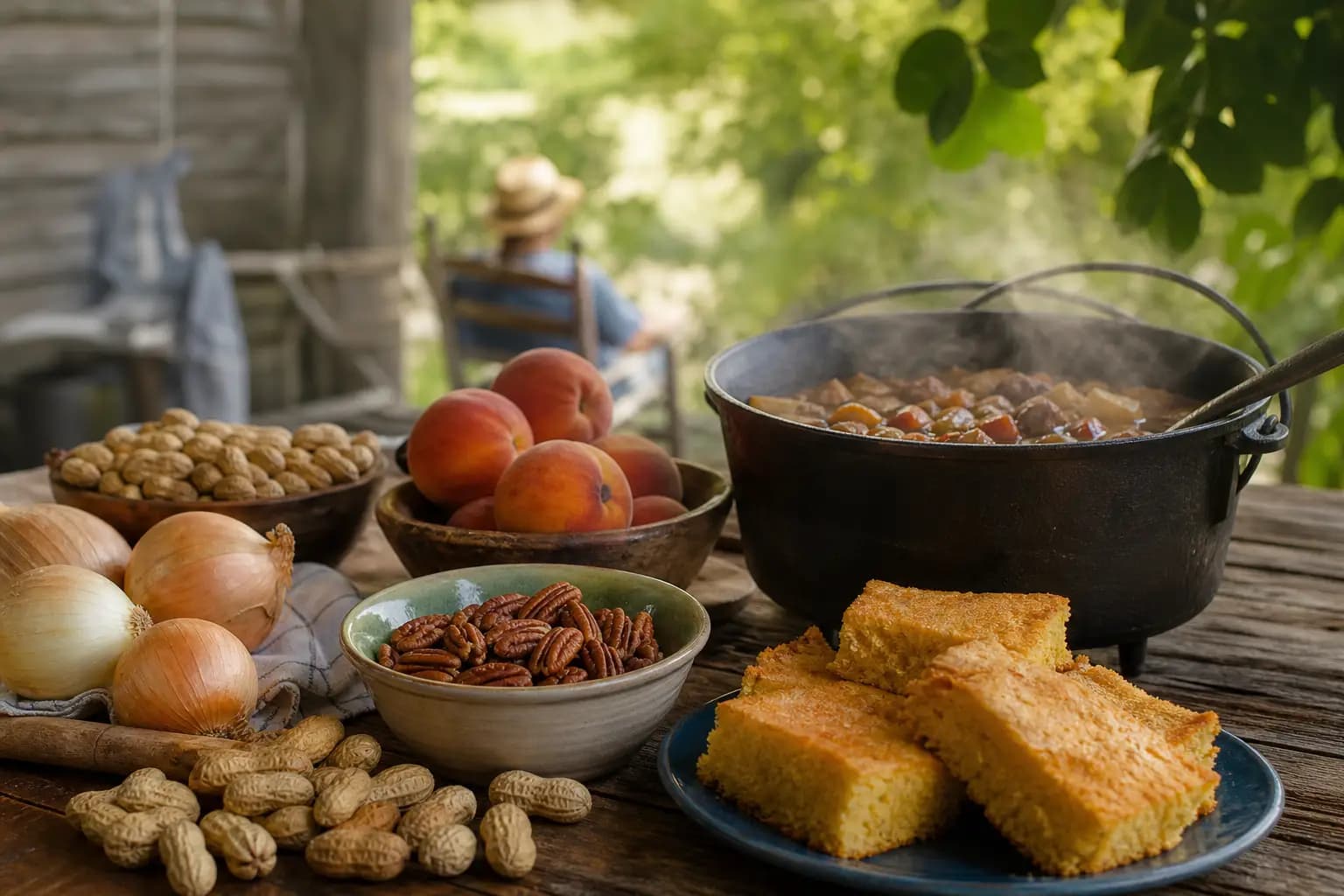
Food Georgia
What Food Is Georgia Known For?Explore Georgia foods from peaches, peanuts and Vidalia onions to Brunswick stew, coastal shrimp, farmers markets and peach festivals.