
Things to Do in Lafayette, Indiana
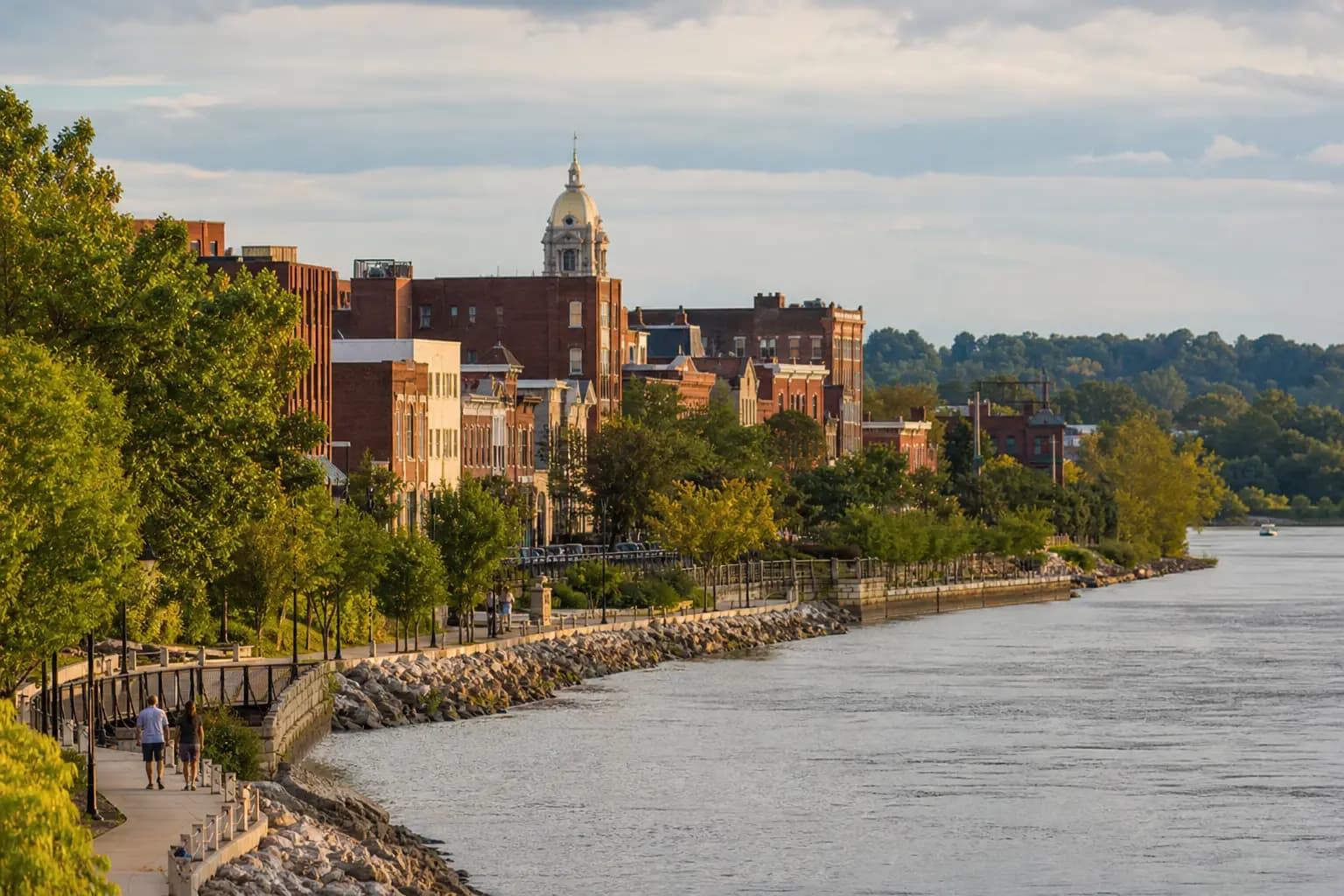
Things to do in Lafayette, Indiana, center on the Wabash River, a historic downtown, and parks and museums that reach into nearby West Lafayette and Battle Ground. Founded in 1825, Lafayette grew with the Wabash and Erie Canal and then the railroad. Spend time around the courthouse and riverfront, walk the historic districts, visit Columbian Park and the Haan Museum, then explore nearby battlefield, prairie and river sites.
Key facts
- Lafayette was founded in 1825 on the Wabash River in the Wabash Valley.
- The Tippecanoe County Courthouse, designed by James F. Alexander, was completed in 1884.
- Lafayette has five historic districts with self guided walking tours of the courthouse, residential neighborhoods, houses of worship and downtown.
- The Wabash Heritage Trail is 13 miles long.
- Prophetstown State Park is near Battle Ground where the Tippecanoe River meets the Wabash.
Own a house in Lafayette you are thinking of selling? See how our cash offer works.
Downtown, the Riverfront and the Courthouse
Downtown is a natural starting point for Lafayette, with the Wabash River and the courthouse shaping the feel of the city center. Founded in 1825, Lafayette grew with the Wabash and Erie Canal and then the railroad, so the center of town still carries much of the city's early story. The courthouse gives downtown its most recognizable civic anchor. Completed in 1884 and designed by Lafayette architect James F. Alexander, it is described by the Advisory Council on Historic Preservation as architecturally the most important building in Lafayette. A walk here pairs civic architecture with the historic downtown streets included in Lafayette's self guided tours.
Historic Districts, Art Museums and Performance Spaces
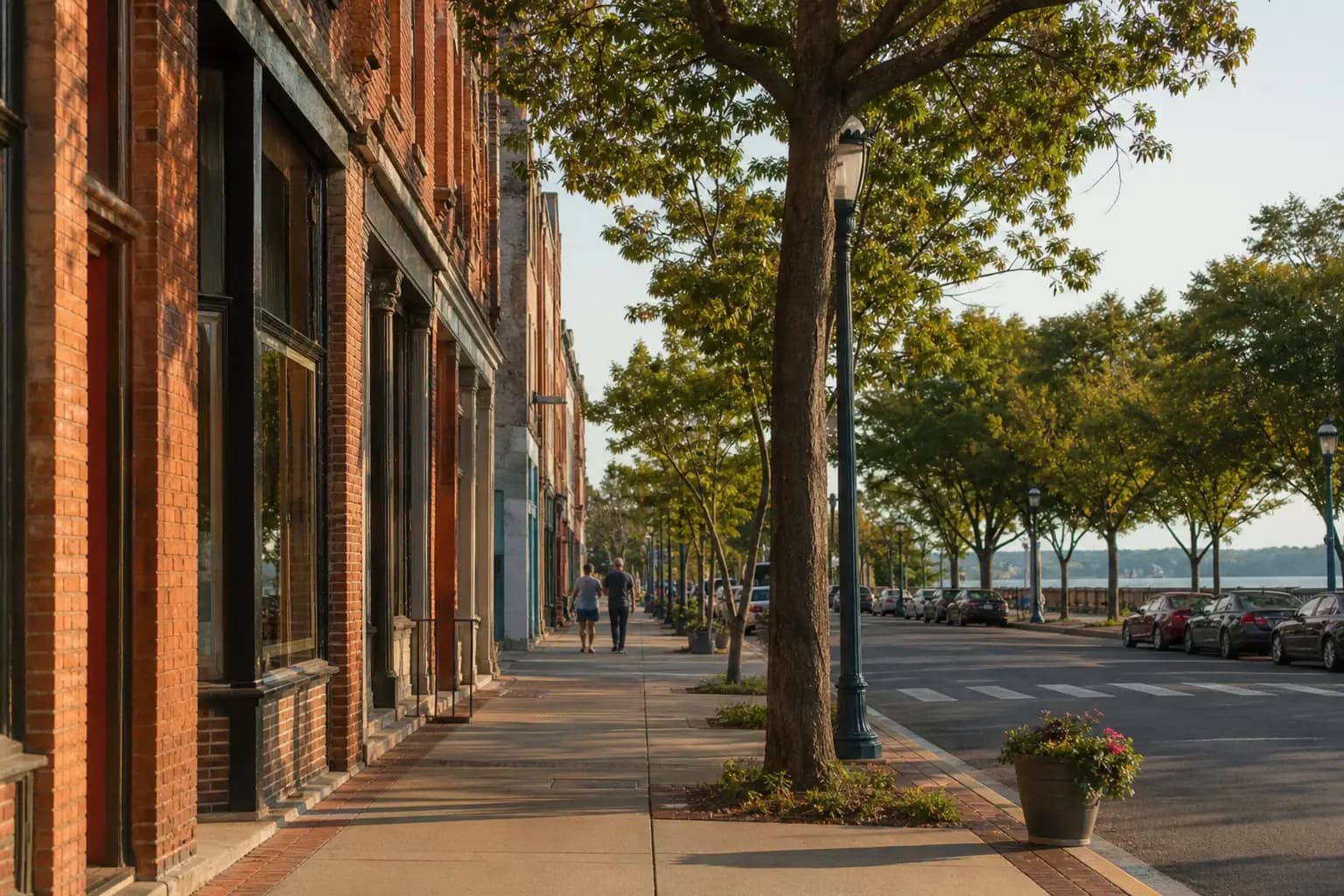
Lafayette rewards slow walking through its older districts. The city has five historic districts, and visitors can take self guided walking tours of the courthouse, residential neighborhoods, houses of worship and the historic downtown. Those routes make the city feel less like a checklist and more like a set of connected streets, public buildings and neighborhood landmarks.
Several cultural stops add interiors and stories to a neighborhood walk. The 1937 Art Deco Lafayette Theater was restored in 2006 and is used for a film series, concerts and community events. The Haan Museum of Indiana Art and the Greater Lafayette Museum of Art add museum stops to a day built around architecture, local history and the arts.
Columbian Park and the Zoo
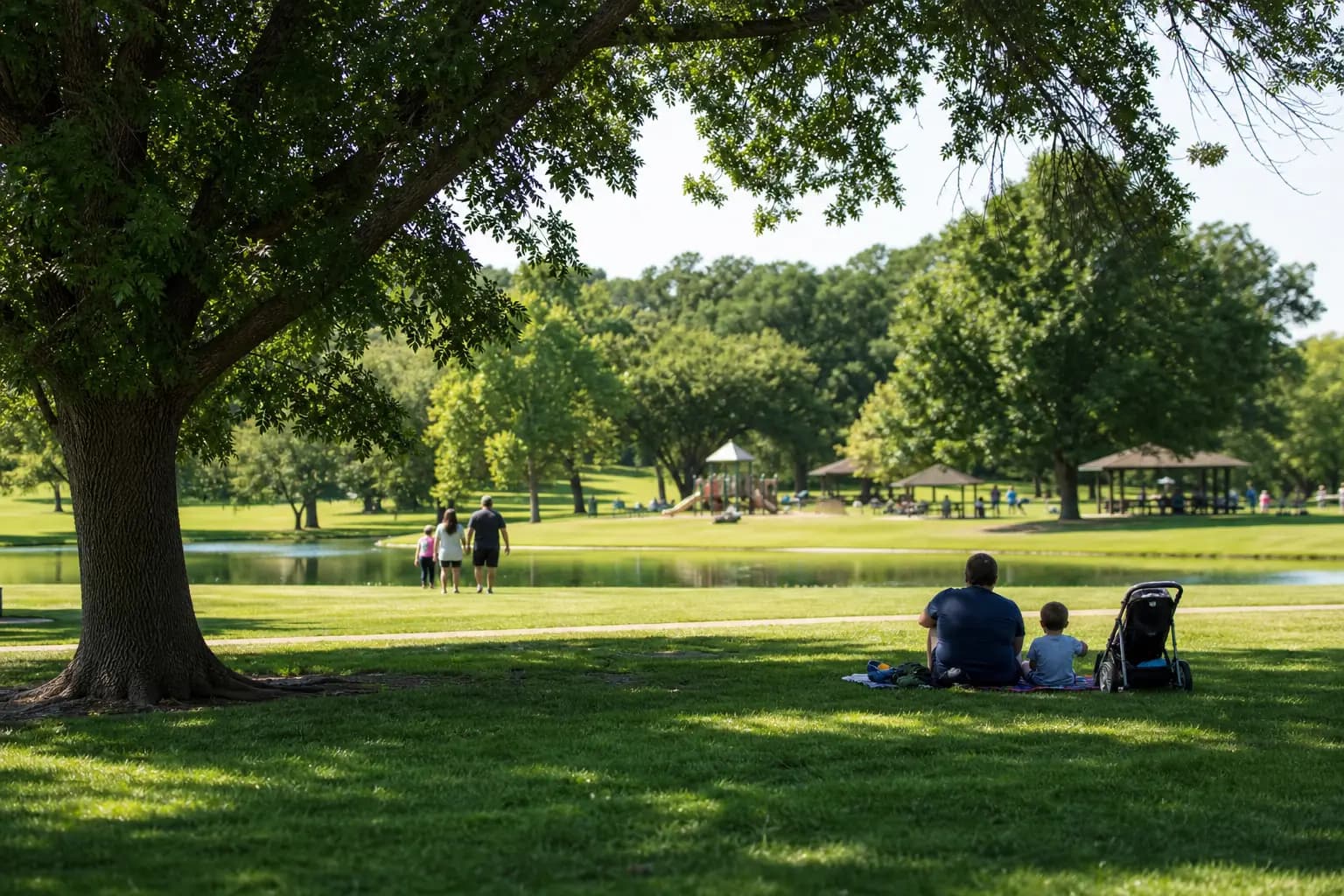
Columbian Park is one of Lafayette's established civic park stops. A visit can include Columbian Park Zoo, with time in the surrounding park before or after. The park works well for a slower outing because it combines open public space with an animal attraction. It also gives visitors an easy Lafayette stop outside the courthouse and downtown walking route.
Wabash Heritage Trail and Celery Bog Nature Area
The Wabash Heritage Trail turns the river corridor into a longer outing than a downtown stroll. The trail is 13 miles long, which makes it useful for visitors who want to choose a shorter segment or plan a larger walk. It keeps the Wabash River in the foreground of a Lafayette visit without making the day feel centered only on streets and buildings.
Celery Bog Nature Area in West Lafayette adds another outdoor stop to a Lafayette area itinerary. It gives the West Lafayette side of the river its own nature focused place alongside Purdue, downtown and the historic sites nearby. Together, the trail and Celery Bog balance the city's courthouse, museums and historic districts with time outside.
Tippecanoe Battlefield and Prophetstown
Tippecanoe Battlefield Park marks the Battle of Tippecanoe, where Gen. William Henry Harrison led troops into battle against representatives of Tecumseh's Native American Confederation. A trip in the same area can pair it with Prophetstown State Park, located where the Tippecanoe River meets the Wabash near Battle Ground northeast of Lafayette. At Prophetstown, visitors can learn about 1920s farm lifestyles, Native American culture and walk through 900 acres of restored prairie.
Prophetstown's name comes from a Native American village between the rivers. The village was established by Tecumseh, who was Shawnee, and his brother Tenskwatawa, known as The Prophet, in 1808. Together, the battlefield and state park show how river geography, Native history and early 19th century conflict shaped this part of Indiana.
Frequently asked questions
What is the main area to explore first in Lafayette, Indiana?
Start around downtown and the riverfront. The courthouse, historic downtown streets and the Wabash River give visitors a clear introduction to Lafayette's history and city center.
Can visitors take historic walking tours in Lafayette?
Yes. Lafayette has five historic districts, and visitors can take self guided walking tours of the courthouse, residential neighborhoods, houses of worship and the historic downtown.
Where can I walk near the Wabash River?
The Wabash Heritage Trail is the main longer walk tied to the Wabash River. It is 13 miles long, so visitors can choose a segment or plan a larger outing.
What parks are good for nature in and near Lafayette?
Outdoor choices include the Wabash Heritage Trail, Celery Bog Nature Area, Columbian Park and Prophetstown State Park. Prophetstown includes 900 acres of restored prairie near the meeting of the Tippecanoe and Wabash rivers.
What historic sites are near Lafayette?
Tippecanoe Battlefield Park marks the Battle of Tippecanoe, and Prophetstown State Park is named for a Native American village established in 1808. Downtown Lafayette also has historic districts and the 1884 Tippecanoe County Courthouse.
Sources
Checked against each source on November 20, 2026. Opening hours, prices and event dates change, so check with the venue before you go. The illustrations are AI generated and do not show real places.
- Lafayette, Indiana (Advisory Council on Historic Preservation)
- State Parks: Prophetstown State Park (Indiana Department of Natural Resources)
More guides in Indiana
History Indianapolis
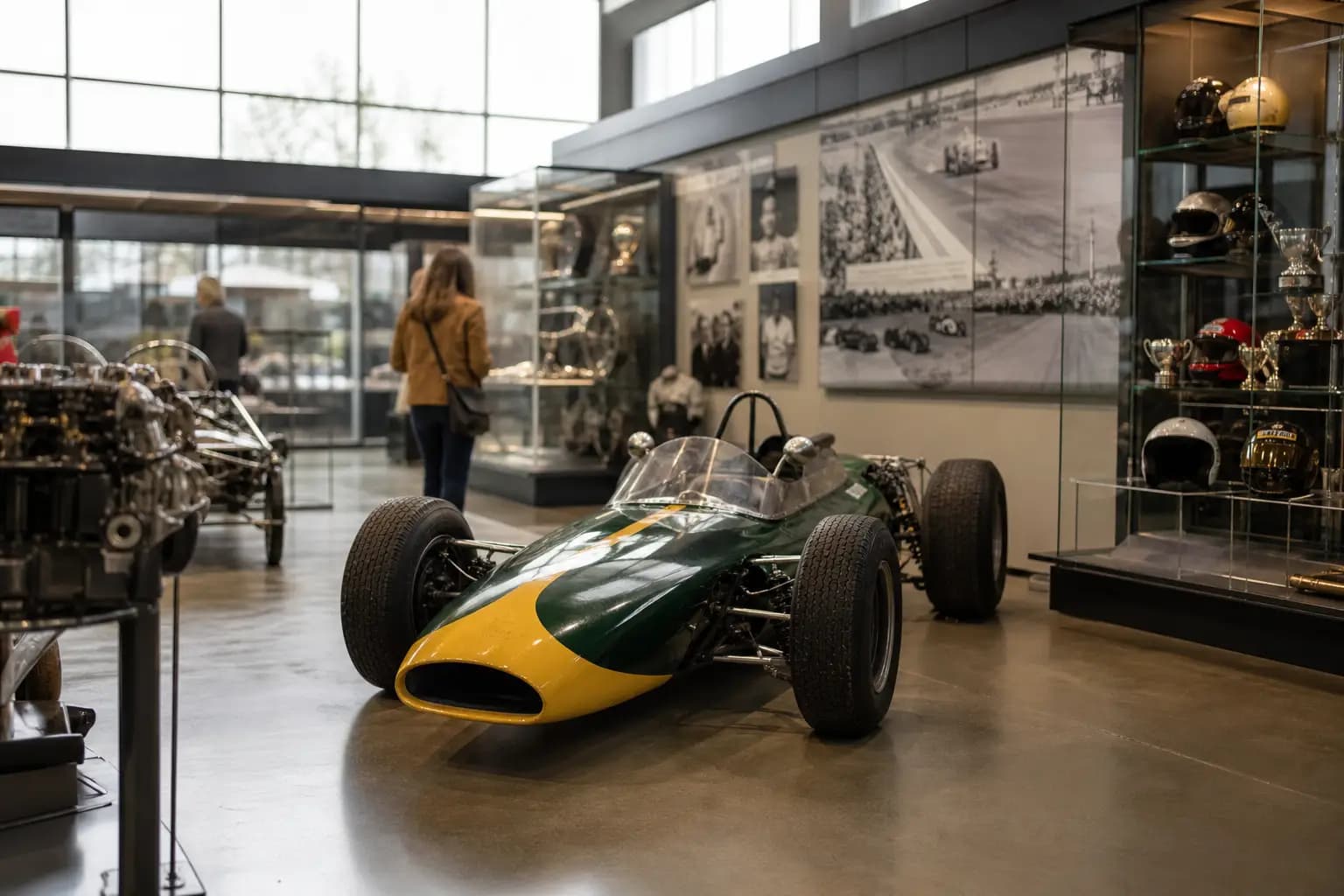
What Is The Indianapolis Motor Speedway Museum?Learn the Indianapolis Motor Speedway Museum story, from the 1909 track and first 500 to the Hall of Fame, wartime industry and exhibits.
Events Indiana
What Is the Parke County Covered Bridge Festival?A visitor guide to the Parke County Covered Bridge Festival: dates, locations, bridges, food traditions, bus tours and practical tips.
Food Indiana
What Is Sugar Cream Pie In Indiana?Learn what sugar cream pie is, why Indiana calls it Hoosier Pie, how its pantry recipe developed, and where visitors can try it.
Sightseeing Bloomington
Things to Do in Bloomington, IndianaSee Bloomington's 1908 Monroe County Courthouse, Indiana University, Griffy Lake Nature Preserve, and a Buddhist center on 108 acres.
Food Indiana
What food is Indiana known for?Learn the Indiana food traditions visitors ask about, from breaded pork tenderloin and sugar cream pie to popcorn and persimmons.
Food Indiana
What Is the Indiana Pork Tenderloin Sandwich?Learn what makes Indiana's pork tenderloin sandwich famous, from Nick's Kitchen origins to toppings, food trails and tenderloin festivals.