
What Is Indianapolis Known For in Sightseeing?
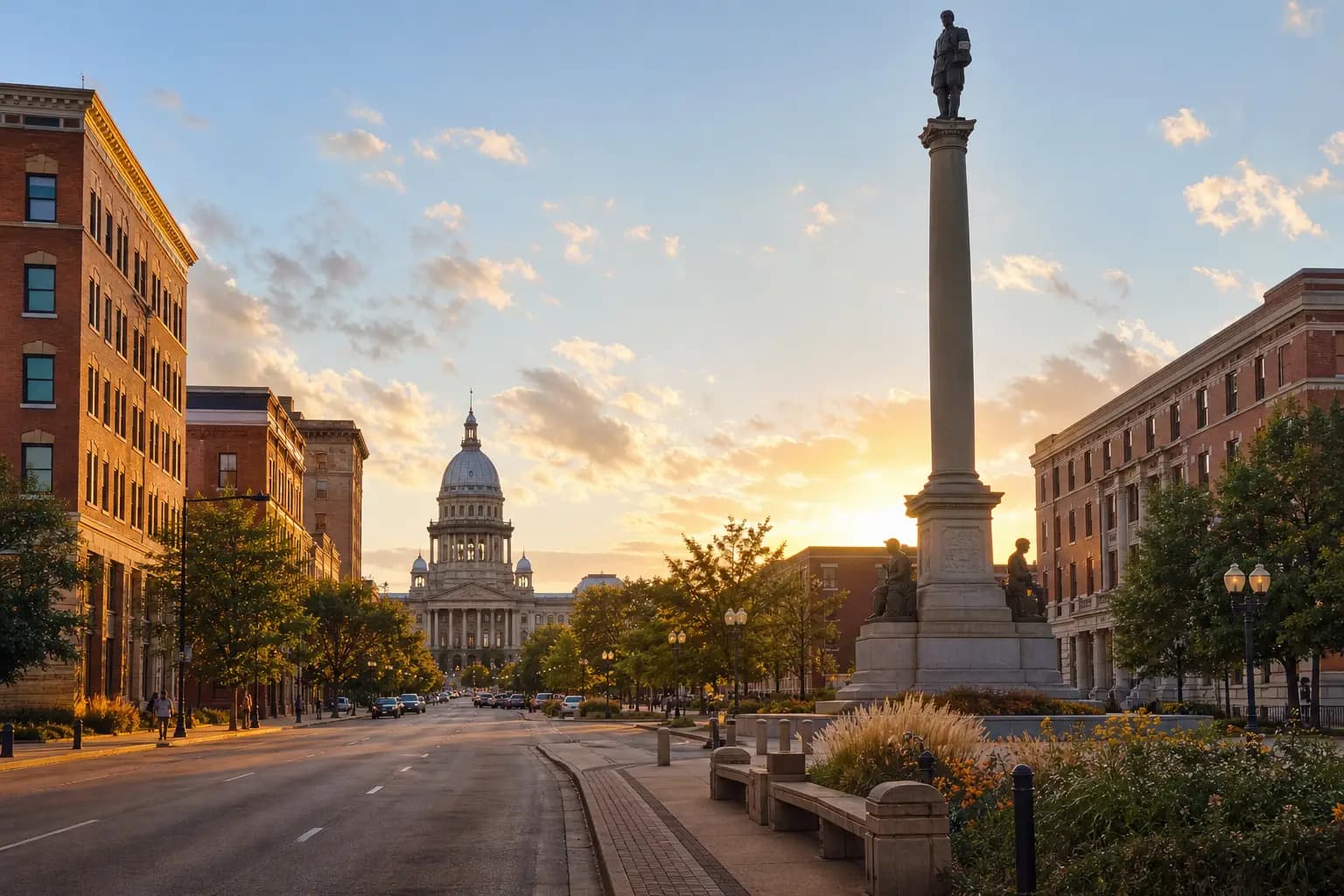
Indianapolis is known for a compact mix of civic landmarks, racing culture, museum campuses, canalside walks and historic neighborhoods. Its story as Indiana's capital begins in 1821, and it still reads clearly around the Statehouse and the Soldiers and Sailors Monument. Visitors also come for the Indianapolis Motor Speedway Museum, White River State Park, the Canal Walk, the Indianapolis Cultural Trail, The Children's Museum of Indianapolis, Newfields and Lockerbie Square.
Key facts
- Indianapolis was founded in January 1821.
- The Soldiers and Sailors Monument stands 284 feet, 6 inches high.
- White River State Park has seven attractions, miles of trails and acres of open greenspace.
- Lockerbie Square was originally platted in 1847 and 1850.
Own a house in Indianapolis you are thinking of selling? See how our cash offer works.
Monuments and the capital city core
Indianapolis' downtown identity includes the Soldiers and Sailors Monument. The monument stands 284 feet, 6 inches high, only 15 feet shorter than the Statue of Liberty, so it gives the city a major memorial at the heart of its civic story. It cost $598,318 in 1902, a useful reminder that this was a major public project at the turn of the 20th century.
The monument has an observatory that is not open air. Nearby, the Indiana Statehouse adds the capital story: Indianapolis was founded after a site was selected in January 1821. The Statehouse in use today replaced an earlier building in 1888, making this part of the city a compact lesson in government, memory and urban form.
Indianapolis Motor Speedway and racing culture
Indianapolis is closely tied to racing through the Indianapolis Motor Speedway and the Indianapolis Motor Speedway Museum. The museum carries that identity for visitors who are not in town for a race. As a sightseeing stop, it gives the city's sports story a clear place alongside the Statehouse, White River State Park and the city's museum campuses. It also shows why racing is part of the city's public image, not only its event calendar.
White River State Park and the Canal Walk
White River State Park gives Indianapolis a broad outdoor sightseeing area with trails, lawns and major attractions in one place. The park calls itself "Indy's Backyard" and describes seven attractions, miles of trails and acres of open greenspace. That makes it easy to treat the park as a slow walking day rather than a single stop.
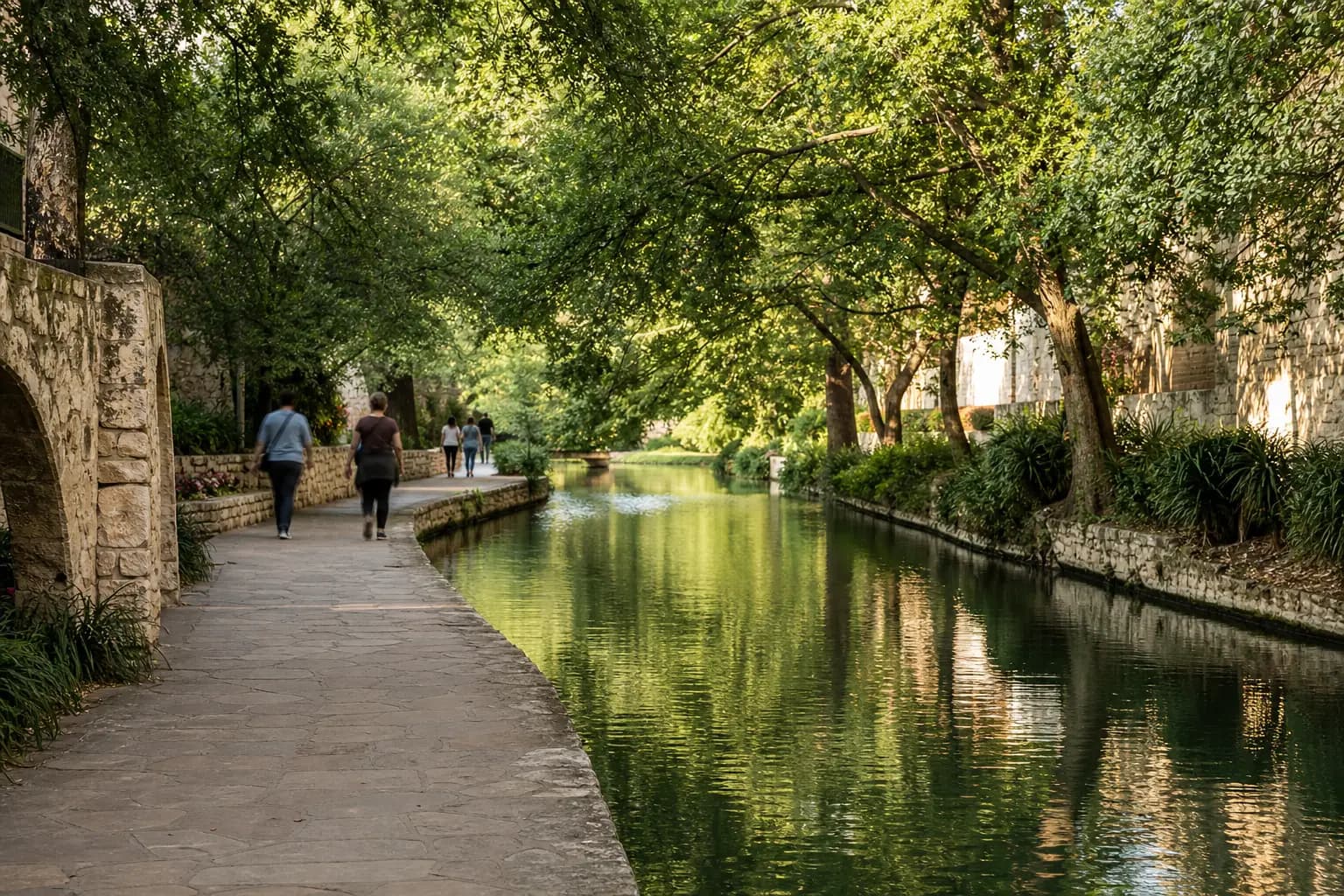
The Canal Walk adds a waterside route with an older infrastructure story. The canal was dug in the early 1800s in an effort to facilitate interstate commerce, and it later grew into a tourist destination. Paired with the park, the Canal Walk shows a softer side of Indianapolis sightseeing: open space, water, paths and time between museums or landmarks.
The Cultural Trail, neighborhoods and historic streets
The Indianapolis Cultural Trail gives downtown sightseeing a named route rather than a loose set of stops. It helps connect the way visitors think about landmarks, public spaces and nearby districts in the center of the city. That makes it part of the city's larger sightseeing pattern, alongside canalside walks, historic streets and cultural destinations.
Visit Indy's neighborhood guide points visitors toward Mass Ave, Indiana Avenue, the Wholesale District, Broad Ripple, Fountain Fletcher and Irvington, along with historic areas. In performance oriented blocks, bright lights and marquees are part of the scene, while other areas reward a slower look at storefronts and street life. The broader Indiana context is useful too, especially if you are comparing Indianapolis with other places in Indiana sightseeing.
Lockerbie Square gives neighborhood walking a more historic frame. The district was originally platted in 1847 and 1850, and the Indiana Historical Bureau notes that it was home to business leaders, skilled laborers and craftsmen. That mix connects the area to everyday 19th century city building, not only to ceremonial landmarks.
Major museums, gardens and family sightseeing
Indianapolis is also known for museum campuses that take time to explore. The Children's Museum of Indianapolis offers five floors of indoor exhibits and 7.5 acres of outdoor sports experiences. Its family learning focus includes chances to connect with real paleontologists, scientists, historians, artists and archaeologists.
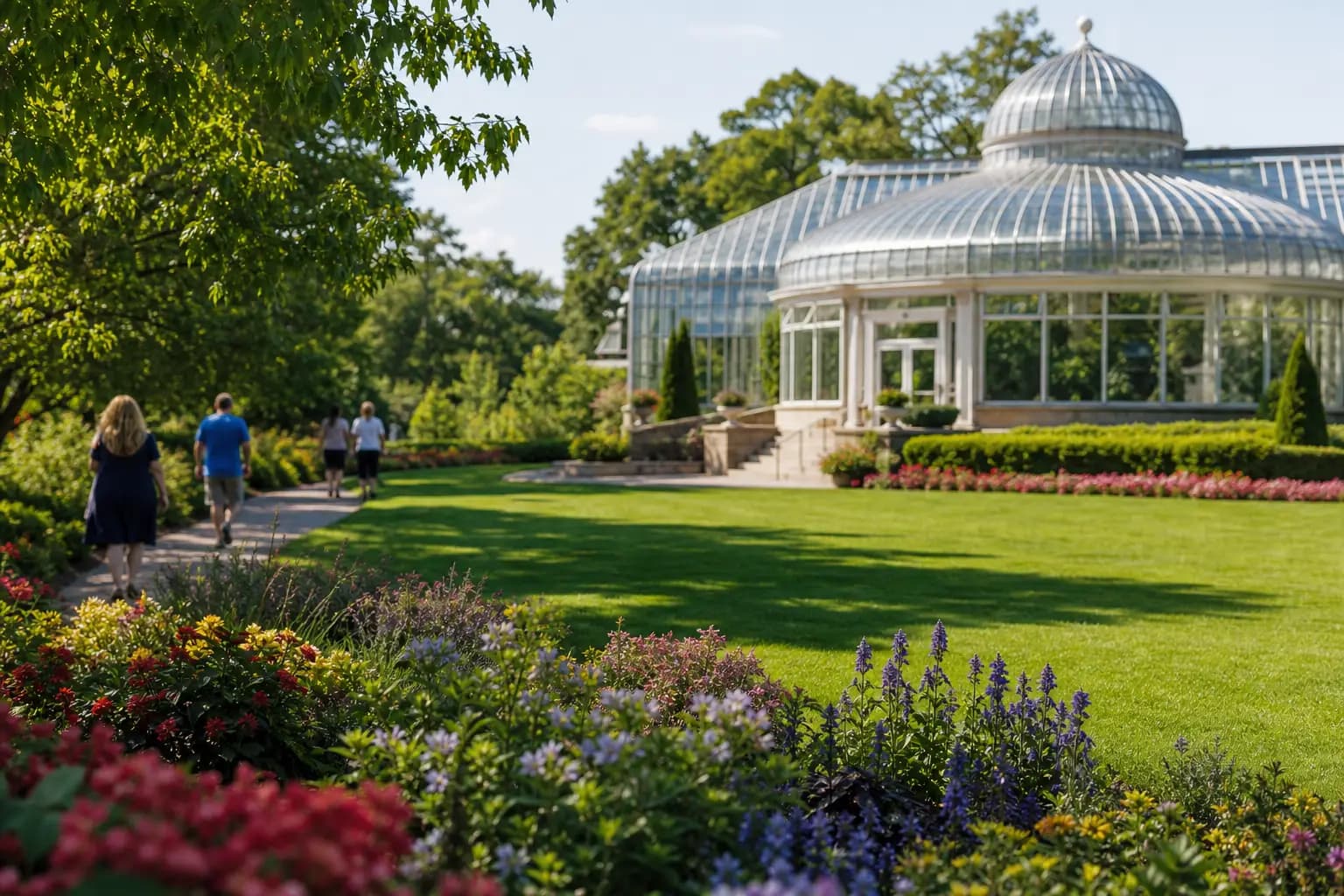
Newfields gives the city a different kind of museum day. It is a 152 acre cultural destination that includes The Indianapolis Museum of Art and The Garden. Newfields describes itself as a place where art and nature come together, which makes it useful for visitors who want galleries, garden paths and a larger cultural campus in the same outing.
Frequently asked questions
What is Indianapolis best known for?
Indianapolis is known for civic landmarks, racing culture, museums, parks, canals and historic neighborhoods. The Soldiers and Sailors Monument, the Indiana Statehouse, Indianapolis Motor Speedway, White River State Park, the Cultural Trail, The Children's Museum of Indianapolis, Newfields and Lockerbie Square are all part of that identity.
What landmark defines downtown Indianapolis?
The Soldiers and Sailors Monument is a central downtown landmark. It stands 284 feet, 6 inches high, and its observatory is not open air.
Is Indianapolis good for walking sightseeing?
Yes, especially around the Canal Walk and historic neighborhoods such as Lockerbie Square. The Canal Walk follows a canal dug in the early 1800s, and Lockerbie Square was originally platted in 1847 and 1850.
What museums is Indianapolis known for?
The Children's Museum of Indianapolis and Newfields are two major names for visitors. The Children's Museum has five floors of indoor exhibits and 7.5 acres of outdoor sports experiences, while Newfields is a 152 acre cultural destination that includes The Indianapolis Museum of Art and The Garden.
What historic neighborhood should visitors know in Indianapolis?
Lockerbie Square is one of the key historic neighborhood walks. It was originally platted in 1847 and 1850, and it was home to business leaders, skilled laborers and craftsmen.
Sources
Checked against each source on November 19, 2026. Opening hours, prices and event dates change, so check with the venue before you go. The illustrations are AI generated and do not show real places.
- Soldiers & Sailors Monument (Indiana War Memorials / State of Indiana)
- The Statehouse Story (Indiana Department of Administration / State of Indiana)
- Home, IMS Museum (Indianapolis Motor Speedway Museum)
- Home, White River State Park (White River State Park)
- Canal Walk (White River State Park)
- Neighborhoods in Indianapolis (Visit Indy)
- About Us (The Children's Museum of Indianapolis)
- About Newfields (Newfields)
- Lockerbie Square (Indiana Historical Bureau / State of Indiana)
More guides in Indiana
Events Indianapolis
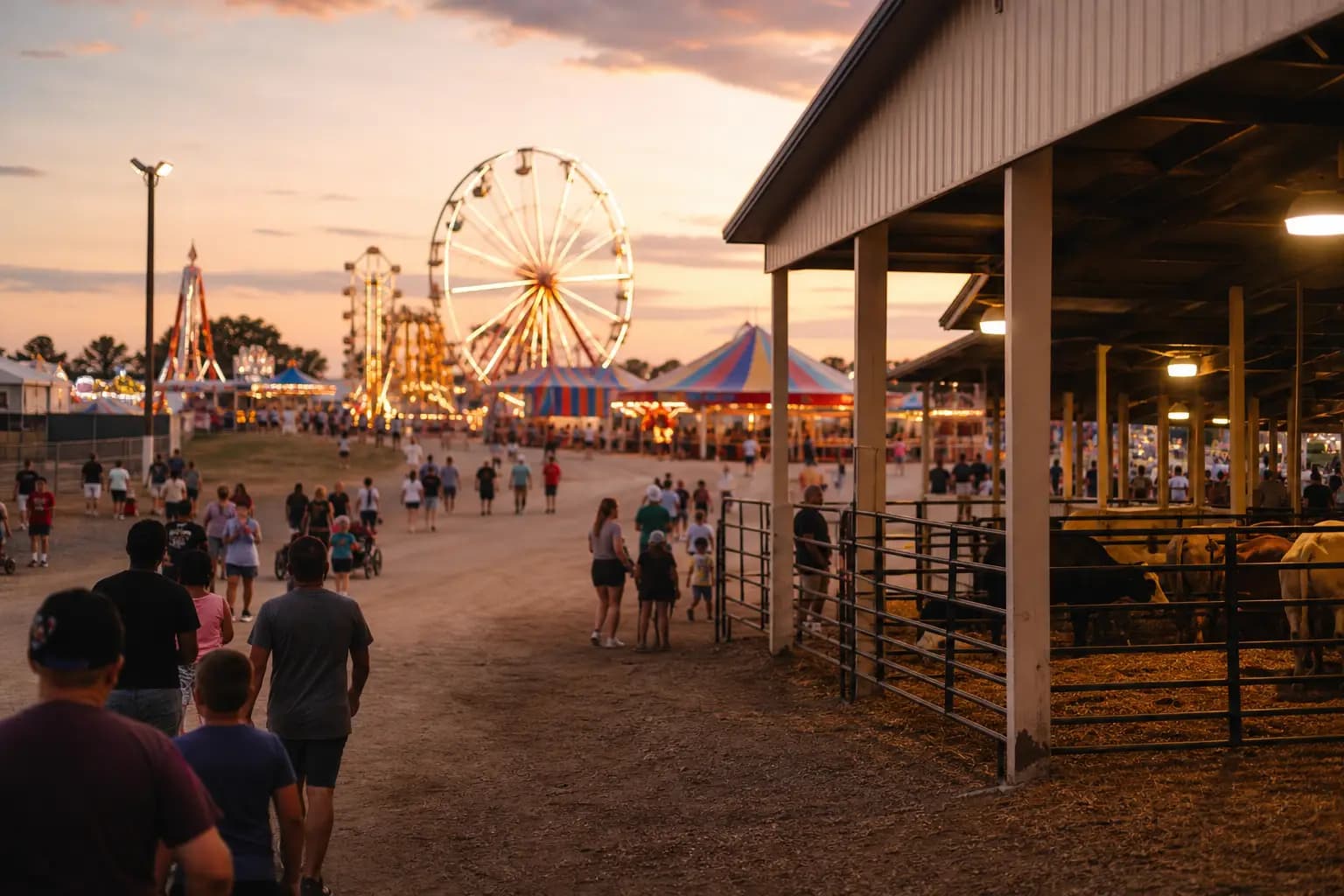
What to Expect at the Indiana State FairLearn the Indiana State Fair's history, fairgrounds background, agriculture, Indiana Grown products, rides and practical visitor tips.
Food Indiana
What food is Indiana known for?Learn the Indiana food traditions visitors ask about, from breaded pork tenderloin and sugar cream pie to popcorn and persimmons.
Sightseeing Indiana
What is Indiana known for?See what Indiana is known for, from Indiana Dunes and Indy racing to Columbus architecture, riverfronts, museums and historic towns.