
What Is Cleveland Known For?
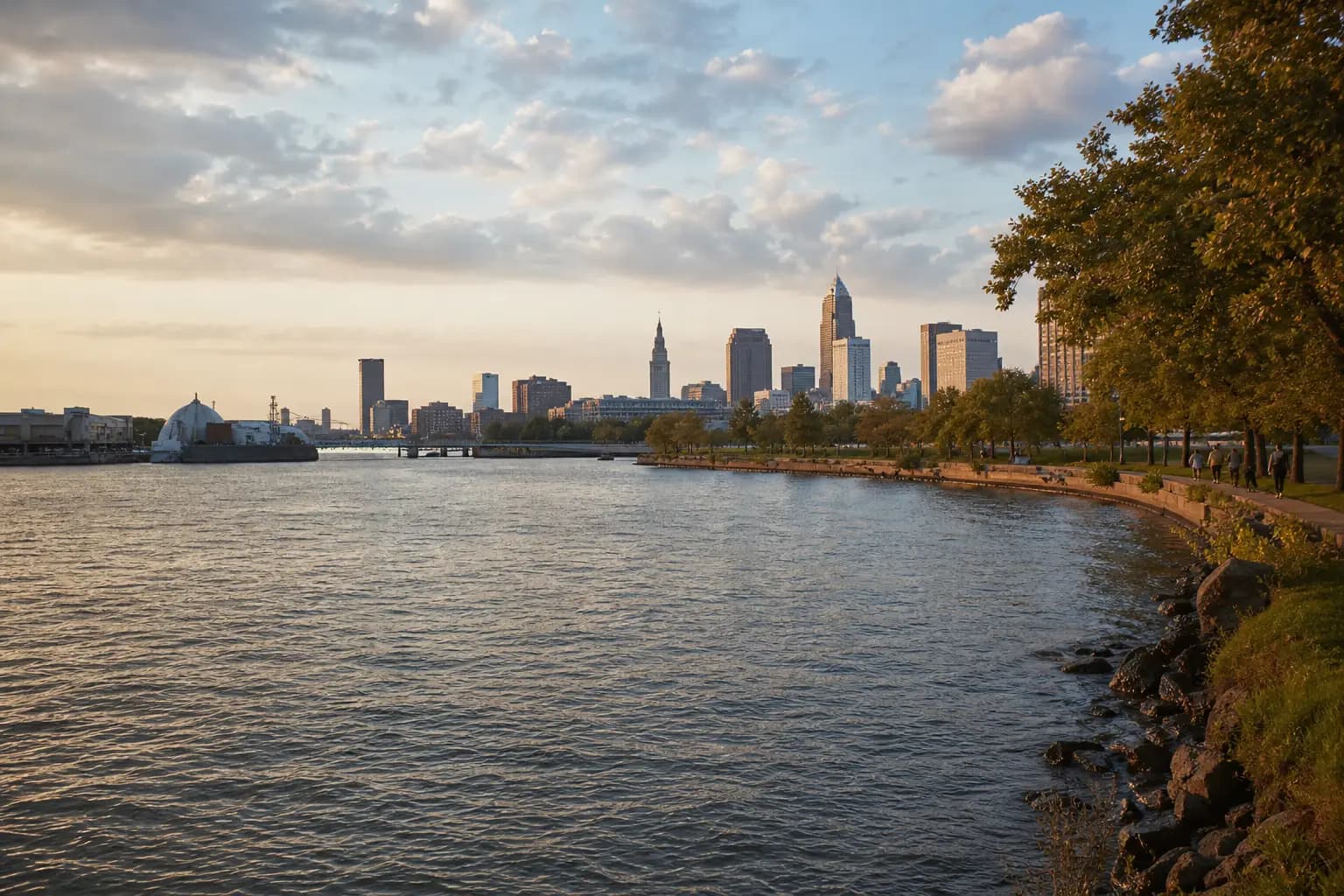
Cleveland is known for its Lake Erie setting, the Cuyahoga River, industrial history, downtown landmarks, major museums and walkable districts. Founded in 1796 and incorporated in 1836, the city grew through rail and water routes and resources such as iron and oil. A visit can connect Public Square, Playhouse Square, the Rock & Roll Hall of Fame, University Circle, Ohio City’s West Side Market, Edgewater Park and the Cleveland Cultural Gardens.
Key facts
- Cleveland was founded in 1796 after a Connecticut Land Company survey on the shores of Lake Erie.
- The city was named for General Moses Cleaveland and incorporated in 1836.
- Downtown covers about 3.2 square miles and centers on Public Square.
- University Circle is a 488 acre district with a dense concentration of cultural, educational, religious and social service institutions.
- West Side Market opened to shoppers on November 2, 1912, in the historic Ohio City neighborhood.
Own a house in Cleveland you are thinking of selling? See how our cash offer works.
Lake Erie, The Cuyahoga River And Industrial Roots
Cleveland’s identity starts with water. The City of Cleveland says the community was founded in 1796 after a Connecticut Land Company survey of 3.3 million acres on the shores of Lake Erie, in territory first called the Western Reserve. It was named after General Moses Cleaveland and incorporated as a city in 1836.
Its growth came from location. Rail and water routes, plus resources including iron and oil, made Cleveland a hub for industrial growth, commerce and trade in the nineteenth and twentieth centuries. The Flats show that story on the ground: the Cuyahoga River runs through a valley about one half mile wide, and its floodplain separates the high plateaus on which the city stands.
The Ohio & Erie Canal opened in 1827, increasing lake shipping and giving the Flats room for docks and warehouses. By the second half of the nineteenth century, the Flats held iron furnaces, rolling mills, foundries, lumberyards, shipyards, flour mills, oil refineries, paint factories and chemical factories. That mix helps explain why Cleveland is often understood from the river first.
Downtown Landmarks, Theaters And Public Square
Downtown is Cleveland’s central business district and principal employment center. It covers about 3.2 square miles, roughly bounded by Lake Erie, the Cuyahoga River and the Innerbelt Freeway, and it centers on Public Square as the city’s civic and transit hub. For a visitor, that puts many of Cleveland’s central landmarks close to one another.
Euclid and Prospect avenues once carried department stores and hundreds of smaller retail stores. The Arcade, opened in 1890, came out of that downtown retail era, while the Group Plan of 1903 created a grassed Mall lined by Beaux Arts public buildings. Terminal Tower later became the centerpiece of a larger redevelopment project.
Playhouse Square emerged in 1920 and 1921 as the city’s new theater district. East 4th Street was redeveloped into a pedestrianized entertainment district in the early 2000s. A downtown walk can connect civic space, arcades, theaters and old commercial streets without leaving the central city.
Rock And Roll, Art And University Circle
Cleveland is strongly associated with rock and roll through the I.M. Pei designed Rock & Roll Hall of Fame and Museum, which opened in 1995 and quickly became downtown’s iconic attraction. The museum’s main exhibit hall spans generations from rock’s earliest artists to newly emerging musicians. The Hall of Fame includes the Inductee Signature Gallery and the New Inductee exhibit, and visitors can also pick up an instrument and make music.
The city’s art side centers for many visitors on University Circle. The Cleveland Museum of Art is in the University Circle neighborhood and holds more than 63,000 artworks spanning 6,000 years of achievement in the arts. Founded in 1913 "for the benefit of all the people forever," it stands near Wade Park Lagoon, where the museum building was completed in 1916.
University Circle itself is a 488 acre district with one of the world’s dense concentrations of cultural, educational, religious and social service institutions. Severance Hall, home of the Cleveland Orchestra, was constructed at Euclid Avenue and East Boulevard in 1931. Together, the circle’s museums, park spaces and performance halls make this one of Cleveland’s most concentrated sightseeing districts.
Ohio City, West Side Market And Little Italy
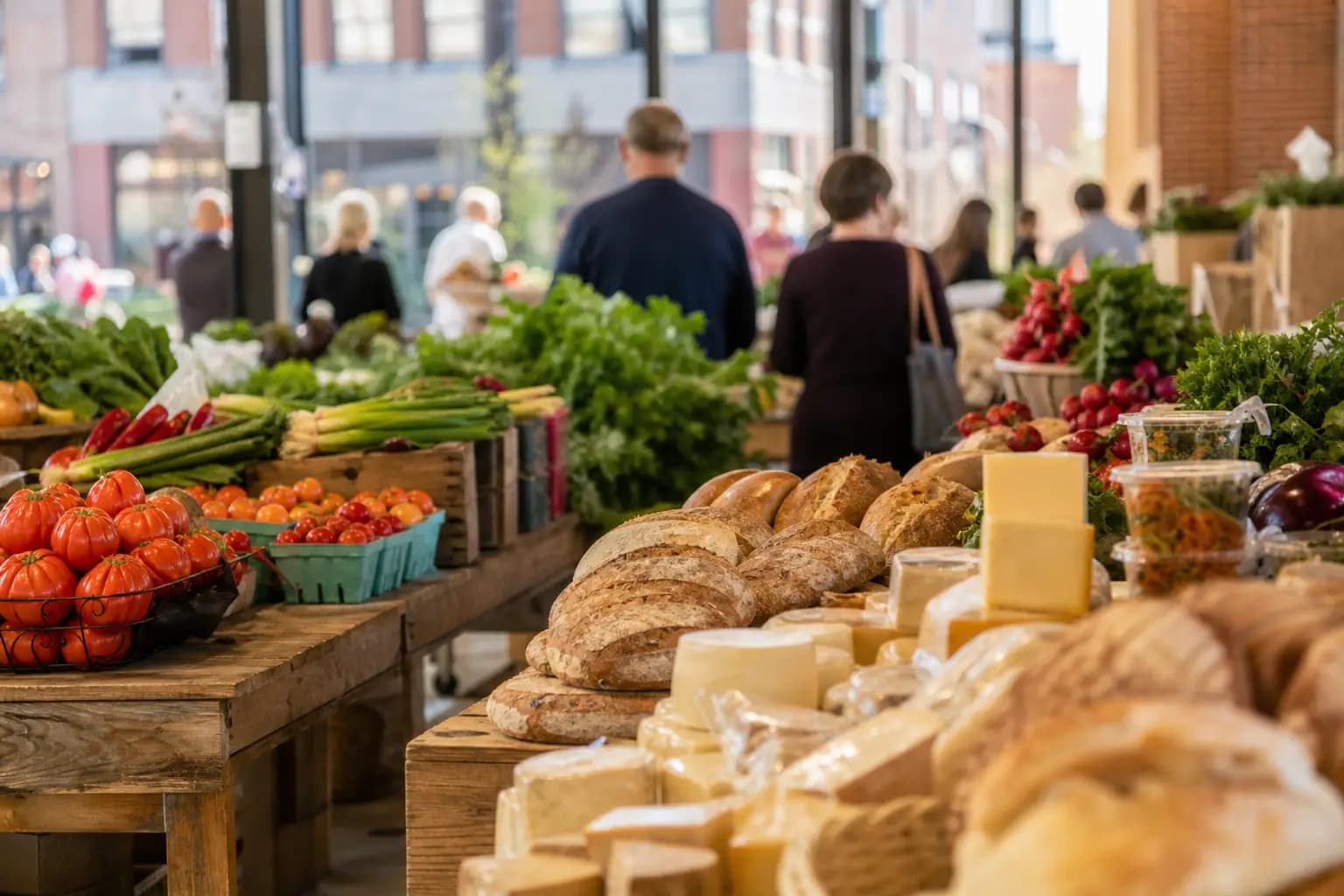
Ohio City is known to visitors through the West Side Market. Since opening to shoppers on November 2, 1912, the market has anchored the historic Ohio City neighborhood and remains Cleveland’s oldest continuously operating municipally owned market. It was built to replace the Pearl Street Market, which had stood on the opposite corner since 1840.
The market also tells a larger immigration story. It was one of three public markets, along with the Broadway Market and Central Market, that served Cleveland’s growing immigrant population in the early twentieth century, and only the West Side Market remains. Its building was designed by W. Dominick Benes and Benjamin Hubbell with a 44 foot high Guastavino tile vaulted ceiling and a 137 foot clock tower.
On the east side, Little Italy belongs to the wider University neighborhood, and only part of the historic Italian community falls within University Circle. Pairing Little Italy with Wade Park, Severance Hall and the art museum gives a visitor a compact look at how Cleveland’s neighborhoods, campuses and cultural institutions meet. The detail matters because Cleveland is known as much for districts you walk through as for single landmarks.
The Flats And The Riverfront
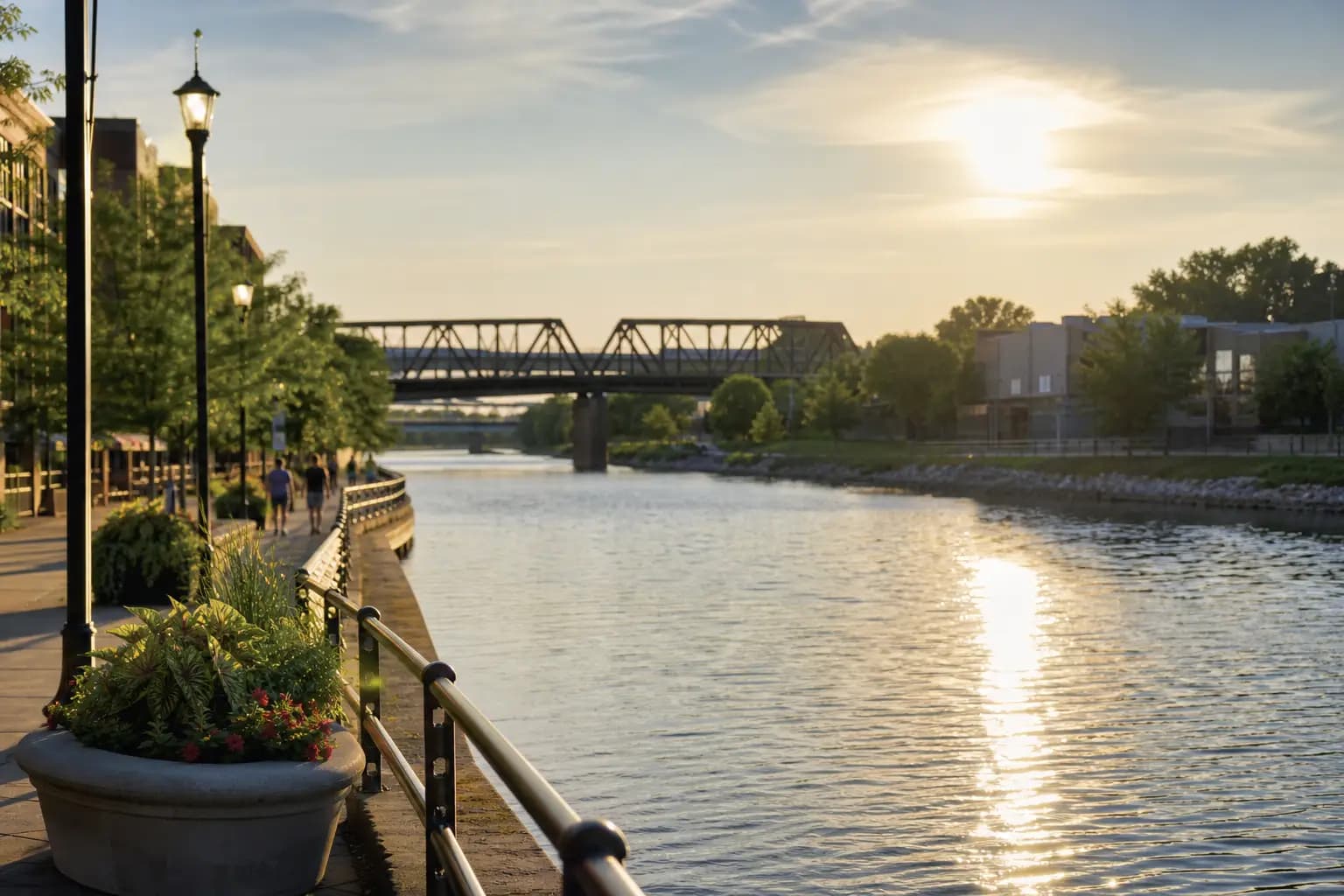
The Flats are Cleveland’s riverfront district along the Cuyahoga River, where the river follows a winding course through a valley about one half mile wide. The name refers to the bottom land and floodplain between the high plateaus on which the city stands. In 1878, the Superior Viaduct finally united the east and west sides of the city across this difficult terrain.
In the 1970s and 1980s, nightclubs and restaurants appeared along Old River Road and other streets, giving the Flats a new nightlife identity. Today the district is a mix of commerce, industry, nightlife and residences. It is a place where Cleveland’s working river past and current entertainment uses sit close together.
Cultural Gardens And Cuyahoga Valley Green Space
Rockefeller Park and the Cleveland Cultural Gardens add a different kind of Cleveland landmark. The Cultural Gardens are a major part of the city’s 254 acre Rockefeller Park, and the area spans two miles between University Circle and Lake Erie. John D. Rockefeller donated the land to the city in 1896, and Ernest W. Bowditch designed the park.
The gardens began in 1916 with the Shakespeare Garden, and the Hebrew Cultural Garden was dedicated in 1926 as the first official member of the Cleveland Cultural Gardens Federation. Statues and inscriptions depict artists, writers, composers, philosophers, peacemakers, saints and scientists from world cultural history. The federation’s motto is "peace through mutual understanding," a phrase that fits the slow, reflective pace of the gardens.
Beyond the city, Cuyahoga Valley National Park sits a short distance from Cleveland and Akron. The National Park Service describes a refuge for native plants and wildlife where the winding Cuyahoga River gives way to deep forests, rolling hills and open farmlands. Visitors can walk or ride the Towpath Trail along the historic route of the Ohio & Erie Canal.
Frequently asked questions
What Is Cleveland Most Known For?
Cleveland is known for its Lake Erie and Cuyahoga River setting, its industrial history, downtown landmarks, rock and roll, major museums and public parks. The city was founded in 1796, incorporated in 1836 and grew as a rail and water route hub for commerce and trade.
Where Should A Visitor Start Downtown?
Public Square is a natural starting point because downtown centers on it as the civic and transit hub. From there, visitors can connect the Arcade, the Group Plan Mall, Playhouse Square and East 4th Street within the central business district.
Which Cleveland Museums Are Most Connected To The City’s Identity?
The Rock & Roll Hall of Fame and Museum opened in 1995 and quickly became downtown’s iconic attraction. The Cleveland Museum of Art in University Circle was founded in 1913 and holds more than 63,000 artworks spanning 6,000 years.
Is Cleveland Good For River Or Lakefront Walks?
Yes. The Flats follow the Cuyahoga River floodplain and mix commerce, industry, nightlife and residences. Lake Erie is also central to Cleveland’s setting and identity.
What Neighborhoods Should A First Time Visitor Know?
Ohio City is closely tied to the West Side Market, Cleveland’s oldest continuously operating municipally owned market. University Circle brings together museums, Wade Park, Severance Hall and nearby Little Italy, while the Flats show the city’s riverfront history.
Sources
Checked against each source on November 19, 2026. Opening hours, prices and event dates change, so check with the venue before you go. The illustrations are AI generated and do not show real places.
- History & Facts (City of Cleveland Ohio)
- DOWNTOWN (Encyclopedia of Cleveland History, Case Western Reserve University)
- FLATS (Encyclopedia of Cleveland History, Case Western Reserve University)
- UNIVERSITY CIRCLE (Encyclopedia of Cleveland History, Case Western Reserve University)
- Cuyahoga Valley National Park (National Park Service)
- History (Cleveland Cultural Gardens Federation)
- About the Museum (Cleveland Museum of Art)
- Museum (Rock & Roll Hall of Fame)
- Market History (West Side Market)
More guides in Ohio
Food Cleveland
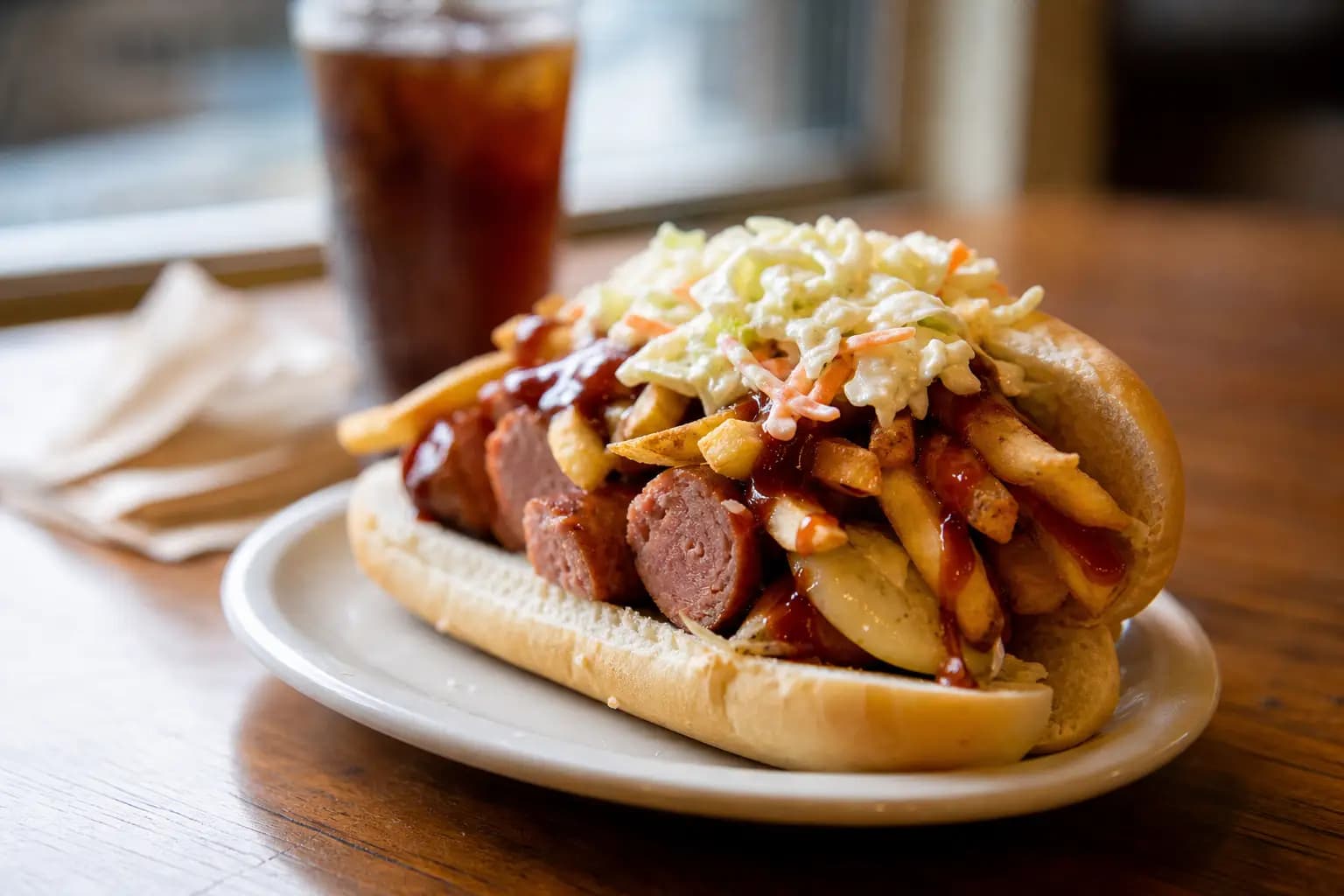
What Is The Polish Boy In Cleveland?Learn what goes into Cleveland's Polish Boy, the Polish neighborhood context around kielbasa, and where its food story continues.
Food Cleveland
What Is The West Side Market In Cleveland?Learn why Cleveland's West Side Market matters, from its 1840 roots and 1912 hall to immigrant food traditions and vendors.
Food Cincinnati
What Food Is Cincinnati Known For?Learn what food Cincinnati is known for, from chili over spaghetti and goetta to Findlay Market, Graeter's and food festivals.
Food Cincinnati
What Is Findlay Market in Cincinnati Known For?Learn Findlay Market history, its 1850s market house, weekend Farmers Market, and the foods and merchants visitors find today.
Food Columbus
What Is North Market Columbus Known For?Learn North Market Columbus history, from its 1876 roots to today's prepared foods, produce, sweets, Somali dishes and ice cream.
Events Columbus
What to Know About the Ohio State Fair in ColumbusLearn the Ohio State Fair story in Columbus, from its 1850 beginning to the butter cow, rides, concerts and planning basics.