
What To See At The Toledo Museum Of Art
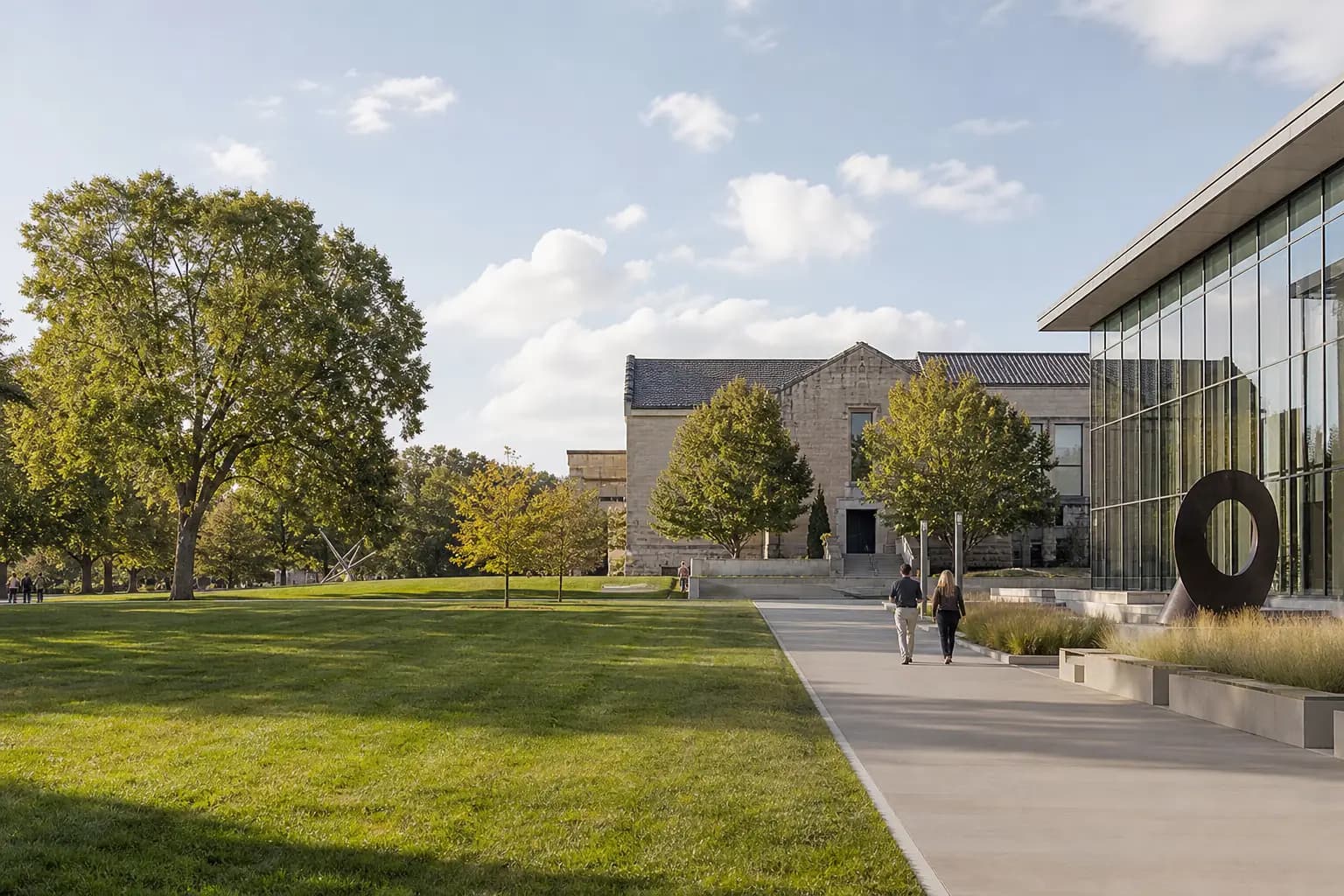
The Toledo Museum of Art brings together a broad art collection, a campus known for architecture, and a glass story tied to the city’s identity as the Glass City. The museum sits on a campus of 36 acres. Visitors can focus on the main Museum galleries, the Glass Pavilion, and the Center for the Visual Arts, then use the collection as a trip through painting, glass, ancient art, sculpture, decorative arts, graphic arts, and modern work.
Key facts
- The museum’s campus covers 36 acres in the City of Toledo.
- Its permanent collection includes more than 30,000 works of art.
- The main Museum has 45 galleries.
Own a house in Toledo you are thinking of selling? See how our cash offer works.
Start With The Campus
The Toledo Museum of Art sits on a campus of 36 acres. Its identity rests on the quality of its permanent collection, its art education programs, its architecturally significant buildings, and its displays of traveling exhibits. That combination makes the museum a campus visit rather than a single gallery stop.
Destination Toledo places TMA within the Glass City arts scene of galleries, performances, murals, and music. For a first visit, think of the campus as three connected experiences: the main Museum and permanent collection, the Glass Pavilion, and the architecture around both. If you are building a wider city day, pair it with Things to Do in Toledo.
The Main Museum And The Collection
The main Museum building has 45 galleries, 15 classroom studios, a 1,750 seat Peristyle concert hall, a 176 seat lecture hall, and a resource center for educators. The permanent collection includes more than 30,000 works of art. Its range includes American and European paintings, works showing the history of art in glass, ancient Greek, Roman, and Egyptian works, Asian and African art, medieval art, sculpture, decorative arts, graphic arts, and modern and contemporary art.
A practical route is to let those collection areas shape the visit, moving from paintings and ancient works to glass, sculpture, and modern galleries. The collection includes Claude Monet’s Water Lilies and Vincent van Gogh’s Wheat Fields with Reaper, Auvers. Those two paintings give visitors familiar names to look for while exploring the museum’s broader European holdings.
The Glass Pavilion
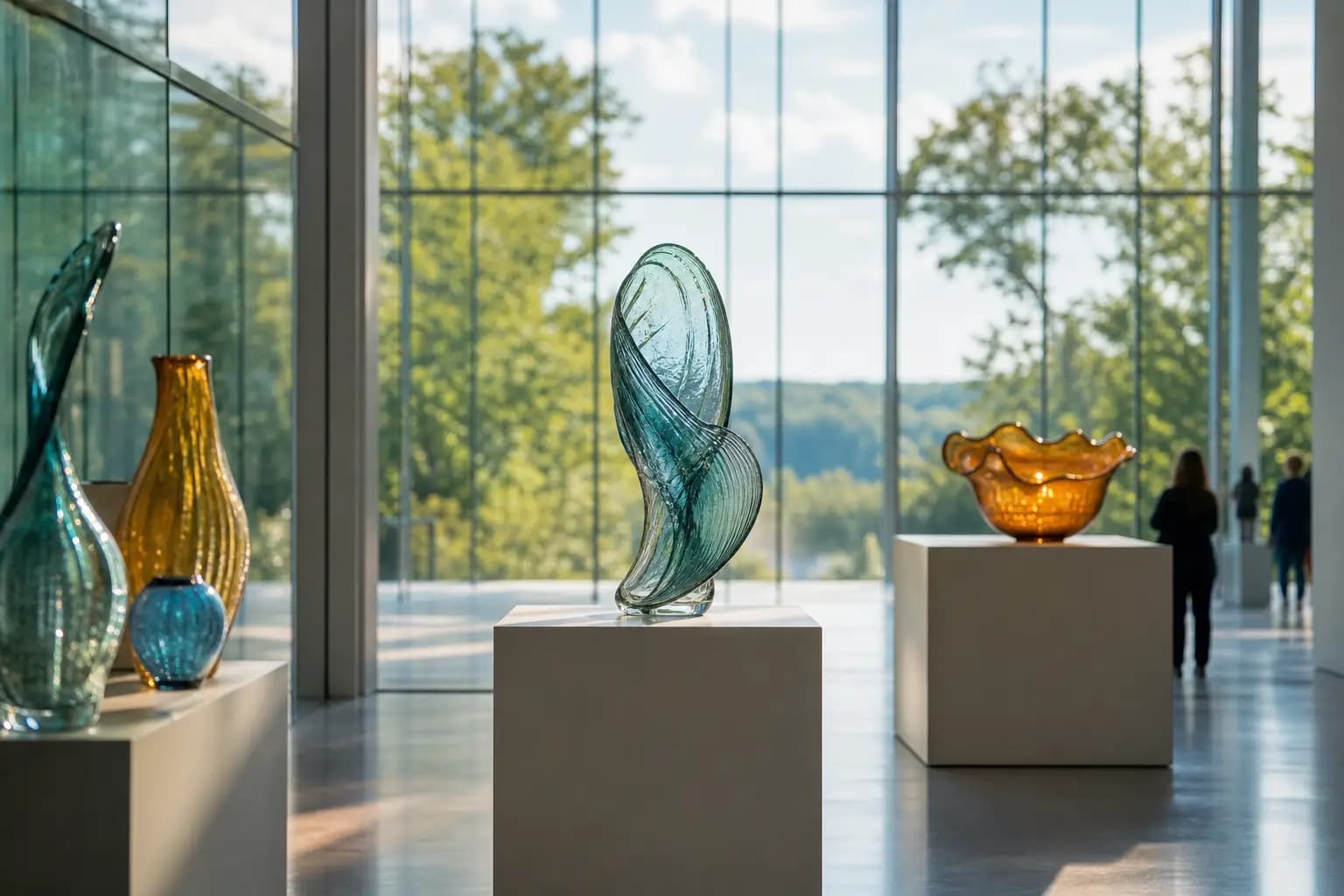
The Glass Pavilion is the campus stop that connects the museum to Toledo’s Glass City identity. The City of Toledo describes it as featuring five galleries, a glass study room, classrooms, two hotshops, a multipurpose GlassSalon, and public and private courtyard spaces. Those spaces tie the display of glass to learning, study, and the practical work of making it.
Glass has a special place in Toledo’s cultural identity, so the Pavilion feels closely connected to the city around it. It gives the campus a focused place for glass within a museum collection that also spans painting, ancient art, sculpture, decorative arts, graphic arts, and modern and contemporary work. For many visitors, it is a natural next stop after the main Museum galleries.
Why Glass Matters Here
Toledo’s economy has historically been associated with glass and automotive industries. The City of Toledo describes the metropolitan area as home to four of the nation’s largest glass manufacturing companies: O-I Glass, Inc., Owens-Corning, Pilkington North America, Inc., and Libbey, Inc. That local glass identity gives the Pavilion more meaning than a separate collection wing would have on its own.
According to the Ohio Arts Council, in 1962 Harvey Littleton of the University of Wisconsin and Dominic Labino, a chemist and inventor from Grand Rapids, Ohio, presented a new idea at a workshop at the Toledo Museum of Art: an individual artist working alone in a small studio could make art glass. The workshop helped begin the contemporary glass movement and elevated the glass blower from craftsman to artist and craftsman. In the Pavilion’s hotshops, that history connects to the practical act of making glass.
Architecture Across The Museum
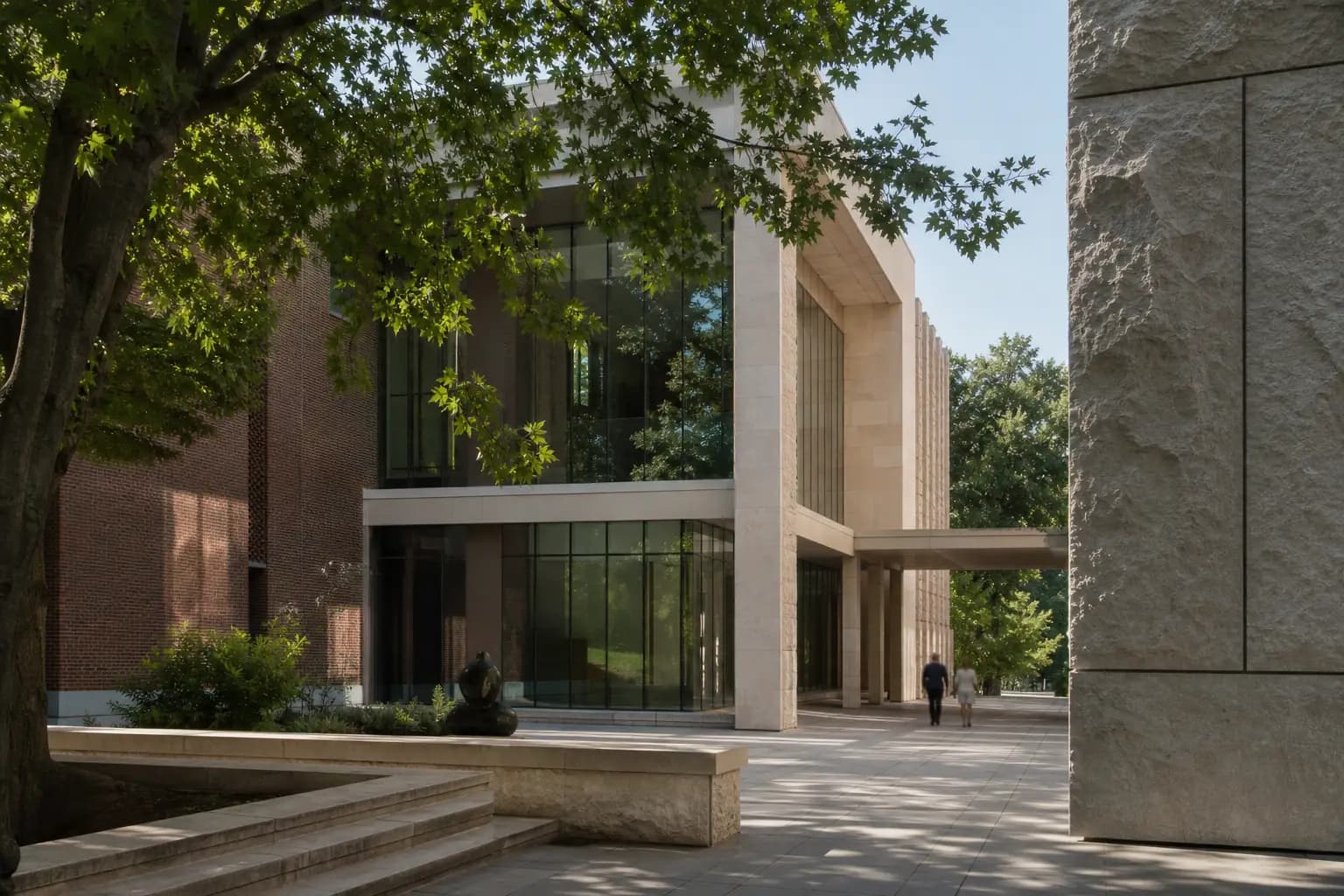
Architecture is part of the Toledo Museum of Art visit. The University of Toledo describes the Center for the Visual Arts as a four story building dedicated in 1993 and physically attached to the ground floor of the museum. Its design uses a collage of glass and metal, boldly sculptural forms, and careful reflection of the museum’s more traditional classical forms.
Inside, exposed structural beams, columns, and steel decking are painted white, while large windows and skylights create dramatic lighting and views to the museum. The building adds a contemporary architectural note to a campus already known for architecturally significant buildings. It also helps make the museum campus feel like a place where art, teaching, and building design meet.
Education And Performances
Art education is part of TMA’s identity. The City of Toledo notes the museum’s art education programs, and the main Museum includes 15 classroom studios along with a resource center for educators. The Peristyle concert hall and lecture hall add performance and lecture spaces to a campus that is larger than a sequence of galleries.
Frequently asked questions
What is the Toledo Museum of Art known for?
It is known for a permanent collection of more than 30,000 works, art education programs, architecturally significant buildings, and traveling exhibits. Its Glass Pavilion also ties the museum closely to Toledo’s identity as the Glass City.
What are the main areas to see at the museum?
Start with the main Museum galleries, then visit the Glass Pavilion for the museum’s Glass City connection. The Center for the Visual Arts is also part of the campus story because it is attached to the museum.
What is inside the Glass Pavilion?
The Glass Pavilion features five galleries, a glass study room, classrooms, two hotshops, a multipurpose GlassSalon, and public and private courtyard spaces.
What is the Center for the Visual Arts?
The Center for the Visual Arts is a four story building dedicated in 1993. It is physically attached to the ground floor of the Toledo Museum of Art and gives students and faculty direct access to the museum’s collections.
Are there major European paintings in the collection?
Yes. The collection includes Claude Monet’s Water Lilies and Vincent van Gogh’s Wheat Fields with Reaper, Auvers.
Why is Toledo important to studio glass?
In 1962, Harvey Littleton and Dominic Labino presented a small studio approach to making art glass at a workshop at the Toledo Museum of Art. The Ohio Arts Council describes that workshop as the beginning of the contemporary glass movement.
Sources
Checked against each source on November 25, 2026. Opening hours, prices and event dates change, so check with the venue before you go. The illustrations are AI generated and do not show real places.
- 2020 Annual Information Statement (City of Toledo, Ohio)
- Get Inspired in the Glass City (Destination Toledo)
- Center for the Visual Arts (The University of Toledo)
- Exhibition Reflects Contemporary Glass Movement (Ohio Arts Council)
More guides in Ohio

Sightseeing Toledo
Things to Do in Toledo, OhioPlan things to do in Toledo with downtown walks, Old West End architecture, museums, parks, gardens, zoo exhibits and nearby history.
Sightseeing Cleveland
What To See At The Rock And Roll Hall Of Fame In ClevelandPlan a Cleveland Rock Hall visit with main exhibit themes, local music history, hands on Garage experiences and practical museum basics.
Events Columbus
What Is The Columbus Arts Festival?Learn what the Columbus Arts Festival is, when it happens, where it takes place and what visitors find along Columbus' riverfront.
Events Dublin
What Is The Dublin Irish Festival?Learn what the Dublin Irish Festival is, when it happens in Dublin, Ohio, and what to expect from music, dance, culture, food and planning.
Events Cleveland
What Is The Cleveland St. Patrick's Day Parade?Learn the Cleveland St. Patrick's Day Parade route, March timing, Irish traditions, downtown crowds, transit basics and local history.
Outdoors Ohio
Cuyahoga Valley National Park OhioPlan Cuyahoga Valley National Park in Ohio with trails, waterfalls, river views, the scenic railroad, wildlife areas and key stops.