
What Is The Cleveland St. Patrick's Day Parade?
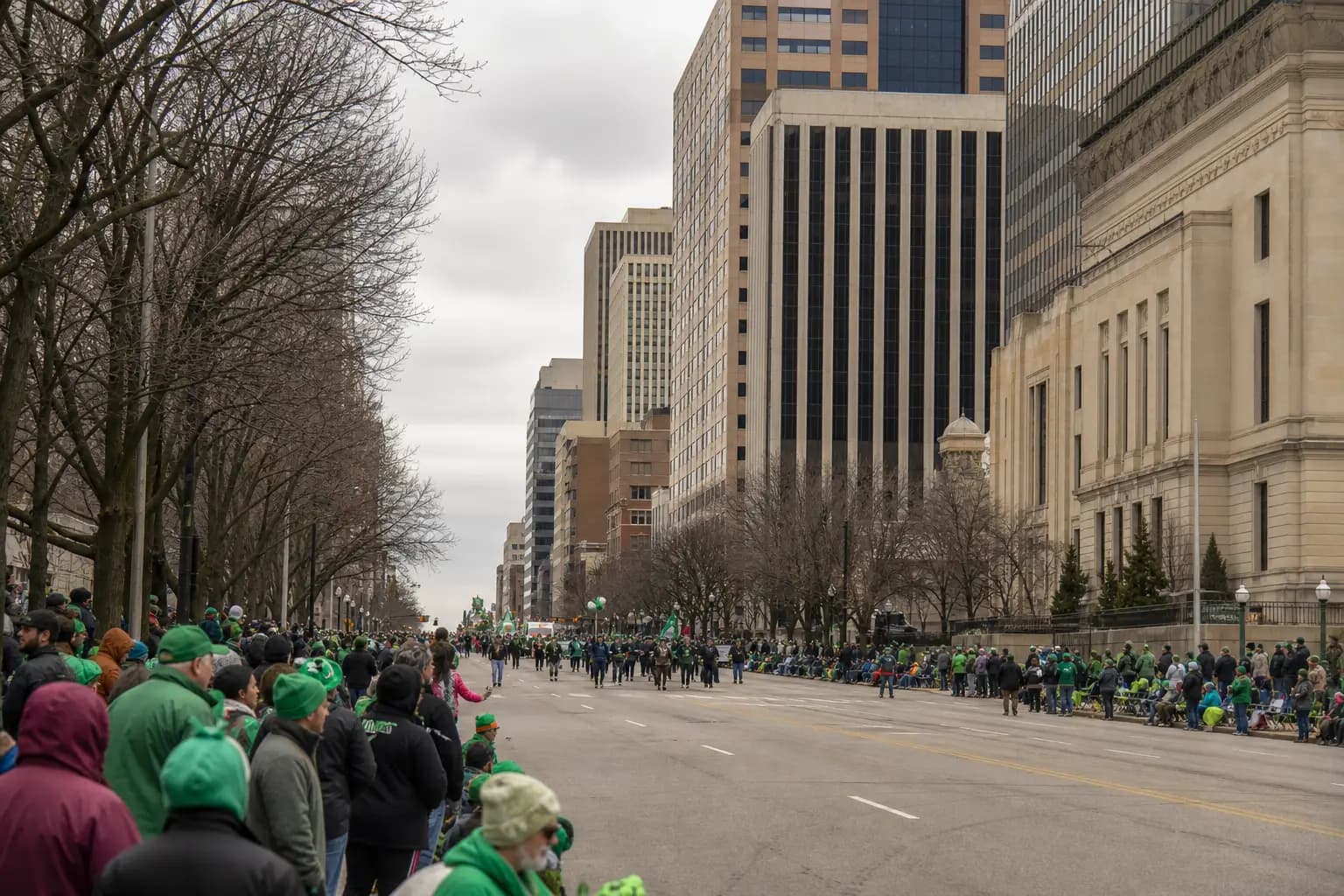
The Cleveland St. Patrick's Day Parade is an annual downtown celebration usually held in March, with Irish civic groups and large crowds centered on Superior Avenue and Public Square. It reflects Cleveland's long Irish history, from potato famine immigrations and steel mill work to organizations that still march today. For visitors, the basics are simple: expect a major downtown event, use public transit if possible, and stay outside the parade route.
Key facts
- The Cleveland St. Patrick's Day Parade is an annual event usually held in March.
- The downtown route has run west on Superior Avenue to Public Square, then north on West Roadway and east on Rockwell Avenue.
- Cleveland City Council has described the parade as having more than 10,000 participants and nearly 500,000 visitors.
- City information encourages attendees to use public transit and stay out of the parade route.
Own a house in Cleveland you are thinking of selling? See how our cash offer works.
What The Parade Is
The Cleveland St. Patrick's Day Parade is an annual celebration usually held in March. It sends Irish organizations and civic groups into Downtown Cleveland, with the parade as the public centerpiece of St. Patrick's Day in the city. Destination Cleveland puts it simply: "In Cleveland, St. Patrick's Day is everywhere," then points visitors downtown for the parade.
Scale is part of the identity. Destination Cleveland calls it "one of the largest St. Paddy's Day parades," and Cleveland City Council has described the parade as having more than 10,000 participants and nearly 500,000 visitors. The result is a downtown event that feels civic as much as festive, with Irish societies and city logistics meeting on the street.
The Downtown Route
The downtown route is built around Superior Avenue. City of Cleveland information identifies Superior Avenue at East 18th Street as a parade route point, and another city parade notice describes the route going west on Superior Avenue to Public Square. From there, the same notice describes turns north on West Roadway and east on Rockwell Avenue.
That route gives visitors clear orientation: Superior Avenue is the main parade street, Public Square is a major landmark on the line of march, and Rockwell Avenue is part of the downtown route described by the city. City Council also summarizes the parade as an event that "runs down Superior Avenue." Because the route is managed with traffic plans, the safest viewing is along public spectator areas rather than inside the route.
Visitor Basics For Parade Day
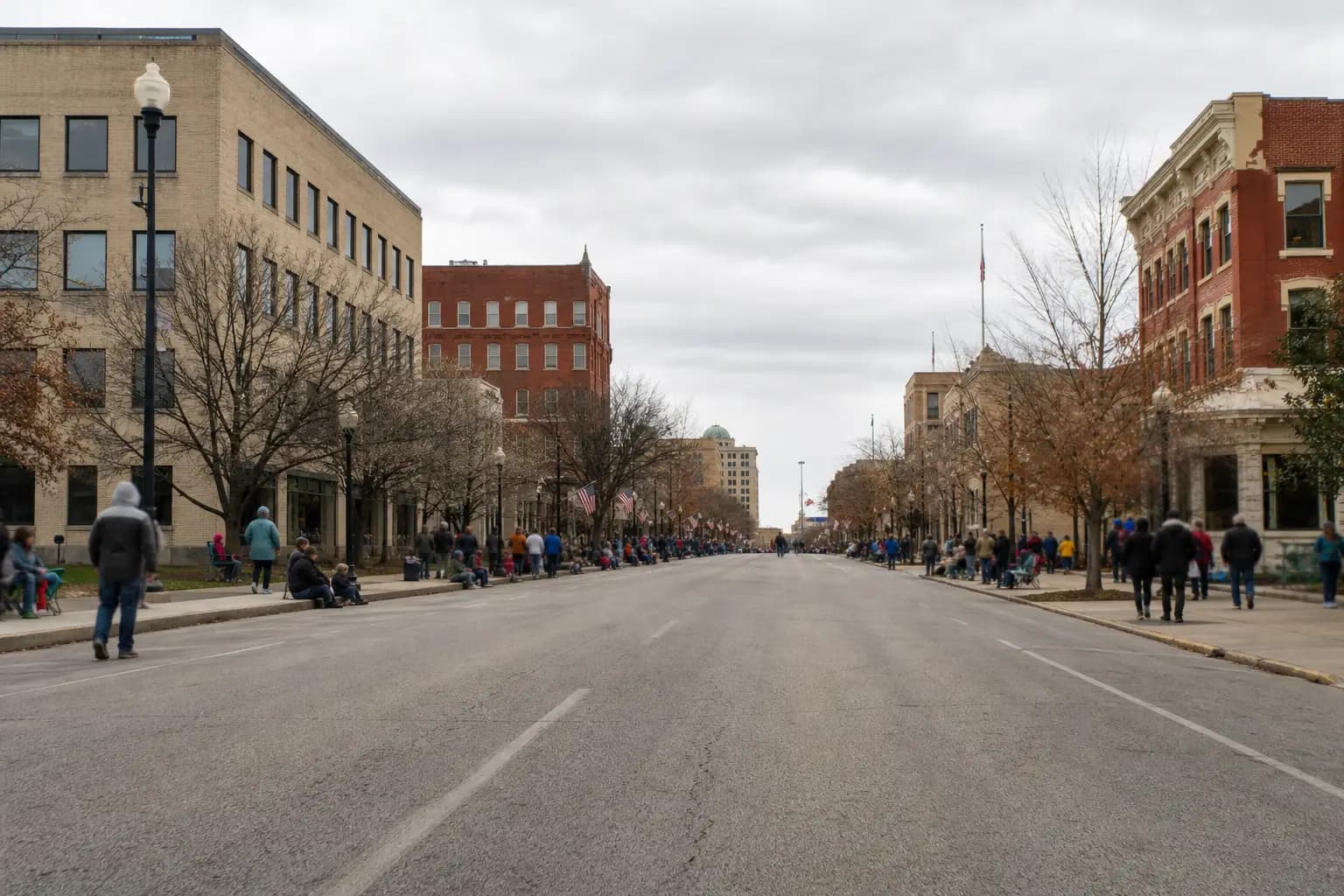
This is a large city event, so the first practical rule is to plan for crowds rather than a quick pass through downtown. Destination Cleveland tells visitors to "Be ready for large crowds," and a city parade page says the event brings "thousands of spectators downtown." That crowd is part of the atmosphere, but it also affects streets, parking and sidewalks.
City information encourages attendees to use public transit. Parking restrictions are part of parade day management, and observers are not to enter the parade route. For a wider city itinerary, see things to do in Cleveland, Ohio.
| Visitor basic | What to know |
|---|---|
| Timing | Recurring annual event, usually held in March |
| Main streets | Superior Avenue, Public Square, West Roadway and Rockwell Avenue have appeared in city route information |
| Crowds | Destination Cleveland says to be ready for large crowds |
| Transportation | City information encourages public transit |
| Safety | Observers are not to enter the parade route |
Irish Roots In Cleveland
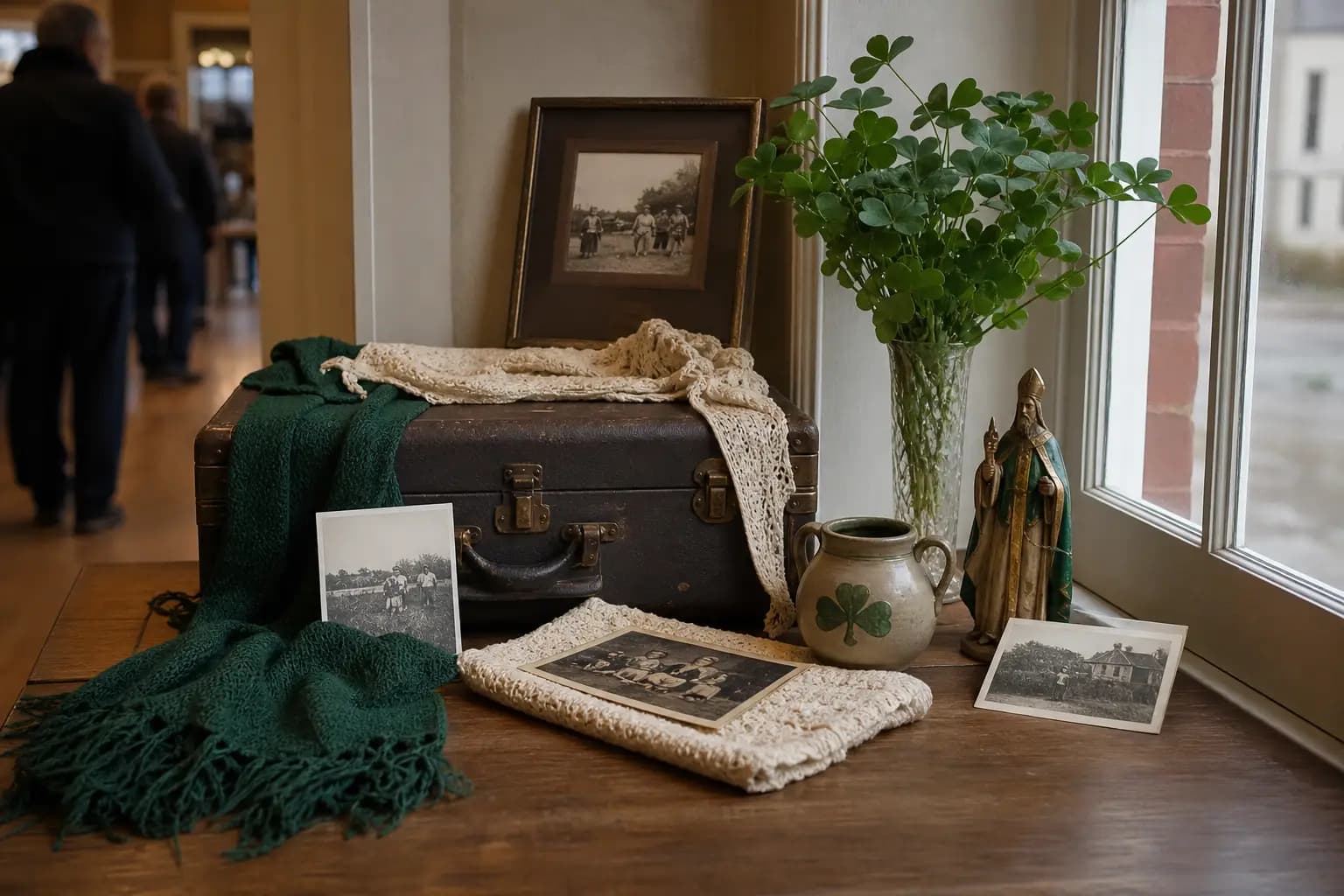
Cleveland's parade sits within a deep Irish story. The Encyclopedia of Cleveland History describes Cleveland's Irish population and connects part of it to potato famine immigrations. It also notes that Irish Clevelanders worked in the steel mills, a reminder that the parade grew from a community tied to the industrial city.
The same encyclopedia says "The Irish were vigorously social," which fits the public nature of a parade. The Emerald Civic Society, established in 1968, was created to enhance social and cultural life and is connected to Cleveland's annual St. Patrick's Day parade. Its parade presence is known for top hats, tails and gloves, and the society also has a scholarship program.
Why It Matters Locally
Watching the parade is a way to see Cleveland's Irish heritage in public form. The line of march is a route through downtown and a civic gathering that includes Emerald Civic Society customs and city street planning. The parade's large participation and regular March timing make it one of Cleveland's durable annual rituals.
For visitors, a practical approach is simple and patient. Choose a public viewing spot along the downtown route, expect large crowds, use transit if possible and keep the route clear. If you are curious about the city around the parade, what Cleveland is known for gives more context.
Frequently asked questions
When is the Cleveland St. Patrick's Day Parade usually held?
It is a recurring annual event usually held in March. City information identifies it as an annual St. Patrick's Day parade in downtown Cleveland.
Where does the Cleveland St. Patrick's Day Parade go?
City parade information has described the route as going west on Superior Avenue to Public Square, then north on West Roadway and east on Rockwell Avenue. City information also identifies Superior Avenue at East 18th Street as a parade route point.
How crowded is the parade?
Visitors should expect a major downtown crowd. Destination Cleveland says to be ready for large crowds, and Cleveland City Council has described the parade as having more than 10,000 participants and nearly 500,000 visitors.
What Irish traditions are part of the parade?
The Emerald Civic Society brings a distinctive formal look with top hats, tails and gloves. Cleveland's Irish history also includes potato famine immigrations and Irish Clevelanders who worked in the steel mills.
Should visitors use public transit?
Yes. City information encourages attendees to use public transit, and parking restrictions are part of parade day management. The crowd and street controls make transit a practical choice for many visitors.
What is the history behind the parade?
Cleveland's Irish history includes potato famine immigrations and Irish Clevelanders who worked in the steel mills. The Encyclopedia of Cleveland History says "The Irish were vigorously social," which fits the parade's public, community centered character.
Sources
Checked against each source on November 22, 2026. Opening hours, prices and event dates change, so check with the venue before you go. The illustrations are AI generated and do not show real places.
- Cleveland Welcomes the 2026 St. Patrick's Day Parade on March 17, 2026: Important Traffic and Safety Information for Attendees (City of Cleveland)
- 2023 Cleveland St. Patrick's Day Parade Information (City of Cleveland)
- St. Patrick's Day (Cleveland City Council)
- St. Patrick's Day (Destination Cleveland)
- IRISH (Encyclopedia of Cleveland History, Case Western Reserve University)
- EMERALD CIVIC SOCIETY (Encyclopedia of Cleveland History, Case Western Reserve University)
More guides in Ohio
Food Cleveland
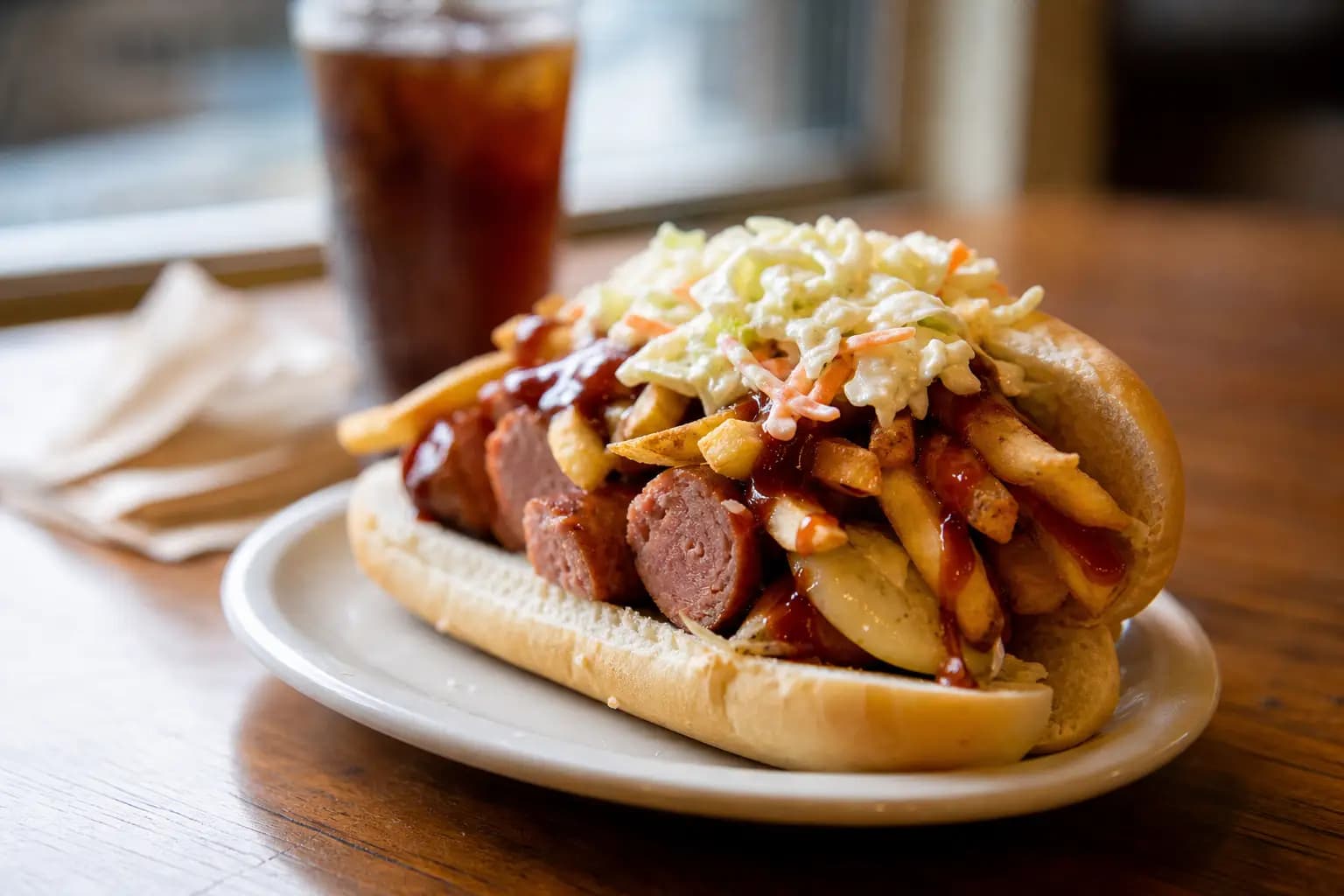
What Is The Polish Boy In Cleveland?Learn what goes into Cleveland's Polish Boy, the Polish neighborhood context around kielbasa, and where its food story continues.
Sightseeing Cleveland
Things To Do In Cleveland, OhioFind things to do in Cleveland, from The Arcade and Playhouse Square to West Side Market, Rockefeller Park and Cuyahoga Valley.
Food Cleveland
What Is The West Side Market In Cleveland?Learn why Cleveland's West Side Market matters, from its 1840 roots and 1912 hall to immigrant food traditions and vendors.
Sightseeing Cleveland
What Is Cleveland Known For?Explore what Cleveland is known for, from Lake Erie and the Cuyahoga River to downtown landmarks, museums, markets, parks and walks.
Outdoors Ohio
Cuyahoga Valley National Park OhioPlan Cuyahoga Valley National Park in Ohio with trails, waterfalls, river views, the scenic railroad, wildlife areas and key stops.
History Ohio
Cedar Point HistoryExplore cedar point history from the 1870 beach and steamboat era to Hotel Breakers, record coasters, the lighthouse and Sandusky museum.