
Milwaukee History: A Short Guide
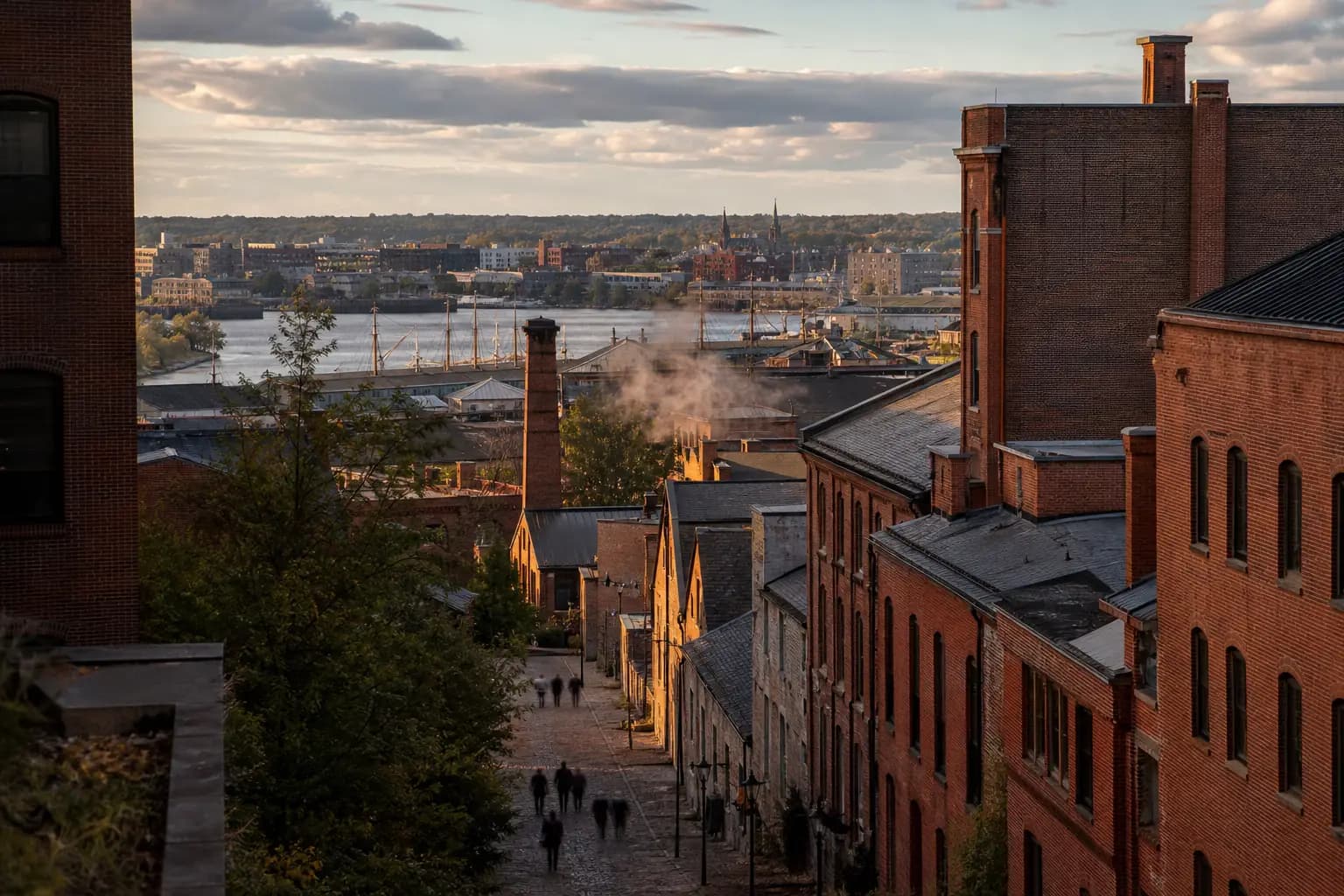
Milwaukee was incorporated in 1846 and grew through agricultural trade, historic beer companies, manufacturing and landmark firms such as Harley-Davidson. Visitors can still read that past in the Pabst Mansion, the Harley-Davidson Museum and Bronzeville.
Key facts
- Milwaukee was incorporated in 1846.
- By the 1880s, Milwaukee's shift from commercial trade center to manufacturing economy was complete.
- Historic Milwaukee firms included Pabst, Schlitz and Blatz Beer, along with Allis-Chalmers, Evinrude, Briggs and Stratton, and Harley-Davidson.
- Captain Frederick and Maria Pabst completed their family mansion in 1892.
- Milwaukee's African American population grew especially quickly between 1956 and 1960, rising from 22,000 to 62,000.
Own a house in Milwaukee you are thinking of selling? See how our cash offer works.
Trade, Wheat, Beer and Factories
After incorporation, Milwaukee's economy leaned on trade. The new city was a commercial place focused on the processing and movement of agricultural goods, a role reflected in the city's wheat trade. By the 1880s, Milwaukee's shift from commercial trade center to manufacturing economy was complete.
The list of historic Milwaukee firms shows how broad that manufacturing world became. It included the beer companies Pabst, Schlitz and Blatz Beer, along with Allis-Chalmers, Evinrude, Briggs and Stratton, and Harley-Davidson. Those names help explain why Milwaukee history so often moves from grain and beer into machinery, engines and factory buildings.
The Pabst Mansion
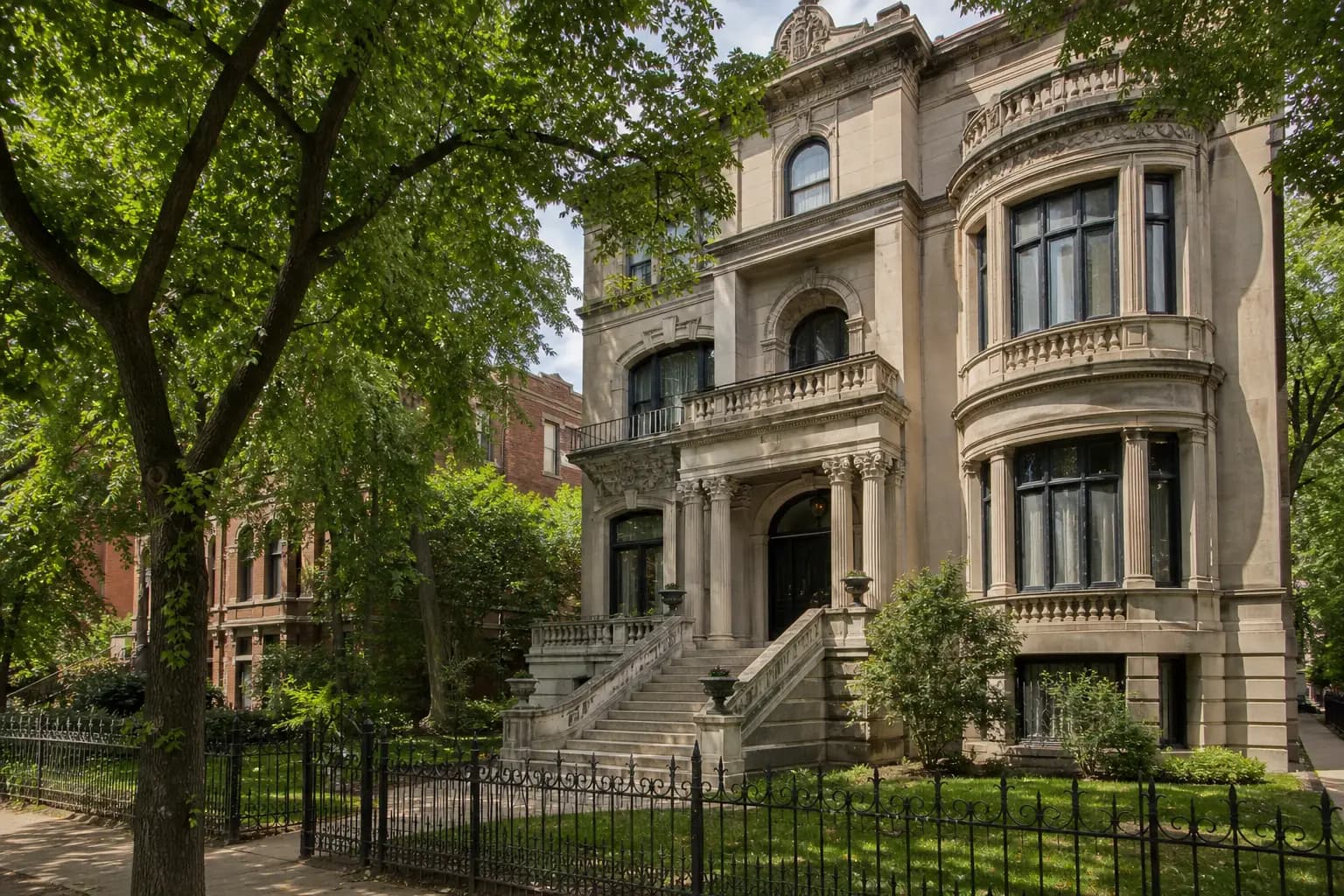
The Pabst family left a visible address from Milwaukee's late nineteenth century. Captain Frederick and Maria Pabst completed their family mansion in 1892, and both were leading figures in Milwaukee society and art collectors. After Pabst descendants sold the house in 1908, it became the archbishop's residence and the center of the Roman Catholic Archdiocese of Milwaukee for more than 67 years; the mansion was placed on the National Register of Historic Places in 1975 and opened to the public as a museum in 1978.
Harley-Davidson and Industrial Milwaukee
Harley-Davidson's early story belongs to the same manufacturing Milwaukee. In the 1890s, William Harley first met Arthur Davidson in a Milwaukee neighborhood. In 1903, they built a 10 x 15-foot wooden shed, where they later sold their first motorcycle to Henry Meyer.
The company grew quickly into the city's factory world. In 1906, a new factory was built along Milwaukee's Chestnut Street, and on September 17, 1907, the Motor Company incorporated. By 1913, a six-floor brick factory building had become a manufacturing powerhouse.
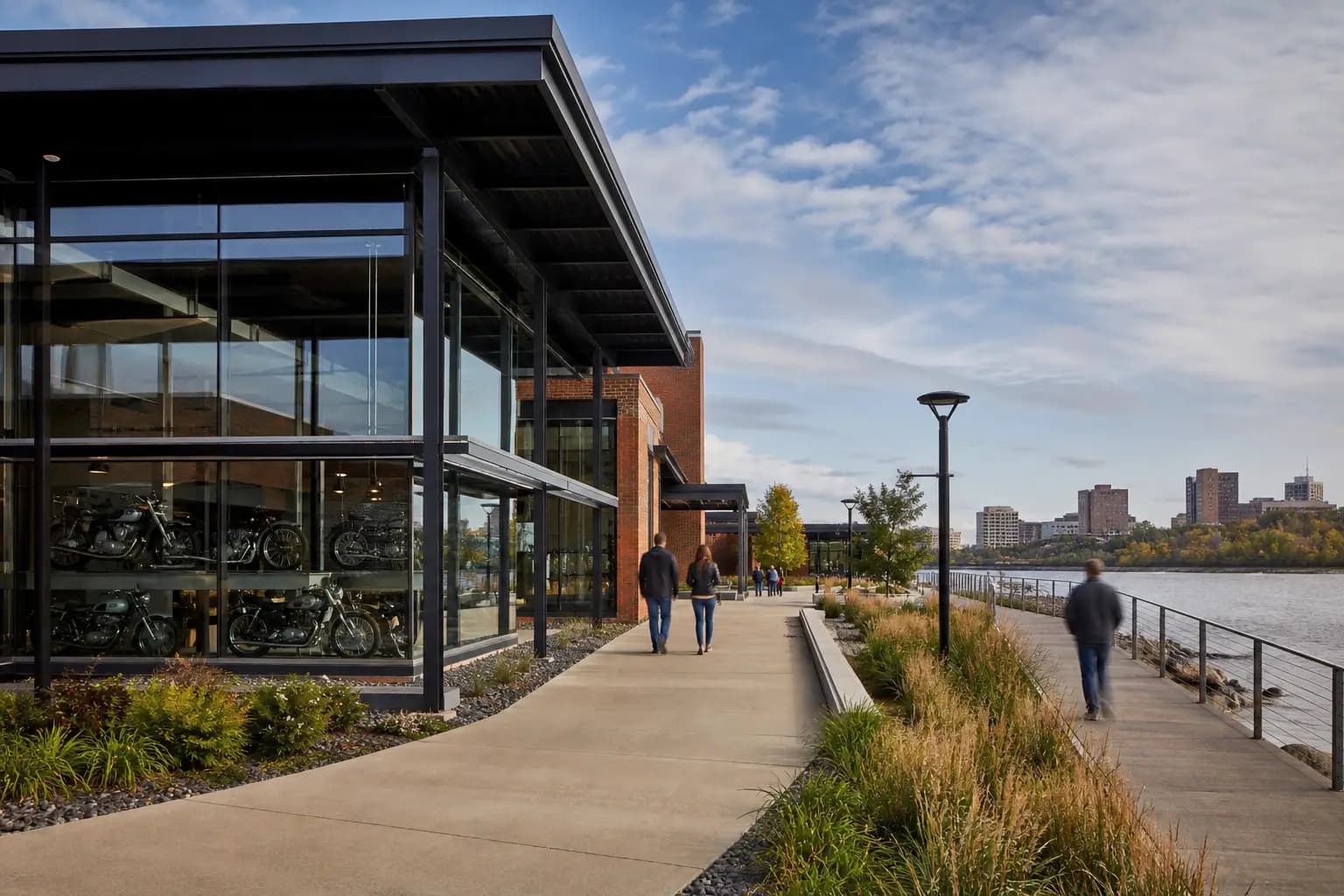
That origin story is now tied to the H-D Museum, which presents the company's beginnings for visitors. For more on that stop, see the Harley-Davidson Museum guide. It fits naturally into a Milwaukee history itinerary because the company story connects neighborhood beginnings, early manufacturing and twentieth century identity.
Bronzeville and Twentieth Century Change
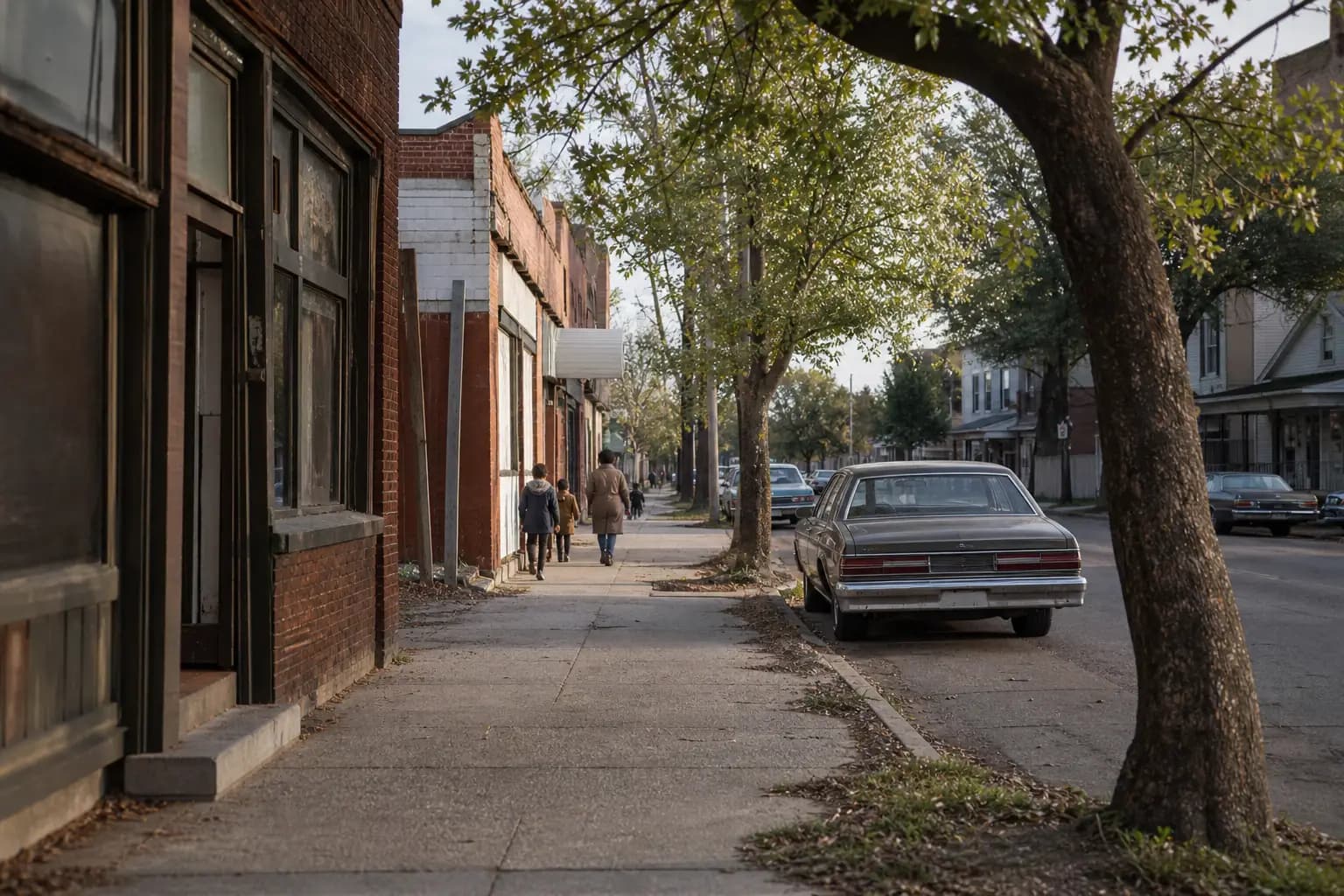
Bronzeville carries another major chapter of Milwaukee history. Milwaukee's African American population grew especially quickly between 1956 and 1960, rising from 22,000 to 62,000. Urban renewal changed the neighborhood dramatically. Bronzeville history broadens the city's story beyond founding dates, factories and famous companies, showing how twentieth century population growth and public decisions reshaped community life.
Frequently asked questions
When did Milwaukee become a city?
Milwaukee was incorporated in 1846. In its early decades, it developed as a commercial city focused on trade and the processing and movement of agricultural goods.
Why is beer so important to Milwaukee history?
Historic Milwaukee firms included Pabst, Schlitz and Blatz Beer. Beer is one part of the broader story of grain, manufacturing and factory work in Milwaukee history.
Was Milwaukee always a manufacturing city?
No. Incorporated in 1846, Milwaukee began as a commercial city focused on trade and the processing and movement of agricultural goods. By the 1880s, its transformation into a manufacturing economy was complete.
Where can visitors see nineteenth century Milwaukee history?
The Pabst Mansion is one place to see late nineteenth century Milwaukee history. Captain Frederick and Maria Pabst completed the house in 1892, and it later became the archbishop's residence before opening to the public as a museum in 1978.
What was Bronzeville in Milwaukee?
Bronzeville is an important Milwaukee neighborhood in African American history. Milwaukee's African American population grew especially quickly between 1956 and 1960, rising from 22,000 to 62,000, and urban renewal later changed the neighborhood dramatically.
Sources
Checked against each source on November 20, 2026. Opening hours, prices and event dates change, so check with the venue before you go. The illustrations are AI generated and do not show real places.
- Picturing Milwaukee's Neighborhoods (UWM Libraries Digital Collections, University of Wisconsin Milwaukee)
- The Pabst Mansion (Pabst Mansion)
- Early Years of Harley-Davidson (Harley-Davidson USA and Harley-Davidson Museum)
More guides in Wisconsin
Sightseeing Milwaukee
What To See At The Harley Davidson Museum In MilwaukeeSee what to expect at the Harley-Davidson Museum in Milwaukee, from Serial Number One to campus walks, tours and riverfront stops.
Food Milwaukee
Milwaukee Food: Dishes the City Is Known ForLearn the Milwaukee food traditions behind brats, cheese curds, frozen custard, Friday fish fry and Wisconsin State Fair cream puffs.
Sightseeing Milwaukee
Things To Do In MilwaukeePlan things to do in Milwaukee, from the RiverWalk and lakefront parks to museums, City Hall and Pabst Mansion.
Events Milwaukee
Wisconsin State Fair: History and What to ExpectLearn the Wisconsin State Fair's 1851 origins, West Allis fairgrounds, August timing, cream puffs, agriculture and food traditions.
Sightseeing Milwaukee
What Is Milwaukee Known For?See what Milwaukee is known for, from riverfront walks and Cream City brick to major museums, City Hall and Streets of Old Milwaukee.
Food Sheboygan
Sheboygan Brats and Bratwurst TraditionsTrace Sheboygan's bratwurst history from Bratwurst Day in 1953 to Brat Days, local meat markets, and the classic single or double on a hard roll.