
What To See At The Atlanta Botanical Garden
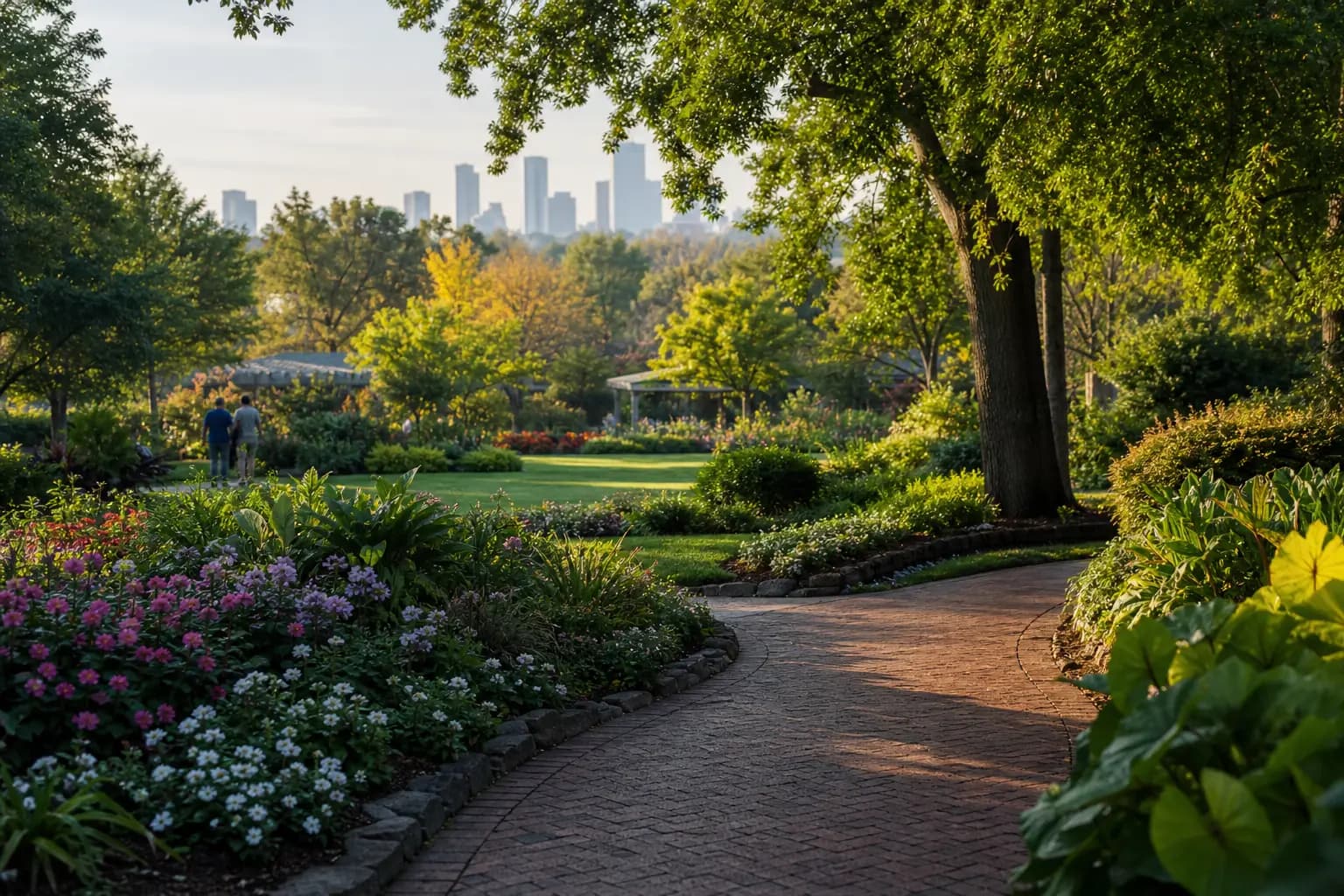
The Atlanta Botanical Garden is a 30 acre garden in Midtown Atlanta, adjacent to Piedmont Park. Visitors come for outdoor flower walks, Skyline Garden views, the Fuqua Conservatory, orchids, Storza Woods and the Kendeda Canopy Walk. The visit is part plant collection, part city walk: one moment on the Great Lawn with Midtown in view, another inside tropical and desert rooms. Seasonal plantings and the holiday Garden Lights event give repeat visits a different feel.
Key facts
- The Garden is located adjacent to Piedmont Park in Midtown Atlanta.
- The Atlanta Botanical Garden opened in 1976 and includes 30 acres of outdoor gardens.
- The Dorothy Chapman Fuqua Conservatory opened in 1989 and highlights tropical and desert regions from around the world.
- The Kendeda Canopy Walk rises 40 feet above Storza Woods.
- The Garden’s own visitor information says the average visit is 1.5 to 2 hours.
Own a house in Atlanta you are thinking of selling? See how our cash offer works.
Start With The Garden’s Midtown Setting
The Garden is located adjacent to Piedmont Park in Midtown, a setting that makes it easy to pair with a walk in one of Atlanta’s most recognizable park areas. It opened in 1976 and now includes 30 acres of outdoor gardens, the Lou Glenn Children’s Garden, Storza Woods with its Canopy Walk and the Skyline Garden. For broader city context before or after your visit, pair it with an Atlanta history read.
A first visit works well as a loop, beginning with the outdoor gardens and then moving into the Fuqua Conservatory, Storza Woods and family areas. The Garden’s own visitor information says the average visit is 1.5 to 2 hours, and visitors may stay as long as they like. That range fits a casual walk, while visitors who like plant collections may want more time for the conservatory rooms and seasonal beds.
Flower Walk, Skyline Garden, The Great Lawn And Older Garden Rooms
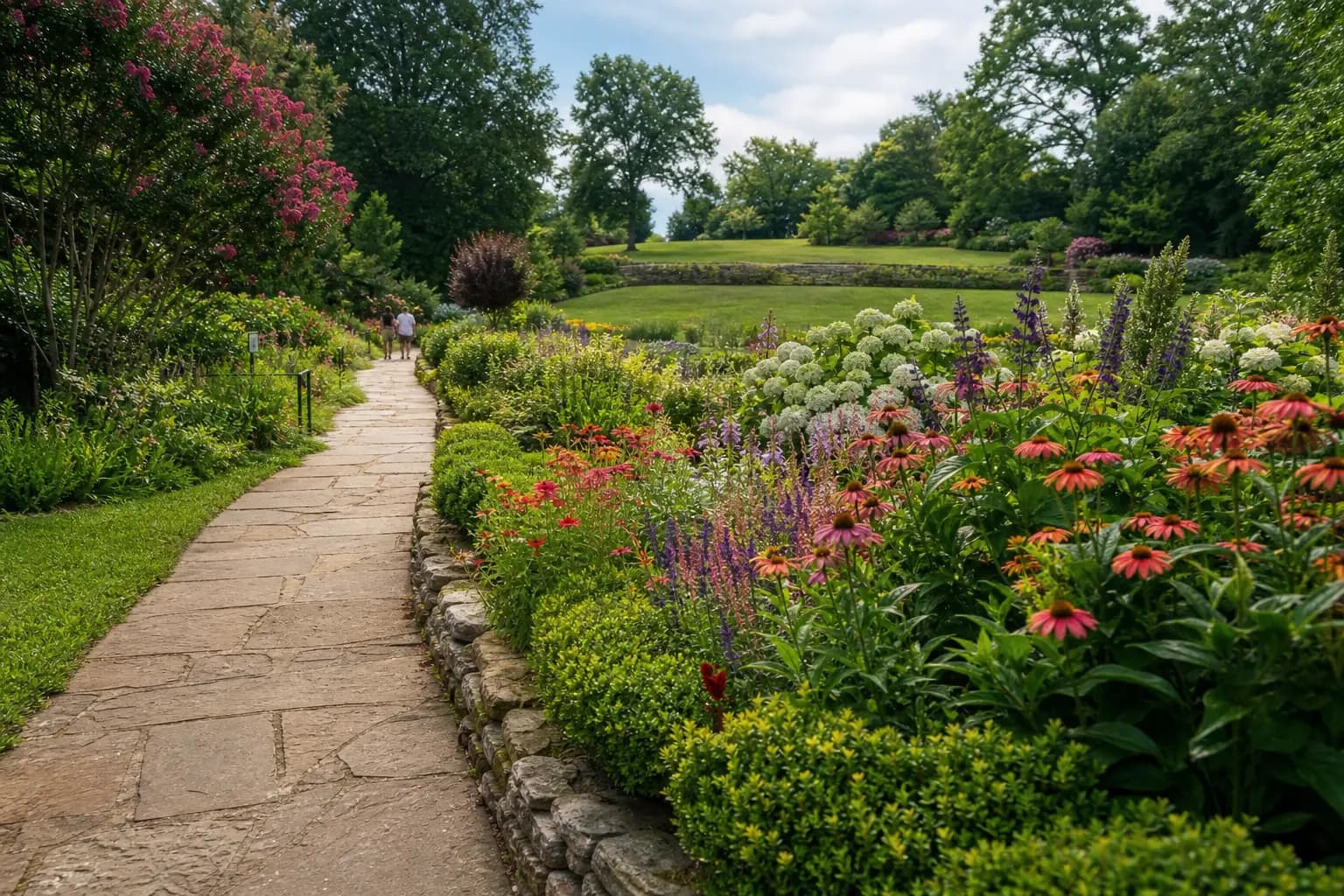
The Anne Cox Chambers Flower Walk is designed for color and welcomes visitors toward the Skyline Garden and Robinson Gazebo. The Skyline Garden looks over terraced succulents above Piedmont Park with the Midtown skyline behind them. Nearby, the Great Lawn is the Garden’s largest open space and gives sweeping views of the Dorothy Chapman Fuqua Conservatory and Midtown skyline.
The Japanese Garden adds one of the older garden rooms to the walk. It has been blooming since the 1960s, and the entrance is marked by an antique lantern. The Edible Garden shifts the focus to crops that change over time, connecting ornamental planting with the plants people grow and eat.
Inside The Fuqua Conservatory And Orchid Spaces
The Dorothy Chapman Fuqua Conservatory opened in 1989 to show the botanical richness of selected tropical and desert regions and to educate visitors about conservation and plant use. The 16,000 square foot conservatory is divided into five main display areas, with climates monitored for light, humidity and temperature. It is one of the main indoor anchors of the Atlanta Botanical Garden.
The Tropical Rotunda contains hundreds of plant species from tropical regions around the world, including Central America’s lowland forests, central Africa, southern Mexico and Southeast Asia. The room’s living soundtrack can include Coqui Frogs and the Phantasmal Poison Frog, according to the Garden. The Orangerie focuses on plants with economic, medicinal and industrial uses, while the Desert House presents desert habitats of southern Africa and Madagascar.
Orchids are displayed year round in the Fuqua Conservatory’s 16,000 square foot display space.
Storza Woods And The Kendeda Canopy Walk
The Kendeda Canopy Walk opened in 2010 and helped link the original formal gardens with nearly 15 additional acres of woodland. It rises 40 feet in the air, and the 12 foot wide serpentine bridge gives a bird’s eye view of Storza Woods. The woods include oaks, hickories and tulip poplars, so the experience feels different from the more formal beds.
The Garden describes the Canopy Walk as the largest tree canopy level walkway of its kind in the United States. The structure is 600 feet long, was designed by Jova/Daniels/Busby and descends to Sourwood Terrace. It is a useful route for seeing how the Garden shifts from display gardens into a mature woodland setting.
Children’s Garden, Conservation Plants And Close Looking
Lou Glenn Children’s Garden has been a family destination since 1999, with places where kids can grow, splash, play and learn about the plant world. It gives families a dedicated area without removing them from the larger Garden route.
The conservation side appears in areas where visitors can examine carnivorous plants, orchids and native plants at the heart of the Garden’s conservation program. A Venus Flytrap display may be the plant that pulls a child or a curious adult closer, but the larger point is careful observation.
Seasonal Color, Atlanta Blooms And Garden Lights
Seasonal displays are part of the Garden’s rhythm. Staff work year round to plan, coordinate and maintain temporary plantings, and the Skyline Garden, Perennial Garden and Rose Garden are among the areas where displays of annuals and perennials are changed twice a year. In spring during Atlanta Blooms!, the gardens are filled with tulips in a range of colors and forms.
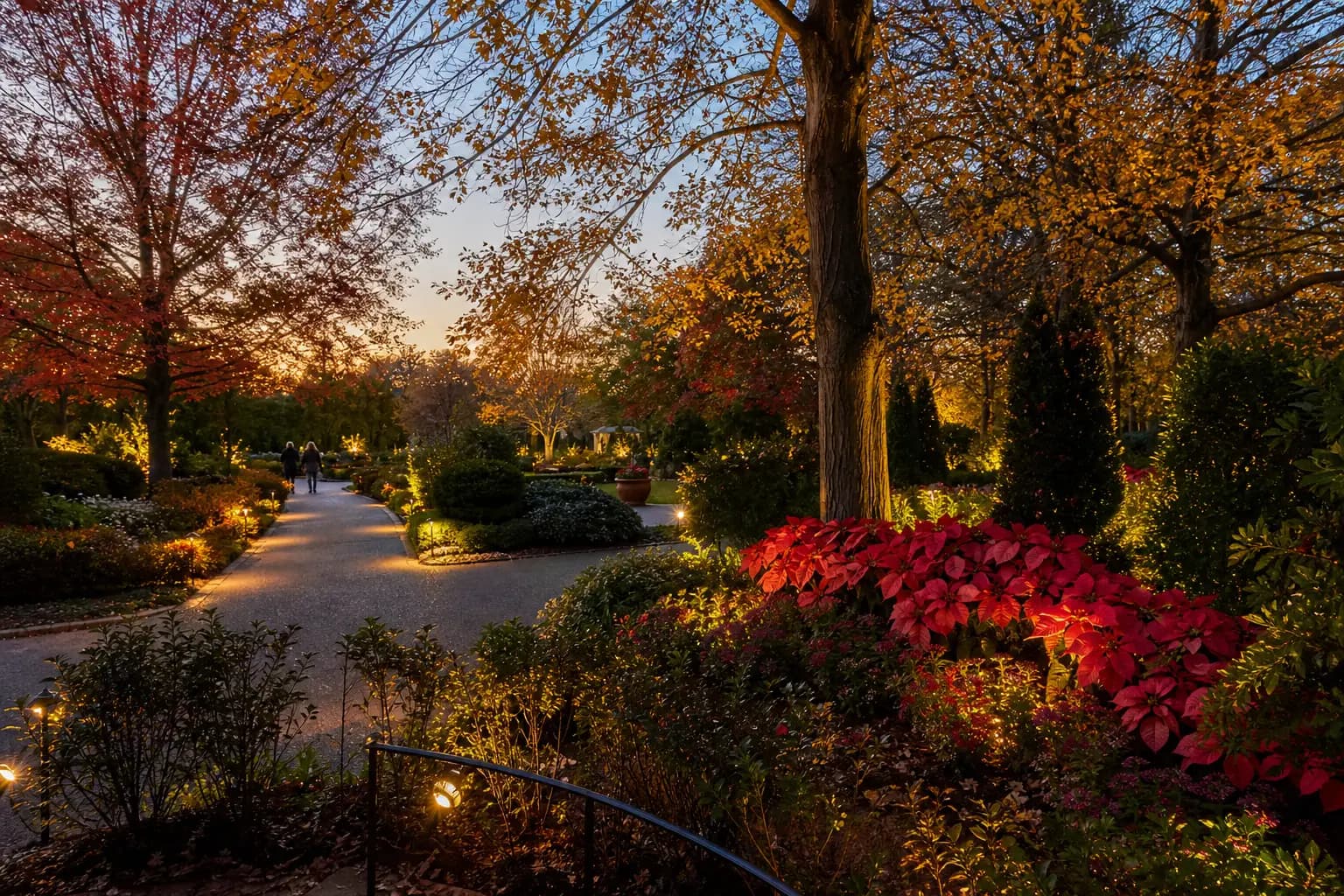
Garden Lights, Holiday Nights is the Garden’s recurring holiday event, usually held in November, December and January.
Tickets, Weather, Access And Getting There
The Garden does not require timed tickets, and tickets purchased online are date specific and can be used any time that day for entry. The Garden is open rain or shine, and most display gardens are outside. Indoor air conditioned and heated areas include the Hardin Visitor Center, Longleaf restaurant and the Fuqua Conservatory and Orchid Center.
Nearly all areas of the Garden are accessible to guests using wheelchairs and scooters, and wheelchairs and electric mobility scooters are available at Garden Admissions on a first come, first served basis. MARTA NextGen Bus Route 7 stops at the Monroe Drive entrance and can be boarded at the King Memorial, Lindbergh and West End train stations. On site parking for Garden guests is in the SAGE Parking Facility on Levels 4, 5 and 6 via the Piedmont Avenue entrance, and the facility is card only.
Frequently asked questions
Where is the Atlanta Botanical Garden?
The Atlanta Botanical Garden is adjacent to Piedmont Park in Midtown Atlanta. That location makes it easy to pair the Garden with a walk in the park or other Midtown stops.
How long does a visit usually take?
The Garden’s visitor information gives the average visit as 1.5 to 2 hours. Visitors may stay as long as they like, so plant lovers can slow down in the conservatory, woodland and seasonal display areas.
Are tickets timed at the Atlanta Botanical Garden?
The Garden does not require timed tickets. Online tickets are date specific and can be used any time that day for entry.
What are the main indoor areas?
The Fuqua Conservatory and Orchid Center are the main indoor plant spaces. The Garden also lists indoor air conditioned and heated areas such as the Hardin Visitor Center and Longleaf restaurant.
Is the Kendeda Canopy Walk worth planning around?
The Canopy Walk is one of the Garden’s signature routes because it rises 40 feet above Storza Woods. It gives visitors a different view of oaks, hickories, tulip poplars and the transition from formal gardens to woodland.
When are the main seasonal displays?
Spring brings Atlanta Blooms!, when tulips fill the gardens in many colors and forms. Garden Lights, Holiday Nights is the recurring holiday display, usually held in November, December and January.
Is the Garden accessible by transit?
MARTA NextGen Bus Route 7 stops at the Monroe Drive entrance. The Garden says the route can be boarded at the King Memorial, Lindbergh and West End train stations.
Sources
Checked against each source on November 23, 2026. Opening hours, prices and event dates change, so check with the venue before you go. The illustrations are AI generated and do not show real places.
- Plan Your Atlanta Visit (Atlanta Botanical Garden)
- About the Garden (Atlanta Botanical Garden)
- Atlanta Garden Map (Atlanta Botanical Garden)
- Dorothy Chapman Fuqua Conservatory (Atlanta Botanical Garden)
- Tropical Rotunda (Atlanta Botanical Garden)
- Kendeda Canopy Walk (Atlanta Botanical Garden)
- Seasonal Displays (Atlanta Botanical Garden)
- Garden Lights, Holiday Nights (Atlanta Botanical Garden)
More guides in Georgia

History Atlanta
A Short History of AtlantaTrace Atlanta history from Terminus and Civil War railroads to Sweet Auburn, the Georgia Capitol, Underground Atlanta and the 1996 Olympics.
Events Atlanta
Juneteenth Atlanta: The Annual CelebrationLearn when Juneteenth Atlanta usually takes place, what happens at the parade and music festival, and how Piedmont Park fits the celebration.
History Atlanta
What to Know About the Martin Luther King Birth Home in AtlantaLearn the history of Martin Luther King Jr.'s birth home on Auburn Avenue, from its 1895 house to the family, church and street.
Events Macon
What Is The Macon Cherry Blossom Festival?Learn when Macon's Cherry Blossom Festival happens, why the Yoshino trees matter, and what to expect from parades, concerts, and park events.
Outdoors Georgia
Georgia State Parks Worth KnowingExplore Georgia state parks for waterfalls, canyons, swamp nights, coastal marsh walks, long trail days and seasonal outdoor ideas.
History Georgia
Jekyll Island HistoryFollow Jekyll Island history from Spanish naming and colonial farms to plantation agriculture, the club era, St. Andrews Beach and Georgia's public era.