
Jekyll Island History
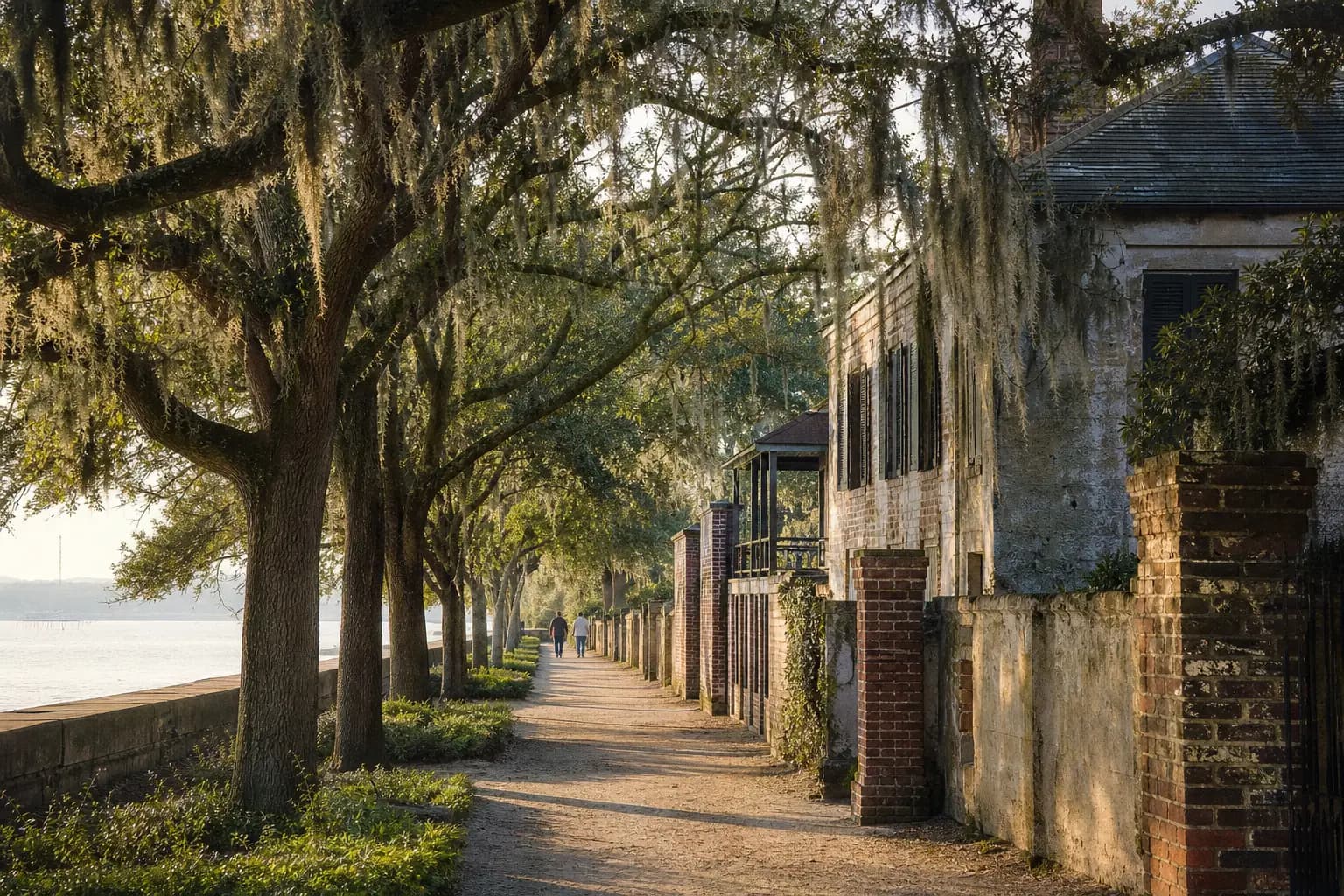
Jekyll Island history is unusually layered. Chapters include Spanish naming, Georgia's colonial period, plantation agriculture, a club whose members included national business figures, a 1910 financial history episode, African American beach history and Georgia's public era. Much of that story is still visible in markers, Mosaic, Jekyll Island Museum, and the Historic District.
Key facts
- The Spanish called the island Isla de Ballenas, meaning "Island of Whales."
- By 1737 William Horton had established residency on Jekyll and was raising cattle.
- By 1800 the island was completely owned by the DuBignon family.
- The Jekyll Island Club existed from 1886 to 1942.
- On March 9, 1862, Lieutenant Miller of the USS Mohican landed a rifle company and marines and raised the Union flag over Jekyll.
Own a house in Georgia you are thinking of selling? See how our cash offer works.
Spanish Naming, Colonial Farms and DuBignon Plantations
Long before the club cottages and public roads, people were already coming to Jekyll. The island also carried a Spanish name before its English one. The Spanish called it Isla de Ballenas, meaning "Island of Whales," because of the abundance of right whales off the island in the Gray's Reef area.
By 1737 William Horton had established residency on Jekyll and was raising cattle. That colonial chapter gives the island a practical texture, rooted in work, livestock and settlement rather than grand names alone. It also sets up the plantation era that followed.
By 1800 the island was completely owned by the DuBignon family. Sea Island cotton was the principal crop planted on the DuBignon plantations, and a large acreage on Jekyll was devoted to its cultivation. Poulain du Bignon became sole owner, died in 1814 and was buried near du Bignon Creek with a live oak tree as his only monument.
Visitors can connect this plantation chapter to a physical place on the island. The Poulain Du Bignon and Du Bignon Burying Ground marker is on Riverview Drive near Major Horton Drive. It places the cotton era, family ownership and burial ground within the same landscape people travel through today.
Civil War on Jekyll
The Civil War left a visible record on Jekyll Island. Major Edward C. Anderson removed guns from a Confederate battery and sent them to Savannah. On March 9, 1862, Lieutenant Miller of the USS Mohican landed a rifle company and marines and raised the Union flag over Jekyll.
The Confederate Battery marker stands at 430 Riverview Drive. It gives visitors a specific place to connect the island with wartime activity along the Georgia coast. Seen alongside the plantation and club era sites, the marker adds a military chapter to a much larger island story.
The Jekyll Island Club and the Old Village
In the late nineteenth century, Jekyll became associated with a club whose membership included nationally known names in American business and publishing. Finney found fifty three individuals willing to become members, among them Marshall Field, Henry Hyde, J. P. Morgan, Joseph Pulitzer and William K. Vanderbilt. The Jekyll Island Club period is marked in island history from 1886 to 1942.
The historic club village covers 240 acres on the western shore of Jekyll Island in a setting of live oaks. The Club House was the principal building of the Jekyll Club, where most members stayed during their residence. The Old Village retains the atmosphere of an earlier era and is maintained so visitors can feel something of what a club guest experienced in the days of Rockefeller and J. P. Morgan.
Several named places help turn the club era from a list of famous members into a walkable district. The title San Souci means "without care," while Faith Chapel is now used for weddings and special religious services. At the Jekyll Island Club Wharf on Riverview Drive, a marker recalls the pleasure craft that anchored there during the club years, including Corsair II, which was too large to dock and anchored in the channel.
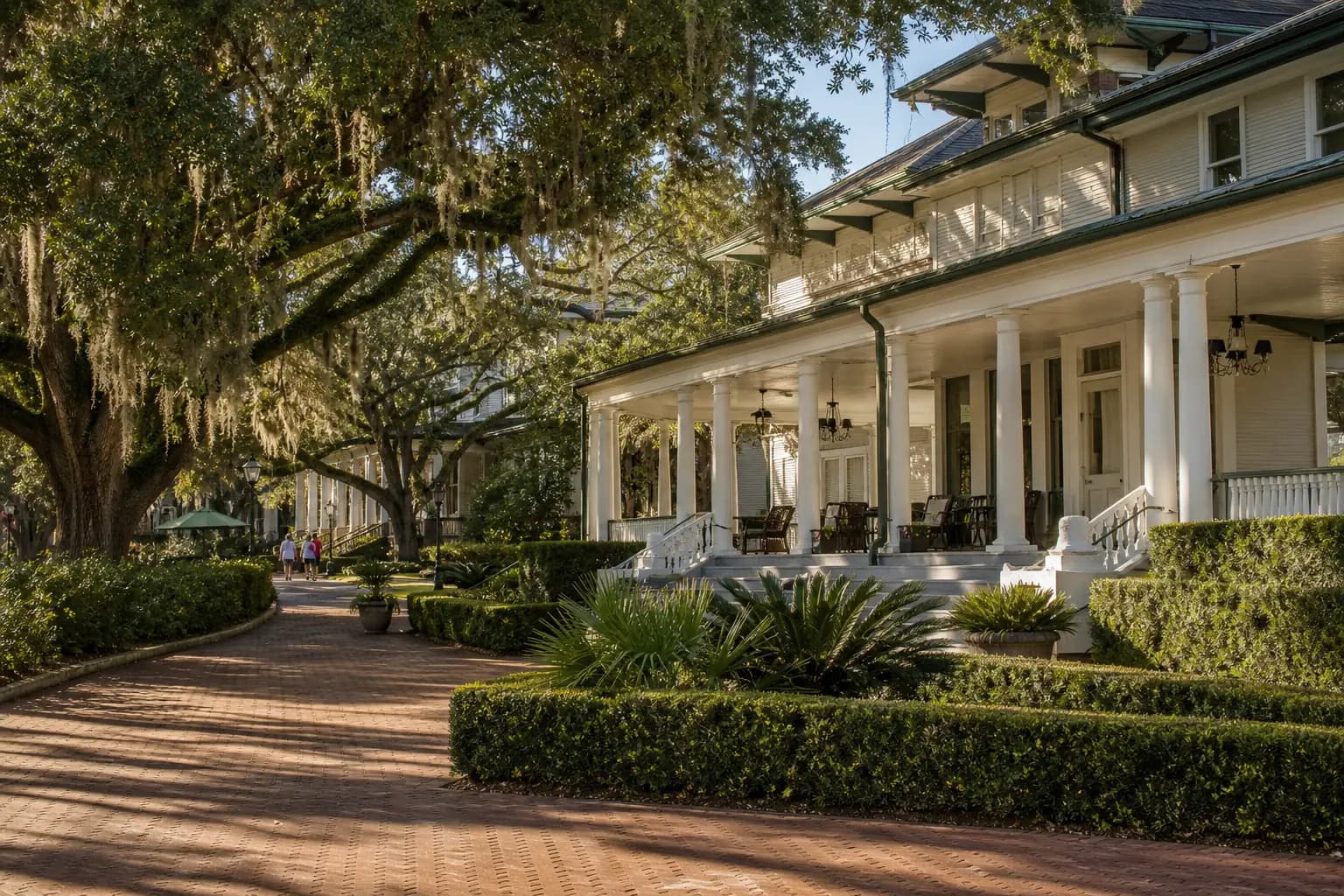
The 1910 Meeting on Jekyll Island
One of Jekyll's national history episodes happened in 1910. By the fall of that year, Nelson Aldrich was persuaded that the United States needed a central bank. The island setting places that financial history beside the club era rather than apart from it.
For a visitor, the story belongs in the Historic District. The same club setting that drew wealthy members also gave the 1910 meeting its physical backdrop. Walking the district helps connect the island's private retreat years with a conversation that reached beyond Georgia.
St. Andrews Beach and Black Leisure History
Jekyll's public era includes an important African American beach story. St. Andrews holds important stories of Africans brought to Jekyll Island and of their descendants who continued the fight for freedom. Its history belongs with the island's plantation, club and public access chapters because it shows how Black visitors and coastal communities shaped the meaning of leisure on Jekyll.
The beach history at St. Andrews also connects Jekyll to the larger story of segregation and access along the Georgia coast. It gives visitors a way to think about who was welcomed, who was excluded and how African American communities created places for rest and gathering. Read together with the island's other historic sites, St. Andrews broadens the story beyond the club cottages and formal landmarks.
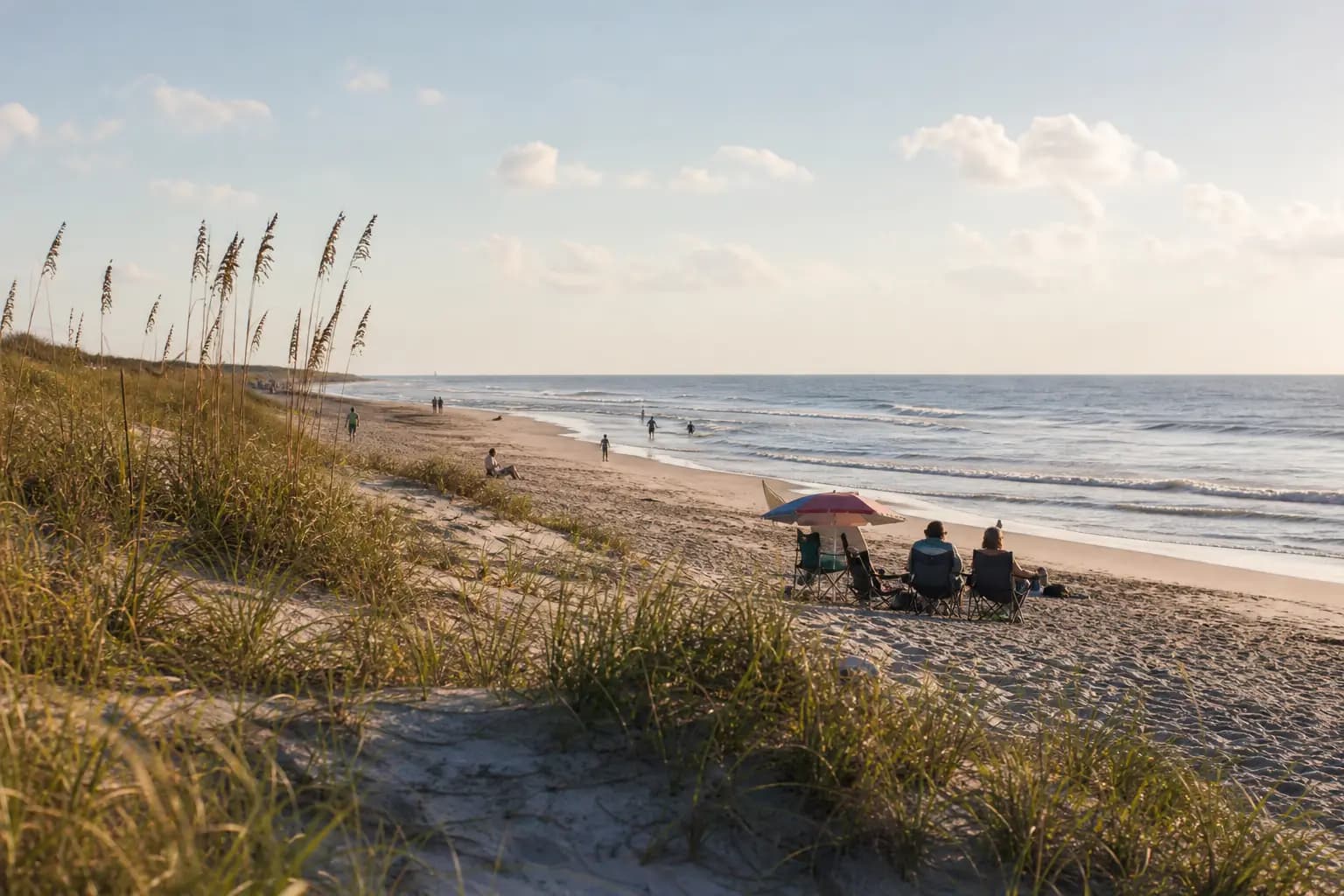
Public Access and What to See Today
Jekyll's later public chapter is why so many layers of the island can be visited today. Mosaic, Jekyll Island Museum, gives visitors a starting point for the island's history. From there, the Historic District, St. Andrews Beach history and the markers along Riverview Drive connect different eras in a compact and readable way.
The places are close enough that the island's history feels connected rather than scattered. A marker near Major Horton Drive points to the DuBignon plantation chapter, while another at 430 Riverview Drive recalls the Confederate battery. At the Jekyll Island Club Wharf, the pleasure craft of the club years bring the private retreat period back into view.
- The DuBignon marker is on Riverview Drive near Major Horton Drive.
- The Confederate Battery marker is at 430 Riverview Drive.
- The Jekyll Island Club Wharf marker is at the Jekyll Island Wharf on Riverview Drive.
Frequently asked questions
Why is Jekyll Island historically important?
Jekyll Island combines Spanish naming, colonial farms, plantation agriculture, club history, Civil War sites, African American beach history and Georgia's public era. Its story includes William Horton, the DuBignon plantations, the Jekyll Island Club, a 1910 financial history episode and St. Andrews Beach.
What was the Jekyll Island Club?
The Jekyll Island Club was the island's private club era, marked from 1886 to 1942. Its membership included Marshall Field, Henry Hyde, J. P. Morgan, Joseph Pulitzer and William K. Vanderbilt.
Why is St. Andrews Beach important?
St. Andrews Beach is important to Jekyll's Black history and to the story of beach access on the Georgia coast. It holds stories of Africans brought to Jekyll Island and of their descendants who continued the fight for freedom.
Where can visitors see Jekyll Island history today?
Visitors can start at Mosaic, Jekyll Island Museum, then spend time in the Historic District and along Riverview Drive. Important visible places include the DuBignon marker, the Confederate Battery marker, the Jekyll Island Club Wharf marker and St. Andrews Beach history sites.
Sources
Checked against each source on November 20, 2026. Opening hours, prices and event dates change, so check with the venue before you go. The illustrations are AI generated and do not show real places.
- Jekyll Island (New Georgia Encyclopedia)
- National Register of Historic Places Inventory, Jekyll Island Historic District (National Park Service)
- Poulain Du Bignon and Du Bignon Burying Ground (Georgia Historical Society)
- Confederate Battery (Georgia Historical Society)
- Jekyll Island Club Wharf (Georgia Historical Society)
More guides in Georgia
History Atlanta
A Short History of AtlantaTrace Atlanta history from Terminus and Civil War railroads to Sweet Auburn, the Georgia Capitol, Underground Atlanta and the 1996 Olympics.
Outdoors Georgia
Georgia State Parks Worth KnowingExplore Georgia state parks for waterfalls, canyons, swamp nights, coastal marsh walks, long trail days and seasonal outdoor ideas.
Events Atlanta
Juneteenth Atlanta: The Annual CelebrationLearn when Juneteenth Atlanta usually takes place, what happens at the parade and music festival, and how Piedmont Park fits the celebration.
History Savannah
A Short History of Savannah, GeorgiaTrace Savannah history from its 1733 founding and city plan to cotton, preservation, civil rights and places to see today.
Sightseeing Albany
Things to Do in Albany GAExplore things to do in Albany GA, from the Flint River and depot district to Civil Rights landmarks, museums, gardens and trails.
Sightseeing Alpharetta
Things To Do In AlpharettaPlan things to do in Alpharetta, from downtown and local history to Avalon, parks, veterans memorials and nearby river outings.