
What Food Is Atlanta Known For?
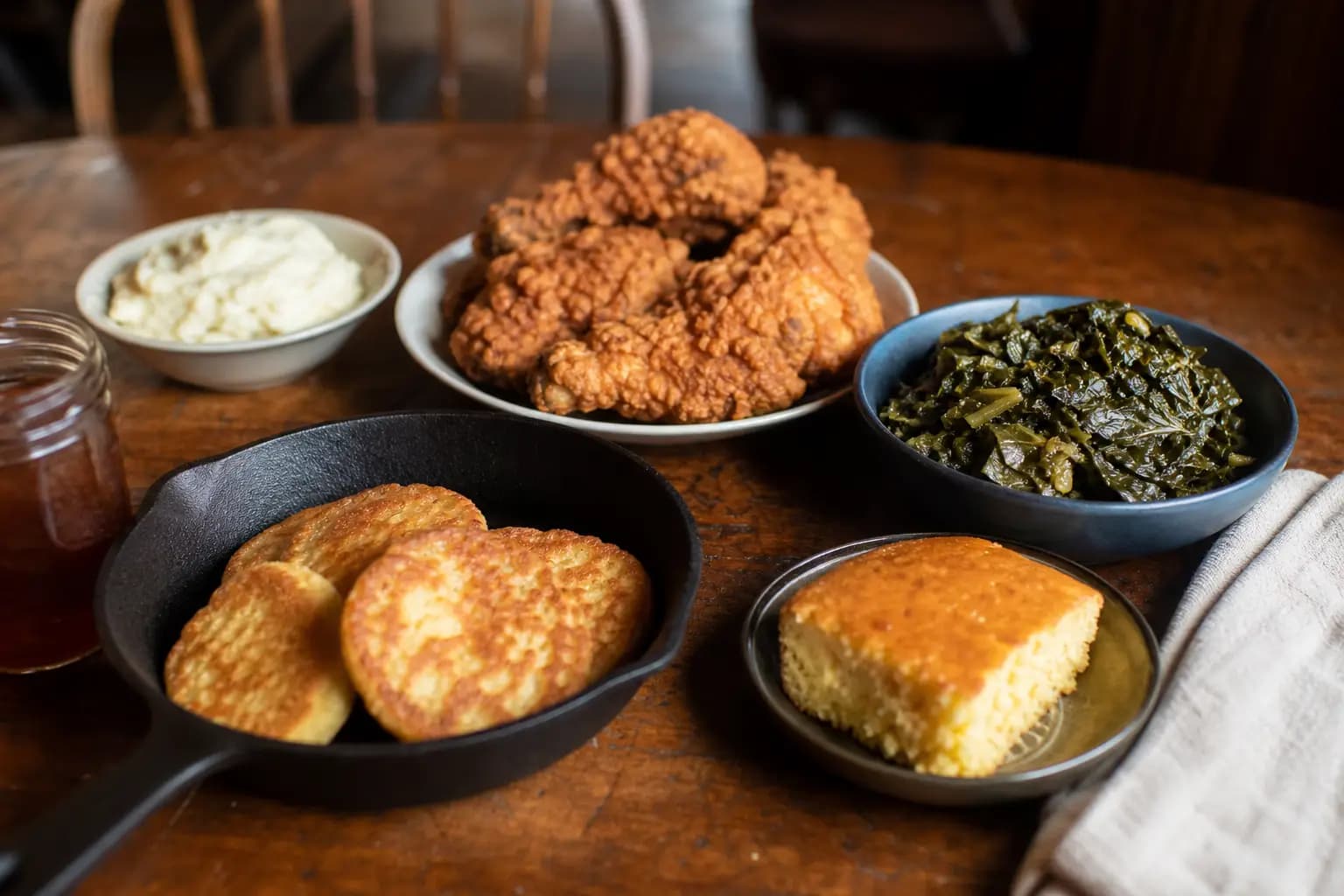
Atlanta's food story runs through Black Southern cooking, Georgia foodways, Buford Highway restaurants, old public markets and modern food halls. Fried chicken, collard greens, cornbread and hoecakes connect the city to Southern tables with deep roots. For wider state context, pair this with what food Georgia is known for, then follow the city through its own markets and neighborhoods.
Key facts
- Atlanta's food story includes Black Southern cooking, Georgia foodways, Buford Highway, public markets and food halls.
- The term "soul food" made its national debut in the late 1960s as a politicized renaming of foods long savored by Black southerners.
- Municipal Market in Sweet Auburn began as an open air market in 1918, and its current building opened in 1924.
- Ponce City Market occupies a former Sears retail store and warehouse distribution center that later became City Hall East.
- Community Farmers Markets vendors are local within 200 miles of Atlanta.
Own a house in Atlanta you are thinking of selling? See how our cash offer works.
Soul Food And Black Southern Cooking
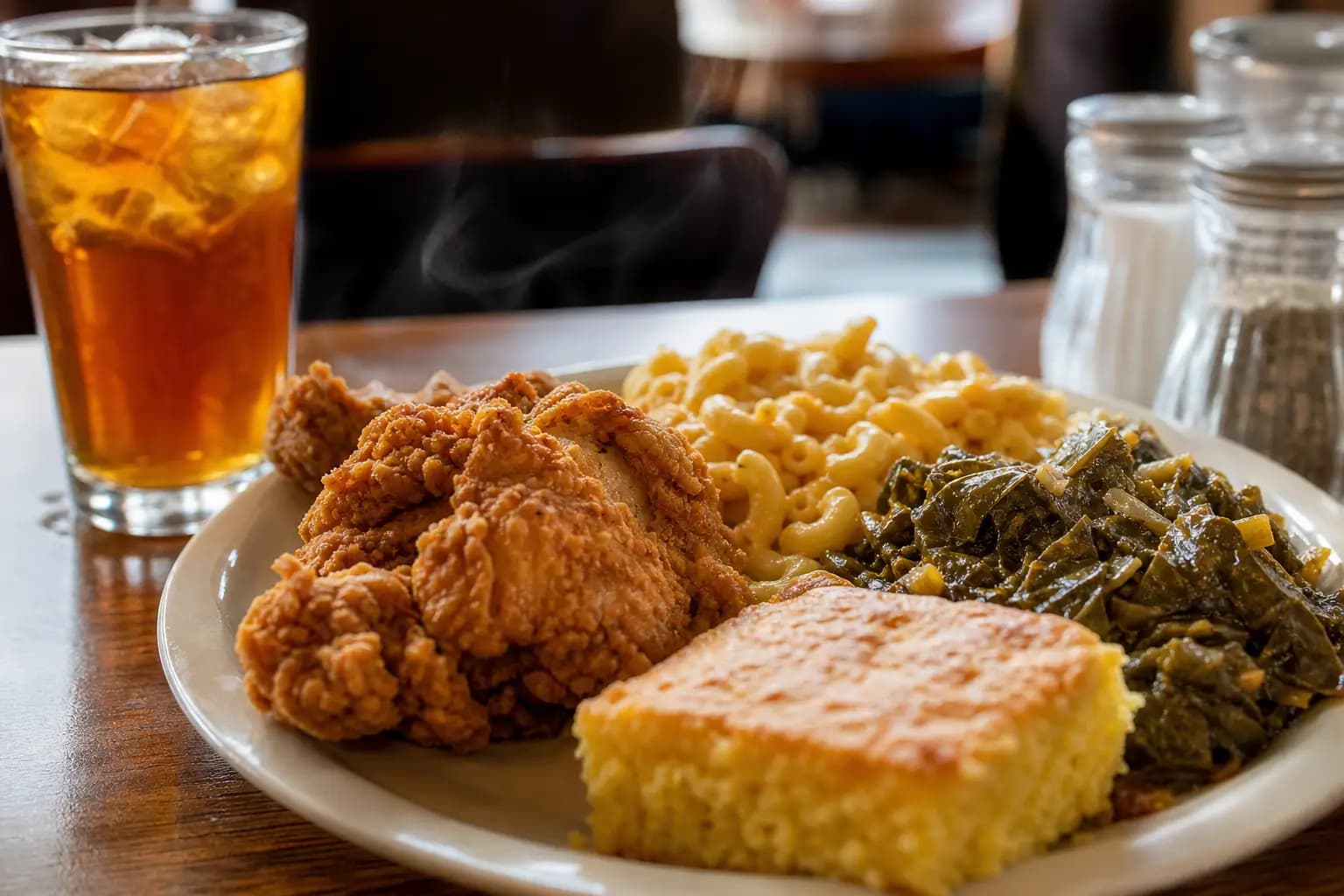
Atlanta's food story runs through Black Southern cooking and soul food. The New Georgia Encyclopedia places the national debut of the term "soul food" in the late 1960s, as a politicized renaming of foods long savored by Black southerners. That context matters when fried chicken, collard greens, cornbread or hoecakes appear on an Atlanta menu.
A 1950s Atlanta example ties the city to that tradition: Deacon Lydell Burton served fried chicken, collard greens and hoecakes in a style described as a modern replication of the traditional midday groaning board. The phrase points to abundance and to the older rural table behind later restaurant cooking. Food also helps explain the city's wider civic story, which you can pair with this short Atlanta history overview.
Georgia Foodways Behind Atlanta Menus
Some Atlanta dishes make more sense when placed in Georgia's older foodways. Before white settlers arrived, Muscogee (Creeks) and Cherokees in present day Georgia cultivated corn and used pounded, soaked kernels in porridge like dishes and breads. That background helps explain why corn breads and vegetable sides feel central rather than ornamental on Southern plates.
Peaches and peanuts also sit behind the city's menus and sweets. Middle Georgia had long savored peaches, and by the early 1900s Georgia had become the nation's leading peach grower. Those crops remain part of the wider Georgia food story that surrounds Atlanta.
Buford Highway And Atlanta As A Dining Crossroads
Atlanta is also a dining crossroads, and Buford Highway is the clearest single corridor for seeing it. Discover Atlanta describes Buford Highway as "one of the country's most ethnically diverse regions." Food is central to that identity, with restaurants connected to the communities that have made the corridor part of Atlanta's table.
That makes Buford Highway part of Atlanta's food identity rather than a side trip from it. The corridor shows how the city's eating habits extend beyond older Southern foodways while still belonging to the same metropolitan story. For visitors, it is one of the most direct ways to understand Atlanta as a city shaped by migration, neighborhood businesses and everyday meals.
Markets And Food Halls With A Past
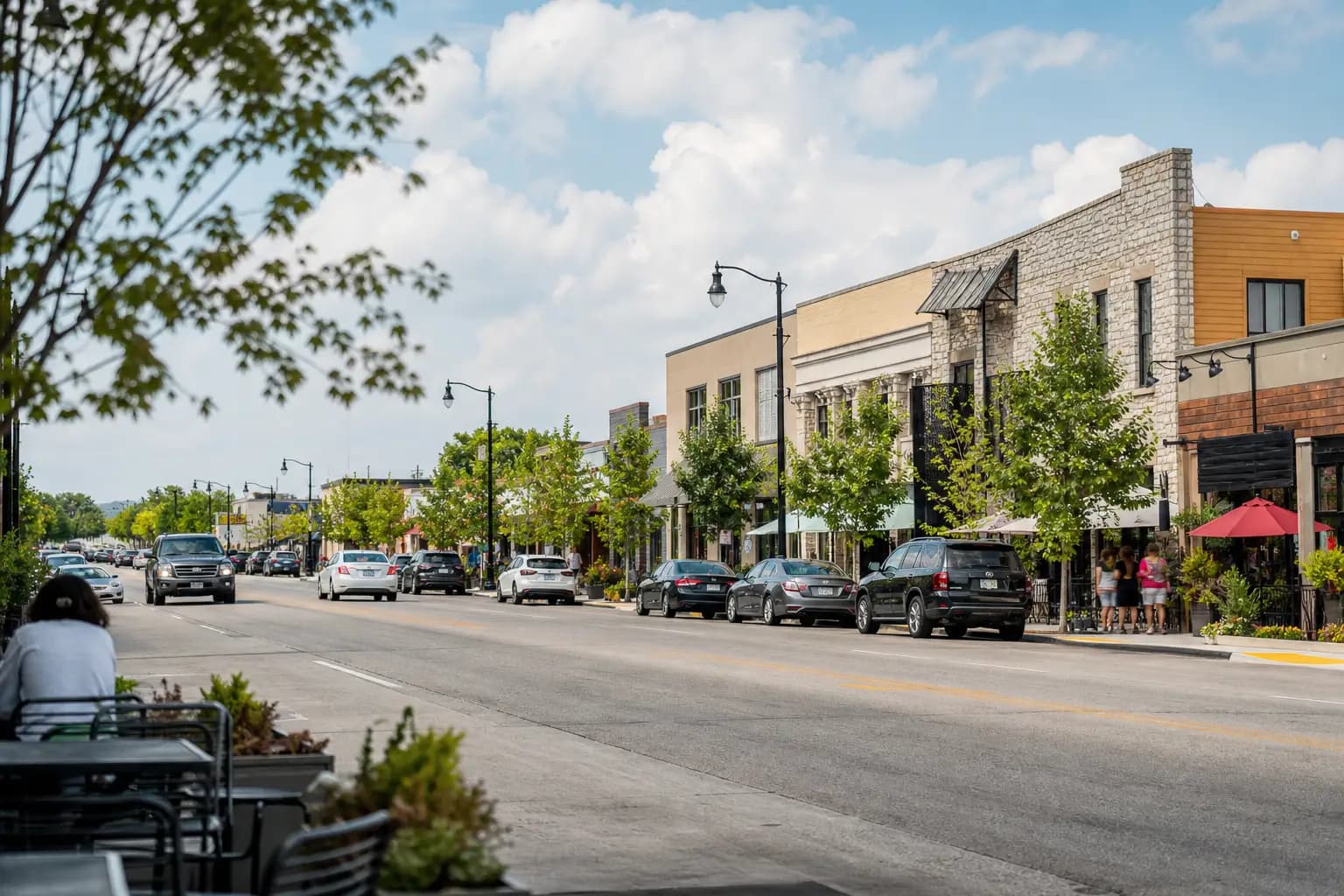
Sweet Auburn's Municipal Market, also called the Curb Market, gives Atlanta food history in a public market setting. It began as an open air market in 1918, and its new building opened in 1924. The market now houses thirty local businesses, including produce sellers, butchers, seafood vendors, retail stores and eateries.
Ponce City Market carries a different kind of food hall history. Sears, Roebuck and Co. of Chicago bought sixteen acres on Ponce de Leon Avenue after the Ponce de Leon amusement park closed in the early 1920s, then used the site for a retail store and warehouse distribution center for the Southeastern United States. The City of Atlanta bought the building in 1991 under Mayor Maynard Jackson, later renaming it City Hall East, and the site now includes shops, the Central Food Hall and BeltLine access.
Farmers Markets And A Southern Food Festival
Farmers markets add the everyday side of Atlanta eating. Community Farmers Markets describes its work as providing access to local food, and its vendors are local within 200 miles of Atlanta. Many of those vendors grow or produce food in the city, which keeps the market table closely tied to the region around Atlanta.
For a festival view of the table, Atlanta Food & Wine Festival focuses on Southern food, wine and community. The festival describes itself as a four day culinary extravaganza spotlighting food, wine, beer and craft spirits of the South and beyond. Its format includes walk around Tasting Tents, Whiskey & Fire and curated tasting experiences, with more than 200 chefs participating.
Frequently asked questions
What foods is Atlanta known for?
Atlanta is known for food traditions rooted in Black Southern cooking and Georgia foodways. The city's food identity also includes Buford Highway restaurants, Municipal Market in Sweet Auburn, Ponce City Market, farmers markets and Atlanta Food & Wine Festival.
What is Buford Highway known for?
Buford Highway is known as a dining corridor connected to Atlanta's immigrant communities. Discover Atlanta describes it as "one of the country's most ethnically diverse regions."
Which Atlanta markets are tied to food history?
Municipal Market in Sweet Auburn began as an open air market in 1918, and its new building opened in 1924. Ponce City Market occupies a former Sears retail store and warehouse distribution center that later became City Hall East before its food hall era.
How do farmers markets fit into Atlanta food?
Community Farmers Markets connects Atlanta shoppers with local food access. Its vendors are local within 200 miles of Atlanta, and many grow or produce food in the city.
Does Atlanta have a food festival focused on Southern cooking?
Atlanta Food & Wine Festival focuses on Southern food, wine and community. It is a four day event spotlighting food, wine, beer and craft spirits of the South and beyond.
Sources
Checked against each source on November 23, 2026. Opening hours, prices and event dates change, so check with the venue before you go. The illustrations are AI generated and do not show real places.
- Foodways (New Georgia Encyclopedia; Georgia Humanities and University of Georgia Press)
- The Municipal Market (The Municipal Market in Sweet Auburn)
- History (Ponce City Market)
- Community Farmers Markets (Community Farmers Markets)
- Atlanta Food & Wine Festival (Atlanta Food & Wine Festival)
More guides in Georgia
Sightseeing Atlanta
What To See At The Atlanta Botanical GardenSee what to visit at Atlanta Botanical Garden, from Flower Walk and Fuqua Conservatory to Storza Woods, orchids, seasonal displays and trip basics.
History Atlanta
A Short History of AtlantaTrace Atlanta history from Terminus and Civil War railroads to Sweet Auburn, the Georgia Capitol, Underground Atlanta and the 1996 Olympics.
Events Atlanta
Juneteenth Atlanta: The Annual CelebrationLearn when Juneteenth Atlanta usually takes place, what happens at the parade and music festival, and how Piedmont Park fits the celebration.
History Atlanta
What to Know About the Martin Luther King Birth Home in AtlantaLearn the history of Martin Luther King Jr.'s birth home on Auburn Avenue, from its 1895 house to the family, church and street.
Events Macon
What Is The Macon Cherry Blossom Festival?Learn when Macon's Cherry Blossom Festival happens, why the Yoshino trees matter, and what to expect from parades, concerts, and park events.
Outdoors Georgia
Georgia State Parks Worth KnowingExplore Georgia state parks for waterfalls, canyons, swamp nights, coastal marsh walks, long trail days and seasonal outdoor ideas.