
A Short History of Memphis
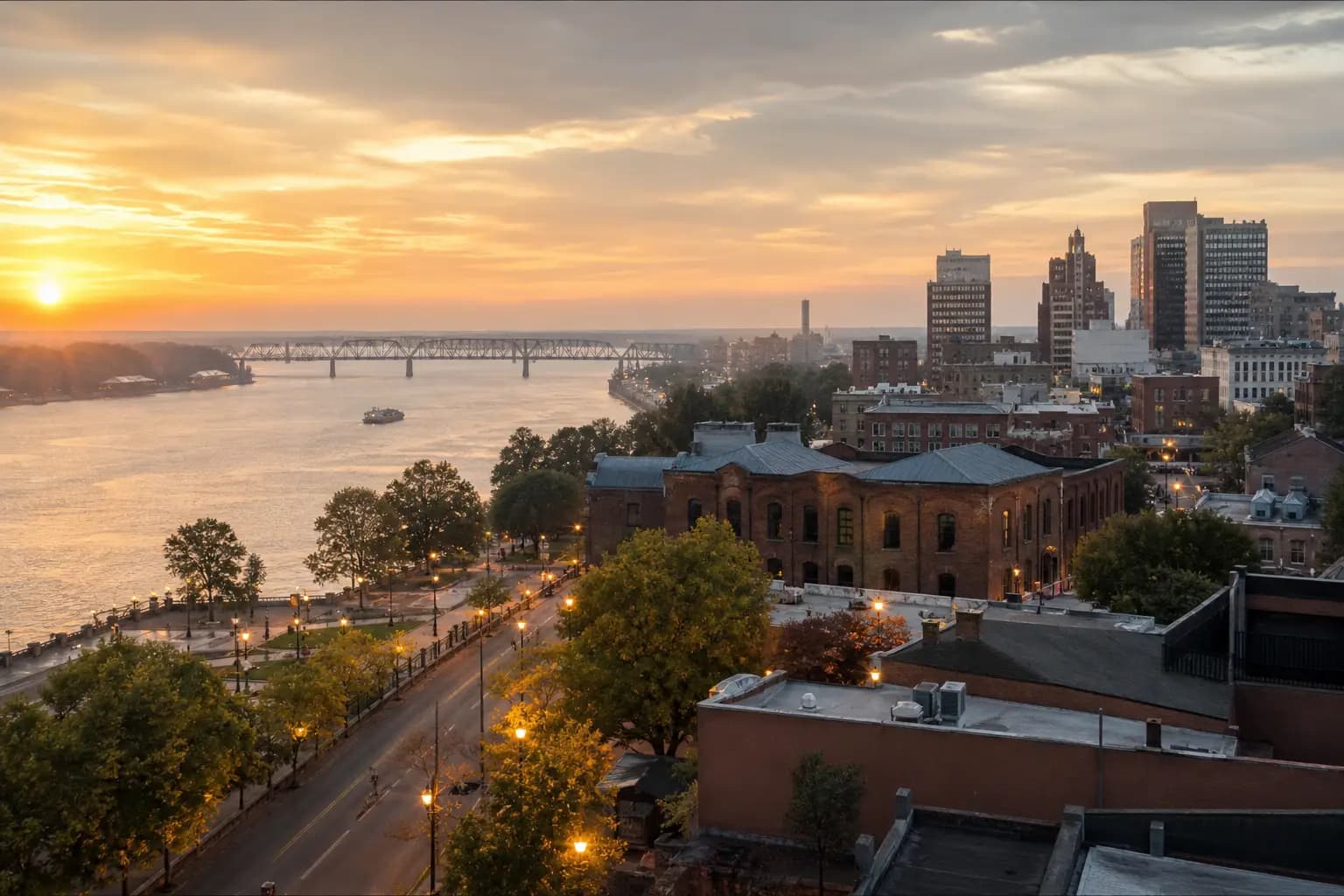
Memphis history begins long before the American city, with Indigenous communities, Chickasaw homelands and the Mississippian site now preserved at Chucalissa. The city's story includes the Civil War, yellow fever, Beale Street, Black business, blues music and civil rights memory. Today, much of that story is still visible downtown, on Beale Street, at Chucalissa and at the Lorraine Motel.
Key facts
- The C.H. Nash Museum Chucalissa preserves a Mississippian site whose first town was founded around 1000 C.E.
- The Lorraine Motel was built in 1925 and later converted into the National Civil Rights Museum.
Own a house in Memphis you are thinking of selling? See how our cash offer works.
Before Memphis: Chucalissa And Indigenous History
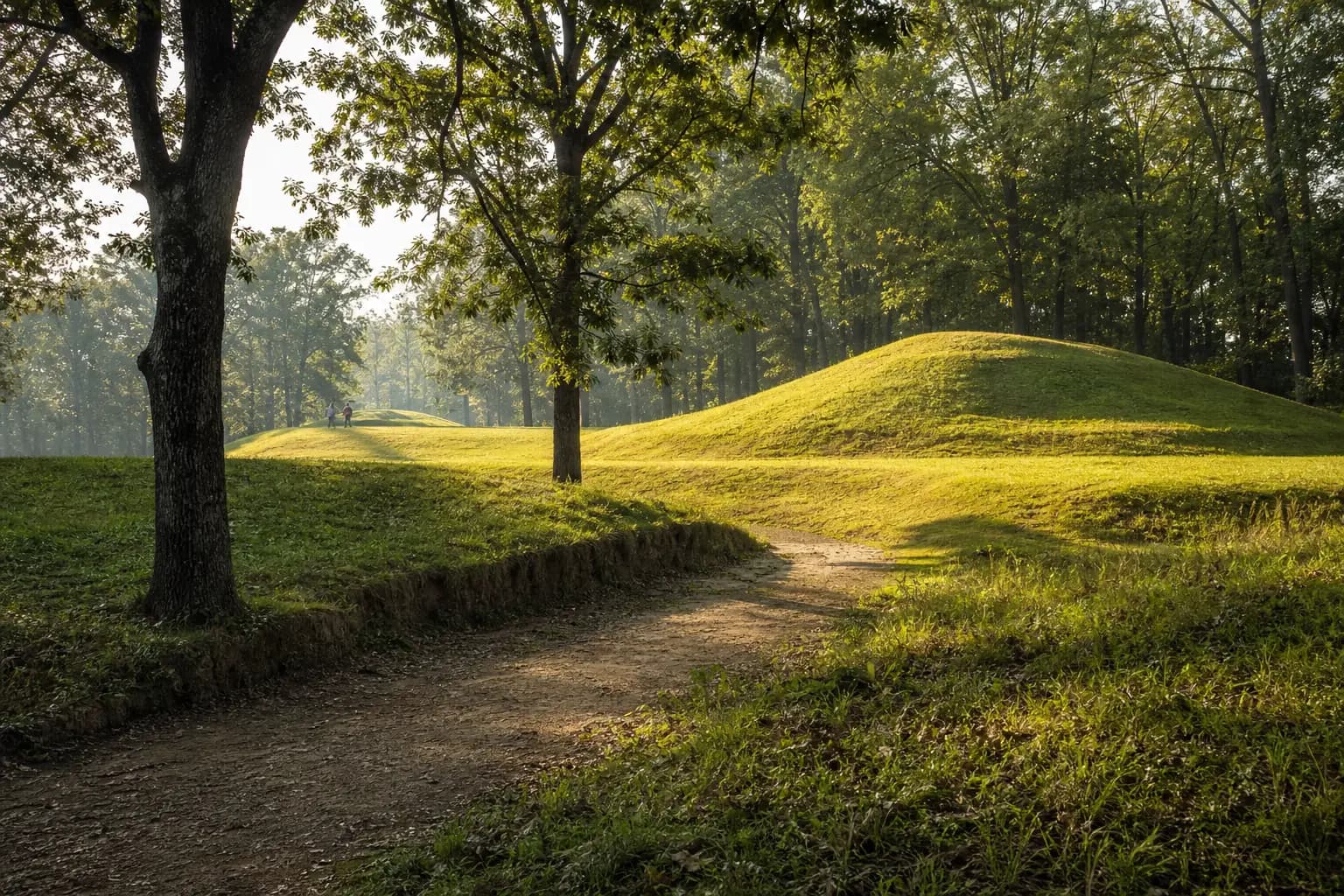
Memphis history starts before the American city. At Chucalissa, the first town was founded around 1000 C.E., and the site later entered a mound building phase. Today, the C.H. Nash Museum Chucalissa gives visitors a concrete place to begin the story, and the site has been declared a National Historic Landmark. Starting at Chucalissa puts downtown Memphis in a longer timeline: the American city came after generations of Native history in the region.
Civil War Memphis
The Civil War turned Memphis's river position into a military prize. During the February to June 1862 campaign, Union boats arrived off Memphis at about 5:30 am, and Union boats sank or captured all but one of the opposing vessels. The Mississippi riverfront is the place to picture this chapter. Memphis's wartime story is not only a battlefield story, but also a story of a river city whose trade routes and location made it matter.
Yellow Fever And Civic Reinvention
Yellow fever reshaped Memphis in the years after the Civil War. Growth, commerce and confidence gave way to fear, loss and civic crisis. In Memphis, sanitation, sewerage and civic government became central to recovery, so this chapter is visible less as one monument than as a turning point in how the city understood survival.
Beale Street, Black Business And Blues
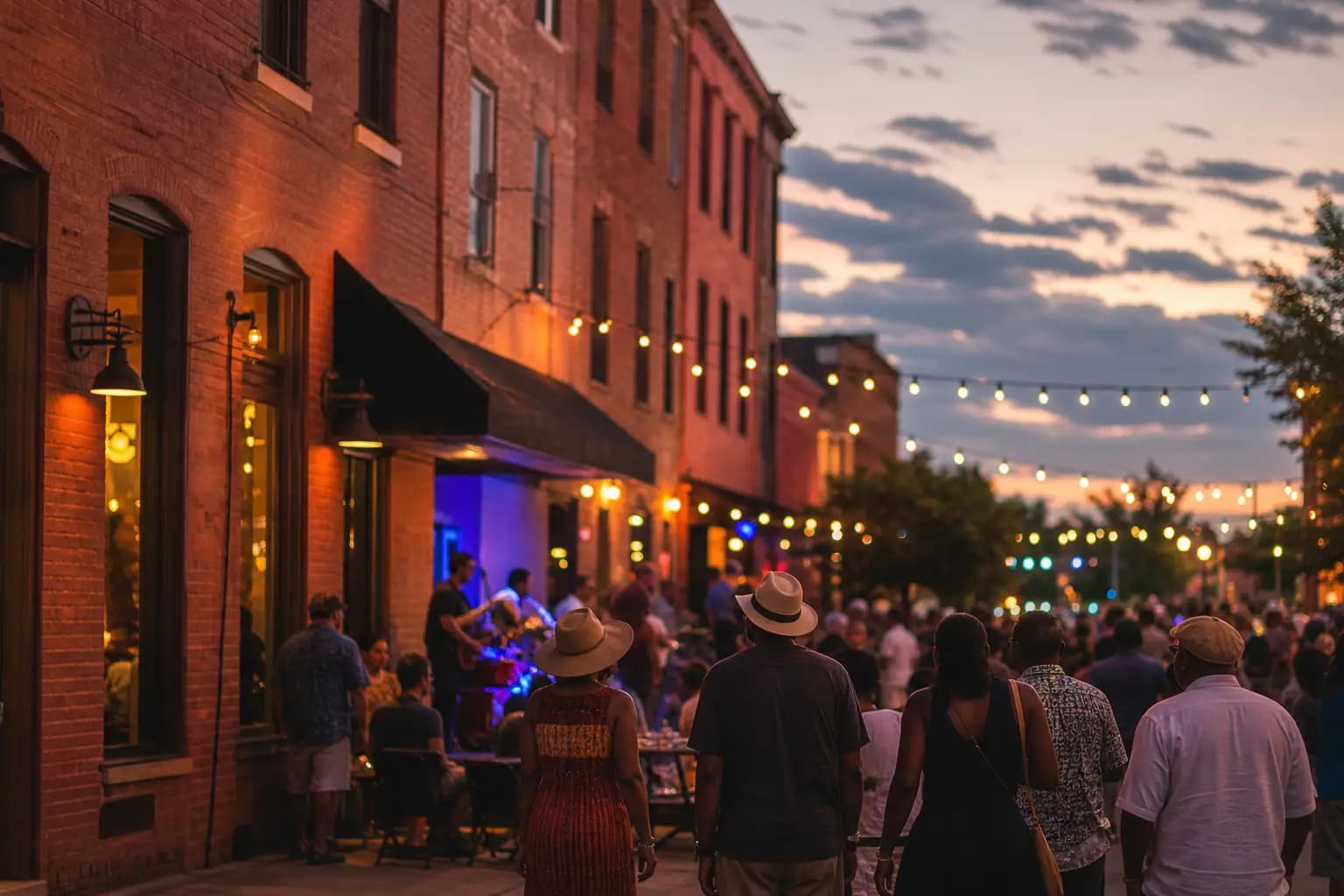
Beale Street became one of the great public stages of Memphis history. It is part of the city's cultural and music memory, and the Tennessee Encyclopedia describes Beale Street as a cultural center and local headquarters. A walk on Beale Street today layers music tourism over older civic and cultural history. Its National Historic Landmark district status points to the weight of what happened on and around the avenue.
The Lorraine Motel, Civil Rights And Modern Memphis
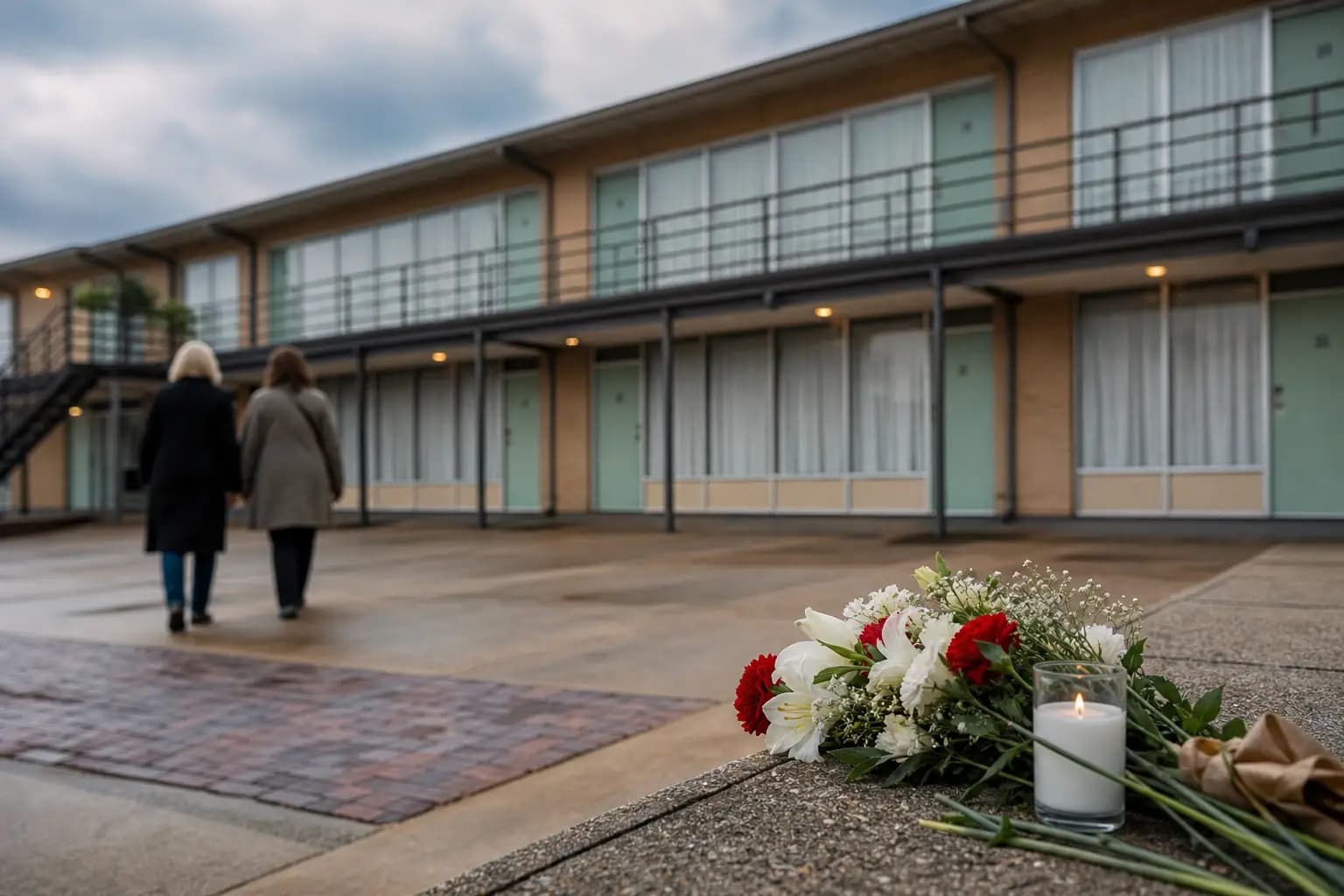
The Lorraine Motel brings Memphis history into the civil rights era with unusual force. Built in 1925, it became the site of Rev. Dr. Martin Luther King Jr.'s 1968 assassination during the sanitation strike. The motel was later converted into the National Civil Rights Museum, and its preserved setting remains one of the city's defining historic places.
For a deeper look at this site, see the related page on the National Civil Rights Museum and the Lorraine Motel.
Frequently asked questions
What was in the Memphis area before the city was founded?
The area's history includes Indigenous communities and Chickasaw homelands. At Chucalissa, the first town was founded around 1000 C.E., and the site later had a mound building phase.
What happened in Memphis during the Civil War?
During a Civil War campaign on the Mississippi River, Union boats arrived off Memphis at about 5:30 am. They sank or captured all but one of the opposing vessels.
Why is Beale Street important to Memphis history?
Beale Street is part of Memphis's cultural and music history. The Tennessee Encyclopedia describes it as a cultural center and local headquarters, and it is a National Historic Landmark district.
How did yellow fever change Memphis?
Yellow fever reshaped Memphis in the years after the Civil War. Sanitation, sewerage and civic government became central to the city's recovery story.
What is the Lorraine Motel's place in Memphis history?
The Lorraine Motel was built in 1925 and became the site of Rev. Dr. Martin Luther King Jr.'s 1968 assassination. It was later converted into the National Civil Rights Museum.
Sources
Checked against each source on November 20, 2026. Opening hours, prices and event dates change, so check with the venue before you go. The illustrations are AI generated and do not show real places.
- About C.H. Nash Museum Chucalissa, Chucalissa (University of Memphis)
- Battle Detail, Memphis I (National Park Service)
- Tennessee: The Lorraine Motel (National Park Service)
More guides in Tennessee
History Memphis
Civil Rights Museum Memphis: What To KnowLearn the story behind Memphis's National Civil Rights Museum, from the Lorraine Motel and 1968 sanitation strike to the exhibits visitors see.
Food Memphis
What makes Memphis BBQ different?Learn about Memphis barbecue traditions, from downtown rib history and local dishes to the May cooking contest in Tennessee.
Events Memphis
Memphis In May: The City's Month Long FestivalLearn what Memphis in May includes, from the barbecue contest and international salute to the river run and festival history.
Sightseeing Memphis
What is Memphis, Tennessee Known For?Learn what Memphis is known for, from Beale Street and Civil Rights history to Elvis sites, Sun Studio, Stax, parks and Big River Crossing.
History Chattanooga
A Short History of ChattanoogaExplore Chattanooga history from Moccasin Bend and Ross's Landing to railroads, Civil War sites, TVA, air cleanup and riverfront renewal.
History Nashville
A Short History of NashvilleLearn how Nashville grew from Fort Nashborough on the Cumberland River to the Capitol, Fisk University, Civil War sites, and music landmarks.