
A Short History of Tennessee

Tennessee history can be read through places that still carry the story: Shiloh's Indian mounds and Civil War battlefield, sites tied to Cherokee Removal, Knoxville's Market Square suffrage memorial and TVA's Depression era legacy. A short version takes in removal, Shiloh, women's suffrage, New Deal change and twentieth century public memory. For more trip planning around the state, start with Tennessee places to explore.
Key facts
- Shiloh National Military Park includes seven Indian mounds and preserves a Civil War battlefield.
- The Cherokee Removal of 1837 to 1839 is commonly known as the Trail of Tears.
- On August 18, 1920, Tennessee became the 36th state to ratify the 19th Amendment.
Own a house in Tennessee you are thinking of selling? See how our cash offer works.
Indigenous Beginnings Before Statehood
Shiloh National Military Park holds an older layer of Tennessee history beside its Civil War landscape. The park includes seven Indian mounds, giving visitors a place to see history that reaches beyond the battlefield story. In the same visit, the mounds and the battlefield stops can be read together as two very different chapters on the same ground.
Cherokee Removal and the Trail of Tears
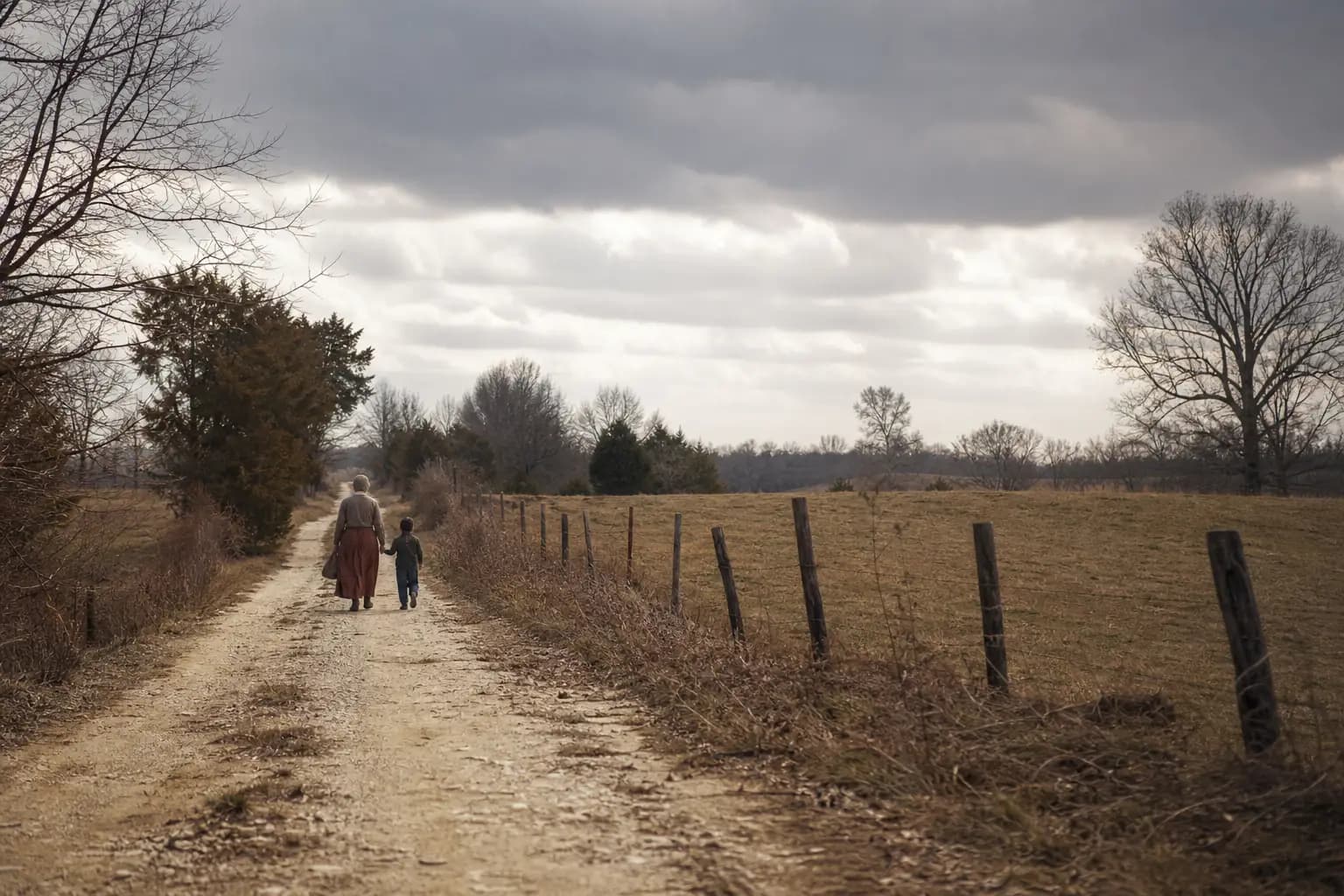
One of the most painful chapters in Tennessee history is the Cherokee Removal of 1837 to 1839. The story includes the Treaty of New Echota, forced gathering by the U.S. Army and state militias, and emigrating depots used before removal. The removal routes included two depots in Tennessee and one in Alabama.
This forced migration is commonly known as the Trail of Tears. In a statewide timeline, the removal period is a sober chapter alongside battlefield history, women's suffrage and Depression era change. It remains one of the central nineteenth century stories connected to Tennessee and the wider Southeast.
Civil War Battlefields
Shiloh National Military Park is one of the clearest places to see Tennessee's Civil War period on the ground. The battle is also known as the Battle of Shiloh or Pittsburg Landing. Visitors can see monuments, a cemetery, the Sunken Road, earthworks and Indian mounds, so the park carries both battlefield history and an older story in the same landscape.
Suffrage and the TVA
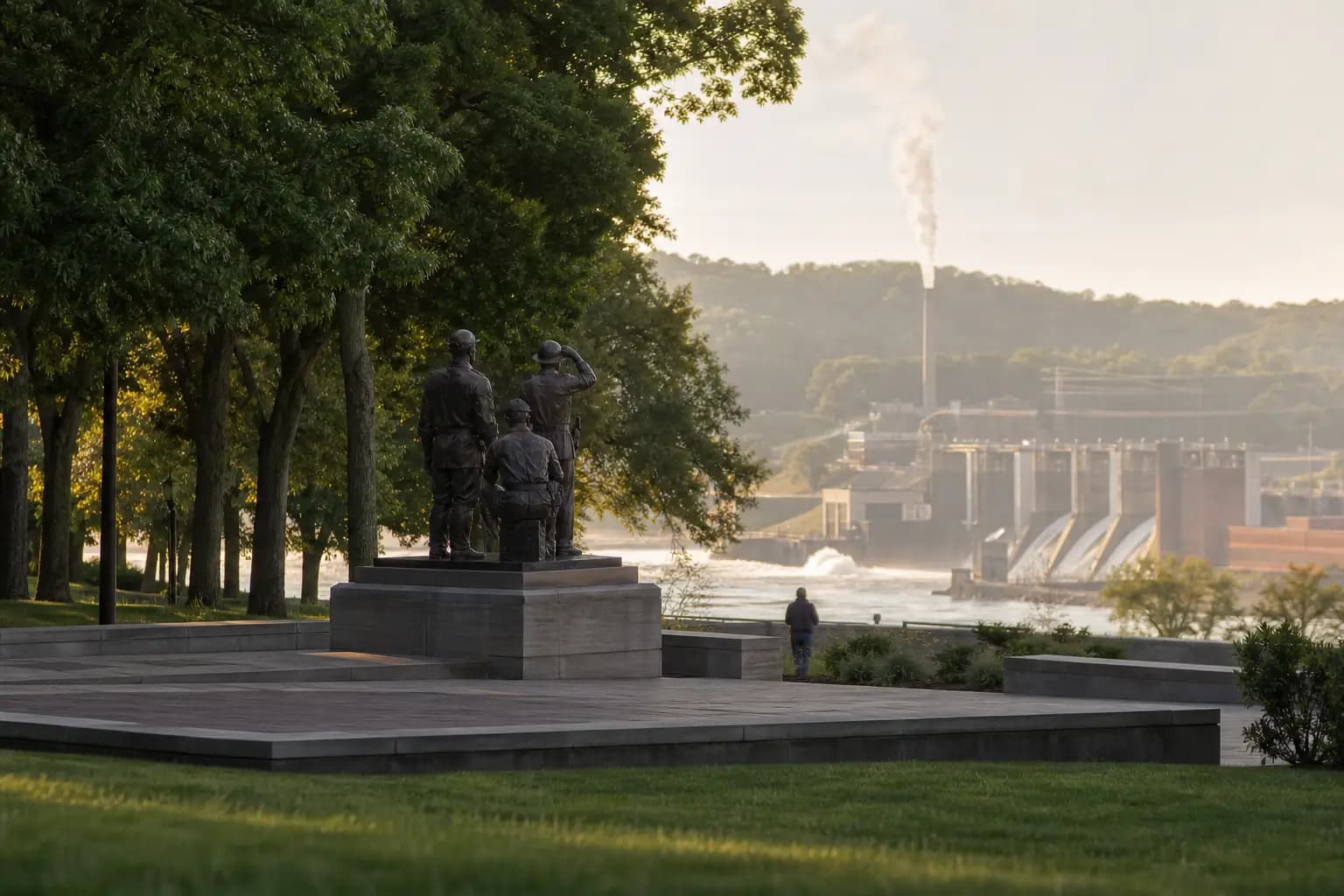
Tennessee had a decisive role in national women's suffrage. On August 18, 1920, the state legislature ratified the 19th Amendment, and Tennessee became the 36th state to ratify it. Harry Burn and the influence of his mother, Phoebe, belong to that story, and Knoxville's Market Square suffrage memorial gives visitors a public place to connect with it.
The New Deal brought another major change through the Tennessee Valley Authority. Its work is part of the state's Depression era story, along with electricity, reforestation and regional modernization. Together, suffrage and TVA show how twentieth century Tennessee connected state places with national change.
Frequently asked questions
What is the short version of Tennessee history?
A short version moves from Shiloh's Indian mounds to Cherokee Removal, the Civil War battlefield at Shiloh, women's suffrage and New Deal changes through TVA.
Where can visitors see Indigenous history in Tennessee?
Shiloh National Military Park includes seven Indian mounds, alongside its Civil War battlefield.
How is Tennessee connected to the Trail of Tears?
The Cherokee Removal of 1837 to 1839 included the Treaty of New Echota, forced gathering by the U.S. Army and state militias, and emigrating depots. Two of those depots were in Tennessee.
Where can visitors see Civil War history in Tennessee?
Shiloh National Military Park preserves the battlefield also known as the Battle of Shiloh or Pittsburg Landing. Visitors can see monuments, a cemetery, the Sunken Road, earthworks and Indian mounds.
What role did Tennessee play in women's suffrage?
On August 18, 1920, Tennessee became the 36th state to ratify the 19th Amendment. Harry Burn and his mother, Phoebe, are part of that story, and Knoxville's Market Square suffrage memorial connects visitors to it today.
Sources
Checked against each source on November 20, 2026. Opening hours, prices and event dates change, so check with the venue before you go. The illustrations are AI generated and do not show real places.
- Introduction: Transportation During the Cherokee Removal 1837 to 1839 (National Park Service)
- Tennessee: Shiloh National Military Park (National Park Service)
- Tennessee and the 19th Amendment (National Park Service)
More guides in Tennessee

History Chattanooga
A Short History of ChattanoogaExplore Chattanooga history from Moccasin Bend and Ross's Landing to railroads, Civil War sites, TVA, air cleanup and riverfront renewal.
History Memphis
Civil Rights Museum Memphis: What To KnowLearn the story behind Memphis's National Civil Rights Museum, from the Lorraine Motel and 1968 sanitation strike to the exhibits visitors see.
History Nashville
A Short History of NashvilleLearn how Nashville grew from Fort Nashborough on the Cumberland River to the Capitol, Fisk University, Civil War sites, and music landmarks.
Events Chattanooga
What Is Riverbend Festival In Chattanooga?Learn Riverbend Festival's June tradition, Ross's Landing setting, riverfront history and practical notes for a Chattanooga visit.
Sightseeing Franklin
Things to Do in Franklin TNPlan things to do in Franklin TN with the Franklin Historic District, Civil War sites, house museums and the Double Arch Bridge near town.
Sightseeing Jackson
Things to Do in Jackson, TNExplore things to do in Jackson TN, from Casey Jones railroad history and downtown art to Cypress Grove, Bemis and Pinson Mounds.