
Things to Do in Memphis, Tennessee
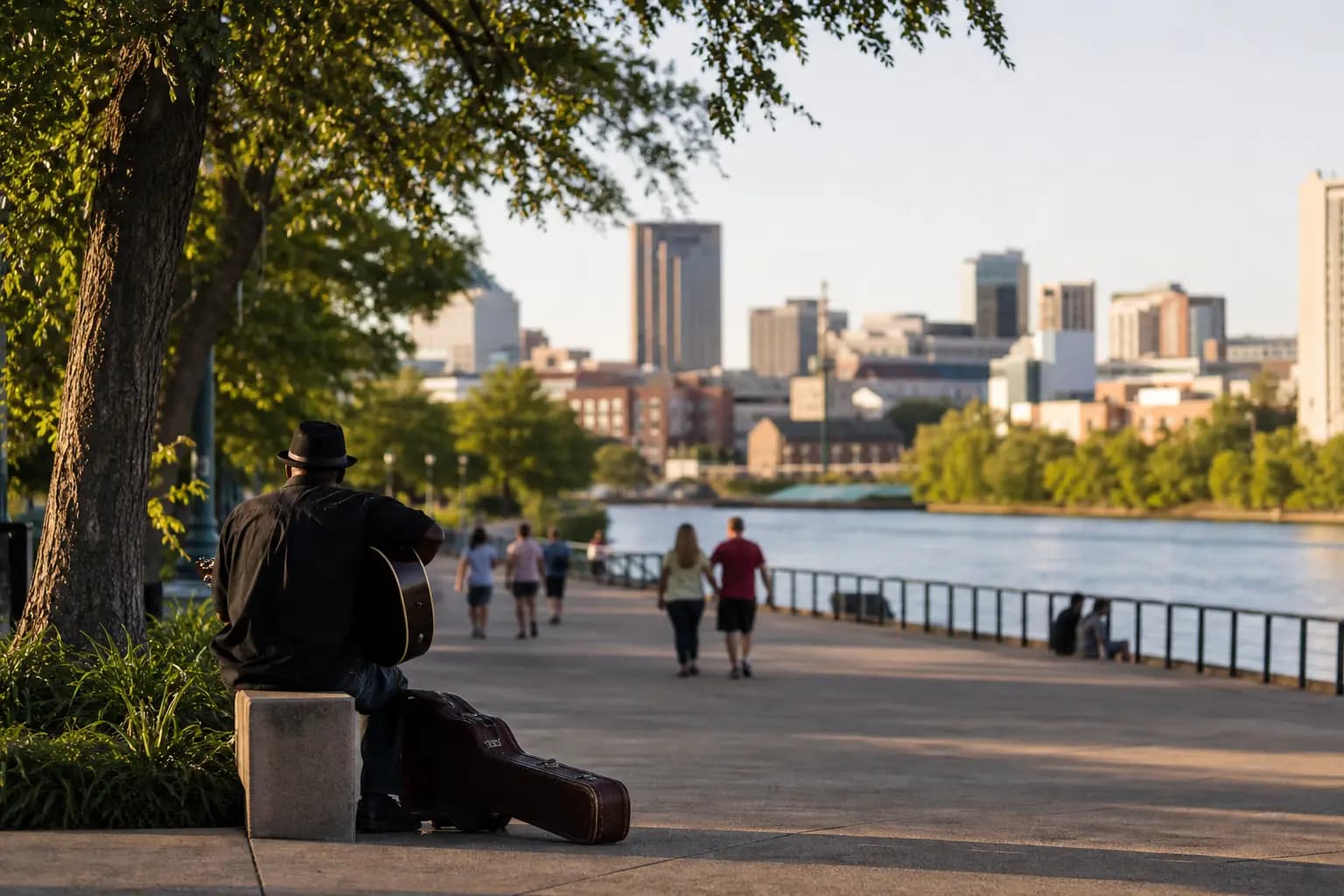
Things to do in Memphis often start with places where the city's public story is easy to see: Beale Street, Graceland, the former Lorraine Motel, Stax, and the Mississippi riverfront. The city rewards a trip that mixes music landmarks with museum time, then adds walks through Overton Park, Tom Lee Park, South Main and Cooper-Young. Chucalissa adds a much older layer, with a prehistoric American Indian mound complex.
Key facts
- Beale Street is tied to Memphis blues history.
- Graceland was Presley's primary residence and has operated as a house museum since 1982.
- The National Civil Rights Museum was established in 1991 at the former Lorraine Motel.
- Tom Lee Park is a 31 acre riverfront landscape, and Big River Crossing is nearly a mile long.
- Overton Park has more than 8 miles of trails and 126 acres of protected old growth forest.
Own a house in Memphis you are thinking of selling? See how our cash offer works.
Beale Street And The Blues
Beale Street gives visitors an easy place to begin Memphis's music story. A walk here orients you to a theme that appears again at Graceland and Stax: music history tied to specific streets, places and buildings. For sightseeing, think of Beale Street as a street to walk rather than a single attraction.
This is a good stop to pair with other music sites during the same trip. Graceland brings the story into Presley's home, while Stax connects visitors with soul music through a museum collection and studio space. Beale Street adds the street level setting, which helps Memphis music history feel rooted in the city itself.
Graceland
Graceland was Presley's primary residence, which is why it belongs on a music focused Memphis itinerary. It has operated as a house museum since 1982, so the sightseeing experience centers on a home rather than a conventional gallery. That house museum format gives the stop a personal scale within a city known for music landmarks.
Pair Graceland with Beale Street if you want to connect a famous music street with a personal residence. The two stops approach Memphis music memory in different ways, one through a public street and one through a private home opened to visitors. Together, they make a useful frame for a music focused day in Memphis.
National Civil Rights Museum And The Lorraine Motel
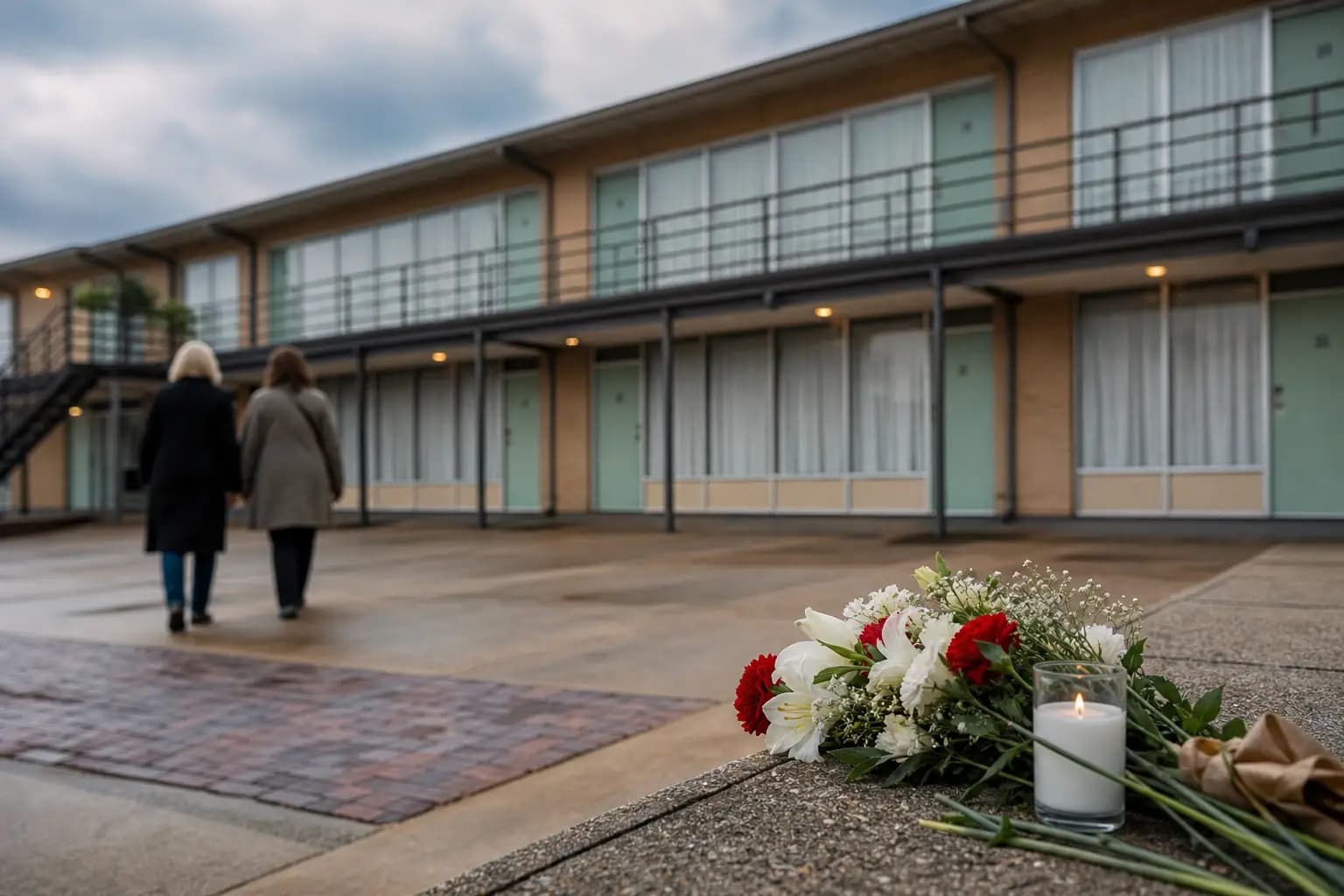
Established in 1991, the National Civil Rights Museum occupies the former Lorraine Motel. The museum includes interactive exhibits and historic collections, so the visit combines a historic place with a museum format.
For sightseeing, this is both a place based historic site and a museum visit. The building matters because the Lorraine Motel is part of the visit, and the exhibits give visitors a structured way to spend time with civil rights history. For a deeper companion read, see the National Civil Rights Museum and Lorraine Motel guide.
Stax Museum Of American Soul Music
Stax Museum of American Soul Music presents its story from a site it calls the true birthplace of soul music. Inside its collection are a circa 1906 Mississippi Delta church and Studio A, where visitors can stand.
The appeal is physical as well as musical: the church, studio space and collection turn soul history into places a visitor can stand in. Stax also pairs naturally with Beale Street and Graceland because each stop ties Memphis music to a specific location.
Tom Lee Park And Big River Crossing
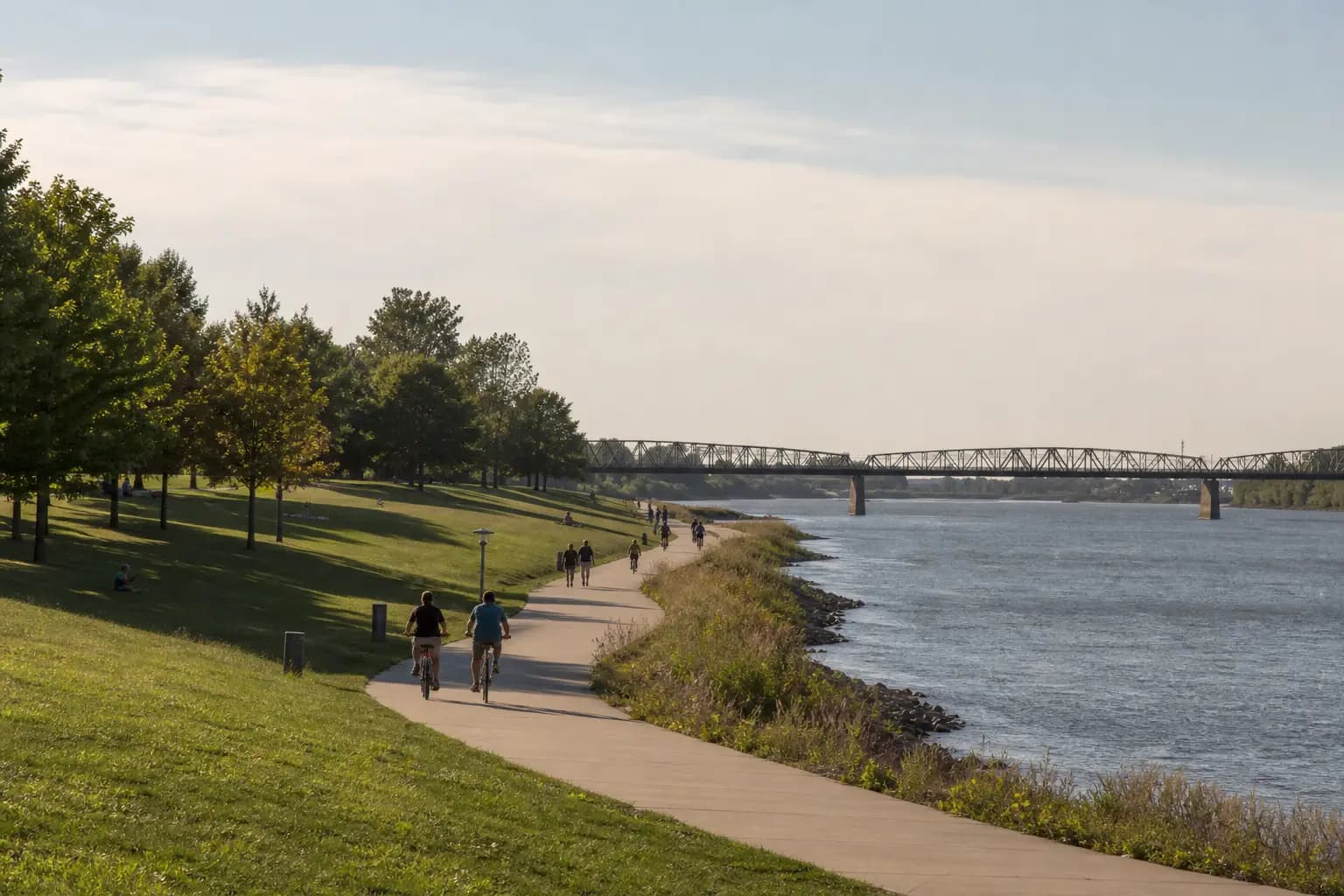
Tom Lee Park is a 31 acre natural riverfront landscape, and scenic pathways meander through it. The park's name also carries the story of Tom Lee, who saved 32 people from drowning.
Big River Crossing adds a different Mississippi view. It is nearly a mile in length and is the longest public pedestrian and cyclist bridge across the Mississippi. From the crossing, visitors can also take in views of the Memphis skyline.
Overton Park
Overton Park covers 342 acres and gives Memphis visitors a broad outdoor stop between museum visits. It has over 8 miles of trails and 126 acres of protected old growth forest, which makes walking the main draw.
The park works well when a Memphis trip needs an outdoor counterpoint to Beale, Graceland or Stax. You can focus on the trails, spend time with the old growth forest, or use the park as a cultural stop within a larger sightseeing day.
Chucalissa
Chucalissa is a National Historic Landmark connected to a prehistoric American Indian mound complex. Its visitor experience includes a Native American Replica House, which gives the site a clear visual focus beyond the mound complex itself.
This stop broadens a Memphis trip beyond music, the riverfront and civil rights history. It places Indigenous history into the same itinerary as the city's better known museums and historic districts. For visitors building a longer Memphis itinerary, Chucalissa adds a much older layer to the area's story.
South Main And Cooper-Young
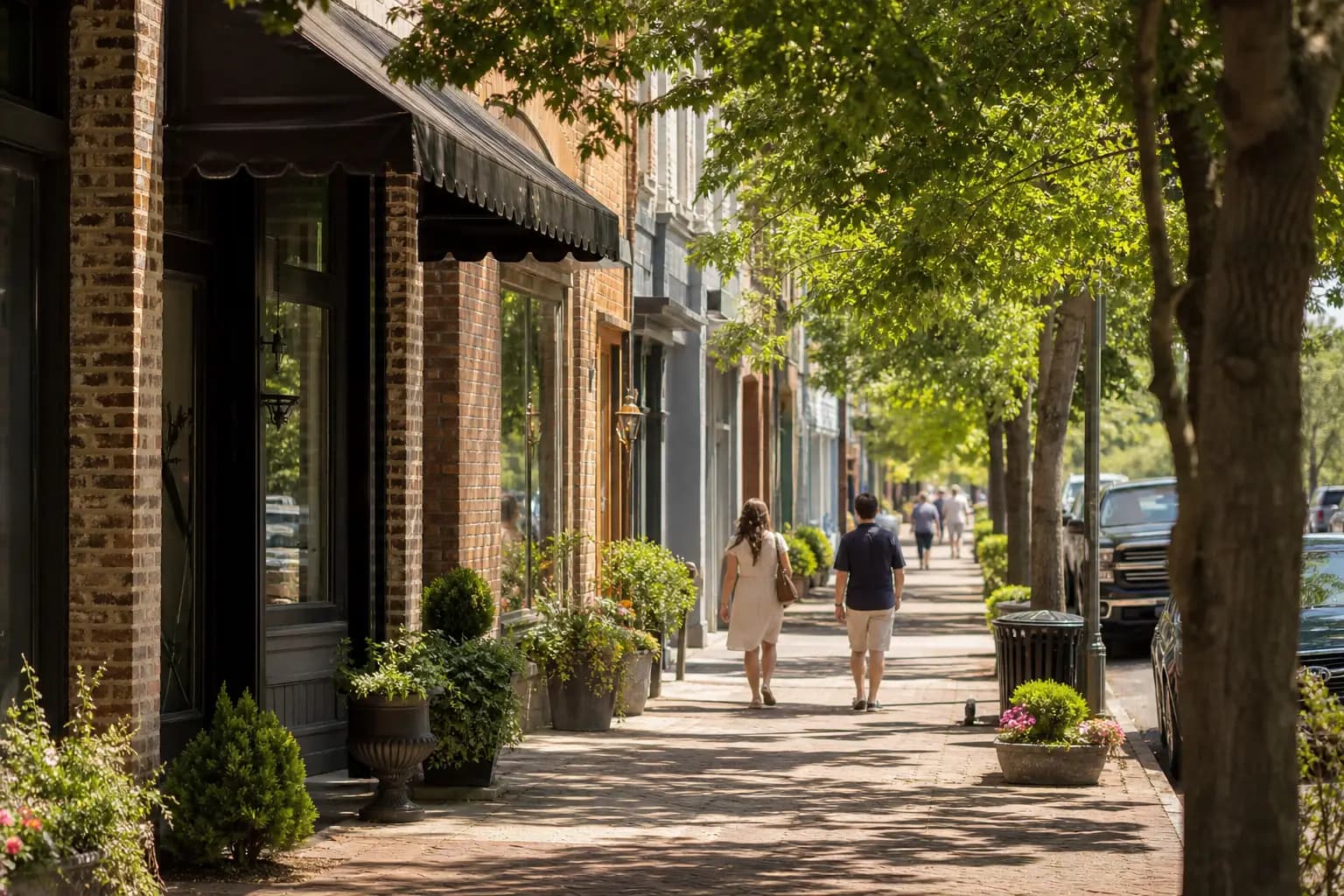
South Main Street Historic District is an eleven block district, which makes it practical as a walking area rather than a quick stop. The point is to take in a named historic district block by block instead of treating it as one doorway or exhibit. Cooper-Young can also fit into a Memphis trip as a neighborhood walk, giving this part of the itinerary a looser pace after South Main.
Frequently asked questions
What are the classic things to do in Memphis for a first visit?
Start with Beale Street, Graceland, the National Civil Rights Museum, Stax Museum of American Soul Music and the riverfront. Those stops cover music history, a historic house museum, civil rights history and outdoor views along the Mississippi.
Where can I walk by the Mississippi in Memphis?
Tom Lee Park is a 31 acre natural riverfront landscape with scenic pathways. Big River Crossing is nearly a mile long and is the longest public pedestrian and cyclist bridge across the Mississippi.
Which Memphis stops focus on music history?
Beale Street is tied to Memphis blues history. Graceland was Presley's primary residence, and Stax Museum of American Soul Music includes Studio A and a circa 1906 Mississippi Delta church.
What should I see for civil rights history in Memphis?
The National Civil Rights Museum is the key stop in this set of sights. It was established in 1991 at the former Lorraine Motel and includes interactive exhibits and historic collections.
Are there good outdoor places in Memphis?
Yes. Tom Lee Park offers a riverfront landscape, Big River Crossing offers Mississippi and skyline views, and Overton Park has over 8 miles of trails plus 126 acres of protected old growth forest.
Which Memphis neighborhoods are worth a walk?
South Main Street Historic District is an eleven block district, so it works well for a block by block walk. Cooper-Young can also fit into a Memphis trip as a neighborhood walk.
Where can I learn about Indigenous history in Memphis?
Chucalissa is the main stop here. It is a National Historic Landmark with a prehistoric American Indian mound complex and a Native American Replica House.
Sources
Checked against each source on November 20, 2026. Opening hours, prices and event dates change, so check with the venue before you go. The illustrations are AI generated and do not show real places.
- National Historic Landmarks Guide (National Park Service, U.S. Department of the Interior)
- About Us (National Civil Rights Museum)
- Collection (Stax Museum of American Soul Music)
- Tom Lee Park: Visit and Enjoy the Memphis Riverfront (Memphis River Parks Partnership)
- Big River Crossing (Big River Crossing / Big River Park Conservancy)
- The Park (Overton Park Conservancy)
- Chucalissa (University of Memphis)
- National Register of Historic Places Inventory, Nomination Form: South Main Street Historic District (National Park Service / National Register of Historic Places)
More guides in Tennessee
History Memphis
Civil Rights Museum Memphis: What To KnowLearn the story behind Memphis's National Civil Rights Museum, from the Lorraine Motel and 1968 sanitation strike to the exhibits visitors see.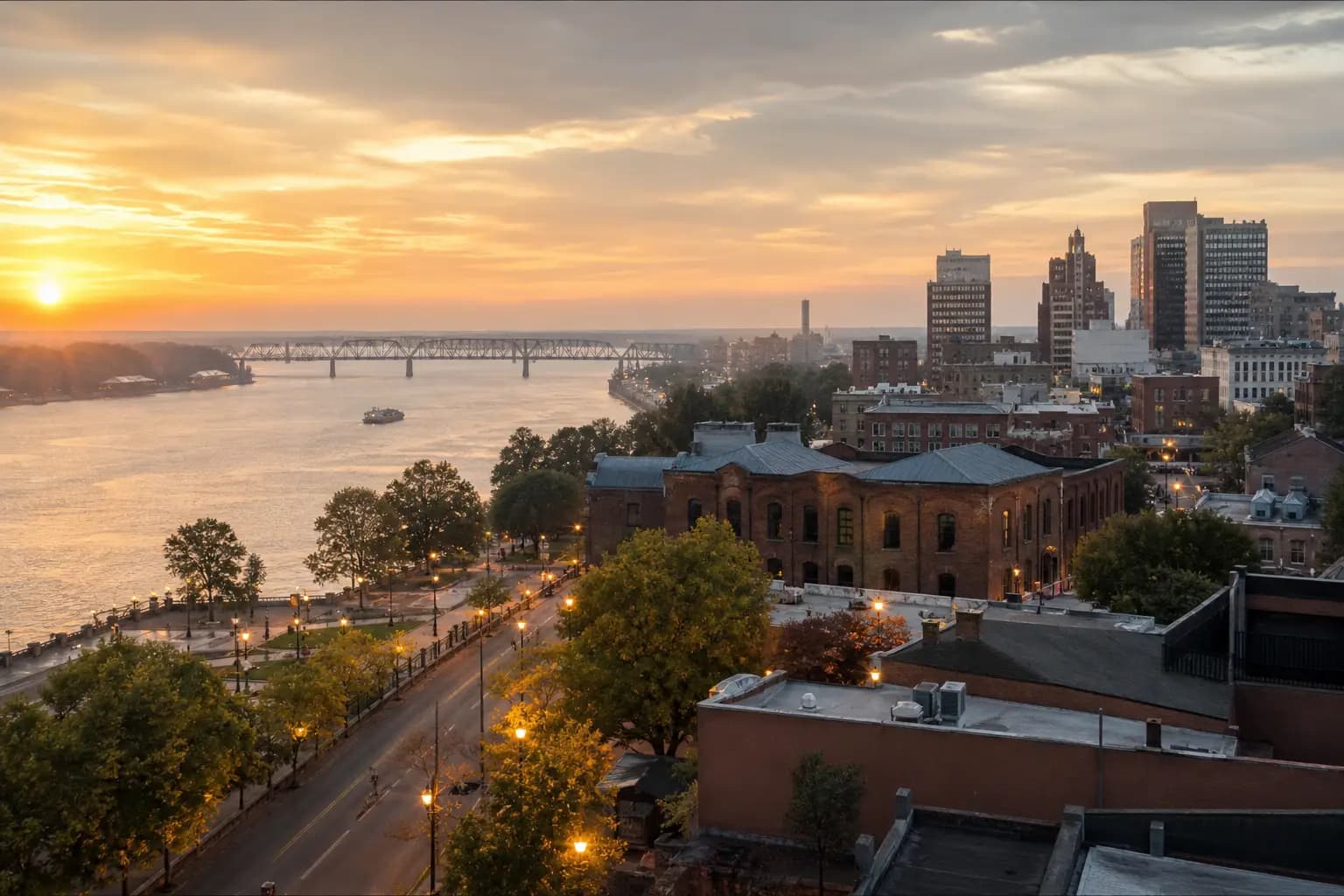
History Memphis
A Short History of MemphisLearn how Memphis grew from Chickasaw homelands and Chucalissa to Civil War scars, Beale Street, Black business and civil rights memory.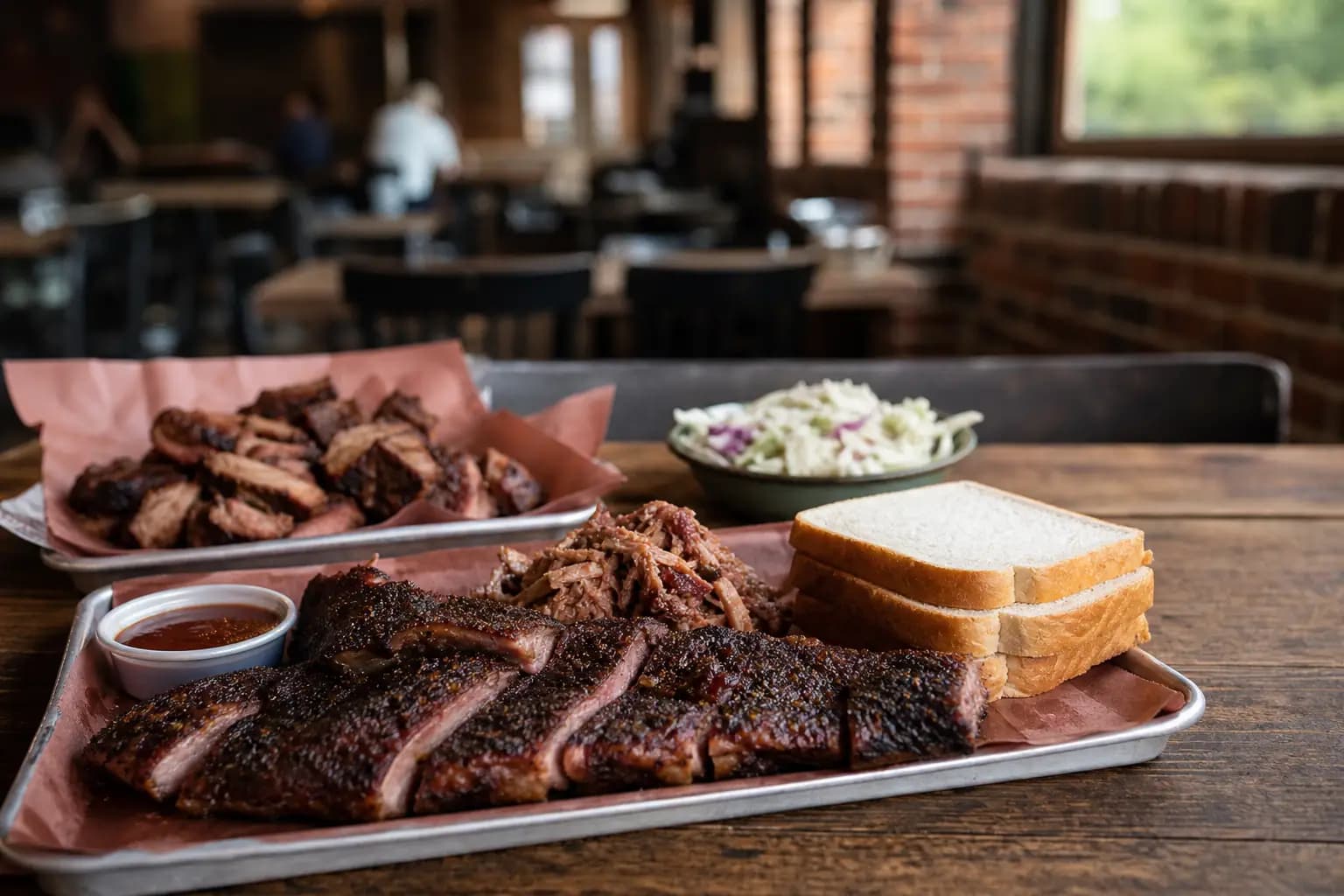
Food Memphis
What makes Memphis BBQ different?Learn about Memphis barbecue traditions, from downtown rib history and local dishes to the May cooking contest in Tennessee.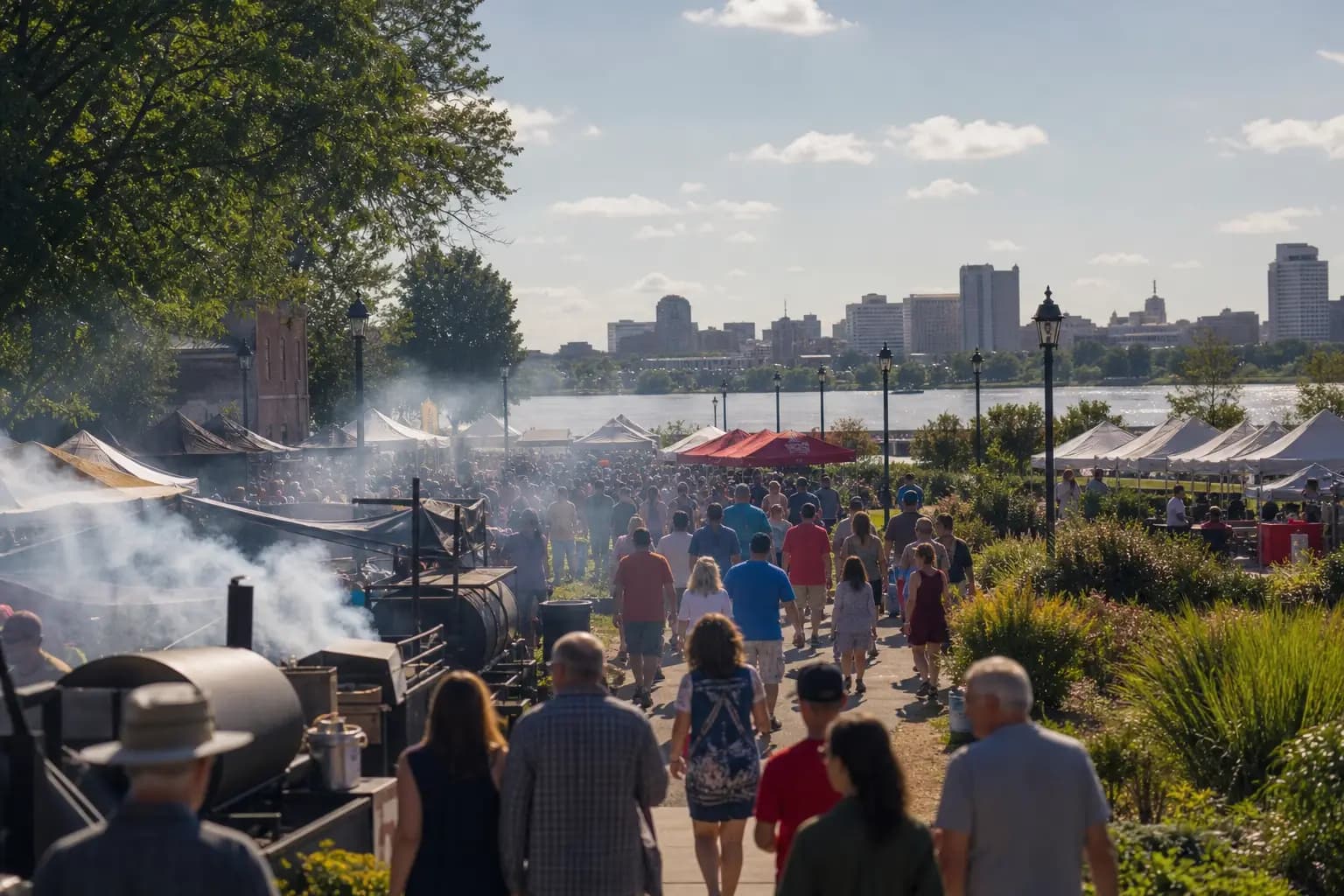
Events Memphis
Memphis In May: The City's Month Long FestivalLearn what Memphis in May includes, from the barbecue contest and international salute to the river run and festival history.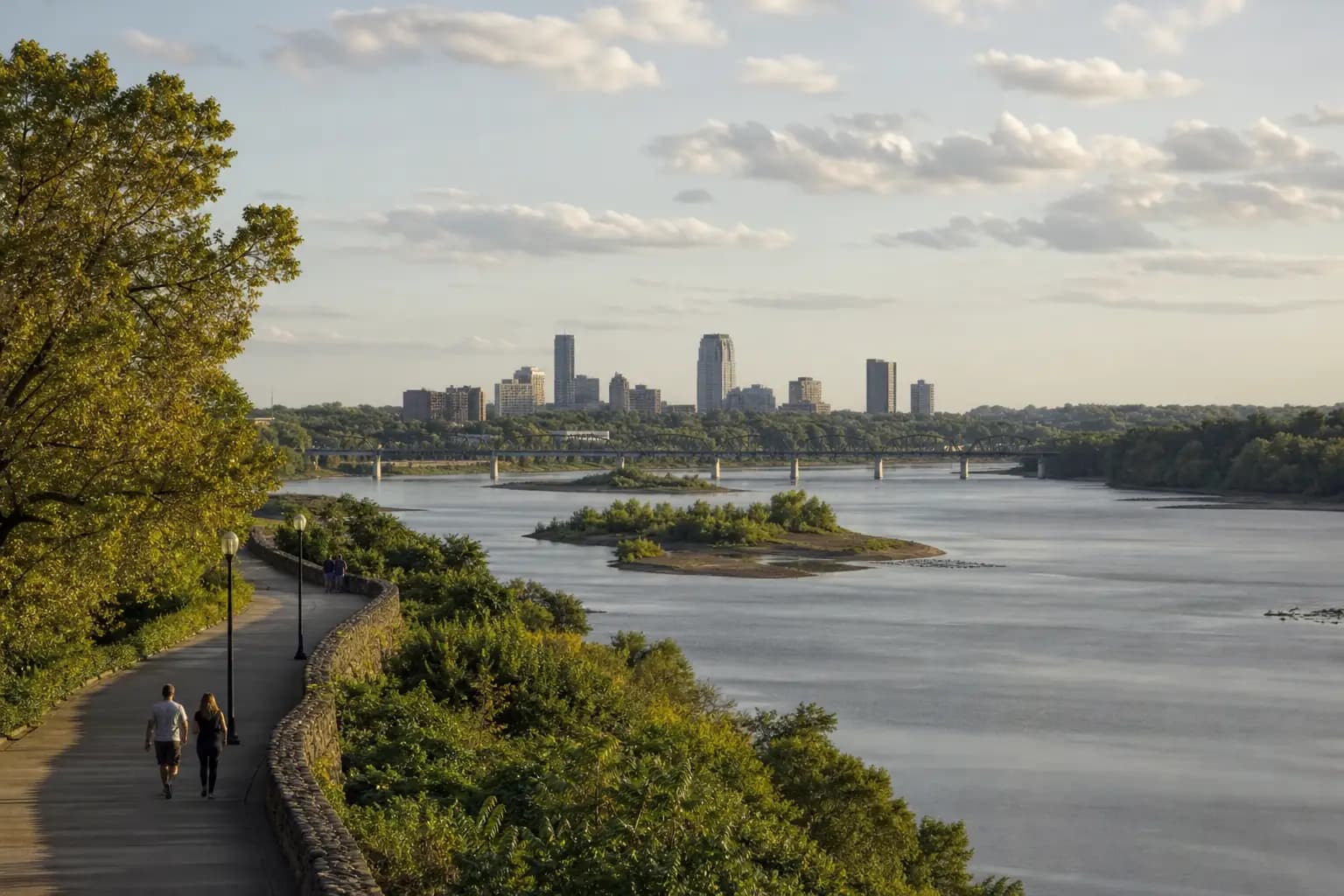
Sightseeing Memphis
What is Memphis, Tennessee Known For?Learn what Memphis is known for, from Beale Street and Civil Rights history to Elvis sites, Sun Studio, Stax, parks and Big River Crossing.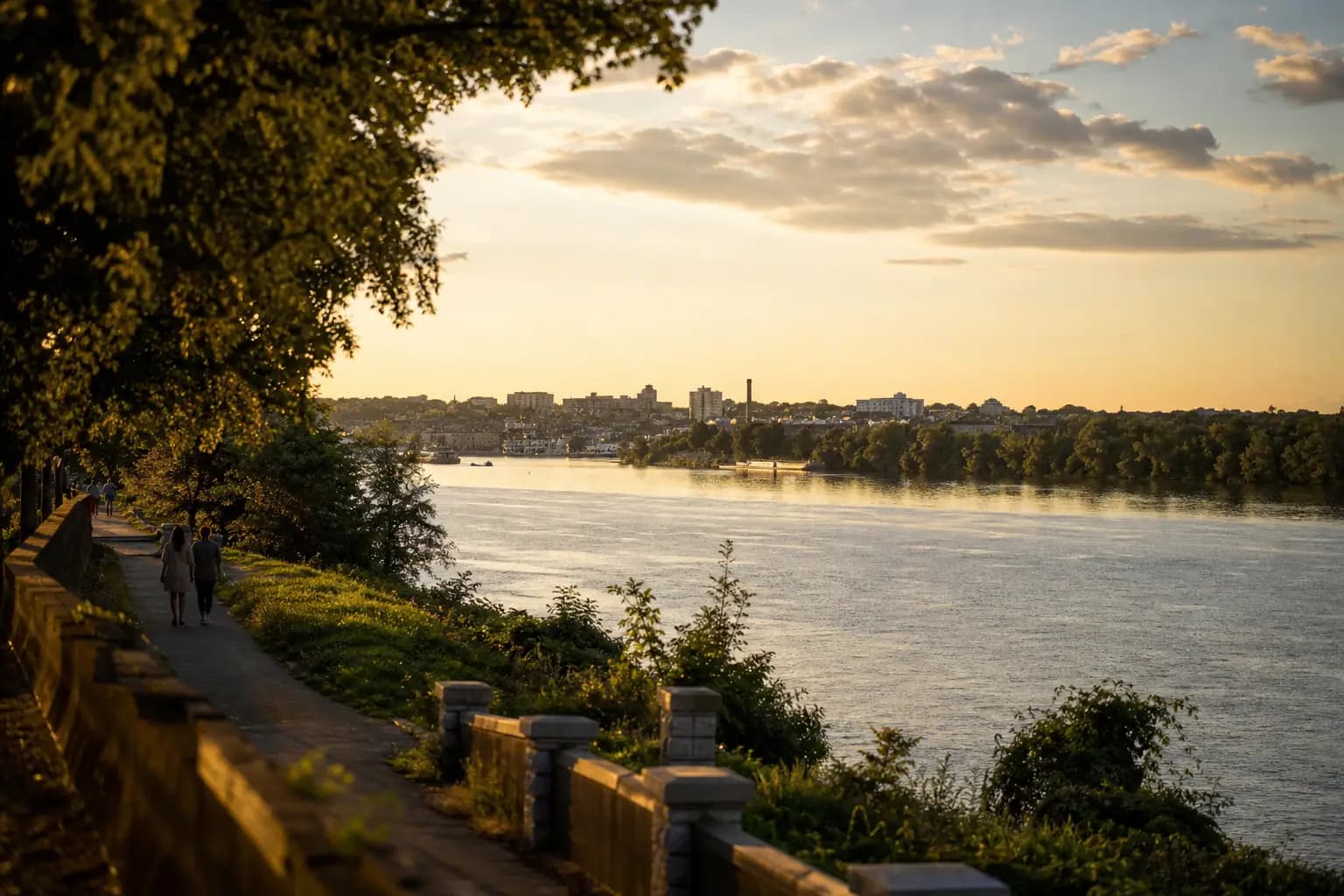
History Chattanooga
A Short History of ChattanoogaExplore Chattanooga history from Moccasin Bend and Ross's Landing to railroads, Civil War sites, TVA, air cleanup and riverfront renewal.