
Stone Mountain History
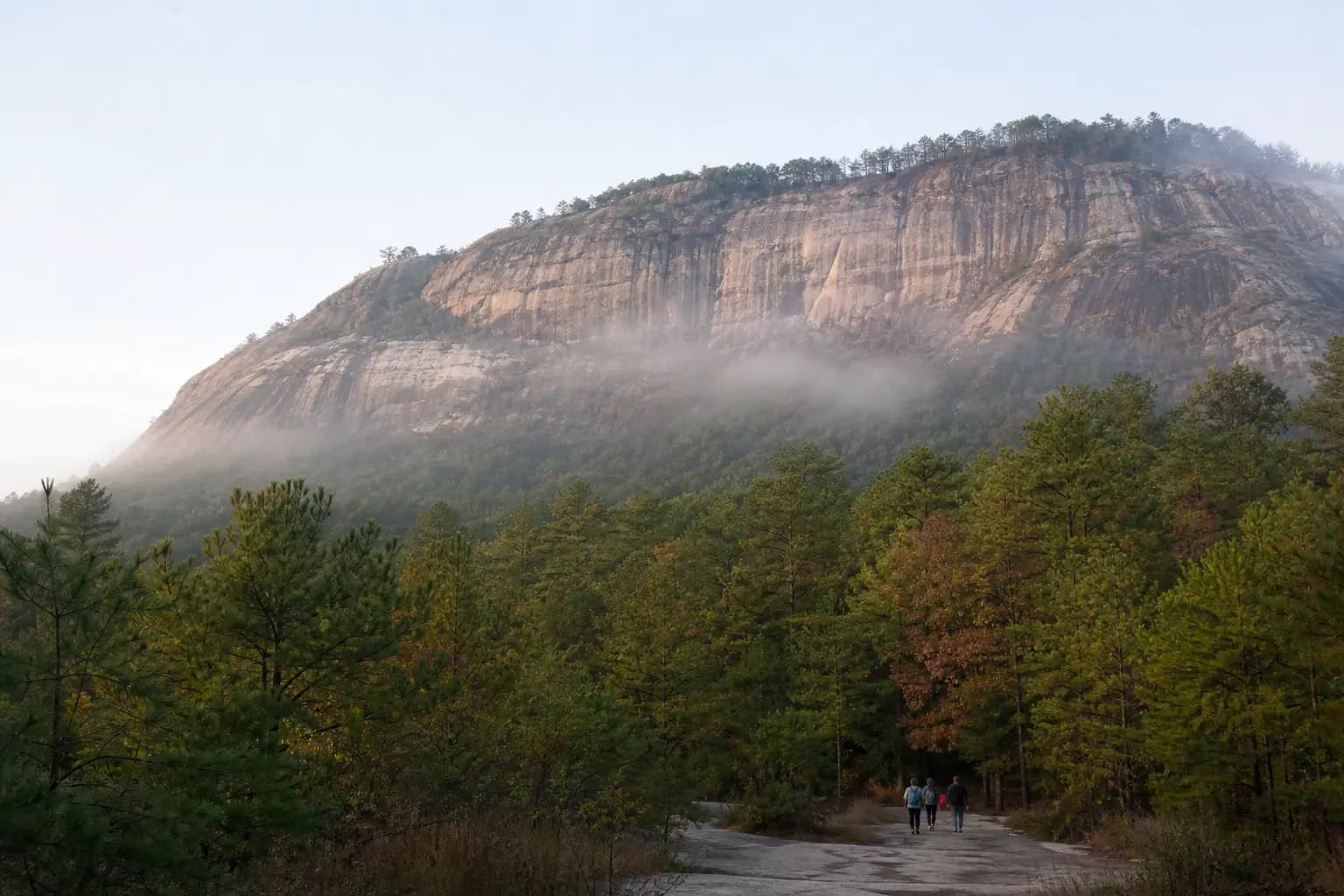
Stone Mountain history begins with a granite outcrop in DeKalb County about ten miles northeast of downtown Atlanta. People visited the mountain about 9,000 years ago, long before the railroad town, quarry industry, Confederate memorial and state authority park. The story is layered, with Indigenous history, agriculture, rail commerce, Black community history, granite work and public recreation all tied to one place.
Key facts
- Stone Mountain is in DeKalb County about ten miles northeast of downtown Atlanta.
- Early Archaic Indigenous peoples visited the mountain about 9,000 years ago.
Own a house in Georgia you are thinking of selling? See how our cash offer works.
The Mountain Before The Park
Stone Mountain begins as geology before it becomes a park story. Located in DeKalb County about ten miles northeast of downtown Atlanta, the mountain is described by the New Georgia Encyclopedia as the largest exposed mass of granite in the world. That scale helps explain why the place later became both an industrial resource and a public landmark.
Human history at the mountain is far older than the city or the carving. Archeological evidence places Early Archaic Indigenous visitors there about 9,000 years ago.
Railroad Town And Early Tourism
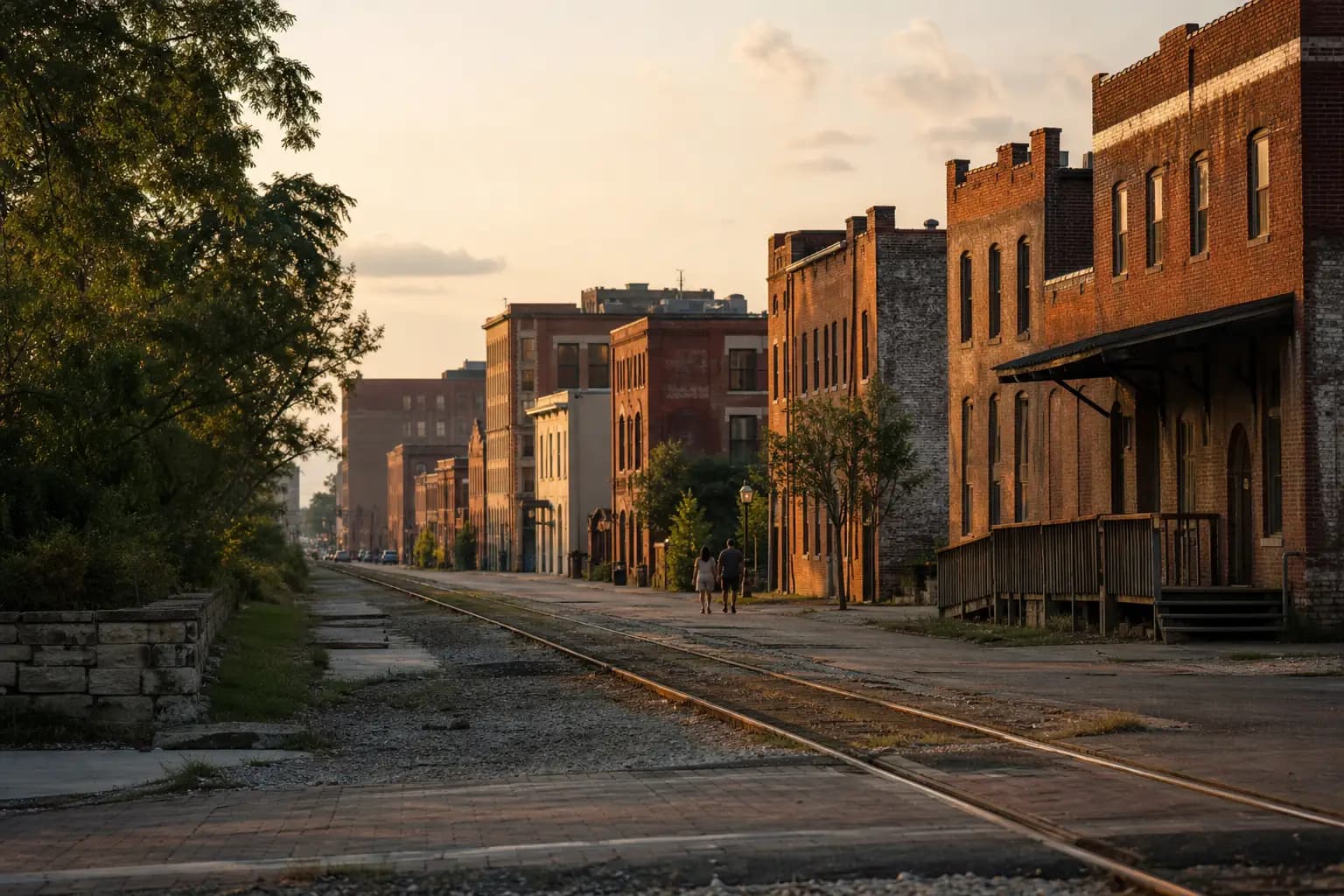
By 1850, Stone Mountain was already attracting more visitors who came for the scenery, hotels and built attractions. The town that grew near the mountain became a railroad place, not only a scenic stop. Its historic district is significant as an intact historic railroad town, with the rail line, central business district, residential neighborhoods, founders' homes, an African American community and landmark buildings all part of that record.
Shermantown And African American History
After the Civil War, African American history became part of the town's geography in a lasting way. During the late 1860s, the area later known as Shermantown was set aside for African Americans. The National Register description of the Stone Mountain Historic District includes an African American community among the major elements of the historic town.
The Granite Industry That Shaped The Town
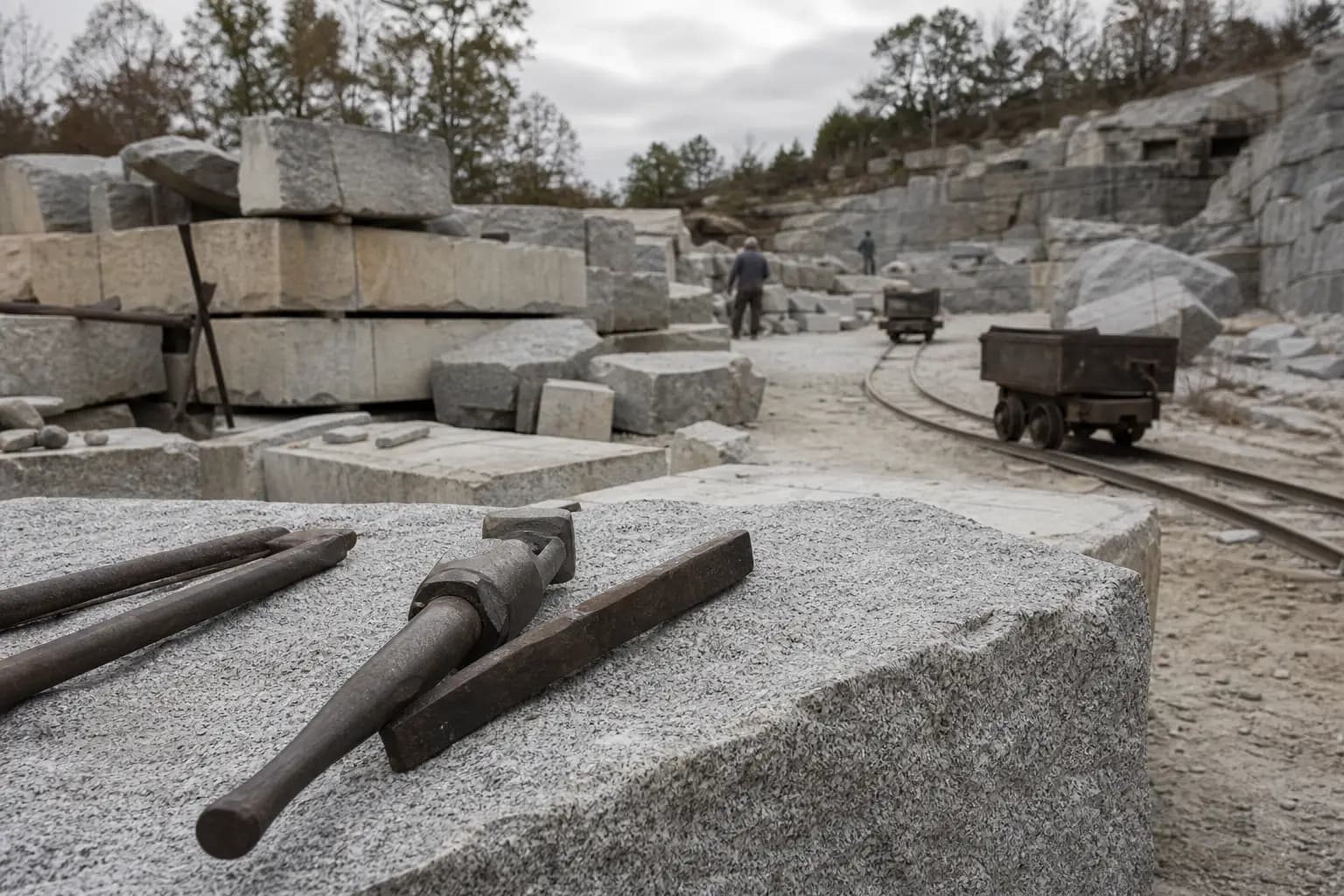
The scale of the quarrying was enormous. Over the years, 7,645,700 cubic feet of granite were removed from the mountain, and Stone Mountain granite was shipped around the world. It was used at the federal gold depository at Fort Knox, the Panama Canal, the Imperial Hotel in Tokyo and the foundation of the Lincoln Memorial. Today the park's Quarry Exhibit explains that industry and the changes in quarrying technology over time.
The Confederate Memorial And 1915 KKK History
The Confederate memorial story began before the state owned the mountain. In 1914, the Atlanta chapter of the United Daughters of the Confederacy advocated for a memorial on the side of Stone Mountain. On Thanksgiving evening in 1915, a KKK organizer named Simmons and sixteen other members of the new KKK ignited a flaming cross atop the mountain.
Three sculptors worked on the carving during its creation. Gutzon Borglum was hired in 1915 as carving consultant and appointed carving sculptor in 1916 by the Stone Mountain Monumental Association, but funding problems and World War I delayed work until 1923. Augustus Lukeman resumed work in 1925. After the state purchased the mountain and surrounding land in 1958, carving work resumed in 1964 using thermo jet torches, the dedication ceremony was held on May 9, 1970, and finishing touches were completed in 1972.
Where Visitors Can See The History Today
A history focused visit can move from the mountainside to exhibits and then into the city of Stone Mountain. The park's historic attractions show the carving, quarrying, relocated buildings and an older covered bridge. The nearby city historic district shows the rail town that grew with the mountain. For nearby city context, pair the visit with Atlanta history.
Use these places as anchors rather than treating the park as one single story. The mountain itself, the town grid, the exhibits and the relocated structures each point to a different chapter.
- Memorial Carving: The dedication ceremony was held May 9, 1970, and finishing touches were completed in 1972.
- Quarry Exhibit: This outdoor display tells the story of an industry that played a significant part in Stone Mountain history and explains changes in quarrying technology over time.
- Historic Square: This collection includes original buildings from around Georgia built between 1793 and 1875, and each structure was moved from its original site and restored.
- Covered Bridge: Stone Mountain Park's covered bridge was originally constructed in Athens in 1891 and relocated to the park in 1965.
- Washington W. King Bridge: In 2019, the Stone Mountain Memorial Association board voted to name the historic bridge for designer and builder Washington W. King.
- Stone Mountain Historic District: The district represents an intact historic railroad town with founders' homes, the rail line, a central business district, residential neighborhoods, an African American community and landmark buildings.
Frequently asked questions
Why is Stone Mountain historically important?
Stone Mountain is important because it combines a major granite landform with thousands of years of human history. Its later history includes a railroad town, a large quarry industry, a Confederate memorial and a state authority park.
Where can visitors learn about Stone Mountain's quarry history?
The Quarry Exhibit in Stone Mountain Park is the main place to look for that story. It explains an industry that played a significant role in Stone Mountain history and describes quarrying processes and technology changes over time.
Are there historic buildings connected to Stone Mountain history?
Yes. Historic Square includes original Georgia buildings built between 1793 and 1875 that were moved and restored. In the city, the Stone Mountain Historic District represents an intact historic railroad town with the rail line, central business district, neighborhoods, founders' homes and an African American community.
Sources
Checked against each source on November 20, 2026. Opening hours, prices and event dates change, so check with the venue before you go. The illustrations are AI generated and do not show real places.
- Stone Mountain (New Georgia Encyclopedia)
- Stone Mountain Historic District (National Park Service)
- Memorial Carving (Stone Mountain Park)
- Quarry Exhibit (Stone Mountain Park)
- Covered Bridge (Stone Mountain Park)
- Historic Square (Stone Mountain Park)
More guides in Georgia
History Atlanta
A Short History of AtlantaTrace Atlanta history from Terminus and Civil War railroads to Sweet Auburn, the Georgia Capitol, Underground Atlanta and the 1996 Olympics.
Outdoors Georgia
Georgia State Parks Worth KnowingExplore Georgia state parks for waterfalls, canyons, swamp nights, coastal marsh walks, long trail days and seasonal outdoor ideas.
History Georgia
Jekyll Island HistoryFollow Jekyll Island history from Spanish naming and colonial farms to plantation agriculture, the club era, St. Andrews Beach and Georgia's public era.
Events Atlanta
Juneteenth Atlanta: The Annual CelebrationLearn when Juneteenth Atlanta usually takes place, what happens at the parade and music festival, and how Piedmont Park fits the celebration.
History Atlanta
What to Know About the Martin Luther King Birth Home in AtlantaLearn the history of Martin Luther King Jr.'s birth home on Auburn Avenue, from its 1895 house to the family, church and street.
History Savannah
A Short History of Savannah, GeorgiaTrace Savannah history from its 1733 founding and city plan to cotton, preservation, civil rights and places to see today.