
Things to Do in Terre Haute, Indiana
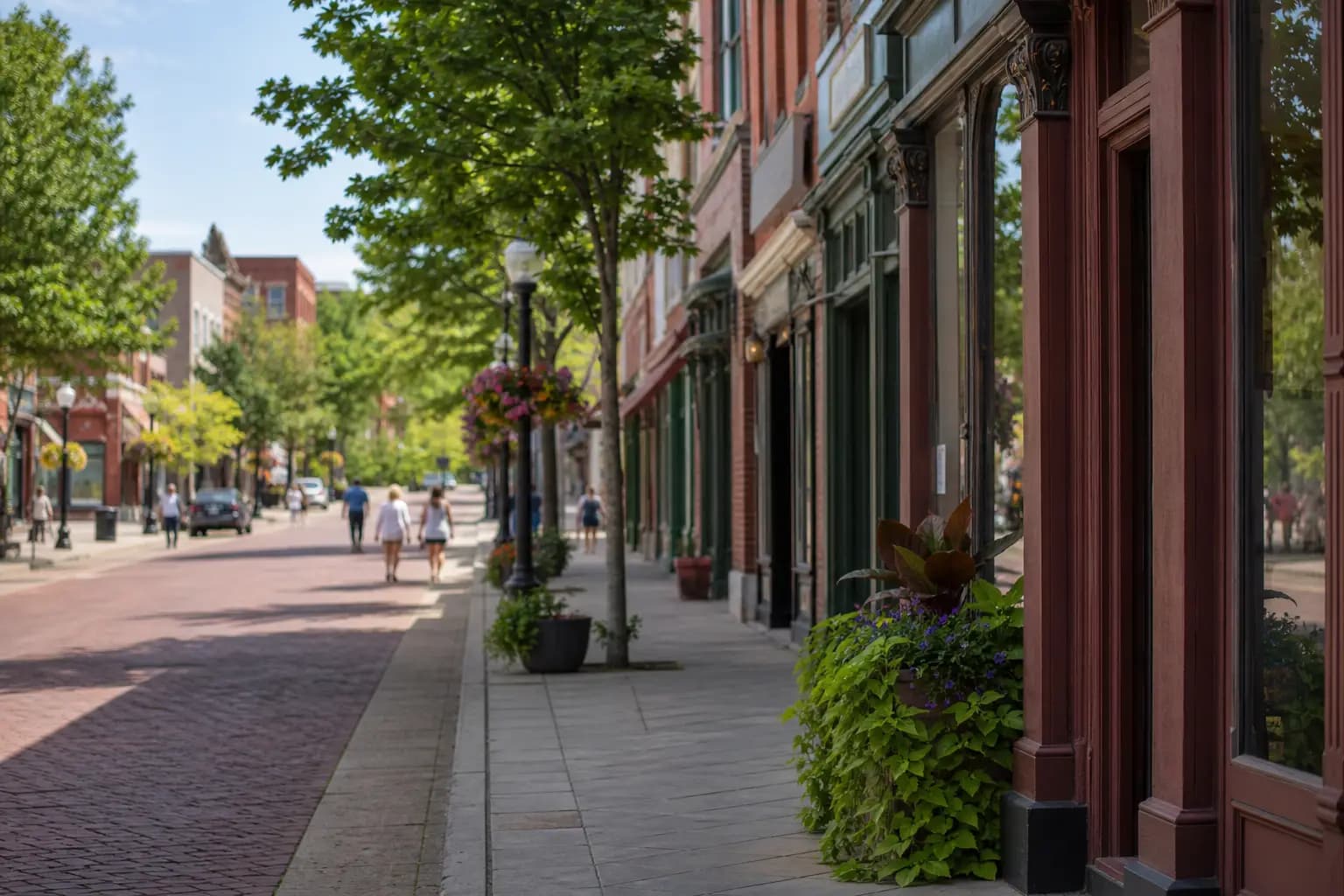
Terre Haute rewards visitors who like to walk, read plaques, step into museums and spend time near the Wabash. The city’s sightseeing centers on Wabash Avenue, the Crossroads of America marker, historic downtown routes, residential districts and a strong set of parks. Start downtown, then branch out to the Vigo County History Center, the Swope Art Museum, Farrington’s Grove, the Home of Eugene V. Debs and Wabashiki Fish and Wildlife Area.
Key facts
- The Crossroads of America marker is at the northwest corner of Seventh Street and Wabash Avenue.
- The Crossroads of America marker was erected in 1998 by the Indiana Historical Bureau and Vigo County Historical Society.
- Farrington’s Grove Historic District is roughly bounded by Poplar Street, South Fourth Street, Hulman Avenue and South Seventh Street.
- The Swope Art Museum holds nearly 2,500 works of American art from the 19th century to the present.
- Wabashiki Fish and Wildlife Area is a stop on the Indiana Birding Trail.
Own a house in Terre Haute you are thinking of selling? See how our cash offer works.
Start Downtown at Wabash Avenue and the Crossroads
Downtown Terre Haute is the natural first stop because so many sights sit close to Wabash Avenue. The Crossroads of America marker is at the northwest corner of Seventh Street and Wabash Avenue, a compact landmark that frames the city through transportation history. It was erected in 1998 by the Indiana Historical Bureau and Vigo County Historical Society, and the marker connects the city’s identity with Highway 41, a major north south route, and the phrase "Crossroads of America."
From there, use the Historic Downtown Terre Haute East District and West District walking tours to keep your exploring focused. The two routes are centered on historic downtown Terre Haute, so they work well for visitors who want to move block by block rather than hop from one isolated stop to another. The result is a downtown introduction built around Wabash Avenue, the marker and nearby cultural stops rather than a single attraction.
Museums for Local History, Art and Memory
The Vigo County History Center is the local history stop for Terre Haute and Vigo County. For a general visitor, it is the place to connect the city’s streets, businesses, institutions and county story before heading back outside. It fits naturally into a downtown day that also includes Wabash Avenue and the Crossroads of America marker.
The Swope Art Museum adds a different pace, with nearly 2,500 works of American art. Its collection includes paintings, sculptures and works on paper from the 19th century to the present, which makes it a good stop for visitors who want a quieter indoor break between landmarks. CANDLES Holocaust Museum and Education Center adds Holocaust education to the museum circuit.
Terre Haute also has a major labor history site at 451 North Eighth Street, the Home of Eugene V. Debs. Debs, who lived from 1855 to 1926, was a leading pioneer in industrial unionism. His home was built in 1890 and declared a National Historic Landmark in 1966.
Walk Farrington’s Grove Historic District
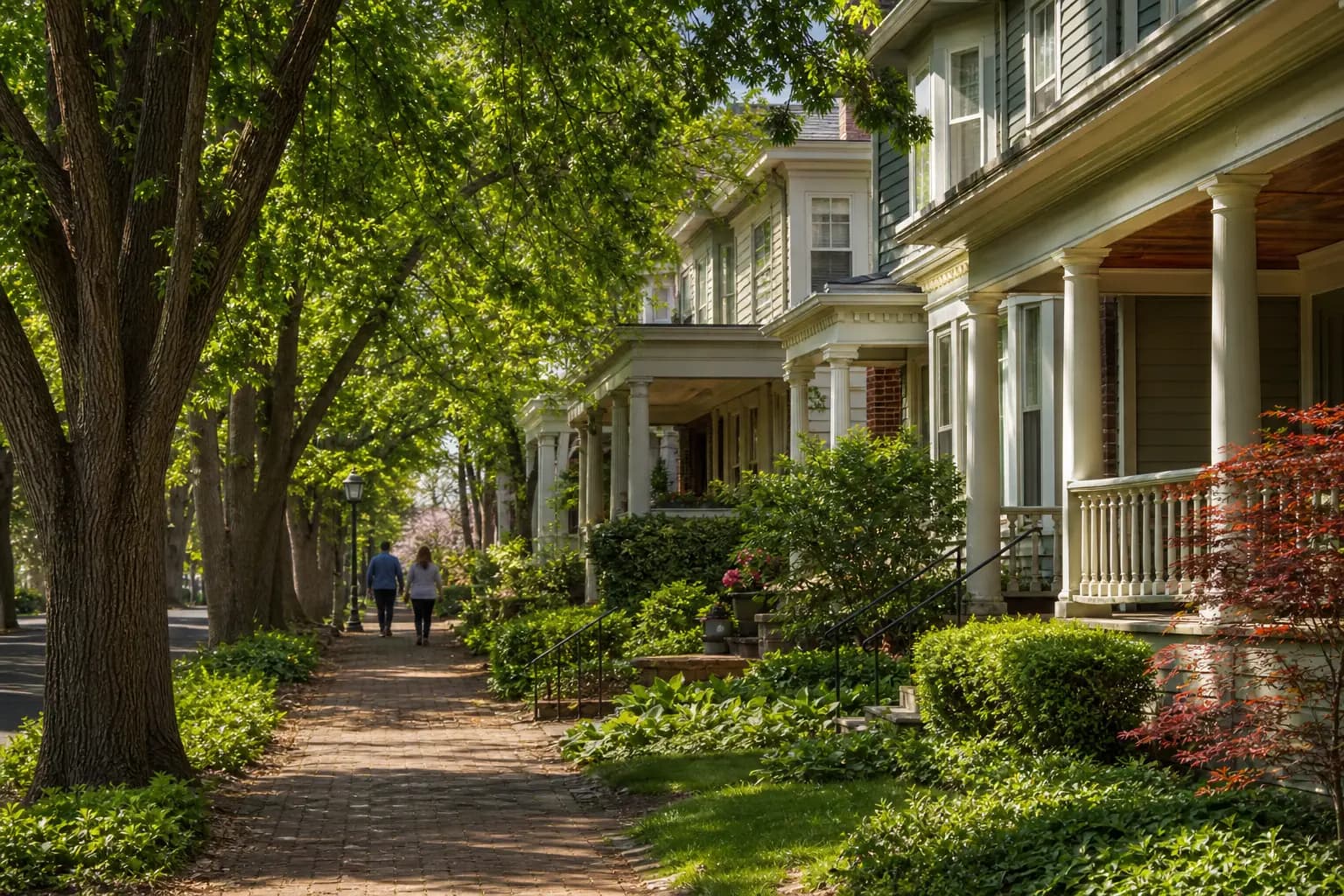
Farrington’s Grove is the historic residential walk south of downtown. The district is roughly bounded by Poplar Street, South Fourth Street, Hulman Avenue and South Seventh Street, and it contains approximately 1,130 structures. Those boundaries give visitors a clear area to explore, making the district a defined historic neighborhood stop rather than a single house or block.
Add City Parks Between Museum Stops
Terre Haute’s park system gives visitors outdoor time between indoor stops. Fairbanks Park, Deming Park, John G. Dobbs Park and Collett Park are part of the city park picture, and each can fit into a day that otherwise centers on Wabash Avenue, museums and historic districts. A park stop can break up a day of plaques, galleries and house museums with open space and a slower pace.
See Birds at Wabashiki
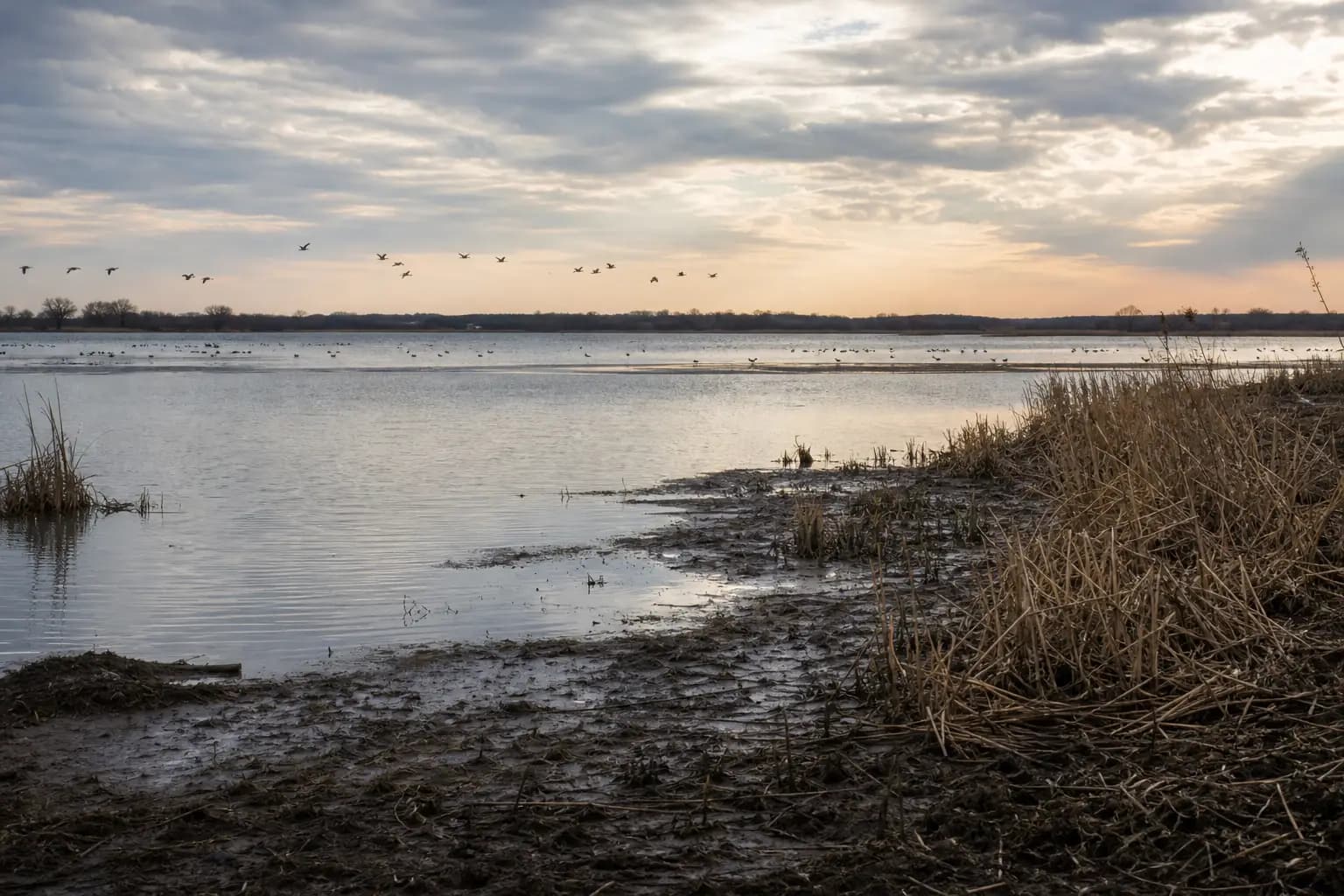
Wabashiki Fish and Wildlife Area is the nature stop to save for a slower part of the trip. It is a stop on the Indiana Birding Trail, so bird watching is part of its identity rather than an afterthought. For a simple day plan, keep downtown and the museums together, then set aside Wabashiki for birds and a different view of the Wabash area.
Frequently asked questions
What should I do first in Terre Haute?
Start downtown around Seventh Street and Wabash Avenue. The Crossroads of America marker is there, and the Historic Downtown Terre Haute East District and West District walking tours keep the first part of the visit focused.
What museums should visitors know in Terre Haute?
The Vigo County History Center covers local history, while the Swope Art Museum focuses on American art from the 19th century to the present. CANDLES Holocaust Museum and Education Center adds Holocaust education, and the Home of Eugene V. Debs adds labor and political history to the museum circuit.
Where can I see historic houses in Terre Haute?
Farrington’s Grove Historic District is the main residential walking district south of downtown. It is roughly bounded by Poplar Street, South Fourth Street, Hulman Avenue and South Seventh Street, and it contains approximately 1,130 structures.
Is downtown Terre Haute good for walking?
Yes. Visit Terre Haute has Historic Downtown Terre Haute East District and West District walking tours, and the Crossroads of America marker sits at Seventh Street and Wabash Avenue. Build the walk around Wabash Avenue and nearby museum stops such as the Vigo County History Center and the Swope Art Museum.
Where should I go for parks in Terre Haute?
Fairbanks Park, Deming Park, John G. Dobbs Park and Collett Park are city park names to consider when adding outdoor time to a Terre Haute visit. They pair easily with a day built around downtown, museums and historic districts.
Where can visitors bird watch near Terre Haute?
Wabashiki Fish and Wildlife Area is the key nature area for that. It is a stop on the Indiana Birding Trail, making it a good outdoor counterpoint to downtown museums and historic districts.
Sources
Checked against each source on November 20, 2026. Opening hours, prices and event dates change, so check with the venue before you go. The illustrations are AI generated and do not show real places.
- Wabashiki Fish and Wildlife Area (Indiana Department of Natural Resources)
- Crossroads of America (Indiana Historical Bureau)
- Home of Eugene V Debs (Indiana Historical Bureau)
- National Register of Historic Places Inventory Nomination Form: Farrington’s Grove Historic District (National Park Service)
- The Swope Art Museum (The Swope Art Museum)
More guides in Indiana
History Indiana
A Short History of IndianaTrace Indiana history from ancient mounds and Vincennes to statehood, Lincoln, abolition, Civil War service and industry.
Outdoors Indiana
Indiana State Parks Worth KnowingExplore Indiana state parks with dunes, ravines, lakes, caves, historic villages, earthworks, trails and seasonal outdoor ideas.
History Indianapolis
What Is The Indianapolis Motor Speedway Museum?Learn the Indianapolis Motor Speedway Museum story, from the 1909 track and first 500 to the Hall of Fame, wartime industry and exhibits.
Events Indiana
What Is the Parke County Covered Bridge Festival?A visitor guide to the Parke County Covered Bridge Festival: dates, locations, bridges, food traditions, bus tours and practical tips.
Food Indiana
What Is Sugar Cream Pie In Indiana?Learn what sugar cream pie is, why Indiana calls it Hoosier Pie, how its pantry recipe developed, and where visitors can try it.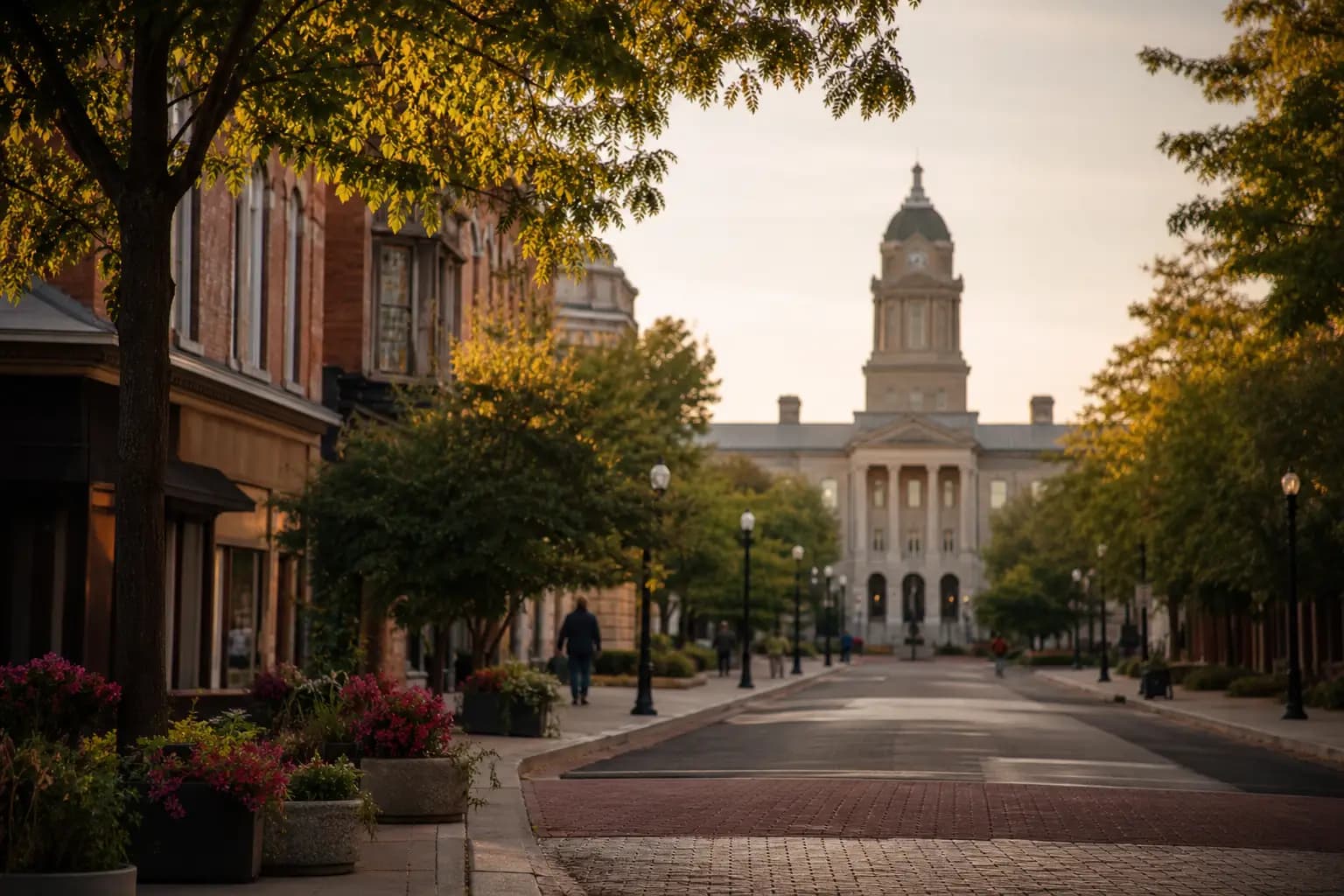
Sightseeing Bloomington
Things to Do in Bloomington, IndianaSee Bloomington's 1908 Monroe County Courthouse, Indiana University, Griffy Lake Nature Preserve, and a Buddhist center on 108 acres.