
Things To Do In Cleveland, Ohio
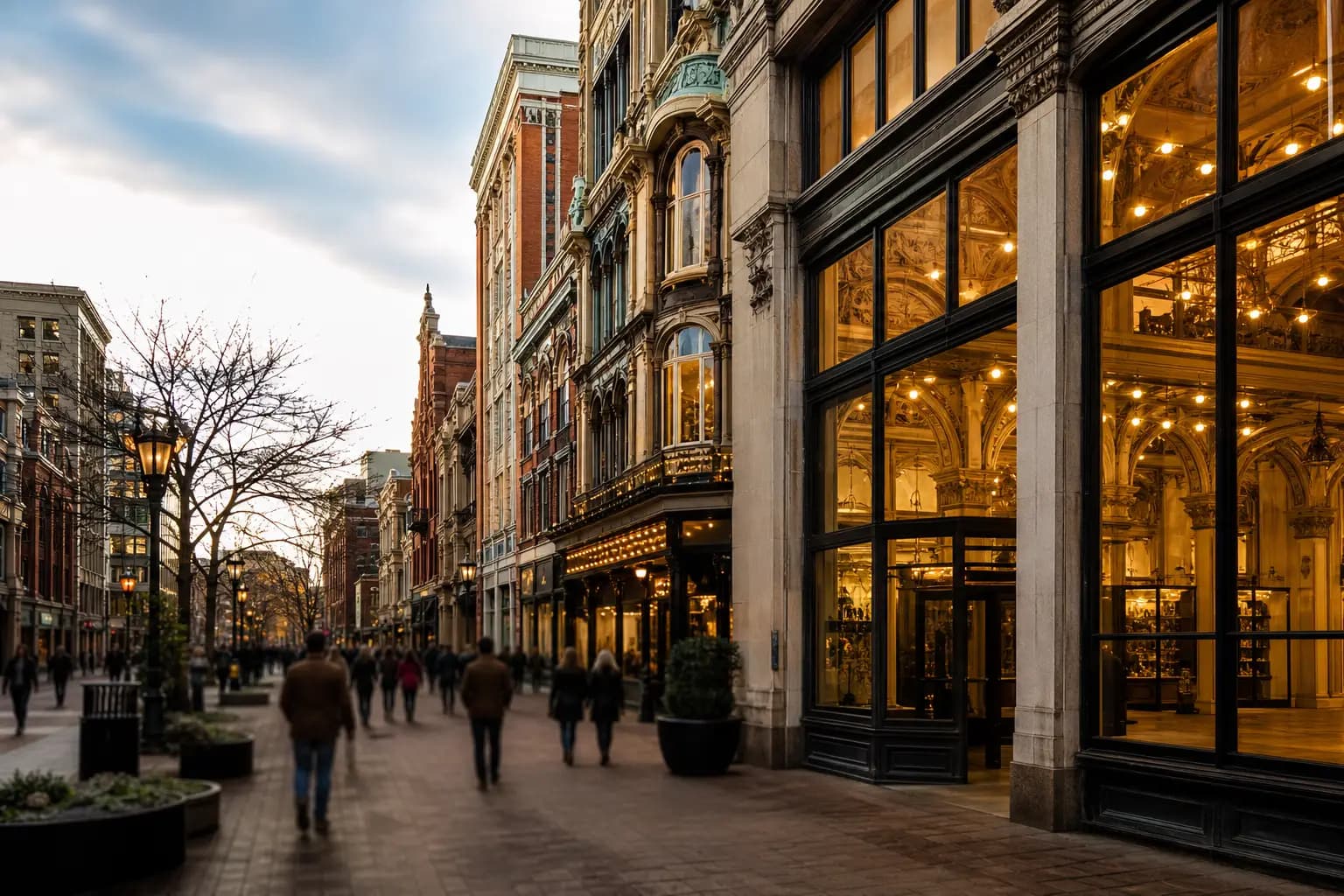
Cleveland has landmark interiors, theater streets, historic neighborhoods, a public market and parkland that add shape to a visit. The core things to do in Cleveland include walking through The Arcade, spending time in Playhouse Square, eating through West Side Market in Ohio City, visiting Rockefeller Park and adding Cuyahoga Valley National Park.
Key facts
- The Arcade opened on Memorial Day 1890 and later became the first Cleveland building listed on the National Register of Historic Places.
- West Side Market opened in 1912 and anchors Cleveland's Ohio City neighborhood.
- The Cleveland Cultural Gardens are part of Rockefeller Park, where land was donated to the city in 1896.
- Brandywine Falls in Cuyahoga Valley National Park is a falls that is 65 feet high.
Own a house in Cleveland you are thinking of selling? See how our cash offer works.
Cleveland Landmarks And Theater Streets
Cleveland gives visitors a compact set of landmark stops, and the city's landmark list helps frame what you are seeing. The Cleveland Landmarks Commission determines whether buildings, sites and historic districts are eligible for landmark designation, and the city lists Playhouse Square and Warehouse among its designated historic districts. It also lists Little Italy, Ohio City and Tremont, which makes the landmark system useful beyond the central business streets.
The Arcade is the downtown interior to seek out when you want architecture rather than a conventional museum. It opened on Memorial Day 1890 and is a five story iron and glass enclosed arcade, a passage that is a cross between a light court and a commercial passage or shopping street. In 1975, The Arcade became the first Cleveland building listed on the National Register of Historic Places.
Ohio City And West Side Market
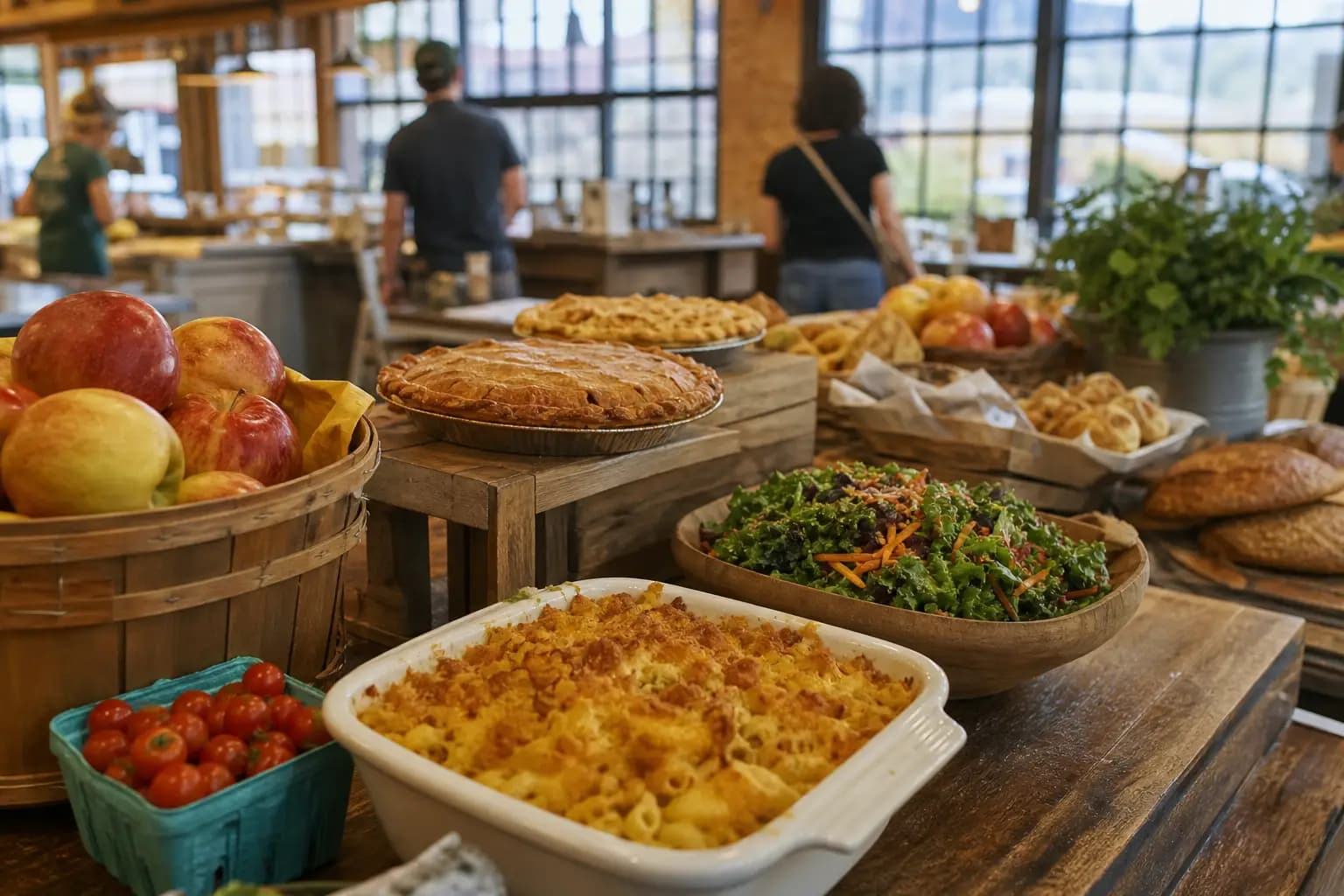
Ohio City is one of Cleveland's designated historic districts, and West Side Market is its anchor. The market sits at 1979 West 25th Street and opened in 1912. West Side Market describes itself as "the largest and oldest public market in Cleveland," which gives the neighborhood a strong landmark as well as a food stop.
Inside the market, the draw is the range of everyday food counters rather than one single dish. The market lists fresh produce, meats, seafood, baked goods, prepared food and more, so a visit can be breakfast, lunch, picnic planning or pure browsing. Because the market is both a public market and an Ohio City anchor, it works especially well between architecture and a neighborhood walk.
Rockefeller Park And The Cleveland Cultural Gardens
The Cleveland Cultural Gardens occupy a major place within Rockefeller Park. The federation's history says the gardens are part of the city's 254 acre Rockefeller Park, and that John D. Rockefeller donated the land to Cleveland in 1896. The Cultural Gardens themselves were born in 1916, giving the park a long civic memory as well as green space.
The gardens also carry a long record of community dedication. The Hebrew Cultural Garden was dedicated in 1926. Together, the park and gardens make a quiet counterpoint to Cleveland's market halls, landmark interiors and theater districts.
Cuyahoga Valley National Park
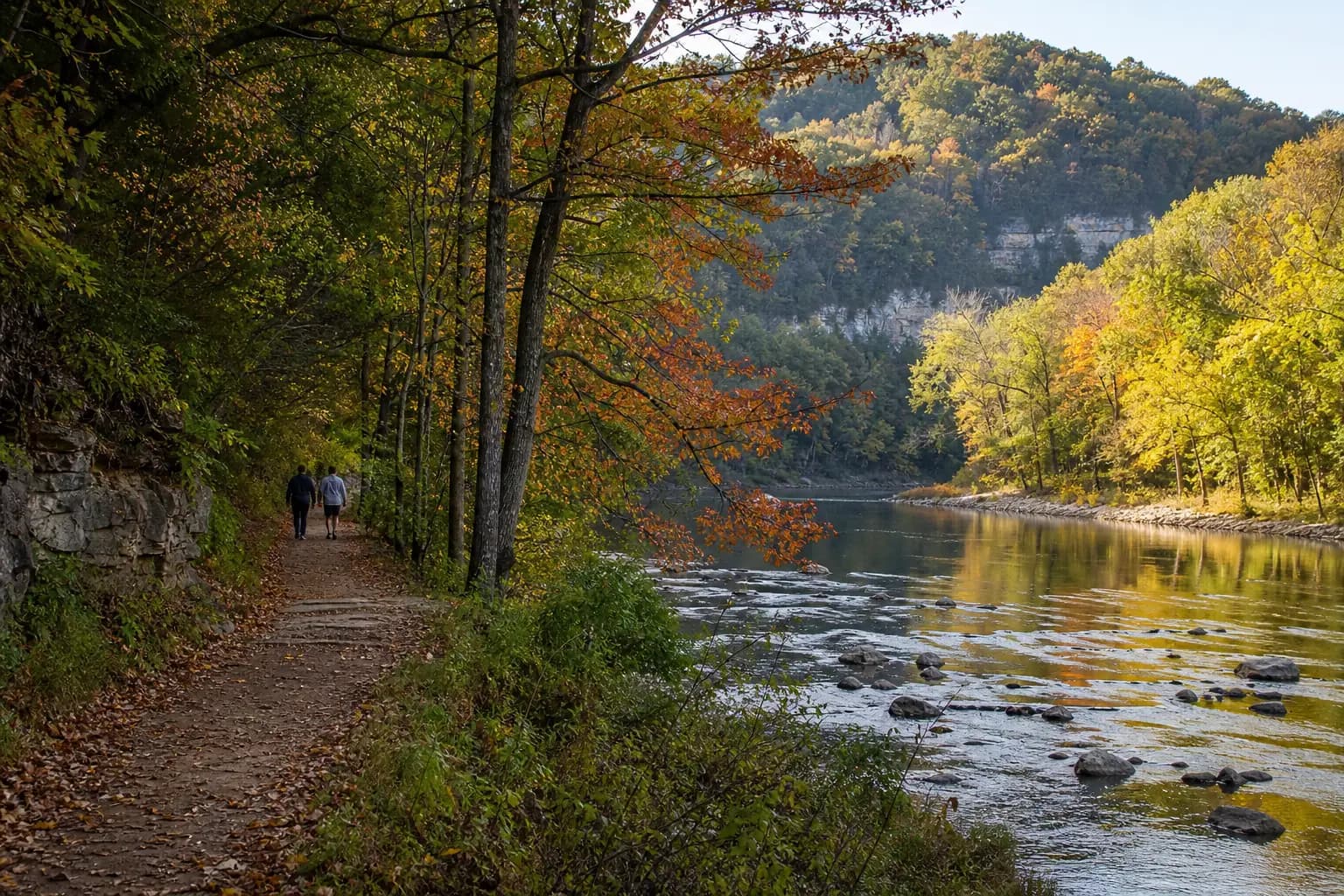
Cuyahoga Valley National Park adds a nature stop to the itinerary. The National Park Service highlights Brandywine Falls, a falls that is 65 feet high, with a boardwalk to upper and lower observation platforms. That combination gives the stop a clear destination rather than only a trailhead.
Other stops add history and access to the scenery. Historic Boston Mill Visitor Center was constructed in 1905, and the National Park Service describes one trail option as accessible and suitable for strollers and wheelchairs. That mix of waterfall viewpoint, visitor center and accessible trail makes the park a practical addition to the city landmarks and markets above.
Frequently asked questions
What are the easiest first time things to do in Cleveland?
Start with landmarks such as The Arcade and Playhouse Square, then add Ohio City's West Side Market. Rockefeller Park and the Cleveland Cultural Gardens add green space and civic history. Cuyahoga Valley National Park adds Brandywine Falls and Historic Boston Mill Visitor Center.
Is Cleveland good for historic sightseeing?
Yes. The Arcade opened on Memorial Day 1890 and became the first Cleveland building listed on the National Register of Historic Places in 1975. The city also lists Playhouse Square, Warehouse, Little Italy, Ohio City and Tremont among its designated historic districts.
Which Cleveland neighborhood is good for a market walk?
Ohio City is the clearest market walk because West Side Market anchors the neighborhood. The market opened in 1912, sits at 1979 West 25th Street, and lists produce, meats, seafood, baked goods, prepared food and more.
Can I add Cuyahoga Valley National Park to a Cleveland visit?
Yes. Brandywine Falls is 65 feet high, a boardwalk leads to upper and lower observation platforms, and Historic Boston Mill Visitor Center was constructed in 1905.
Sources
Checked against each source on November 20, 2026. Opening hours, prices and event dates change, so check with the venue before you go. The illustrations are AI generated and do not show real places.
- Designated Landmarks (City of Cleveland, Ohio)
- University Circle: From Farmland to Learning (Case Western Reserve University)
- ARCADE (Encyclopedia of Cleveland History, Case Western Reserve University)
- Public Market in Cleveland, OH (West Side Market / Cleveland Public Market Corporation)
- History (The Cleveland Cultural Gardens Federation)
- Half Day Visit (National Park Service)
More guides in Ohio
Food Cleveland
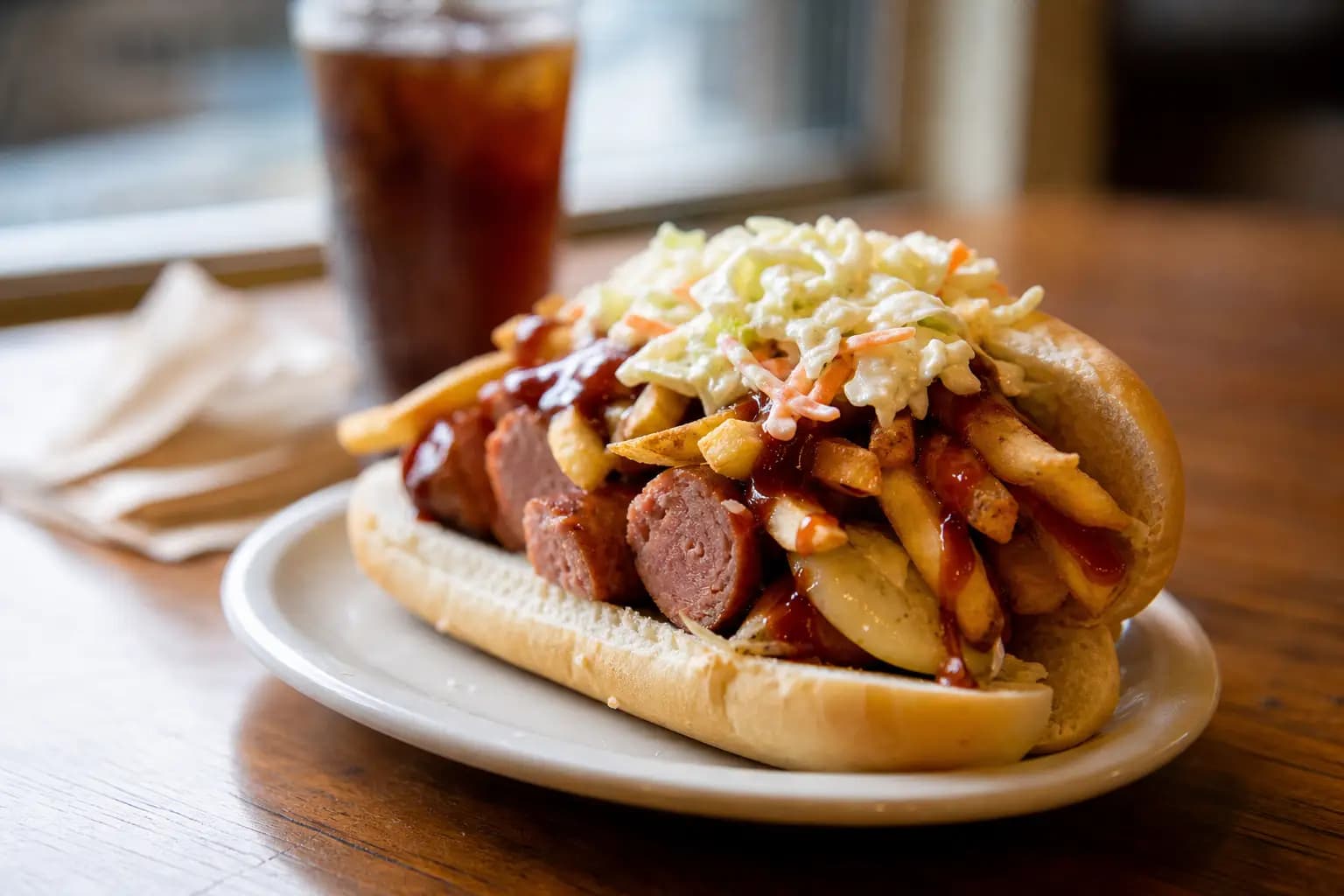
What Is The Polish Boy In Cleveland?Learn what goes into Cleveland's Polish Boy, the Polish neighborhood context around kielbasa, and where its food story continues.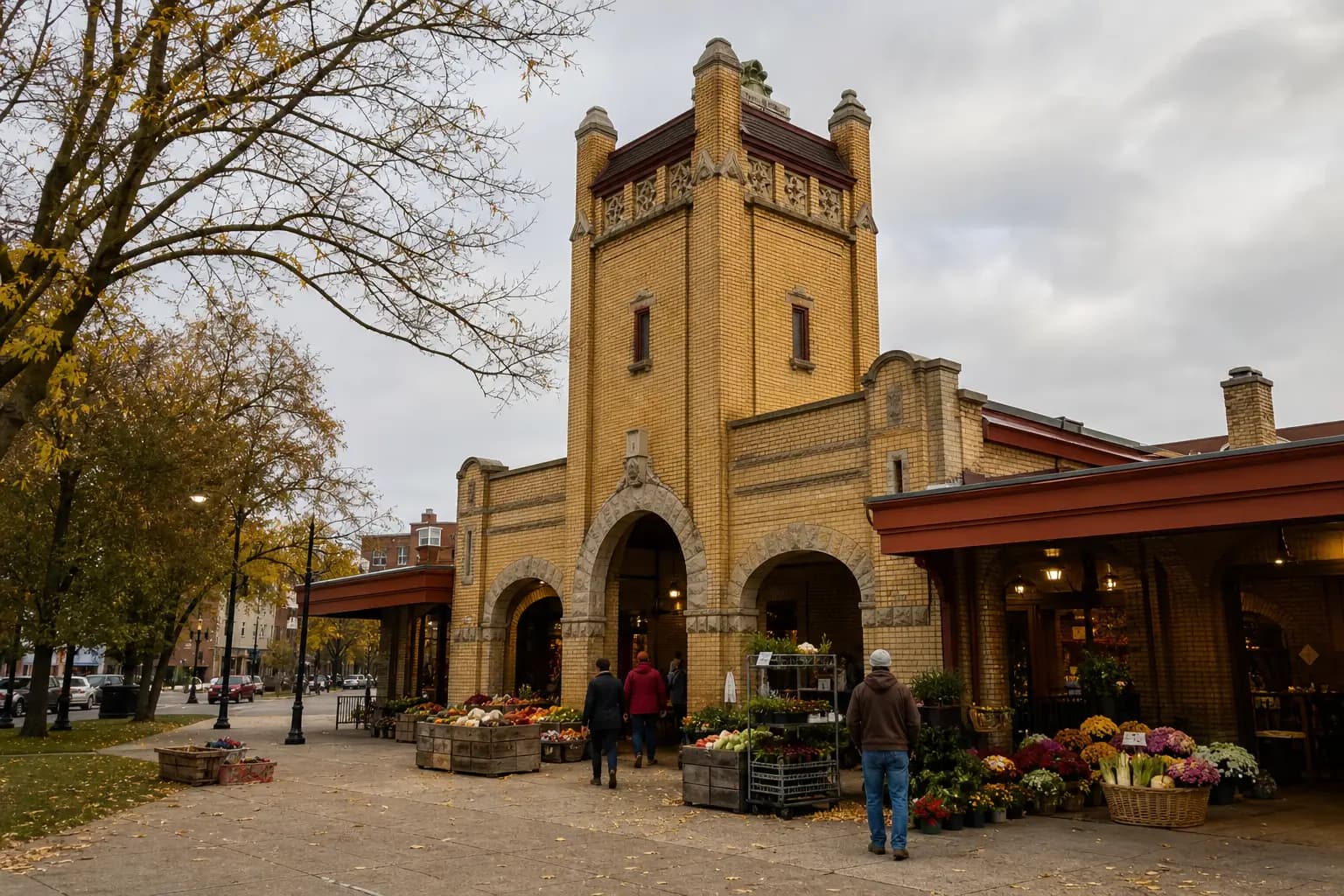
Food Cleveland
What Is The West Side Market In Cleveland?Learn why Cleveland's West Side Market matters, from its 1840 roots and 1912 hall to immigrant food traditions and vendors.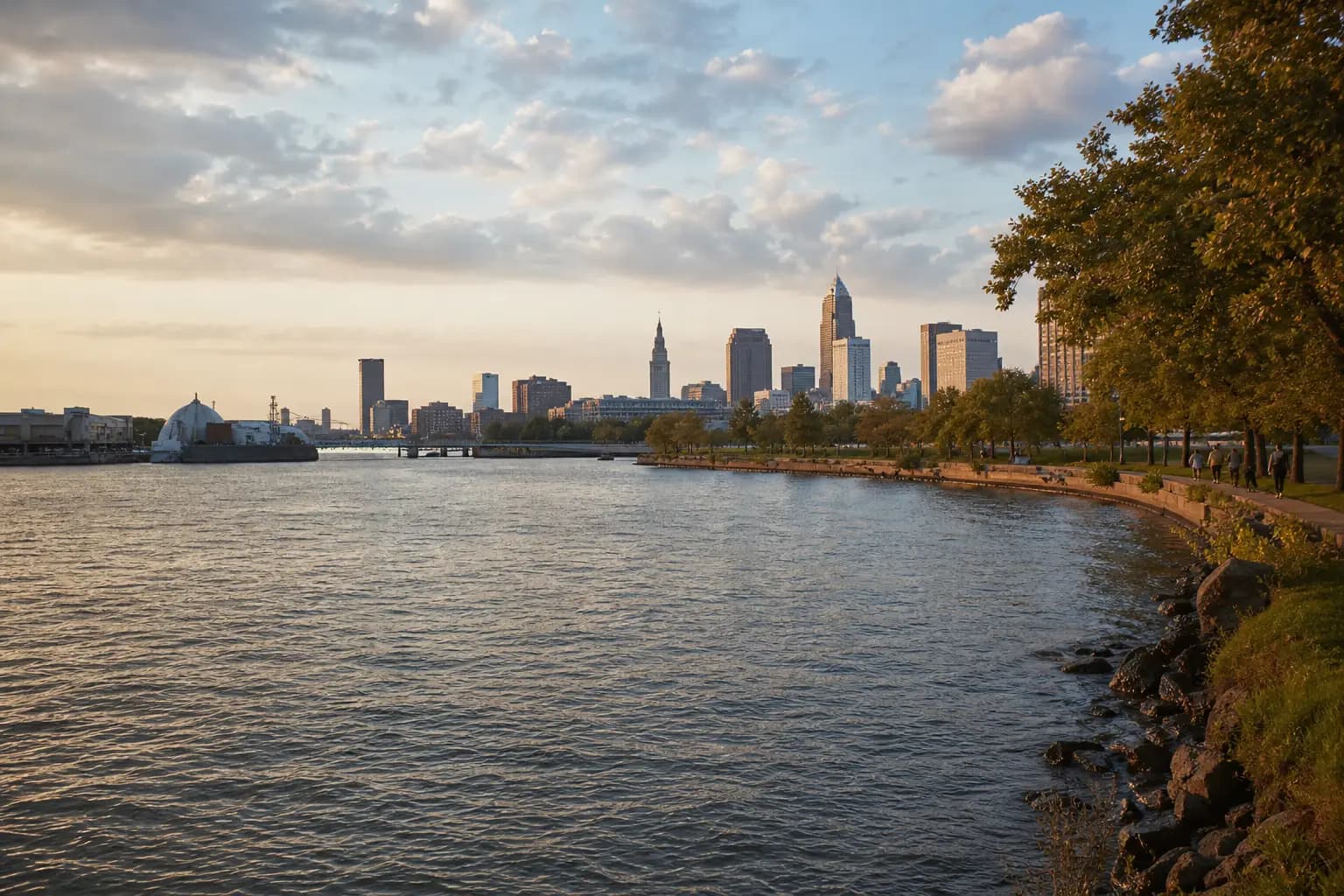
Sightseeing Cleveland
What Is Cleveland Known For?Explore what Cleveland is known for, from Lake Erie and the Cuyahoga River to downtown landmarks, museums, markets, parks and walks.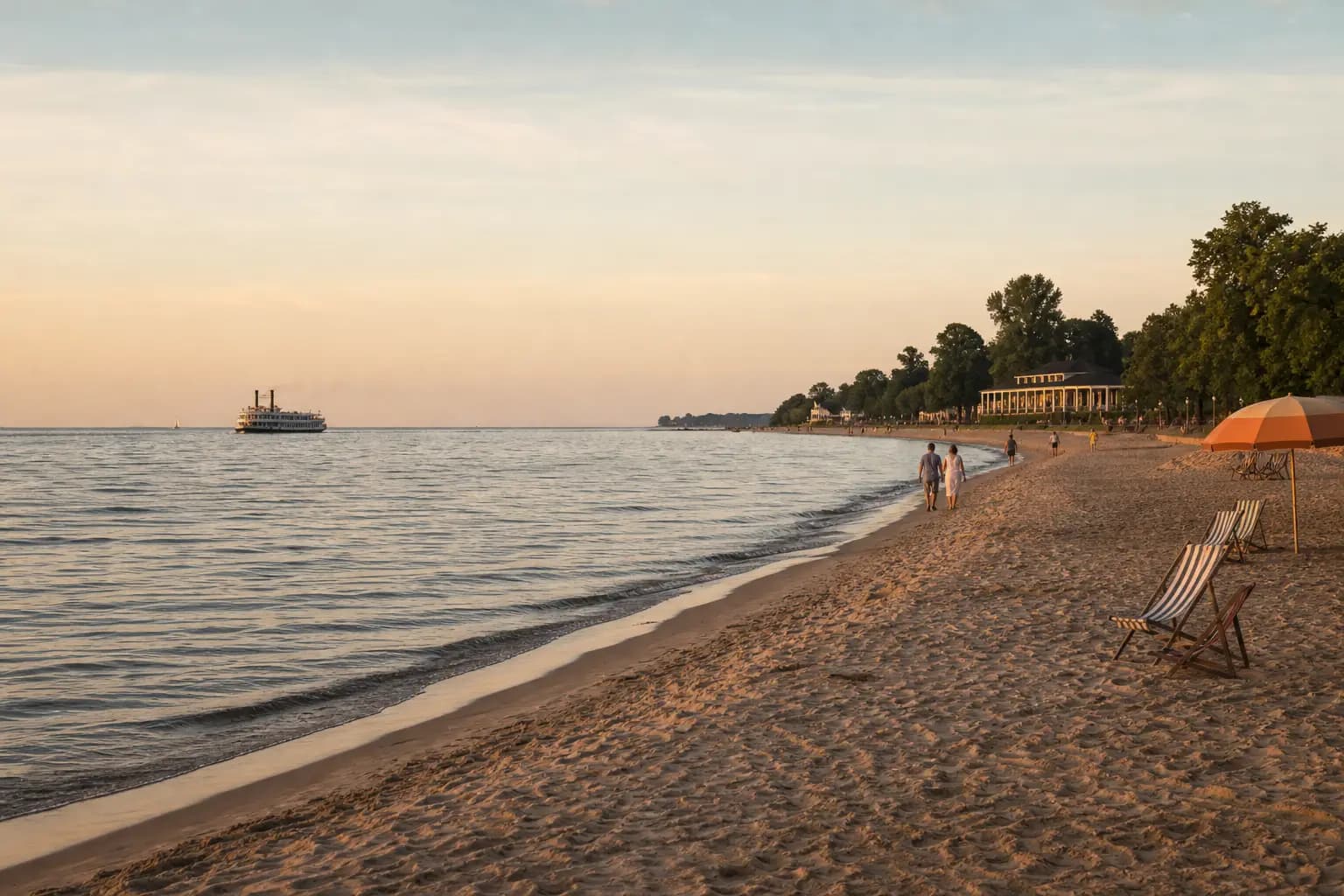
History Ohio
Cedar Point HistoryExplore cedar point history from the 1870 beach and steamboat era to Hotel Breakers, record coasters, the lighthouse and Sandusky museum.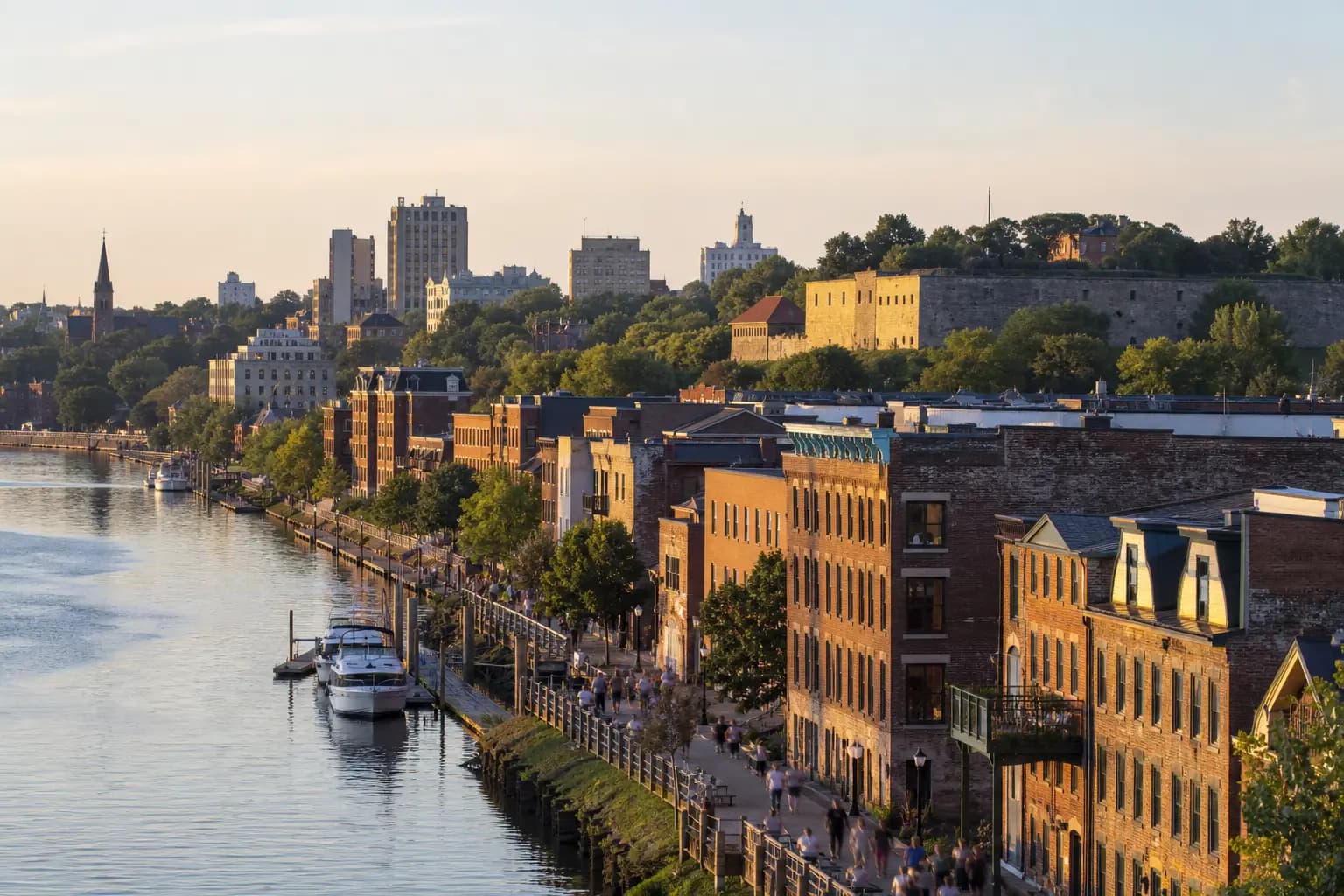
History Cincinnati
A Short History Of Cincinnati, OhioTrace Cincinnati history from Indigenous Ohio River Valley communities and Losantiville to canals, German immigration, abolition and public markets.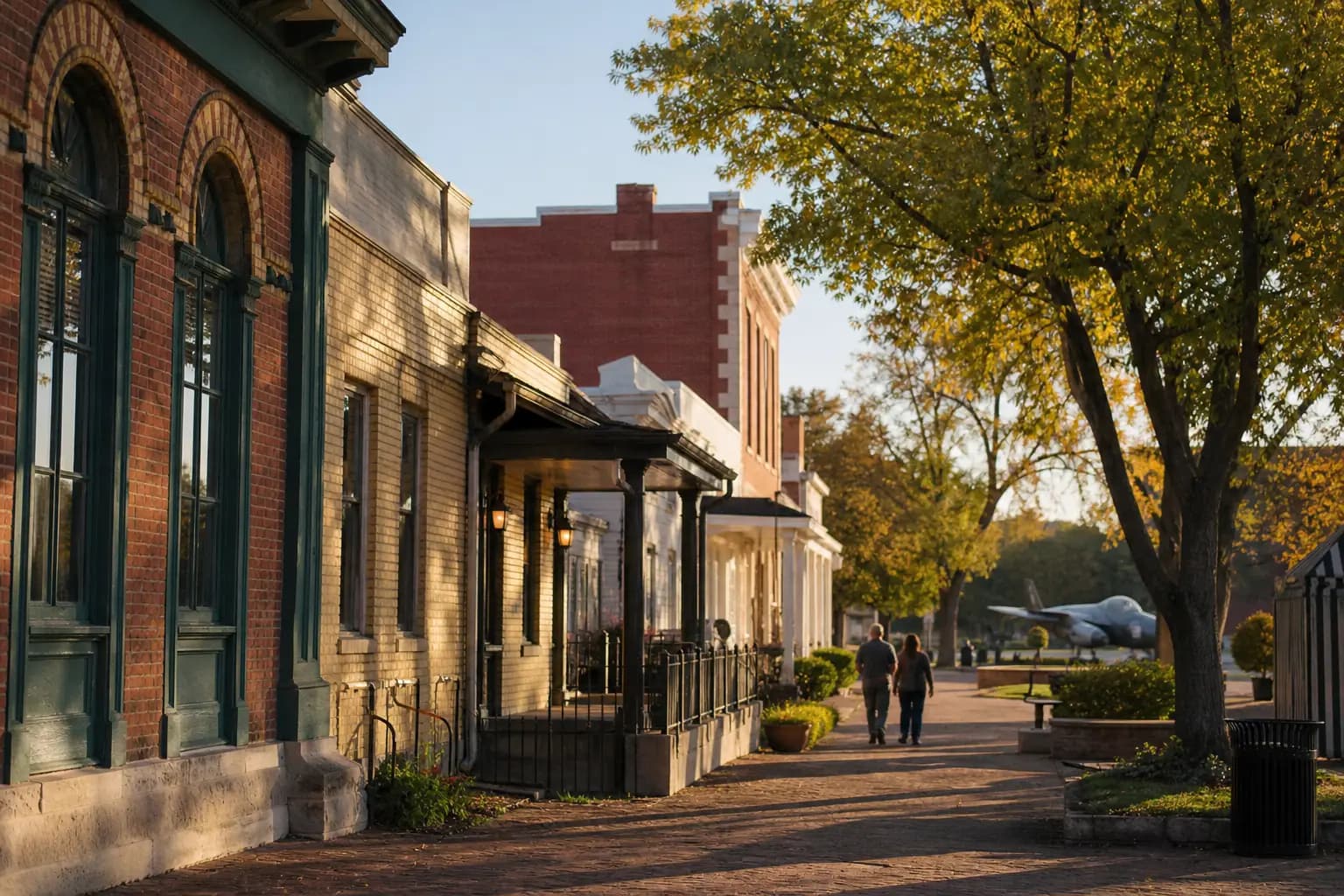
History Dayton
Dayton History: The Wright Brothers And MoreExplore Dayton history through the Wright brothers, Paul Laurence Dunbar, industry, the 1913 flood and the Dayton Accords.