
Great Smoky Mountains History
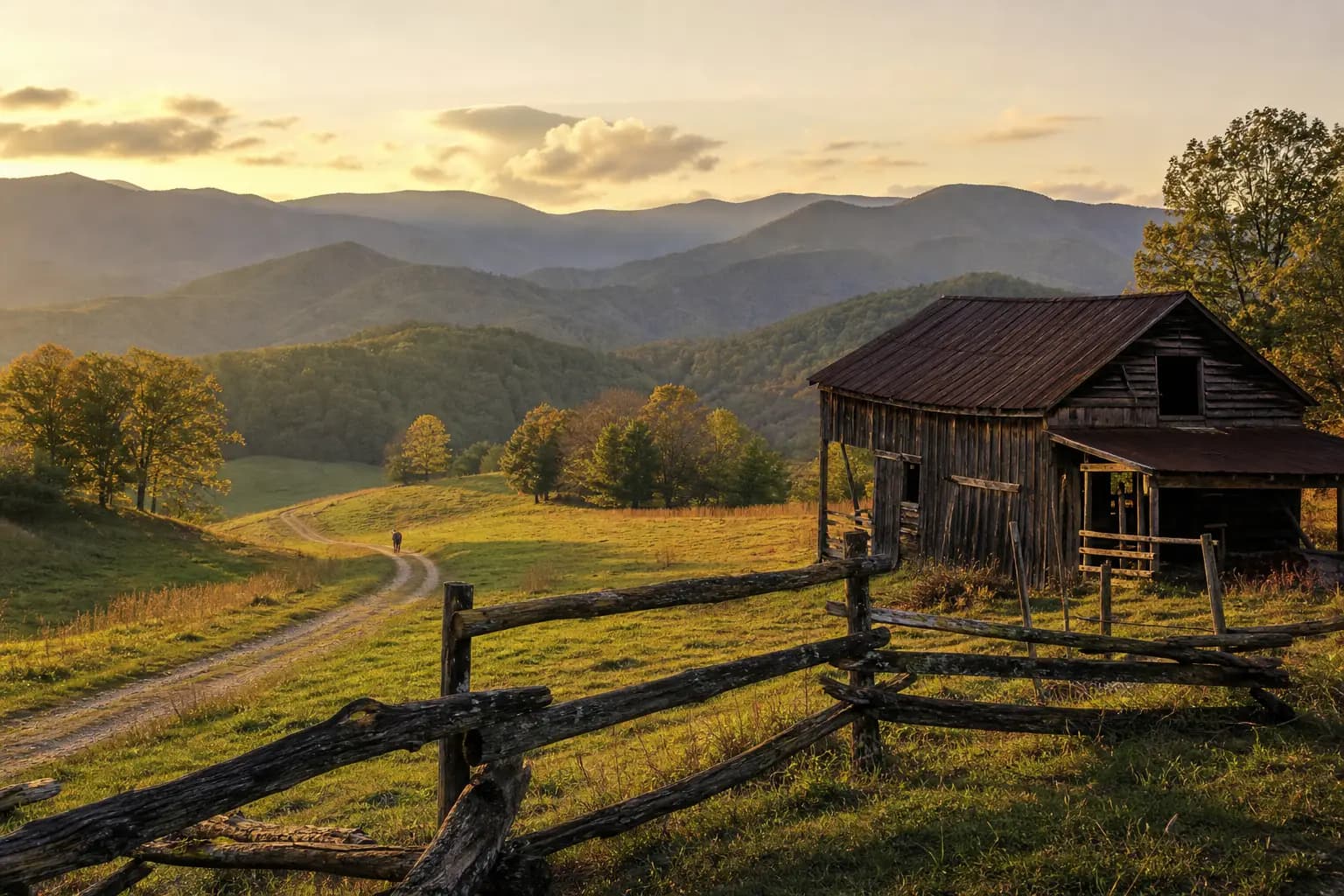
Great Smoky Mountains history begins long before the national park. People occupied these mountains in prehistoric times, and Cherokee communities had deep ancestral ties to the Southern Appalachian region. Later, Cades Cove farms, mills, churches, railroads and logging towns shaped the valleys. The park story also includes fundraising, CCC work from 1933 to 1942, Roosevelt's 1940 dedication, and places visitors can still read on the land, especially Cades Cove and Elkmont.
Key facts
- People have occupied the mountains since prehistoric times.
- European settlers arrived in Cades Cove in the early 1820s, and its last school closed in 1944.
- By 1928, a total of $5 million had been raised for the national park campaign.
- The CCC worked from 1933 to 1942, and Roosevelt dedicated the park in 1940.
Own a house in Tennessee you are thinking of selling? See how our cash offer works.
Cherokee Roots Before The Park
Human history in the Smokies reaches into prehistoric times, and Cherokee history is central to the mountains. Cherokee communities had deep ancestral ties to the Southern Appalachian region, and Cherokee society was traditionally matrilineal. Long before the national park was created, the mountains already held a long record of Native life and community.
European contact appears in the mountain chronology with Hernando De Soto's exploration of the southern Appalachian Mountains. Cherokee history later included the Trail of Tears, where more than 4,000 died from cold, disease and hunger. The story continues through Oconaluftee Cherokees, the Eastern Band and the Qualla Boundary, which keep Cherokee history connected to the Smokies today.
Cades Cove And Mountain Communities
Cades Cove gives visitors a concentrated setting for mountain history. Visitors can explore historic cabins, churches and a gristmill, and European settlers arrived in the Cove in the early 1820s. The cove also carries Cherokee hunting history, then the farm, church and school life of a mountain community.
That story lasted well into the park era. Cades Cove had life leases, a post office and schools, and the last school in Cades Cove closed in 1944. The valley's buildings and records make community life one of the clearest threads in Smokies history.
Farms, Mills And Log Buildings
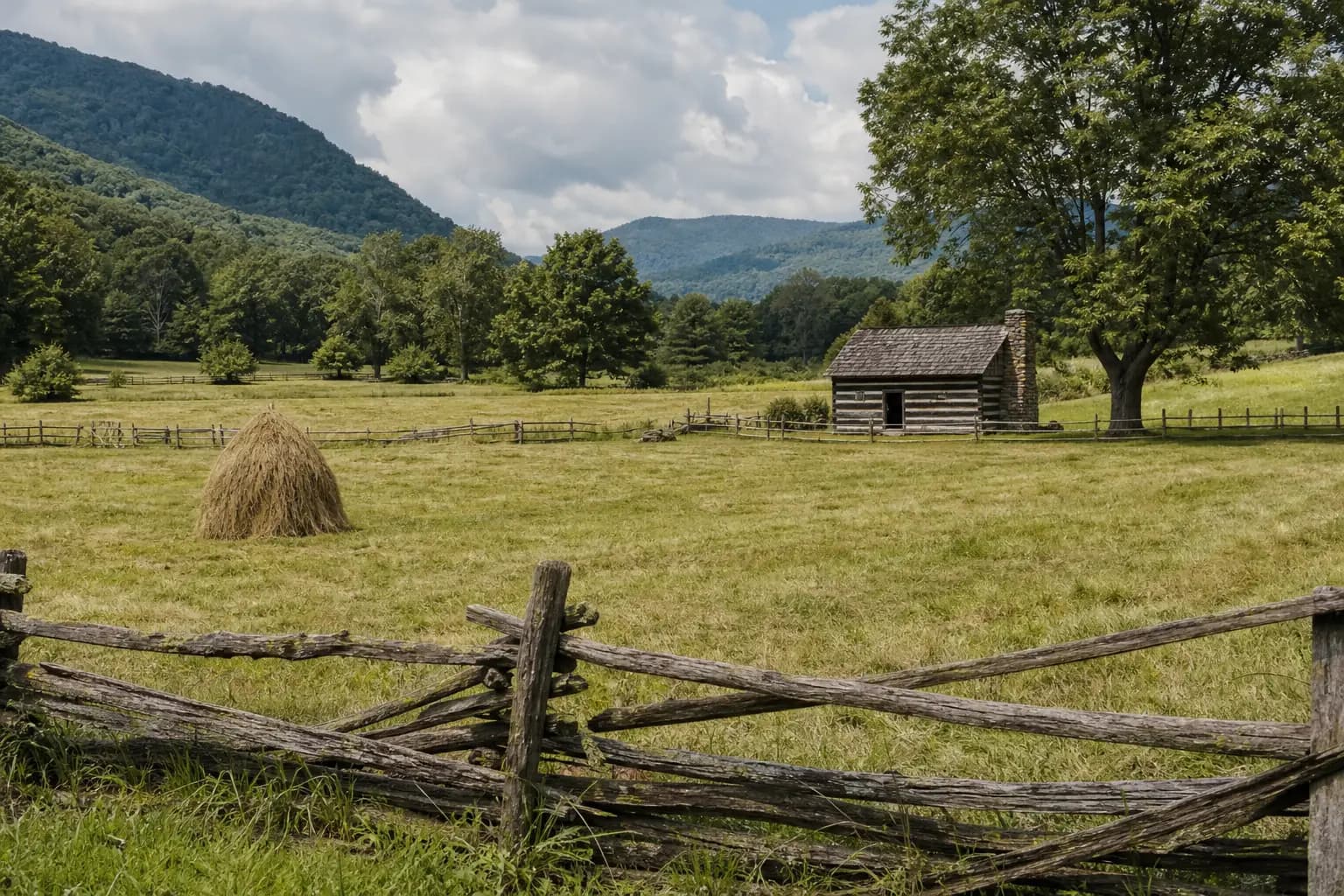
The everyday history of the Smokies is often easiest to see in preserved buildings. The park protects what the National Park Service calls the largest collection of historic log buildings in the East, linking homes, churches, schools and work sites in one regional story. Mingus Mill also belongs in the park's built history, since the Smoky Mountain Timeline records that Mingus Mill was built.
These places matter because farming communities were central to the mountains before the park. Cades Cove's cabins, churches and gristmill show a society organized around food production, worship and schooling. When visitors compare those structures with buildings in other Smokies valleys, the park's human history becomes more than a date sequence.
Logging, Railroads And Elkmont
Logging brought boom towns and industrial work to a region also known for farming communities. The park history notes that logging boom towns sprang up overnight.
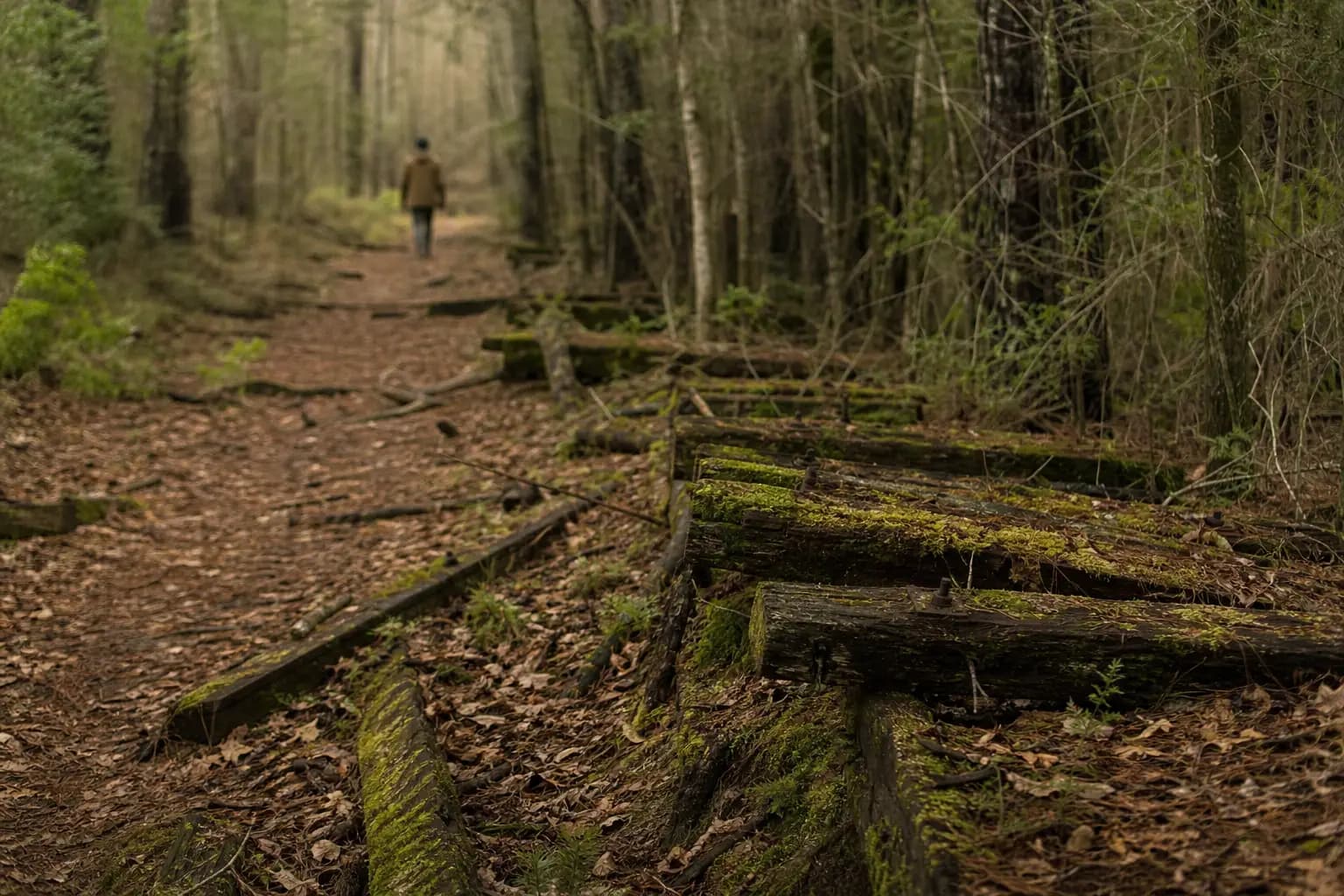
Elkmont shows how industry left marks that visitors can still read. It was the site of the historic town of Elkmont, a place with more than 1,500 residents, and the flat straight drive there was built directly on the old railroad bed. The railroad setting makes Elkmont one of the most direct places to connect transportation, logging and later park history.
The Campaign To Create The National Park
The campaign to create the national park joined civic leadership, fundraising and federal work. Ann Davis is credited with suggesting a national park. Colonel David Chapman played a leading role in the effort.
Fundraising was part of the park campaign, and by 1928 a total of $5 million had been raised. The park's founding story also includes Knoxville leadership and the eventual establishment of Great Smoky Mountains National Park. The CCC worked from 1933 to 1942, and Roosevelt dedicated the park in 1940.
Where To See The History Today
Start with Cades Cove when you want a preserved community setting. Its historic cabins, churches and gristmill connect the story of Cherokee use, early 1820s settlement, schools and later life leases in one place. The last school closing in 1944 gives the valley a timeline that reaches well into the park era.
Go to Old Town of Elkmont for the logging town and railroad landscape, including the drive built on the old railroad bed. For more Tennessee background, the statewide Tennessee history guide pairs well with a Smokies trip. Cades Cove and Elkmont together show how farms, community buildings, railroads and park history remain visible in the mountains.
Frequently asked questions
How old is Great Smoky Mountains history?
People have occupied these mountains since prehistoric times. Cherokee communities had deep ancestral ties to the Southern Appalachian region. Cherokee society was traditionally matrilineal, which is a key part of the region's Native history.
What happened to Cherokee people in the Smokies?
Cherokee history in the Smokies includes the Trail of Tears, where more than 4,000 died from cold, disease and hunger. The story also continues through Oconaluftee Cherokees, the Eastern Band and the Qualla Boundary. That makes Cherokee history a continuing part of the Smokies story.
What is Cades Cove known for historically?
Cades Cove is known for historic cabins, churches and a gristmill. European settlers arrived in the Cove in the early 1820s. The last school in Cades Cove closed in 1944, showing how long community life continued there.
Why was logging important in Great Smoky Mountains history?
Logging brought boom towns to the mountains. Elkmont was the site of a historic town with more than 1,500 residents. The drive to Elkmont was built directly on the old railroad bed.
Who helped create Great Smoky Mountains National Park?
Ann Davis is credited with suggesting a national park. Colonel David Chapman played a leading role in the campaign.
Where can visitors see Smokies history today?
Cades Cove is a strong starting point for cabins, churches, a gristmill and community history. Elkmont preserves a logging town setting with a drive built on an old railroad bed. The statewide Tennessee history guide can add context for a Smokies trip.
Sources
Checked against each source on November 20, 2026. Opening hours, prices and event dates change, so check with the venue before you go. The illustrations are AI generated and do not show real places.
- Smoky Mountain Timeline (National Park Service, Great Smoky Mountains National Park)
- Cherokee (National Park Service, Great Smoky Mountains National Park)
- People (National Park Service, Great Smoky Mountains National Park)
- Founding the National Park (National Park Service, Great Smoky Mountains National Park)
- Stories (National Park Service, Great Smoky Mountains National Park)
- History of Cades Cove (National Park Service, Great Smoky Mountains National Park)
- Old Town of Elkmont (National Park Service, Great Smoky Mountains National Park)
More guides in Tennessee
History Chattanooga
A Short History of ChattanoogaExplore Chattanooga history from Moccasin Bend and Ross's Landing to railroads, Civil War sites, TVA, air cleanup and riverfront renewal.
History Memphis
Civil Rights Museum Memphis: What To KnowLearn the story behind Memphis's National Civil Rights Museum, from the Lorraine Motel and 1968 sanitation strike to the exhibits visitors see.
History Memphis
A Short History of MemphisLearn how Memphis grew from Chickasaw homelands and Chucalissa to Civil War scars, Beale Street, Black business and civil rights memory.
History Nashville
A Short History of NashvilleLearn how Nashville grew from Fort Nashborough on the Cumberland River to the Capitol, Fisk University, Civil War sites, and music landmarks.
Events Chattanooga
What Is Riverbend Festival In Chattanooga?Learn Riverbend Festival's June tradition, Ross's Landing setting, riverfront history and practical notes for a Chattanooga visit.
History Tennessee
A Short History of TennesseeA clear Tennessee history timeline, from Shiloh's mounds and Cherokee Removal to the Civil War, women's suffrage and TVA.